Now Reading: Unlocking the Power of the Cardiovascular System
-
01
Unlocking the Power of the Cardiovascular System
Unlocking the Power of the Cardiovascular System
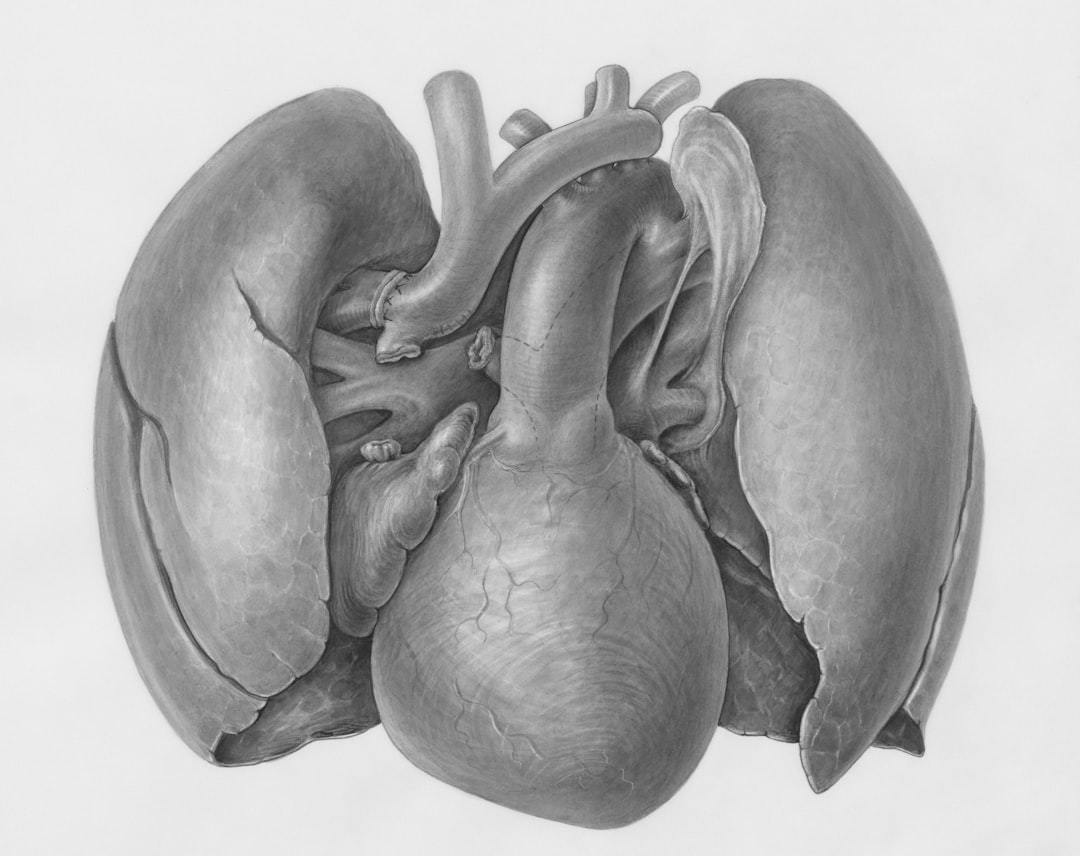
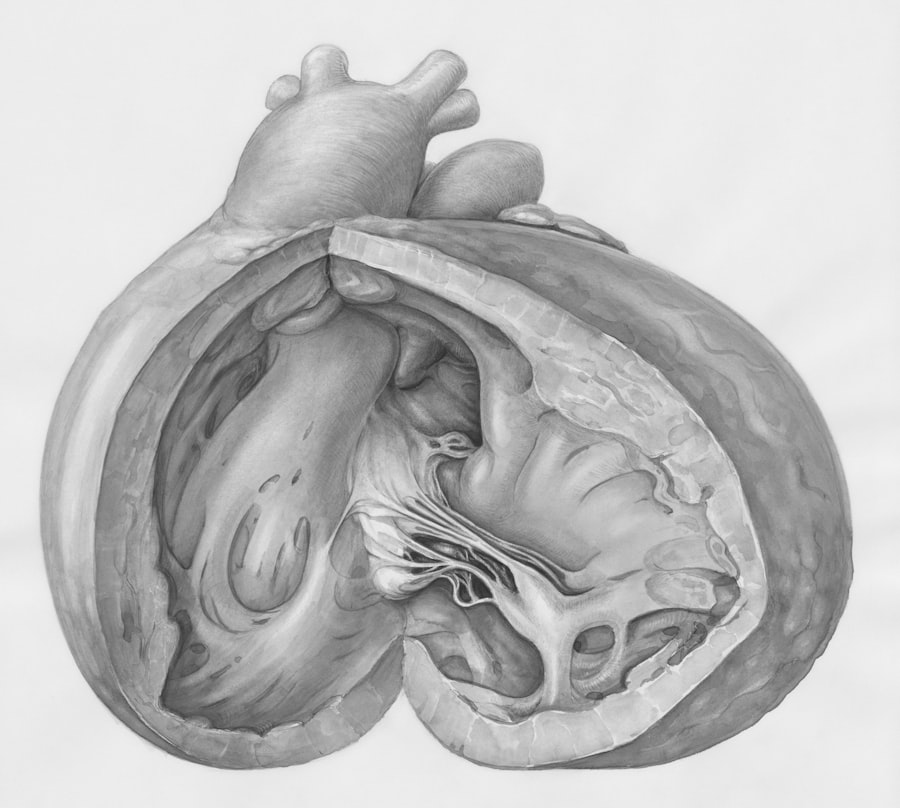
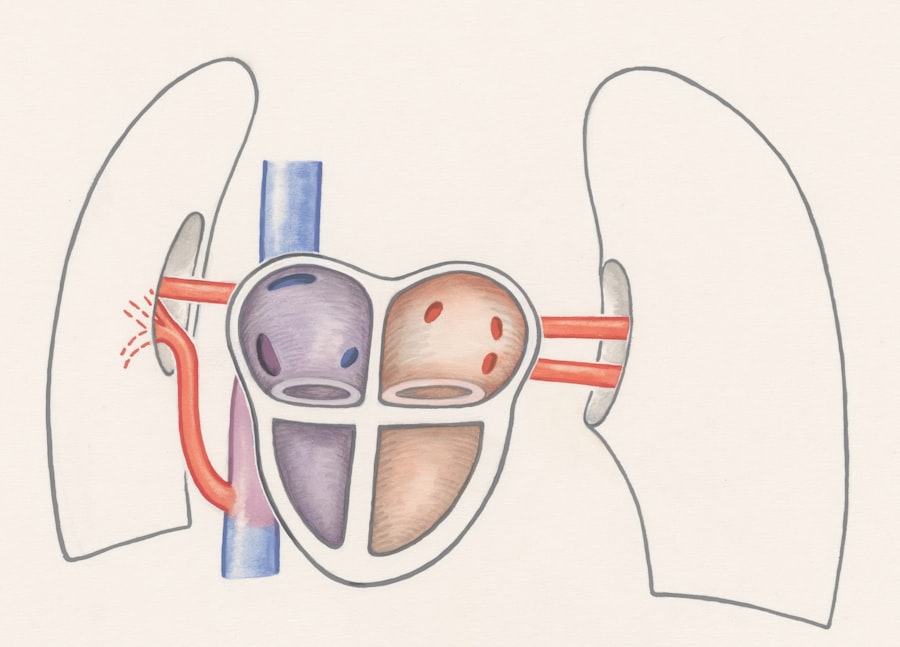
The cardiovascular system, often referred to as the circulatory system, is a complex network responsible for transporting blood, nutrients, oxygen, carbon dioxide, and hormones throughout the body. This intricate system comprises the heart, blood vessels, and blood itself. The heart, a muscular organ located in the thoracic cavity, functions as a pump that propels blood through two primary circuits: the pulmonary circuit, which carries deoxygenated blood to the lungs for oxygenation, and the systemic circuit, which delivers oxygen-rich blood to the rest of the body.
Blood vessels are categorized into three main types: arteries, veins, and capillaries. Arteries transport oxygenated blood away from the heart, while veins return deoxygenated blood back to the heart. Capillaries, the smallest blood vessels, facilitate the exchange of oxygen, carbon dioxide, and nutrients at the cellular level.
The efficiency of this system is vital for maintaining homeostasis and supporting overall health.
Key Takeaways
- The cardiovascular system is responsible for circulating blood and oxygen throughout the body, consisting of the heart, blood vessels, and blood.
- Cardiovascular health is crucial for overall well-being, as it reduces the risk of heart disease, stroke, and other related conditions.
- Regular exercise can improve cardiovascular health by strengthening the heart, lowering blood pressure, and improving circulation.
- A balanced diet that is low in saturated fats, cholesterol, and sodium can help maintain a healthy cardiovascular system.
- Managing stress through relaxation techniques, mindfulness, and social support can positively impact cardiovascular health.
The Importance of Cardiovascular Health
Cardiovascular health is paramount for sustaining life and ensuring optimal functioning of all bodily systems. A well-functioning cardiovascular system is essential for delivering oxygen and nutrients to tissues while removing metabolic waste products. Poor cardiovascular health can lead to a myriad of complications, including hypertension, coronary artery disease, heart failure, and stroke.
According to the World Health Organization (WHO), cardiovascular diseases (CVDs) are the leading cause of death globally, accounting for approximately 32% of all fatalities. Maintaining cardiovascular health is not merely about avoiding disease; it also enhances quality of life. Individuals with robust cardiovascular systems often experience increased energy levels, improved cognitive function, and greater physical endurance.
Furthermore, a healthy cardiovascular system contributes to emotional well-being by reducing anxiety and depression levels. Therefore, prioritizing cardiovascular health is essential for both longevity and quality of life.
How Exercise Impacts the Cardiovascular System
Regular physical activity plays a pivotal role in promoting cardiovascular health. Engaging in aerobic exercises such as walking, running, cycling, or swimming strengthens the heart muscle, enhancing its efficiency in pumping blood. Studies have shown that individuals who engage in at least 150 minutes of moderate-intensity aerobic exercise weekly experience significant reductions in blood pressure and improvements in lipid profiles.
Moreover, exercise stimulates the production of nitric oxide, a molecule that promotes vasodilation and improves blood flow. This physiological response not only enhances oxygen delivery to tissues but also aids in reducing arterial stiffness. Resistance training also contributes positively by increasing muscle mass, which in turn elevates resting metabolic rate and supports weight management—an essential factor in preventing cardiovascular diseases.
Nutrition and the Cardiovascular System
| Metrics | Values |
|---|---|
| Cholesterol levels | Healthy: less than 200 mg/dL |
| Blood pressure | Ideal: less than 120/80 mmHg |
| Body Mass Index (BMI) | Healthy: 18.5-24.9 |
| Omega-3 fatty acids intake | Recommended: 1-2 servings of fatty fish per week |
Nutrition plays a critical role in maintaining cardiovascular health. A diet rich in fruits, vegetables, whole grains, lean proteins, and healthy fats can significantly reduce the risk of developing cardiovascular diseases. Key nutrients such as omega-3 fatty acids found in fish, fiber from whole grains and legumes, and antioxidants from fruits and vegetables contribute to improved heart health.
Conversely, diets high in saturated fats, trans fats, sodium, and added sugars can lead to obesity, hypertension, and dyslipidemia—conditions that increase the risk of cardiovascular diseases. The Mediterranean diet, characterized by an abundance of plant-based foods and healthy fats like olive oil, has been associated with lower rates of heart disease. Adopting a balanced diet tailored to individual needs can be a powerful tool in promoting cardiovascular wellness.
Stress Management and Cardiovascular Health
Chronic stress has been identified as a significant risk factor for cardiovascular diseases. The body’s response to stress involves the release of hormones such as cortisol and adrenaline, which can lead to increased heart rate and elevated blood pressure. Over time, these physiological changes can contribute to arterial damage and promote the development of atherosclerosis.
Effective stress management techniques are essential for maintaining cardiovascular health. Mindfulness practices such as meditation and yoga have been shown to reduce stress levels and improve heart rate variability. Additionally, engaging in hobbies or social activities can provide emotional relief and foster connections that enhance mental well-being.
By incorporating stress-reduction strategies into daily routines, individuals can mitigate the adverse effects of stress on their cardiovascular systems.
The Role of Genetics in Cardiovascular Health
Genetics plays a crucial role in determining an individual’s susceptibility to cardiovascular diseases. Family history is a significant risk factor; individuals with a genetic predisposition may inherit conditions such as hyperlipidemia or hypertension that increase their likelihood of developing heart disease. Genetic variations can influence how the body metabolizes fats and sugars, impacting overall cardiovascular health.
However, genetics is not destiny. Lifestyle choices can significantly modify genetic risk factors. For instance, individuals with a family history of heart disease can adopt healthier eating habits, engage in regular physical activity, and manage stress effectively to counteract their genetic predisposition.
Genetic testing may also provide valuable insights into an individual’s risk profile, allowing for personalized prevention strategies.
Lifestyle Changes for a Healthy Cardiovascular System
Implementing lifestyle changes is fundamental for promoting cardiovascular health. Smoking cessation is one of the most impactful changes an individual can make; tobacco use is a leading cause of preventable heart disease.
Incorporating regular physical activity into daily routines is equally important. Aim for at least 150 minutes of moderate-intensity exercise each week while also including strength training exercises at least twice weekly. Additionally, maintaining a healthy weight through balanced nutrition and portion control can significantly reduce strain on the heart.
Cardiovascular Disease Prevention
Preventing cardiovascular diseases requires a multifaceted approach that encompasses lifestyle modifications and regular health screenings. Monitoring blood pressure, cholesterol levels, and blood glucose levels are essential components of preventive care. Early detection allows for timely interventions that can mitigate risks.
Vaccinations against influenza and pneumonia are also recommended for individuals at higher risk for cardiovascular diseases as these infections can exacerbate existing conditions. Furthermore, engaging in community programs that promote physical activity and healthy eating can foster supportive environments conducive to heart health.
The Benefits of Cardiovascular Rehabilitation
Cardiovascular rehabilitation is a structured program designed to improve cardiovascular health following events such as heart attacks or surgeries.
Research indicates that participation in cardiac rehabilitation significantly reduces mortality rates among individuals with heart disease while improving quality of life.
Patients often experience enhanced physical fitness levels, reduced symptoms of anxiety and depression, and improved adherence to medication regimens following rehabilitation.
Technology and Innovation in Cardiovascular Health
Advancements in technology have revolutionized cardiovascular health management. Wearable devices such as fitness trackers monitor heart rate variability and physical activity levels in real-time, providing valuable data for both patients and healthcare providers. Telemedicine has also emerged as a vital tool for remote monitoring and consultations, allowing patients to receive care without needing to visit healthcare facilities physically.
Innovative treatments such as minimally invasive surgeries and catheter-based interventions have improved outcomes for patients with cardiovascular diseases. Additionally, artificial intelligence (AI) is being utilized to analyze vast amounts of data for early detection of potential cardiovascular issues.
Holistic Approaches to Cardiovascular Wellness
Holistic approaches to cardiovascular wellness emphasize the interconnectedness of physical health with emotional and mental well-being. Integrative practices such as acupuncture, massage therapy, and herbal medicine can complement traditional medical treatments by promoting relaxation and reducing stress levels. Mind-body techniques like tai chi or qigong have been shown to enhance cardiovascular function while fostering mental clarity and emotional balance.
By addressing all aspects of health—physical, emotional, social—individuals can cultivate a comprehensive approach to maintaining optimal cardiovascular wellness. In summary, understanding the intricacies of the cardiovascular system is essential for promoting overall health. Prioritizing cardiovascular wellness through exercise, nutrition, stress management, genetic awareness, lifestyle changes, prevention strategies, rehabilitation programs, technological advancements, and holistic approaches can significantly reduce the risk of cardiovascular diseases while enhancing quality of life.
By adopting these strategies collectively, individuals can pave the way toward a healthier future for their hearts and bodies alike.
If you are interested in learning more about the cardiovascular system, you may want to check out this article on forecast for AMZN stock quote and price in 2025. Understanding the health of your heart is crucial for overall well-being, and staying informed about financial forecasts can also be beneficial for planning ahead. By taking care of your cardiovascular system and making smart investment decisions, you can set yourself up for a healthy and prosperous future.
FAQs
What is the cardiovascular system?
The cardiovascular system, also known as the circulatory system, is a network of organs and vessels that is responsible for the circulation of blood and the transportation of nutrients, oxygen, carbon dioxide, and waste products throughout the body.
What are the main components of the cardiovascular system?
The main components of the cardiovascular system include the heart, blood vessels (arteries, veins, and capillaries), and blood.
What is the function of the cardiovascular system?
The cardiovascular system is responsible for delivering oxygen and nutrients to the body’s tissues and organs, removing waste products, regulating body temperature, and maintaining the body’s overall homeostasis.
What are the common diseases and conditions associated with the cardiovascular system?
Common diseases and conditions associated with the cardiovascular system include hypertension (high blood pressure), coronary artery disease, heart failure, stroke, and peripheral artery disease.
How can I maintain a healthy cardiovascular system?
Maintaining a healthy cardiovascular system involves adopting a balanced diet, engaging in regular physical activity, avoiding tobacco use, managing stress, and getting regular check-ups with a healthcare provider.