Now Reading: Preventing CVD: The Importance of Heart Health
-
01
Preventing CVD: The Importance of Heart Health
Preventing CVD: The Importance of Heart Health

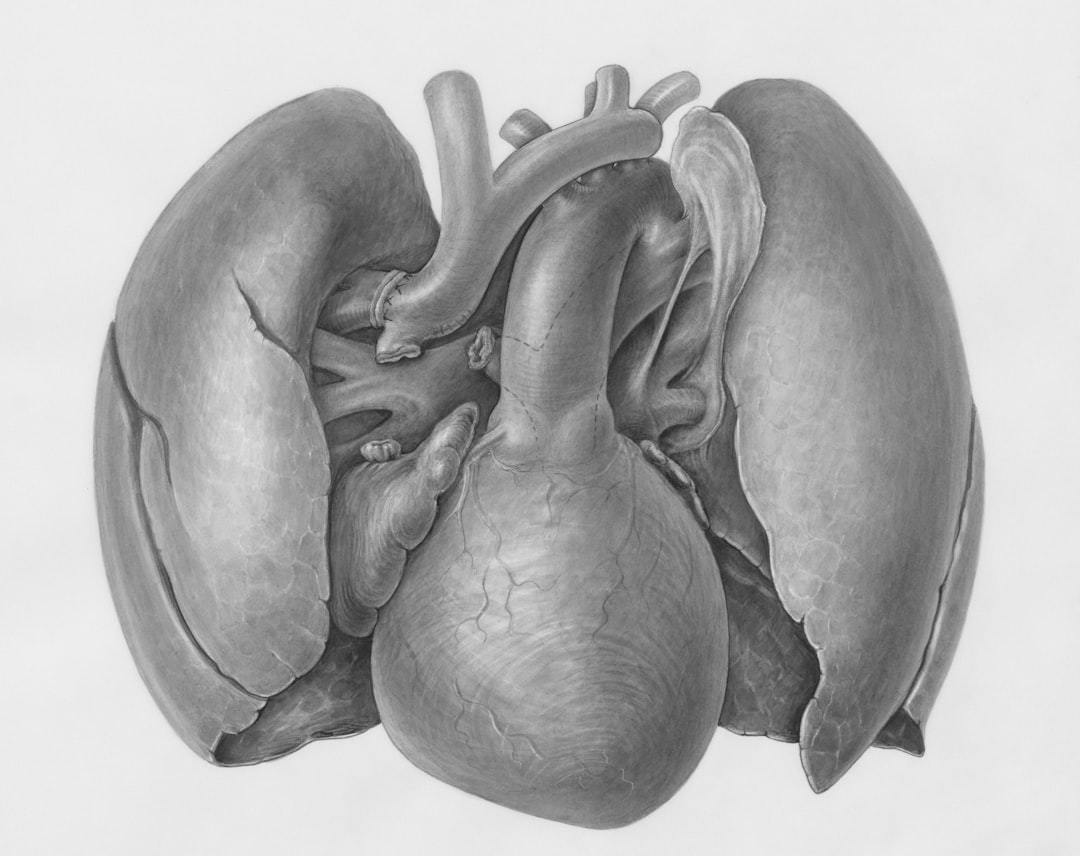
Cardiovascular disease (CVD) encompasses a range of disorders affecting the heart and blood vessels, including coronary artery disease, heart failure, arrhythmias, and valvular heart disease. It is a leading cause of morbidity and mortality worldwide, accounting for approximately 31% of all global deaths according to the World Health Organization. The pathophysiology of CVD often involves atherosclerosis, where plaque builds up in the arterial walls, leading to reduced blood flow and potential ischemic events.
This condition can manifest as angina pectoris, myocardial infarction, or even sudden cardiac death. The burden of CVD is not only a personal health issue but also a significant public health challenge. The economic implications are profound, with healthcare costs for managing cardiovascular conditions reaching billions annually.
Understanding the multifaceted nature of CVD is crucial for developing effective prevention and treatment strategies. This includes recognizing the interplay between lifestyle factors, genetic predispositions, and environmental influences that contribute to the development of cardiovascular conditions.
Key Takeaways
- CVD is a leading cause of death globally, encompassing various conditions that affect the heart and blood vessels.
- Risk factors for CVD include high blood pressure, high cholesterol, diabetes, smoking, obesity, and lack of physical activity.
- A healthy diet, rich in fruits, vegetables, whole grains, and lean proteins, is crucial for maintaining heart health and preventing CVD.
- Regular exercise, including aerobic and strength training, plays a key role in preventing CVD by improving cardiovascular fitness and overall health.
- Managing stress through relaxation techniques, mindfulness, and social support is important for maintaining a healthy heart and reducing the risk of CVD.
Risk Factors for CVD
Identifying risk factors is essential for the prevention of cardiovascular disease. Major risk factors include hypertension, hyperlipidemia, diabetes mellitus, obesity, and smoking. Hypertension, or high blood pressure, affects nearly one-third of adults globally and significantly increases the risk of heart attack and stroke.
Hyperlipidemia refers to elevated levels of lipids in the blood, particularly low-density lipoprotein (LDL) cholesterol, which contributes to plaque formation in arteries. Other notable risk factors include sedentary lifestyle, poor dietary habits, excessive alcohol consumption, and chronic stress. Additionally, age and gender play critical roles; men are generally at higher risk at a younger age compared to women, although post-menopausal women experience an increased risk due to hormonal changes.
Genetic predisposition also cannot be overlooked; individuals with a family history of CVD are more likely to develop similar conditions.
Importance of a Healthy Diet for Heart Health

A heart-healthy diet is pivotal in reducing the risk of cardiovascular disease. The Mediterranean diet, rich in fruits, vegetables, whole grains, lean proteins, and healthy fats such as olive oil, has been associated with lower rates of heart disease. This dietary pattern emphasizes the consumption of antioxidants and anti-inflammatory foods that can mitigate oxidative stress and inflammation—two key contributors to atherosclerosis.
Conversely, diets high in saturated fats, trans fats, sodium, and added sugars can exacerbate risk factors such as hypertension and hyperlipidemia. The American Heart Association recommends limiting saturated fat intake to less than 6% of total daily calories and reducing sodium intake to less than 2,300 mg per day.
The Role of Exercise in Preventing CVD
| Exercise Type | Frequency | Duration | Intensity |
|---|---|---|---|
| Aerobic | 5 times per week | 30 minutes | Moderate to vigorous |
| Strength training | 2-3 times per week | 20-30 minutes | High intensity |
| Flexibility exercises | 2-3 times per week | 10-15 minutes | Gentle stretching |
Regular physical activity is a cornerstone in the prevention of cardiovascular disease. Engaging in at least 150 minutes of moderate-intensity aerobic exercise per week can significantly lower the risk of developing CVD. Exercise helps improve cardiovascular fitness by enhancing endothelial function, reducing blood pressure, and improving lipid profiles.
Activities such as brisk walking, cycling, swimming, or even gardening can contribute to overall heart health. Moreover, resistance training has been shown to have beneficial effects on body composition and metabolic health. It aids in building lean muscle mass while reducing visceral fat—an important factor in mitigating insulin resistance and lowering the risk of type 2 diabetes.
Incorporating both aerobic and strength-training exercises into a weekly routine can yield optimal cardiovascular benefits.
Managing Stress for a Healthy Heart
Chronic stress is increasingly recognized as a significant contributor to cardiovascular disease. The physiological response to stress involves the release of catecholamines and cortisol, which can lead to increased heart rate and blood pressure. Over time, these responses can damage blood vessels and promote atherosclerosis.
Therefore, effective stress management techniques are essential for maintaining heart health. Mindfulness practices such as meditation, yoga, and deep-breathing exercises have been shown to reduce stress levels and improve overall well-being.
Cognitive-behavioral therapy (CBT) may also be beneficial for individuals struggling with chronic stress or anxiety disorders.
The Dangers of Smoking and CVD

Smoking is one of the most significant modifiable risk factors for cardiovascular disease. The harmful chemicals in tobacco smoke contribute to endothelial dysfunction, increased platelet aggregation, and elevated levels of inflammatory markers—all of which promote atherosclerosis. Smokers are twice as likely to suffer from heart attacks compared to non-smokers.
Quitting smoking can lead to immediate improvements in cardiovascular health. Within just 20 minutes of cessation, heart rate and blood pressure begin to drop; within one year, the risk of coronary heart disease is halved compared to that of continuing smokers. Various cessation aids such as nicotine replacement therapy (NRT), prescription medications like varenicline (Chantix), and behavioral support programs can significantly enhance the likelihood of successfully quitting.
The Impact of Alcohol on Heart Health
The relationship between alcohol consumption and cardiovascular health is complex. Moderate alcohol intake has been associated with certain protective effects against CVD due to its potential ability to raise high-density lipoprotein (HDL) cholesterol levels and reduce blood clot formation. However, excessive alcohol consumption poses significant risks including hypertension, cardiomyopathy, and arrhythmias.
The American Heart Association defines moderate drinking as up to one drink per day for women and up to two drinks per day for men. It is crucial for individuals to assess their drinking habits critically; those with a history of alcohol use disorder or other contraindications should avoid alcohol altogether. Education on responsible drinking practices can help mitigate risks associated with alcohol consumption.
Regular Health Check-ups for CVD Prevention
Routine health check-ups play an integral role in the early detection and management of cardiovascular disease risk factors. Regular screenings for blood pressure, cholesterol levels, and glucose levels can identify individuals at risk before they develop significant health issues. The U.S. Preventive Services Task Force recommends adults aged 40-70 years with a body mass index (BMI) greater than 25 undergo screening for type 2 diabetes. Additionally, healthcare providers can offer personalized advice on lifestyle modifications based on individual risk profiles during these visits. Early intervention strategies may include pharmacotherapy for hypertension or hyperlipidemia alongside lifestyle changes to prevent progression to more severe cardiovascular conditions.
Importance of Maintaining a Healthy Weight for Heart Health
Obesity is a well-established risk factor for cardiovascular disease due to its association with hypertension, dyslipidemia, and insulin resistance. Maintaining a healthy weight through balanced nutrition and regular physical activity is essential for reducing the burden on the cardiovascular system. A BMI within the range of 18.5-24.9 is generally considered healthy; however, waist circumference is also an important measure as abdominal obesity poses additional risks.
Weight loss interventions can be effective in improving cardiovascular health outcomes. Even modest weight loss (5-10% of total body weight) can lead to significant improvements in blood pressure and lipid levels. Behavioral strategies such as setting realistic goals, tracking food intake, and engaging in support groups can enhance weight management efforts.
The Role of Genetics in CVD
Genetic predisposition plays a critical role in an individual’s susceptibility to cardiovascular disease. Family history is a strong indicator; individuals with first-degree relatives who have experienced heart disease at an early age are at increased risk themselves. Genetic mutations affecting lipid metabolism or blood clotting can also contribute to the development of CVD.
Advancements in genetic testing have opened new avenues for understanding individual risks associated with cardiovascular conditions. Personalized medicine approaches may allow healthcare providers to tailor prevention strategies based on genetic profiles, potentially leading to more effective interventions.
Importance of Education and Awareness for CVD Prevention
Education and awareness are paramount in combating cardiovascular disease on both individual and community levels. Public health campaigns aimed at increasing knowledge about risk factors and promoting healthy lifestyle choices can significantly impact population health outcomes. Schools, workplaces, and community organizations should prioritize educational initiatives that emphasize heart health.
Furthermore, empowering individuals with information about recognizing early symptoms of cardiovascular events—such as chest pain or shortness of breath—can facilitate timely medical intervention. Engaging healthcare professionals in outreach efforts can enhance community awareness and encourage proactive measures toward heart health. In summary, cardiovascular disease remains a leading cause of death globally; however, understanding its complexities allows for effective prevention strategies.
By addressing modifiable risk factors such as diet, exercise, stress management, smoking cessation, alcohol consumption, regular check-ups, weight management, genetics awareness, and education initiatives, individuals can significantly reduce their risk of developing CVD. Through collaborative efforts between healthcare providers and communities, we can foster a culture that prioritizes heart health for future generations.
Cardiovascular disease (CVD) is a serious health concern that affects millions of people worldwide. According to a recent article on