Now Reading: Exploring the Impact of Gasolina on the Environment
-
01
Exploring the Impact of Gasolina on the Environment
Exploring the Impact of Gasolina on the Environment
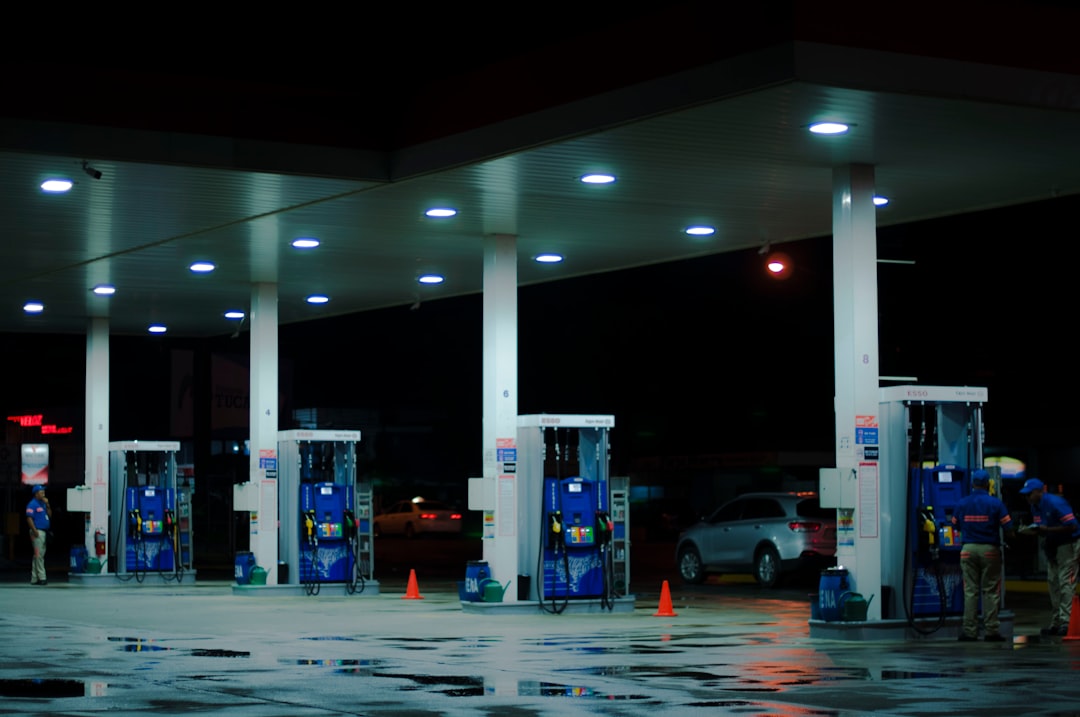
Gasoline is a refined petroleum product used primarily as fuel for internal combustion engines in vehicles, machinery, and industrial applications. Its extensive use has become fundamental to modern society, supporting transportation and economic development. Nevertheless, gasoline consumption produces significant environmental consequences across multiple dimensions.
The extraction, processing, and burning of gasoline generate substantial air and water pollution, destroy habitats, and accelerate climate change. Comprehending these impacts is essential for creating effective strategies to reduce the negative effects of gasoline use. The environmental consequences of gasoline extend beyond direct emissions to include various ecological disruptions that endanger biodiversity and human health.
As global gasoline demand increases, the need to address its environmental impact becomes more urgent.
Through this analysis, we can better understand the importance of developing sustainable alternatives and implementing measures to minimize gasoline’s harmful effects on the environment.
Key Takeaways
- Gasolina contributes significantly to air and water pollution, affecting ecosystems and human health.
- Its production leads to deforestation, disrupting wildlife habitats and biodiversity.
- Gasolina emissions are a major driver of climate change due to greenhouse gas release.
- Alternatives to gasolina, such as biofuels and electric energy, offer cleaner environmental benefits.
- Government policies and individual actions are crucial to mitigating gasolina’s environmental impact.
The Composition of Gasolina and its Effects on the Environment
Gasoline is primarily composed of hydrocarbons, which are organic compounds made up of hydrogen and carbon atoms. The specific composition can vary based on the source of crude oil and the refining process used. Typically, gasoline contains alkanes, cycloalkanes, and aromatic hydrocarbons, with additives such as ethanol or octane boosters included to enhance performance.
While these components are essential for engine efficiency, they also pose significant environmental risks. The combustion of gasoline releases a variety of pollutants into the atmosphere, including carbon dioxide (CO2), nitrogen oxides (NOx), volatile organic compounds (VOCs), and particulate matter (PM). These emissions contribute to the formation of ground-level ozone, a key component of smog that can impair respiratory health in humans and animals.
Furthermore, the release of greenhouse gases from gasoline combustion exacerbates global warming, leading to severe climate-related consequences.
Air Pollution and Gasolina Emissions

Air pollution resulting from gasoline combustion is a pressing concern for urban areas worldwide. The emissions produced by vehicles running on gasoline are a major source of air pollutants that can lead to serious health issues. For instance, nitrogen oxides can react with other atmospheric compounds to form fine particulate matter, which is linked to respiratory diseases such as asthma and chronic obstructive pulmonary disease (COPD).
According to the World Health Organization (WHO), air pollution is responsible for approximately 7 million premature deaths annually. In addition to health impacts, gasoline emissions contribute to environmental degradation. The release of VOCs can lead to the formation of ground-level ozone, which damages crops and forests while also harming aquatic ecosystems through acid rain.
The cumulative effect of these pollutants can result in significant economic costs related to healthcare and environmental restoration efforts. Addressing air pollution from gasoline requires a multifaceted approach that includes stricter emissions standards, investment in cleaner technologies, and public awareness campaigns.
Water Pollution and Gasolina Contamination
Gasoline contamination poses a significant threat to water quality through various pathways. Spills during transportation, leaks from underground storage tanks, and runoff from roads can introduce hydrocarbons into groundwater and surface water bodies. These contaminants can have dire consequences for aquatic ecosystems, leading to the bioaccumulation of toxic substances in fish and other wildlife.
The presence of gasoline in water sources can disrupt aquatic life by reducing oxygen levels and altering pH levels. For instance, polycyclic aromatic hydrocarbons (PAHs) found in gasoline are known carcinogens that can harm fish populations and other aquatic organisms. Moreover, contaminated water sources pose risks to human health when used for drinking or irrigation purposes.
To combat water pollution from gasoline, regulatory measures must be implemented to ensure proper storage practices and prompt response protocols for spills.
Deforestation and Gasolina Production
| Metric | Value | Unit | Description |
|---|---|---|---|
| Energy Content | 34.2 | MJ/L | Energy density of gasoline per liter |
| Octane Rating | 87-98 | RON | Range of octane numbers for regular to premium gasoline |
| Carbon Emissions | 2.31 | kg CO2/L | Carbon dioxide emitted per liter of gasoline burned |
| Density | 0.74-0.77 | kg/L | Density range of gasoline at 15°C |
| Price (average) | 1.20 | per liter | Average retail price of gasoline (varies by region) |
| Refining Yield | 40-50 | % | Percentage of crude oil converted to gasoline during refining |
The production of gasoline is intricately linked to deforestation, particularly in regions rich in biodiversity such as the Amazon rainforest. The extraction of crude oil often necessitates clearing vast tracts of forest land, leading to habitat loss for countless species. Deforestation not only contributes to the decline of biodiversity but also exacerbates climate change by releasing stored carbon dioxide into the atmosphere.
Moreover, the infrastructure required for oil extraction—such as roads and pipelines—further fragments ecosystems and disrupts wildlife migration patterns. The loss of forest cover diminishes the earth’s capacity to sequester carbon, creating a feedback loop that intensifies global warming. Sustainable practices in oil extraction and a transition towards renewable energy sources are essential to mitigate the impact of gasoline production on deforestation.
Wildlife and Ecosystem Impact of Gasolina

The impact of gasoline on wildlife and ecosystems is profound and far-reaching. Oil spills resulting from transportation accidents or drilling operations can devastate marine habitats, leading to mass mortality events among fish, birds, and marine mammals. The toxic components of gasoline can disrupt reproductive systems in wildlife, leading to population declines and altered community dynamics.
Furthermore, habitat destruction associated with oil extraction can lead to fragmentation of ecosystems, making it difficult for species to thrive. For example, road construction can create barriers that prevent animals from accessing critical resources such as food and breeding grounds. The loss of biodiversity not only affects individual species but also undermines ecosystem resilience, making it more challenging for natural systems to adapt to changing environmental conditions.
The Role of Gasolina in Climate Change
Gasoline plays a significant role in climate change due to its contribution to greenhouse gas emissions. The combustion of fossil fuels like gasoline releases substantial amounts of carbon dioxide into the atmosphere—approximately 2.3 billion metric tons annually in the United States alone. This increase in atmospheric CO2 levels enhances the greenhouse effect, leading to rising global temperatures and associated climate impacts such as extreme weather events, sea-level rise, and shifts in ecosystems.
The urgency to address climate change necessitates a transition away from fossil fuel dependency towards cleaner energy alternatives. Implementing policies that promote renewable energy sources—such as solar, wind, and biofuels—can significantly reduce greenhouse gas emissions associated with gasoline use. Additionally, enhancing energy efficiency in transportation through electric vehicles or public transit systems can further mitigate climate change impacts.
Health Impacts of Gasolina on Humans and Animals
The health implications of gasoline exposure are significant for both humans and animals. Inhalation of gasoline vapors can lead to acute symptoms such as headaches, dizziness, and respiratory distress. Long-term exposure has been linked to chronic health conditions including neurological disorders and cancer due to the presence of carcinogenic compounds like benzene.
Animals exposed to gasoline through contaminated environments may experience similar health issues. For instance, wildlife that ingests or comes into contact with gasoline may suffer from organ damage or reproductive failures. The interconnectedness of human health with environmental quality underscores the need for comprehensive strategies aimed at reducing gasoline’s harmful effects on both people and wildlife.
Alternatives to Gasolina and their Environmental Benefits
Transitioning away from gasoline is essential for mitigating its environmental impact. Several alternatives exist that offer significant benefits over traditional fossil fuels. Electric vehicles (EVs) powered by renewable energy sources present a promising solution by eliminating tailpipe emissions entirely.
Additionally, biofuels derived from organic materials can serve as a more sustainable option by reducing reliance on fossil fuels while potentially lowering greenhouse gas emissions. Hydrogen fuel cells represent another innovative alternative that produces only water vapor as a byproduct when generating energy. Furthermore, advancements in public transportation systems can reduce individual reliance on personal vehicles powered by gasoline, thereby decreasing overall fuel consumption.
Government Regulations and Policies on Gasolina Use
Government regulations play a crucial role in managing gasoline consumption and its environmental impact. Policies aimed at reducing emissions from vehicles include stricter fuel economy standards and incentives for electric vehicle adoption. Additionally, regulations governing oil extraction practices can help minimize environmental degradation associated with gasoline production.
International agreements such as the Paris Agreement emphasize the need for countries to commit to reducing greenhouse gas emissions through collaborative efforts. By implementing comprehensive policies that promote sustainable energy practices while phasing out fossil fuel subsidies, governments can drive significant progress toward mitigating the environmental impact of gasoline.
Individual Actions to Reduce Gasolina’s Environmental Impact
Individuals can take proactive steps to reduce their reliance on gasoline and minimize its environmental footprint. Simple actions such as carpooling or using public transportation can significantly decrease personal fuel consumption while alleviating traffic congestion. Additionally, adopting energy-efficient driving habits—such as maintaining proper tire pressure and reducing idling—can enhance fuel efficiency.
Investing in renewable energy solutions for homes—such as solar panels—can further contribute to reducing dependence on fossil fuels while promoting sustainability. By making conscious choices regarding transportation methods and energy consumption, individuals can collectively drive meaningful change toward a more sustainable future. In summary, gasolina’s environmental impact is extensive and multifaceted, affecting air quality, water resources, ecosystems, climate change, and human health.
Addressing these challenges requires a comprehensive approach involving government regulations, individual actions, and a shift towards sustainable alternatives. By understanding the implications of gasoline use and actively seeking solutions, we can work towards a healthier planet for future generations.
Gasolina, a popular reggaeton track, has become synonymous with vibrant celebrations and cultural expressions. Its infectious rhythm often accompanies festive occasions, much like the spirit of Independence Day, which is celebrated with enthusiasm and patriotism. For a deeper dive into the significance of such celebrations, you can read more in this article about Independence Day: Celebrating Freedom and Patriotism.
FAQs
What is gasolina?
Gasolina is the Spanish word for gasoline, a liquid fuel derived from petroleum used primarily in internal combustion engines.
What is gasoline made of?
Gasoline is composed mainly of hydrocarbons, which are molecules made up of hydrogen and carbon atoms. It is refined from crude oil through a process called distillation and further treated to improve performance.
How is gasoline used?
Gasoline is primarily used as fuel for cars, motorcycles, and other vehicles with internal combustion engines. It powers engines by igniting the fuel-air mixture to produce energy.
What are the different types of gasoline?
Gasoline is commonly available in different octane ratings, such as regular (87 octane), mid-grade (89 octane), and premium (91-93 octane). The octane rating indicates the fuel’s resistance to knocking or pinging during combustion.
Is gasoline harmful to the environment?
Yes, burning gasoline releases carbon dioxide (CO2), a greenhouse gas that contributes to climate change. It also emits pollutants like nitrogen oxides and volatile organic compounds, which can harm air quality.
How should gasoline be stored safely?
Gasoline should be stored in approved containers, away from heat sources, sparks, or open flames. It should be kept in a well-ventilated area and out of reach of children and pets.
Can gasoline expire?
Yes, gasoline can degrade over time, typically within 3 to 6 months, losing its combustibility and potentially causing engine problems. Adding fuel stabilizers can extend its shelf life.
What are the alternatives to gasoline?
Alternatives include electric batteries, diesel, ethanol blends, compressed natural gas (CNG), hydrogen fuel cells, and biofuels, which can reduce dependence on gasoline and lower emissions.