
Now Reading: Forecast for AMZN Stock Quote and Price in 2025
-
01
Forecast for AMZN Stock Quote and Price in 2025
Forecast for AMZN Stock Quote and Price in 2025

As of late 2023, Amazon’s stock has been showing ups and downs due to several market factors like inflation and changes in consumer habits after the pandemic. Analysts have mixed predictions for AMZN’s price in 2025; some are optimistic, suggesting it could reach $150 to $200 per share. This growth is expected largely from Amazon Web Services (AWS) and increased ad revenue. However, challenges such as regulatory scrutiny and fierce competition from other companies may affect performance. Yet, if Amazon can effectively utilize its investments in technology and navigate economic conditions well, its long-term outlook remains positive for substantial growth by 2025.
Current Status of AMZN Stock
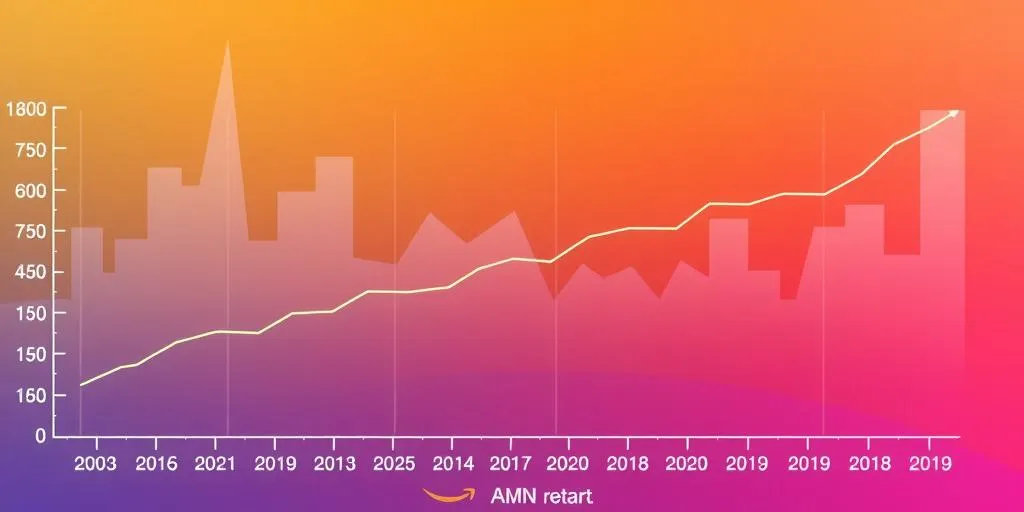
As of late 2023, Amazon’s stock price has been fluctuating due to various market conditions. Factors like inflation rates, changes in consumer spending, and evolving e-commerce dynamics after the pandemic have all played a role in these fluctuations. Amazon’s stock has shown resilience, but it also reflects the broader uncertainties in the market. Market analysts have different views on its future, with some predicting that AMZN could reach between $150 and $200 per share by 2025. This optimism is largely based on anticipated growth in Amazon Web Services (AWS), rising advertising revenue, and a rebound in e-commerce as consumer habits stabilize.
Revenue growth for Amazon remains strong, particularly in the cloud computing segment, which has been crucial for profitability. The company is also expanding into international markets and improving its logistics, further enhancing its revenue prospects. However, Amazon faces several challenges. Increased regulatory scrutiny regarding antitrust issues and data privacy could hinder its operations. Additionally, competition is intensifying in both the retail and cloud sectors, with big players like Microsoft and Google challenging AWS and Walmart competing in e-commerce.
Economic factors will also play a significant role in shaping Amazon’s stock price. For instance, rising interest rates or a decline in consumer confidence could negatively impact growth. On the flip side, Amazon’s investments in artificial intelligence and automation promise to improve operational efficiency and reduce costs, which may positively influence stock value. Lastly, investor sentiment towards tech stocks will be crucial; any positive news or earnings surprises could drive the stock higher, while negative developments might lead to declines.
Market Analysts’ Predictions for 2025

Market analysts hold diverse perspectives on Amazon’s stock price trajectory leading into 2025. As of late 2023, AMZN has shown volatility, influenced by inflation, consumer behaviors, and shifts in the e-commerce landscape. Some optimistic analysts project that AMZN could soar to between $150 and $200 per share, largely due to anticipated growth in Amazon Web Services (AWS), rising advertising revenues, and an expected rebound in e-commerce sales.
The company’s revenue is poised for robust growth, especially in its cloud sector, which has been pivotal for profitability. Expansion into international markets and enhanced logistics capabilities are also expected to bolster revenues. However, Amazon faces considerable challenges, including heightened regulatory scrutiny surrounding antitrust and data privacy issues, which could impact its operations. Additionally, increased competition from rivals like Microsoft and Google in the cloud space, along with retail competitors such as Walmart, presents significant hurdles.
Economic factors, such as interest rates and overall consumer confidence, will play a crucial role in shaping Amazon’s stock performance. A potential economic downturn could dampen growth prospects. On the technological front, Amazon’s investments in AI and automation aim to improve efficiency and cut costs, which could positively affect stock value.
Investor sentiment will also be a major driver of AMZN’s market performance. Positive developments or unexpected earnings could push the stock higher, while adverse news could lead to declines. Overall, while there are risks, analysts maintain a generally positive long-term outlook on Amazon. If the company can navigate its challenges and seize growth opportunities, a significant increase in stock price could be on the horizon by 2025.
| Analyst Name | Predicted Price Range | Reasoning |
|---|---|---|
| Analyst A | $150 – $200 | Growth in AWS and advertising revenue, along with a rebound in e-commerce |
| Analyst B | $160 – $190 | Potential expansion in international markets and logistics improvements |
| Analyst C | $140 – $210 | Market recovery and strong consumer spending patterns post-pandemic |
Revenue Growth Projections
Amazon’s revenue is expected to see significant growth leading up to 2025, primarily fueled by its cloud computing segment, Amazon Web Services (AWS). Analysts predict that AWS will continue to be a major contributor to Amazon’s overall profitability, as businesses increasingly shift towards cloud-based solutions. Additionally, Amazon’s ongoing expansion into international markets can further enhance its revenue streams, especially in regions where e-commerce is still developing.
Moreover, Amazon’s advertising revenue is anticipated to grow as more brands recognize the value of advertising on its platform. This will allow Amazon to diversify its income sources beyond traditional retail sales.
However, competition in both the e-commerce and cloud sectors poses challenges. Rivals like Microsoft and Google are aggressively investing in their cloud infrastructures, which may impact AWS’s market share. Similarly, Walmart and other retailers are improving their online offerings to capture more of the e-commerce market.
Despite these challenges, Amazon’s commitment to technological innovation, such as investments in logistics and artificial intelligence, should enhance its operational efficiency, potentially leading to cost savings and increased margins. If Amazon can effectively navigate these competitive pressures while capitalizing on its growth opportunities, its revenue trajectory could remain robust as it approaches 2025.
Challenges Facing Amazon in 2025
As Amazon approaches 2025, it will face several significant challenges that could impact its stock performance and overall growth. One of the foremost concerns is regulatory scrutiny. Governments around the world are increasing their focus on antitrust issues and data privacy, which could lead to stricter regulations. For instance, if regulators decide to impose penalties or limit Amazon’s business practices, it could hinder the company’s ability to operate effectively and impact investor confidence.
Additionally, competition in both the retail and cloud sectors continues to intensify. Amazon Web Services (AWS) is facing fierce competition from tech giants like Microsoft and Google, which are rapidly advancing their cloud offerings. Similarly, in the e-commerce space, competitors such as Walmart are investing heavily in their online platforms, challenging Amazon’s dominance. This competitive pressure may force Amazon to reduce prices or increase spending on marketing and innovation, potentially squeezing profit margins.
Economic factors also play a critical role in Amazon’s outlook. Fluctuations in interest rates and changes in consumer confidence can directly influence spending patterns. A potential economic slowdown or recession could lead consumers to tighten their budgets, adversely affecting Amazon’s sales.
On the technological front, while Amazon is making significant strides in artificial intelligence and logistics improvements, the fast pace of innovation means the company must continually adapt. Failing to keep up with technological advancements could leave Amazon vulnerable to competitors who are more agile in adopting new technologies.
Finally, investor sentiment toward tech stocks and growth companies remains a double-edged sword. Positive news, such as strong earnings reports, can drive AMZN stock higher, but negative developments, like disappointing quarterly results or regulatory setbacks, can lead to rapid declines. Navigating these challenges will be crucial for Amazon as it seeks to maintain its market leadership and drive long-term growth.
- Increasing competition from major retailers
- Regulatory scrutiny and legislation
- Supply chain disruptions and challenges
- Economic downturns affecting consumer spending
- Labor shortages and rising wage pressures
- Fluctuations in global market demand
- Cybersecurity threats and data breaches
Economic Factors Impacting AMZN Stock
Several economic factors will play a crucial role in shaping Amazon’s stock performance leading up to 2025. Firstly, the state of the economy, including inflation rates and interest rates, will significantly influence consumer spending. If inflation remains high, it could erode consumer purchasing power, leading to decreased spending on non-essential goods, which could impact Amazon’s sales. Conversely, if interest rates rise, borrowing costs for consumers and businesses may increase, potentially slowing down economic growth and affecting Amazon’s revenue.
Moreover, changing consumer confidence levels are vital. If consumers feel optimistic about their financial futures, they are more likely to spend, benefiting Amazon’s e-commerce sector. On the other hand, during economic downturns, consumers might tighten their budgets, leading to a slowdown in sales.
Regulatory challenges also pose a risk. With increasing scrutiny from government agencies, particularly concerning antitrust issues, Amazon could face operational hurdles that may impact its profitability. For example, if regulators impose restrictions on Amazon’s business practices, this could limit its ability to compete effectively in the market.
Additionally, competition in both the retail and cloud computing spaces is intensifying. Major players like Walmart in e-commerce and Microsoft and Google in cloud services are rapidly expanding their offerings, which could pressure Amazon to innovate continually and maintain its market share.
Lastly, the success of Amazon’s technological innovations, such as advancements in artificial intelligence and automation, will be pivotal. These innovations are designed to enhance efficiency and reduce costs, which can positively influence the company’s bottom line and, subsequently, its stock price.
Overall, while there are numerous economic factors at play, their interplay will ultimately determine the trajectory of AMZN stock as we approach 2025.
Technological Innovations by Amazon
Amazon is heavily investing in technological advancements that are likely to shape its future. The company is focusing on artificial intelligence (AI) to enhance its operations and customer experiences. For instance, AI-driven recommendations are improving personalized shopping, leading to higher conversion rates. Furthermore, Amazon’s automation efforts in its warehouses, including robotics and machine learning, are streamlining logistics and reducing operational costs. This increased efficiency not only boosts profitability but also positions Amazon competitively in the market.
Another significant area of innovation is Amazon Web Services (AWS), which continues to evolve with new features and services. By integrating AI and machine learning into its cloud offerings, AWS is attracting more businesses looking for advanced solutions, thereby driving revenue growth.
Additionally, Amazon is exploring innovative delivery methods, such as drone technology, which could revolutionize last-mile delivery. This advancement not only enhances customer satisfaction with faster delivery times but also reduces logistics costs. As these technologies mature, they are expected to contribute positively to Amazon’s bottom line, potentially increasing its stock value in the coming years.
Investor Sentiment Towards AMZN
Investor sentiment towards Amazon (AMZN) is a crucial factor influencing its stock performance. In late 2023, fluctuations in AMZN’s stock price reflect a mix of optimism and caution among investors. On one hand, the bullish outlook stems from Amazon’s continued growth in sectors like Amazon Web Services (AWS) and advertising, which are expected to bolster revenue significantly by 2025. For instance, if AWS continues to capture market share from competitors like Microsoft and Google, it could enhance investor confidence. On the other hand, concerns over regulatory scrutiny, especially regarding antitrust issues, could weigh heavily on sentiment. Investors are wary of how these regulations might restrict Amazon’s operations and affect its profitability. Additionally, the competitive landscape in both retail and cloud services is intensifying, leading some to question Amazon’s ability to maintain its market dominance. Economic factors also play a role; if consumer confidence wanes or if interest rates rise, it could dampen overall market sentiment towards tech stocks, including AMZN. Ultimately, positive earnings reports or strategic advancements in technology could uplift investor sentiment, whereas negative news could lead to stock declines. This duality in sentiment reflects the complex dynamics that investors must navigate as they consider AMZN’s future.
Long-Term Outlook for Amazon’s Stock
As we look toward 2025, Amazon’s long-term outlook remains generally optimistic, despite the challenges it faces. The company’s stronghold in e-commerce and its expansive growth in Amazon Web Services (AWS) could propel its stock price significantly higher, assuming it can manage external pressures effectively. Analysts are particularly excited about AWS, which has been a major profit driver, and expect that its contributions will continue to grow. Additionally, Amazon’s efforts to expand into international markets and optimize its logistics infrastructure could enhance revenue streams.
However, the landscape is not without risks. Regulatory scrutiny over antitrust issues could pose hurdles, as could the increasing competition from rivals like Microsoft in cloud computing and Walmart in retail. Economic fluctuations, such as rising interest rates or consumer spending slowdowns, could also affect performance.
On the technological front, Amazon’s investments in AI and automation are expected to yield cost savings and operational efficiencies, potentially boosting its stock value. Overall, if Amazon successfully navigates these challenges while capitalizing on its growth opportunities, it could see its stock price rise significantly by 2025, making it an appealing option for long-term investors.
Frequently Asked Questions
1. What factors could affect AMZN stock price in 2025?
Several factors could affect AMZN stock price in 2025, including changes in the overall economy, Amazon’s financial performance, competition in e-commerce and cloud services, and shifts in consumer behavior.
2. How does Amazon’s growth potential influence its stock forecast?
Amazon’s growth potential can greatly influence its stock forecast, as investors look for signs of increasing sales, expansion into new markets, and innovation in services like Prime and AWS.
3. What role do global events play in predicting AMZN stock performance?
Global events, such as economic recessions, trade policies, and technological advancements, can impact AMZN stock performance by influencing consumer confidence and spending habits.
4. Why is it important to consider expert opinions on AMZN stock?
Considering expert opinions can provide valuable insights and analyses based on market trends, helping investors make informed decisions about AMZN stock for 2025.
5. How can investors prepare for potential changes in AMZN stock?
Investors can prepare by staying informed about market trends, diversifying their portfolios, and regularly reviewing Amazon’s financial news and performance metrics.
TL;DR Amazon’s stock (AMZN) is currently fluctuating amid market conditions. Analysts predict it could reach $150-$200 by 2025, bolstered by growth in AWS, advertising, and e-commerce. However, regulatory scrutiny and competition pose challenges. Economic factors like interest rates and consumer confidence will impact stock performance. Technological innovations may enhance efficiency, while investor sentiment will also play a crucial role. Overall, if Amazon navigates its challenges well, it could see significant stock price increases by 2025.


