Now Reading: Understanding Leukemia Cutis: Symptoms and Treatments
-
01
Understanding Leukemia Cutis: Symptoms and Treatments
Understanding Leukemia Cutis: Symptoms and Treatments

Leukemia cutis is a rare dermatological manifestation of leukemia, characterized by the infiltration of leukemic cells into the skin. This condition can occur in patients with various types of leukemia, including acute myeloid leukemia (AML), acute lymphoblastic leukemia (ALL), and chronic myeloid leukemia (CML). The skin lesions associated with leukemia cutis can present in various forms, including papules, nodules, plaques, or ulcers, and may appear anywhere on the body.
The presence of these lesions often indicates a more advanced stage of the underlying hematological malignancy and can significantly impact the patient’s quality of life. The pathophysiology of leukemia cutis involves the extramedullary proliferation of leukemic cells, which can infiltrate the dermis and epidermis. This infiltration leads to the characteristic skin lesions that are often mistaken for other dermatological conditions.
The diagnosis of leukemia cutis is crucial as it can serve as a harbinger of systemic disease progression. Understanding this condition requires a comprehensive approach that includes clinical evaluation, histopathological examination, and correlation with the patient’s overall hematological status.
Key Takeaways
- Leukemia Cutis is a rare condition where leukemia cells invade the skin.
- Symptoms of Leukemia Cutis may include skin rashes, lumps, or lesions.
- Diagnosis of Leukemia Cutis involves a skin biopsy and bone marrow examination.
- There are different types of Leukemia Cutis, including myeloid and lymphocytic.
- Risk factors for Leukemia Cutis include a history of leukemia or other blood disorders.
Symptoms of Leukemia Cutis
The clinical presentation of leukemia cutis can vary widely among individuals, but common symptoms include the appearance of skin lesions that may be asymptomatic or associated with pruritus (itching) or pain. These lesions can manifest as erythematous papules, nodules, or plaques that may ulcerate or become necrotic. In some cases, the lesions may be accompanied by systemic symptoms such as fever, weight loss, and fatigue, which are indicative of the underlying leukemia.
The emotional impact of having a dermatological condition associated with a malignancy can lead to anxiety and depression. Therefore, it is essential for healthcare providers to address both the physical and emotional aspects of leukemia cutis in their management plans.
Diagnosis of Leukemia Cutis

Diagnosing leukemia cutis involves a multifaceted approach that includes a thorough clinical examination, laboratory tests, and histopathological analysis. Initially, a dermatologist or oncologist will assess the skin lesions and obtain a detailed medical history. A biopsy of the affected skin is often performed to confirm the presence of leukemic cells.
Histological examination typically reveals atypical lymphoid or myeloid cells infiltrating the dermal layers. In conjunction with skin biopsy, peripheral blood smears and bone marrow aspirates may be conducted to evaluate the overall hematological status of the patient. These tests help determine the type and extent of leukemia present, guiding treatment decisions.
Additionally, imaging studies may be utilized to assess for any systemic involvement or complications associated with the disease.
Types of Leukemia Cutis
| Type of Leukemia Cutis | Description |
|---|---|
| Myeloid Leukemia Cutis | Occurs in patients with myeloid leukemia and presents as skin lesions |
| Lymphocytic Leukemia Cutis | Associated with lymphocytic leukemia and manifests as skin nodules or plaques |
| Monocytic Leukemia Cutis | Linked to monocytic leukemia and appears as papules, nodules, or plaques on the skin |
Leukemia cutis can be classified based on the underlying type of leukemia from which it arises. The most common forms include: 1. **Acute Myeloid Leukemia (AML)**: This type is characterized by rapid proliferation of myeloid cells and is often associated with aggressive skin lesions.
2.
**Acute Lymphoblastic Leukemia (ALL)**: In ALL, lymphoblasts infiltrate the skin, leading to various lesion types that may resemble other dermatological conditions.
3. **Chronic Myeloid Leukemia (CML)**: CML can also present with cutaneous manifestations, although they are less common than in acute forms.
4. **Chronic Lymphocytic Leukemia (CLL)**: While less frequently associated with skin lesions, CLL can still lead to cutaneous involvement in advanced stages.
Each type presents unique challenges in terms of diagnosis and treatment, necessitating a tailored approach based on the specific leukemic process involved.
Risk Factors for Leukemia Cutis
Several risk factors have been identified that may predispose individuals to develop leukemia cutis. These include genetic predispositions such as inherited syndromes (e.g., Down syndrome), exposure to environmental toxins (e.g., benzene), and previous chemotherapy or radiation therapy for other malignancies. Additionally, age plays a significant role; leukemia cutis is more commonly observed in older adults who have a higher incidence of hematological malignancies.
Furthermore, individuals with compromised immune systems or those suffering from chronic infections may also be at increased risk for developing leukemia cutis. Understanding these risk factors is essential for early detection and intervention strategies aimed at preventing the progression of leukemia and its cutaneous manifestations.
Treatment Options for Leukemia Cutis

Treatment Options
Treatment options for leukemia cutis may include systemic therapies such as chemotherapy, targeted therapy, radiation therapy, and stem cell transplantation. The choice of treatment depends on several factors, including the type and stage of leukemia, the patient’s overall health status, and their response to previous therapies.
Local Therapies
In addition to systemic treatments, local therapies such as topical corticosteroids or phototherapy may be employed to alleviate symptoms associated with skin lesions.
Supportive Care
Supportive care is also crucial in managing complications arising from both leukemia and its treatment, including infections and skin integrity issues.
Chemotherapy for Leukemia Cutis
Chemotherapy remains a cornerstone in the treatment of leukemia cutis as it targets the proliferating leukemic cells throughout the body. The specific chemotherapy regimen will depend on the type of leukemia diagnosed. For instance, patients with acute leukemias may receive intensive induction therapy aimed at achieving remission, followed by consolidation therapy to eliminate residual disease.
Common chemotherapeutic agents used include cytarabine, daunorubicin, and vincristine among others. These agents work by interfering with DNA synthesis and cell division, ultimately leading to cell death. While effective in treating systemic disease, chemotherapy can also lead to adverse effects such as myelosuppression, which increases susceptibility to infections and complicates management strategies for skin lesions.
Radiation Therapy for Leukemia Cutis
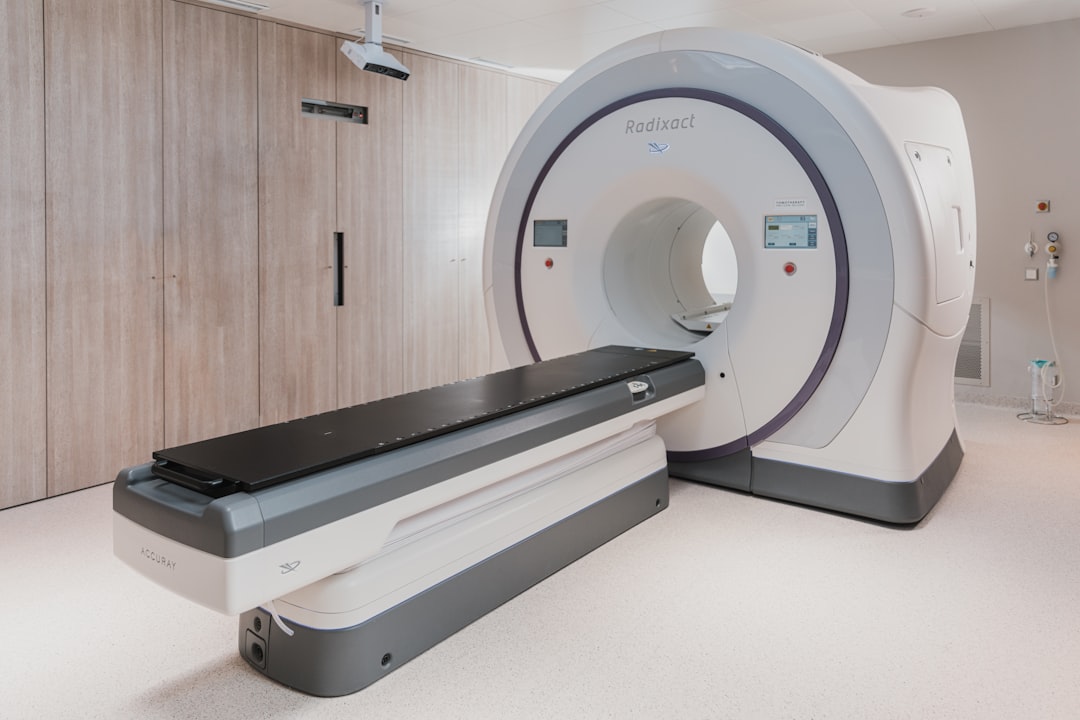
Radiation therapy may be utilized as an adjunctive treatment for localized skin lesions associated with leukemia cutis. This modality is particularly beneficial for patients who have not responded adequately to systemic therapies or those with painful or ulcerated lesions that require palliative care. Radiation works by damaging the DNA within cancer cells, leading to cell death while sparing surrounding healthy tissue when carefully targeted.
The decision to employ radiation therapy should be made collaboratively between oncologists and radiation specialists, considering factors such as lesion size, location, and patient preferences. Side effects may include localized erythema and dermatitis; however, these are generally manageable with supportive care.
Stem Cell Transplant for Leukemia Cutis
Stem cell transplantation (SCT) offers a potential curative option for patients with advanced leukemia cutis who have not responded to conventional therapies. This procedure involves replacing diseased bone marrow with healthy stem cells from a donor or the patient’s own body (autologous transplant). SCT aims to restore normal hematopoiesis while eliminating leukemic cells.
The process begins with high-dose chemotherapy or radiation therapy to eradicate existing leukemic cells before transplanting stem cells. Post-transplant care is critical as patients are at high risk for infections and graft-versus-host disease (GVHD). Long-term follow-up is essential to monitor for recurrence of leukemia and manage any complications arising from the transplant process.
Targeted Therapy for Leukemia Cutis
Targeted therapy represents a novel approach in treating leukemia cutis by focusing on specific molecular targets associated with leukemic cells. Agents such as tyrosine kinase inhibitors (TKIs) have shown promise in managing chronic myeloid leukemia by inhibiting pathways essential for cancer cell survival and proliferation. For instance, imatinib is a well-known TKI used in CML that has transformed treatment outcomes significantly.
Targeted therapies often have fewer side effects compared to traditional chemotherapy; however, they require careful monitoring for potential resistance mechanisms that may develop over time.
Prognosis and Outlook for Leukemia Cutis
The prognosis for patients with leukemia cutis largely depends on several factors including the type of underlying leukemia, response to treatment, and overall health status at diagnosis.
Early detection and prompt treatment are critical in improving outcomes for individuals with leukemia cutis.
Advances in therapeutic strategies such as targeted therapies and stem cell transplantation have enhanced survival rates; however, ongoing research is necessary to further improve management approaches and understand long-term implications. In summary, leukemia cutis is a complex condition that signifies advanced hematological malignancy with significant implications for patient care. A comprehensive understanding of its symptoms, diagnosis, risk factors, treatment options—including chemotherapy, radiation therapy, stem cell transplantation, and targeted therapies—can lead to improved management strategies and better patient outcomes.
As research continues to evolve in this field, it is imperative for healthcare providers to remain vigilant in monitoring patients for potential cutaneous manifestations of leukemia while providing holistic care that addresses both physical and emotional needs.
Leukemia cutis is a rare condition where leukemia cells infiltrate the skin, causing lesions and rashes. For more information on honoring veterans and celebrating the November 11 holiday, check out this article that highlights the importance of recognizing and appreciating the sacrifices made by those who have served in the military.
FAQs
What is leukemia cutis?
Leukemia cutis is a rare condition in which leukemia cells invade the skin, causing skin lesions or rashes.
What are the symptoms of leukemia cutis?
Symptoms of leukemia cutis may include red or purple bumps on the skin, skin nodules, or patches of discolored skin.
How is leukemia cutis diagnosed?
Leukemia cutis is diagnosed through a skin biopsy, in which a small sample of the affected skin is removed and examined under a microscope.
What is the treatment for leukemia cutis?
Treatment for leukemia cutis typically involves systemic chemotherapy to target the underlying leukemia, as well as topical treatments for the skin lesions.
Is leukemia cutis a common condition?
Leukemia cutis is considered a rare condition, occurring in only a small percentage of people with leukemia.
Can leukemia cutis be a sign of leukemia in the blood or bone marrow?
Yes, leukemia cutis is often a sign of an underlying leukemia in the blood or bone marrow, and it may occur before, during, or after the diagnosis of leukemia.