Now Reading: Lung Rads: Understanding the Basics
-
01
Lung Rads: Understanding the Basics
Lung Rads: Understanding the Basics
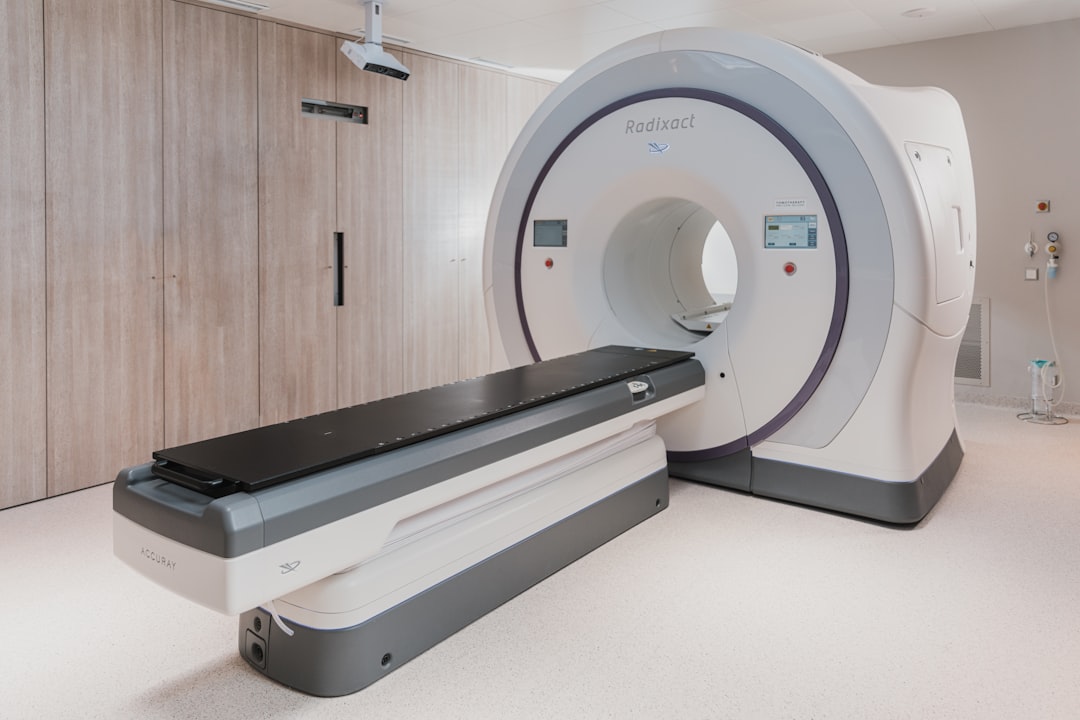
Lung-RADS, or Lung Imaging Reporting and Data System, represents a pivotal advancement in the realm of radiological assessment, particularly concerning lung cancer screening. Developed by the American College of Radiology (ACR) and the Radiological Society of North America (RSNA), this structured reporting system aims to standardize the interpretation of low-dose computed tomography (LDCT) scans for lung cancer screening. The introduction of Lung-RADS has significantly enhanced the accuracy and consistency of lung cancer diagnoses, ultimately leading to improved patient outcomes.
The increasing prevalence of lung cancer, which remains one of the leading causes of cancer-related mortality worldwide, necessitates effective screening methodologies. Lung-RADS provides a systematic approach to categorizing findings from LDCT scans, facilitating better communication among healthcare providers and ensuring that patients receive timely and appropriate interventions. This article delves into the intricacies of Lung-RADS, exploring its applications, benefits, limitations, and future prospects in the field of medical imaging.
Key Takeaways
- Lung Rads is a standardized system used to categorize and interpret findings from lung cancer screening imaging studies.
- It helps radiologists to communicate the likelihood of lung cancer and the need for follow-up imaging or biopsy.
- Lung Rads is crucial in early detection of lung cancer, which can significantly improve patient outcomes.
- The categories in Lung Rads range from 1 (low likelihood of cancer) to 4 (high likelihood of cancer), guiding clinical decision-making.
- Despite its benefits, Lung Rads has limitations and challenges, and ongoing advancements are being made to improve its accuracy and utility in clinical practice.
What is Lung Rads?
Lung-RADS is a classification system specifically designed for the interpretation of LDCT scans in lung cancer screening programs. It categorizes findings into distinct groups based on the characteristics of detected nodules and other abnormalities. The system was introduced to address the challenges associated with the variability in reporting and management recommendations among radiologists.
By providing a standardized framework, Lung-RADS enhances the clarity and consistency of radiological reports. The Lung-RADS system comprises several categories, ranging from 0 to 4, each indicating a different level of suspicion for malignancy. Category 0 signifies that additional imaging is required, while Category 4 is further subdivided into 4A, 4B, and 4X, indicating increasing levels of concern for lung cancer.
This structured approach not only aids in the identification of potentially malignant nodules but also assists in determining appropriate follow-up strategies for patients.
How is Lung Rads used in medical imaging?
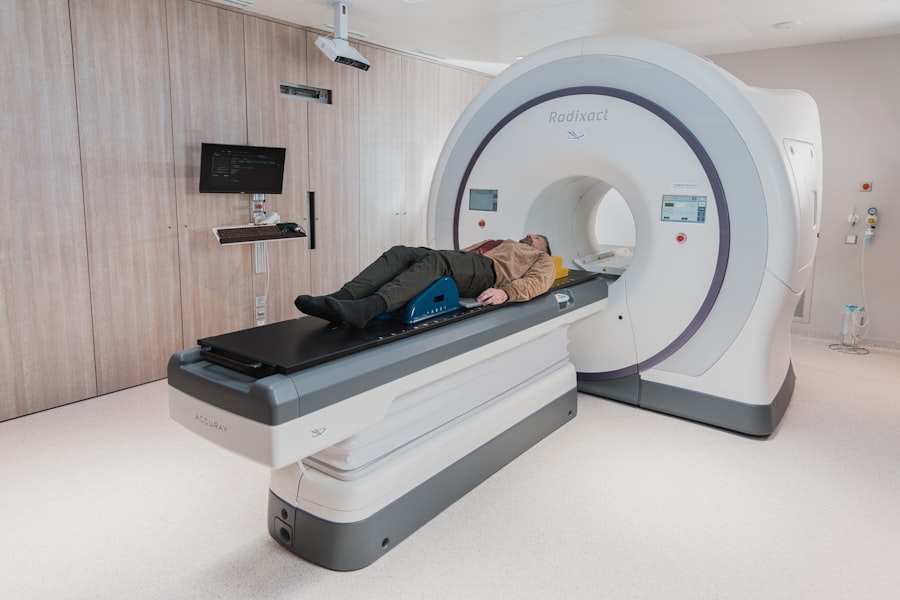
In medical imaging, Lung-RADS serves as a critical tool for radiologists interpreting LDCT scans. The system is primarily utilized in lung cancer screening programs, where it helps to identify individuals at high risk for developing lung cancer due to factors such as smoking history or occupational exposure. By categorizing findings based on specific criteria, Lung-RADS enables radiologists to provide clear recommendations for further evaluation or surveillance.
The implementation of Lung-RADS in clinical practice involves a systematic review of the LDCT images, focusing on nodule size, morphology, and growth patterns. Radiologists assess these characteristics against established criteria to assign an appropriate Lung-RADS category. This process not only streamlines reporting but also enhances communication with referring physicians, ensuring that patients receive timely follow-up care based on their risk stratification.
The importance of Lung Rads in lung cancer screening
| Metrics | Data |
|---|---|
| Number of lung cancer cases detected | Increased by 4-5 times with Lung-RADS compared to traditional screening |
| Accuracy of lung cancer detection | Lung-RADS provides more accurate results compared to traditional methods |
| Reduction in false positive rates | Lung-RADS reduces false positive rates, leading to fewer unnecessary follow-up tests |
| Standardization of reporting | Lung-RADS provides a standardized reporting system for lung cancer screening results |
| Improved communication between radiologists and clinicians | Lung-RADS facilitates better communication and understanding of screening results |
Lung cancer screening has emerged as a vital component in reducing mortality rates associated with this disease. The introduction of Lung-RADS has significantly improved the efficacy of screening programs by providing a standardized method for evaluating LDCT findings. This system plays a crucial role in identifying early-stage lung cancers when treatment options are most effective.
The importance of Lung-RADS extends beyond mere categorization; it fosters a proactive approach to patient management. By stratifying patients based on their risk levels, healthcare providers can implement tailored surveillance strategies that optimize resource allocation and minimize unnecessary interventions. Furthermore, the use of Lung-RADS has been associated with increased adherence to follow-up recommendations, ultimately leading to earlier detection and improved survival rates.
Understanding the different categories of Lung Rads
Lung-RADS categorizes findings into five distinct groups: 0, 1, 2, 3, and 4. Each category reflects varying degrees of suspicion for malignancy and guides subsequent management decisions. – **Category 0**: Incomplete assessment; additional imaging is required.
– **Category 1**: Negative findings; no nodules detected.
– **Category 2**: Benign findings; non-calcified nodules that are stable or have benign characteristics.
– **Category 3**: Probably benign; nodules that warrant follow-up but have a low likelihood of malignancy.
– **Category 4**: Suspicious findings; further evaluation is necessary.
g., solid nodules – **4B**: Moderate suspicion for malignancy (e.g., solid nodules 6-8 mm).
– **4X**: High suspicion for malignancy (e.g., solid nodules > 8 mm or with concerning features). Understanding these categories is essential for both radiologists and referring physicians as they navigate the complexities of lung cancer screening and management.
The role of Lung Rads in early detection of lung cancer
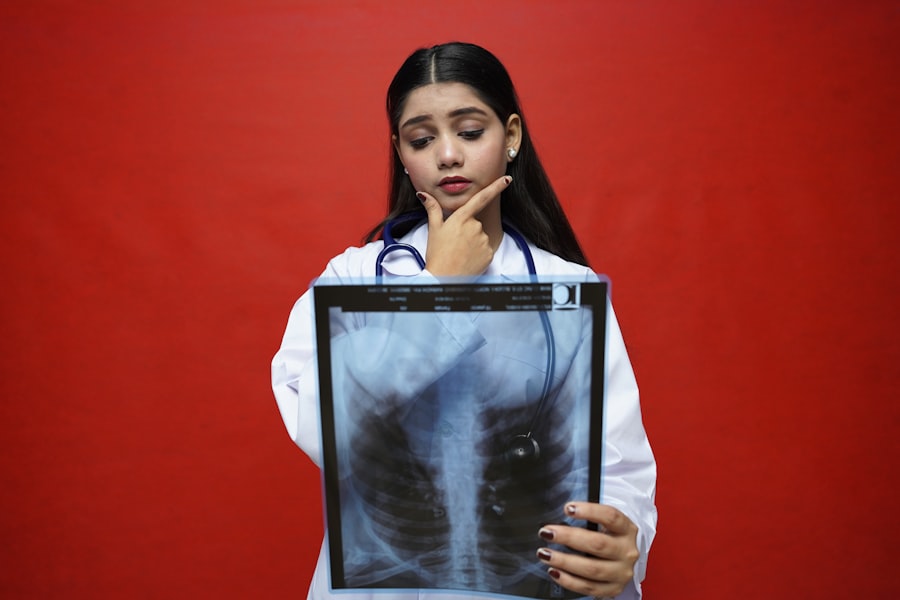
Early detection of lung cancer is paramount in improving patient outcomes and survival rates. Lung-RADS plays a significant role in this process by facilitating the identification of suspicious nodules at an early stage. The structured reporting system allows for consistent monitoring of nodules over time, enabling healthcare providers to detect changes that may indicate malignancy.
By employing Lung-RADS in screening programs, clinicians can implement timely interventions for patients with high-risk nodules. This proactive approach not only enhances early diagnosis but also reduces the likelihood of advanced-stage presentations, which are often associated with poorer prognoses. The integration of Lung-RADS into clinical practice underscores its importance as a tool for improving early detection efforts in lung cancer.
How is Lung Rads interpreted by radiologists?
Radiologists interpret Lung-RADS by meticulously analyzing LDCT images and assessing various nodule characteristics. The interpretation process involves evaluating factors such as nodule size, shape, density, and growth patterns over time. Radiologists utilize established criteria outlined in the Lung-RADS guidelines to assign an appropriate category based on their findings.
The interpretation process also requires collaboration with other healthcare professionals to ensure comprehensive patient management. Radiologists must communicate their findings effectively to referring physicians, providing clear recommendations for follow-up imaging or further evaluation when necessary. This collaborative approach enhances patient care by ensuring that all members of the healthcare team are aligned in their understanding of the patient’s risk status and management plan.
The benefits of using Lung Rads in clinical practice
The implementation of Lung-RADS in clinical practice offers numerous benefits that enhance patient care and outcomes. One significant advantage is the standardization of reporting across different institutions and radiologists. This consistency reduces variability in interpretations and ensures that patients receive uniform care regardless of where they are screened.
Additionally, Lung-RADS promotes efficient communication between radiologists and referring physicians. By providing clear categories and recommendations, healthcare providers can make informed decisions regarding patient management without ambiguity. This streamlined communication fosters collaboration among healthcare teams and ultimately leads to improved patient adherence to follow-up recommendations.
Moreover, the use of Lung-RADS has been associated with increased detection rates of early-stage lung cancers. By categorizing nodules based on their risk profiles, clinicians can prioritize patients who require immediate attention while minimizing unnecessary procedures for those with benign findings.
Limitations and challenges of Lung Rads
Despite its numerous advantages, Lung-RADS is not without limitations and challenges. One significant concern is the potential for overdiagnosis and overtreatment associated with false-positive results. Patients categorized as having suspicious nodules may undergo invasive procedures such as biopsies or surgeries that carry inherent risks without definitive evidence of malignancy.
Another challenge lies in the variability in nodule characteristics and growth patterns among individuals. While Lung-RADS provides a standardized framework, individual patient factors such as age, smoking history, and comorbidities can influence the interpretation and management decisions. Radiologists must exercise clinical judgment when applying Lung-RADS categories to ensure that patient-specific factors are considered.
Furthermore, access to LDCT screening may be limited in certain populations due to socioeconomic factors or geographic disparities. Ensuring equitable access to lung cancer screening programs remains a critical challenge that must be addressed to maximize the benefits of Lung-RADS.
Future developments and advancements in Lung Rads
As medical imaging technology continues to evolve, so too does the potential for advancements in Lung-RADS. Future developments may include the integration of artificial intelligence (AI) algorithms to assist radiologists in interpreting LDCT scans more accurately and efficiently. AI has shown promise in enhancing diagnostic accuracy by identifying subtle patterns that may be overlooked by human observers.
Additionally, ongoing research into biomarkers and genetic profiling may complement the Lung-RADS system by providing further insights into nodule behavior and malignancy risk. Incorporating these advancements could lead to more personalized approaches to lung cancer screening and management. Furthermore, efforts to improve public awareness about lung cancer screening and the importance of early detection will be crucial in maximizing the impact of Lung-RADS on patient outcomes.
Educational initiatives aimed at high-risk populations can help increase participation in screening programs and ultimately reduce lung cancer mortality rates.
The significance of Lung Rads in improving lung cancer outcomes
In conclusion, Lung-RADS represents a significant advancement in the field of medical imaging and lung cancer screening. By providing a standardized framework for interpreting LDCT scans, this system enhances diagnostic accuracy, facilitates effective communication among healthcare providers, and ultimately improves patient outcomes. The importance of early detection cannot be overstated; through its structured approach, Lung-RADS plays a vital role in identifying suspicious nodules at an early stage when treatment options are most effective.
While challenges remain regarding overdiagnosis and access to screening programs, ongoing advancements in technology and research hold promise for further enhancing the utility of Lung-RADS in clinical practice. As we continue to refine our approaches to lung cancer screening and management, the significance of Lung-RADS will undoubtedly remain at the forefront of efforts aimed at improving lung cancer outcomes for patients worldwide. ### FAQ Section 1.
**What is the primary purpose of Lung-RADS?**
– The primary purpose of Lung-RADS is to standardize the interpretation and reporting of low-dose computed tomography (LDCT) scans used for lung cancer screening. 2. **How does Lung-RADS categorize findings?**
– Findings are categorized into five groups (0-4), each indicating different levels of suspicion for malignancy and guiding subsequent management decisions.
3. **What are the implications of a Category 4 designation?**
– A Category 4 designation indicates suspicious findings that require further evaluation; it is subdivided into 4A (low suspicion), 4B (moderate suspicion), and 4X (high suspicion). 4.
**How does Lung-RADS improve communication among healthcare providers?**
– By providing clear categories and recommendations, Lung-RADS enhances communication between radiologists and referring physicians regarding patient management strategies. 5. **What are some limitations associated with using Lung-RADS?**
– Limitations include potential overdiagnosis leading to unnecessary procedures and variability in nodule characteristics among individuals that may affect interpretation.
6. **What future advancements are anticipated for Lung-RADS?**
– Future advancements may include integrating artificial intelligence for improved diagnostic accuracy and incorporating biomarkers for personalized approaches to lung cancer screening. 7.
**How can patients benefit from participating in lung cancer screening programs utilizing Lung-RADS?**
– Patients benefit from early detection opportunities that can lead to more effective treatment options and improved survival rates through timely interventions. 8. **Is there any specific training required for radiologists using Lung-RADS?**
– Yes, radiologists typically undergo specialized training to familiarize themselves with the criteria outlined in the Lung-RADS guidelines for accurate interpretation.
9. **What role does patient history play in interpreting Lung-RADS categories?**
– Patient history, including smoking status and previous lung conditions, plays a crucial role in interpreting findings within the context of individual risk factors. 10.
**How can public awareness about lung cancer screening be improved?**
– Public awareness can be improved through educational campaigns targeting high-risk populations about the importance of early detection and participation in screening programs. In summary, this article has explored various facets of Lung-RADS—its definition, application in medical imaging, significance in lung cancer screening, interpretation by radiologists, benefits in clinical practice, limitations faced, future developments anticipated, and its overall impact on improving patient outcomes related to lung cancer detection and management.
If you are interested in learning more about lung rads, you may also want to check out this article on federal holidays in 2025. Understanding the importance of lung rads in medical imaging can help healthcare professionals provide better care for patients, just as recognizing and celebrating national holidays can bring communities together and foster a sense of national pride.
FAQs
What is Lung-RADS?
Lung-RADS stands for Lung Imaging Reporting and Data System. It is a system developed by the American College of Radiology to standardize the reporting and management of lung nodules detected on CT scans.
How does Lung-RADS work?
Lung-RADS provides a standardized way for radiologists to categorize lung nodules based on their size, appearance, and other characteristics. It also provides recommendations for follow-up and management based on the nodule category.
What are the categories in Lung-RADS?
Lung-RADS has several categories, ranging from 0 to 4, with subcategories in some cases. These categories help to classify lung nodules and guide further management. Category 1 indicates a nodule with very low likelihood of being cancerous, while category 4 indicates a nodule with a high likelihood of being cancerous.
Why is Lung-RADS important?
Lung-RADS is important because it helps standardize the reporting and management of lung nodules, which can help improve communication between radiologists, referring physicians, and patients. It also helps ensure that appropriate follow-up and management is provided for patients with lung nodules.
Who uses Lung-RADS?
Lung-RADS is primarily used by radiologists who interpret CT scans of the chest, as well as by referring physicians who receive the radiology reports. It is also used to guide the management of patients with lung nodules, including determining the need for follow-up imaging or biopsy.