Now Reading: Understanding Glomus Tumor: Symptoms and Treatment
-
01
Understanding Glomus Tumor: Symptoms and Treatment
Understanding Glomus Tumor: Symptoms and Treatment

A glomus tumor, also known as a glomangioma, is a rare, benign neoplasm that arises from the glomus body, a specialized structure involved in thermoregulation and vascular control. These tumors are primarily found in the subungual region of the fingers and toes, although they can occur in other areas of the body, including the ear and soft tissues. Characterized by their small size, typically measuring between 1 to 2 centimeters, glomus tumors are composed of modified smooth muscle cells, endothelial cells, and pericytes.
Their unique histological features include a rich vascular network and a prominent stroma, which contribute to their distinctive clinical presentation. Glomus tumors are often classified as solitary or multiple. Solitary glomus tumors are more common and usually present as a painful, tender nodule beneath the nail bed or in the dermis.
Multiple glomus tumors, although less frequent, can occur in certain genetic syndromes such as multiple glomus tumor syndrome. Despite their benign nature, these tumors can cause significant discomfort and functional impairment due to their location and associated symptoms.
Key Takeaways
- A Glomus tumor is a rare, benign tumor that usually occurs in the hands and feet, and is derived from the glomus body, a normal part of the skin involved in temperature regulation.
- Symptoms of a Glomus tumor may include severe pain, sensitivity to cold, and a bluish discoloration of the skin.
- Diagnosis of a Glomus tumor typically involves a physical examination, imaging tests such as MRI or ultrasound, and possibly a biopsy to confirm the diagnosis.
- There are three main types of Glomus tumors: solid glomus tumor, glomangioma, and glomangiomyoma, each with distinct characteristics.
- The exact cause of Glomus tumors is unknown, but they are thought to be related to genetic mutations and may occur spontaneously or as a result of trauma.
Symptoms of Glomus Tumor
The hallmark symptom of a glomus tumor is localized pain, which can be severe and debilitating. Patients often describe the pain as sharp or throbbing, exacerbated by cold temperatures or pressure. This characteristic pain is attributed to the tumor’s rich vascular supply and its proximity to nerve endings.
In addition to pain, individuals may experience tenderness and sensitivity in the affected area, leading to difficulty in performing daily activities. Other symptoms may include visible swelling or a bluish discoloration of the skin overlying the tumor. In cases where the tumor is located beneath the nail bed, patients may notice changes in nail appearance or growth patterns.
Although glomus tumors are typically small, their presence can lead to significant discomfort and functional limitations, prompting individuals to seek medical attention.
Diagnosis of Glomus Tumor
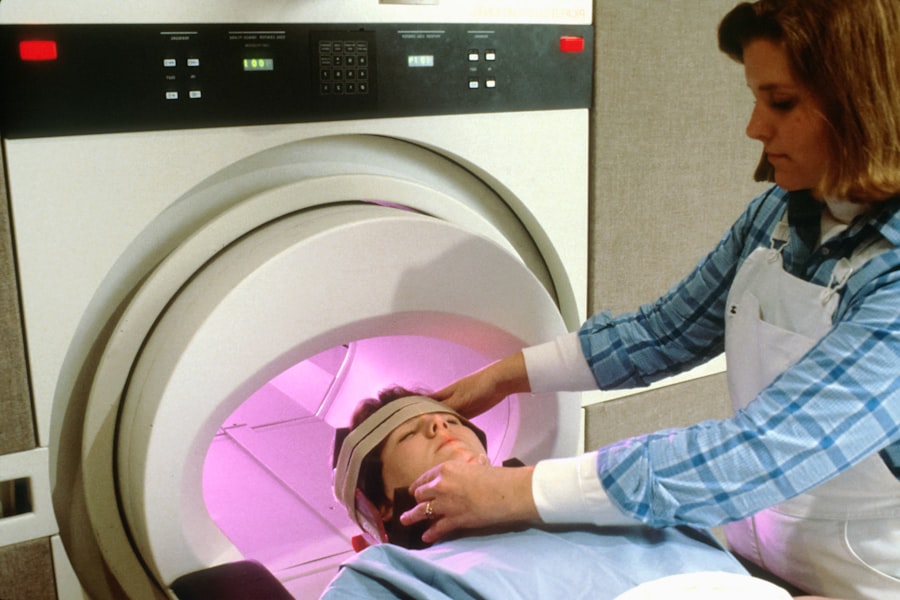
Diagnosing a glomus tumor involves a comprehensive clinical evaluation, including a detailed medical history and physical examination. Physicians often rely on the characteristic symptoms reported by patients, particularly the classic triad of pain, tenderness, and cold sensitivity. Imaging studies such as ultrasound or magnetic resonance imaging (MRI) may be utilized to assess the tumor’s size and location, as well as to rule out other potential conditions. Histopathological examination remains the gold standard for definitive diagnosis. A biopsy of the tumor can reveal the characteristic histological features associated with glomus tumors, including a proliferation of glomus cells and a prominent vascular component.
Immunohistochemical staining can further aid in confirming the diagnosis by demonstrating specific markers associated with glomus tumors.
Types of Glomus Tumor
| Type of Glomus Tumor | Description |
|---|---|
| Solid Glomus Tumor | A well-circumscribed, non-encapsulated tumor composed of uniform, round to polygonal cells with a centrally placed round nucleus and eosinophilic cytoplasm. |
| Glomangioma | A variant of glomus tumor characterized by the presence of dilated vascular spaces. |
| Glomangiomyoma | A rare variant of glomus tumor that contains smooth muscle cells in addition to the typical glomus cells and vascular structures. |
Glomus tumors can be categorized into several types based on their histological characteristics and clinical presentation. The most common type is the solitary glomus tumor, which typically presents as a single lesion. These tumors are often well-circumscribed and encapsulated, making them amenable to surgical excision.
Multiple glomus tumors represent another category, which may occur in patients with genetic predispositions such as familial multiple glomus tumor syndrome. These tumors can manifest as numerous lesions throughout the body and may require a more extensive treatment approach. Additionally, glomus tumors can be classified based on their anatomical location.
Subungual glomus tumors are found beneath the nails and are particularly notorious for causing pain and discomfort. Extraungual glomus tumors occur in other soft tissue areas and may present with different clinical features depending on their location.
Causes of Glomus Tumor
The exact etiology of glomus tumors remains largely unknown; however, several factors have been proposed to contribute to their development. Genetic mutations may play a role in some cases, particularly in individuals with familial multiple glomus tumor syndrome. These mutations can affect the normal function of vascular smooth muscle cells, leading to abnormal proliferation and tumor formation.
Environmental factors such as trauma or repetitive stress to the affected area have also been suggested as potential triggers for glomus tumor development. In some instances, patients report a history of injury or irritation preceding the onset of symptoms. However, further research is needed to elucidate the precise mechanisms underlying the formation of these tumors.
Risk Factors for Glomus Tumor
While glomus tumors can occur in individuals of any age or gender, certain risk factors may increase susceptibility to their development. The majority of cases are reported in young adults, particularly those between the ages of 20 and 50 years. Women are more frequently affected than men, suggesting a potential hormonal influence on tumor formation.
Individuals with a family history of glomus tumors or related syndromes may also be at an increased risk. Genetic predispositions can lead to multiple lesions and necessitate careful monitoring for new tumor development. Additionally, occupations or activities that involve repetitive trauma to the fingers or toes may contribute to an elevated risk of developing solitary glomus tumors.
Treatment Options for Glomus Tumor
The primary treatment for glomus tumors is surgical excision, which is often curative. Complete removal of the tumor typically alleviates symptoms and prevents recurrence.
Non-surgical approaches such as cryotherapy or sclerotherapy have been explored for managing glomus tumors. Cryotherapy involves freezing the tumor tissue using liquid nitrogen, while sclerotherapy entails injecting a sclerosing agent to induce fibrosis and shrinkage of the tumor. However, these methods may not be as effective as surgical excision and are generally reserved for specific cases.
Surgical Removal of Glomus Tumor
Surgical removal of a glomus tumor is typically performed under local anesthesia and involves excising the tumor along with a margin of surrounding healthy tissue to ensure complete resection. The procedure is usually straightforward; however, careful dissection is required to avoid damaging adjacent structures such as nerves and blood vessels. Postoperative care is essential for optimal recovery.
Patients are advised to keep the surgical site clean and dry while monitoring for signs of infection or complications. Pain management strategies may include analgesics or anti-inflammatory medications to alleviate discomfort during the healing process.
Non-Surgical Treatment for Glomus Tumor
While surgical excision remains the gold standard for treating glomus tumors, non-surgical options may be considered in select cases where surgery poses significant risks or when patients prefer alternative approaches. Cryotherapy has shown promise in reducing tumor size by inducing localized tissue necrosis through freezing techniques. Sclerotherapy is another non-invasive option that involves injecting a sclerosing agent into the tumor to promote fibrosis and shrinkage.
Although these methods may provide symptomatic relief, they are generally less effective than surgical excision and may not guarantee complete resolution of symptoms.
Prognosis for Glomus Tumor
The prognosis for individuals diagnosed with glomus tumors is generally favorable following appropriate treatment. Surgical excision has a high success rate, with most patients experiencing complete resolution of symptoms and minimal risk of recurrence. Long-term follow-up is recommended to monitor for any new lesions or complications.
In cases where multiple glomus tumors are present due to genetic syndromes, ongoing surveillance may be necessary to manage potential complications associated with these conditions. Overall, early diagnosis and intervention contribute significantly to positive outcomes for patients with glomus tumors.
Complications of Glomus Tumor
While glomus tumors are benign lesions with a low risk of malignant transformation, complications can arise if left untreated or inadequately managed. Persistent pain and functional impairment may significantly impact an individual’s quality of life, particularly if the tumor is located in an area subject to frequent use or pressure. In rare instances, complications such as infection or delayed wound healing may occur following surgical excision.
Additionally, patients with multiple glomus tumors may face challenges related to ongoing surveillance and management of new lesions over time. In summary, glomus tumors are benign neoplasms that arise from specialized vascular structures within the body. Characterized by significant pain and tenderness, these tumors require careful diagnosis and management strategies tailored to individual patient needs.
With appropriate intervention, patients can expect favorable outcomes and improved quality of life following treatment for glomus tumors.
If you or a loved one has been diagnosed with a glomus tumor, it’s important to educate yourself on the condition and treatment options. One related article that may be helpful is Amazon Influencer Program: Tips for Maximizing Your Earnings in 2025. While this article may not directly relate to glomus tumors, it highlights the importance of staying informed and proactive in managing health issues. Remember to consult with a healthcare professional for personalized advice and treatment recommendations.
FAQs
What is a glomus tumor?
A glomus tumor is a rare, benign tumor that usually develops in the extremities, particularly in the fingers and toes. It originates from the glomus body, which is a specialized structure involved in temperature regulation.
What are the symptoms of a glomus tumor?
Symptoms of a glomus tumor may include severe pain, sensitivity to cold, and tenderness in the affected area. The tumor may also cause a bluish discoloration of the skin.
How is a glomus tumor diagnosed?
A glomus tumor is typically diagnosed through a physical examination, imaging tests such as MRI or ultrasound, and sometimes a biopsy to confirm the diagnosis.
What are the treatment options for a glomus tumor?
Treatment options for a glomus tumor may include surgical removal of the tumor, minimally invasive procedures such as sclerotherapy, or in some cases, radiation therapy.
Are glomus tumors cancerous?
Glomus tumors are typically benign, meaning they are not cancerous. However, they can cause significant discomfort and may require treatment.
Can glomus tumors recur after treatment?
In some cases, glomus tumors can recur after treatment. Regular follow-up with a healthcare provider is important to monitor for any signs of recurrence.