Now Reading: The Role of Merkel Cell in Skin Health
-
01
The Role of Merkel Cell in Skin Health
The Role of Merkel Cell in Skin Health

Merkel cells are specialized neuroendocrine cells located in the epidermis, primarily within the basal layer of the skin. First identified by the German anatomist Friedrich Merkel in 1875, these cells play a crucial role in the sensory system, particularly in the perception of touch. Their unique characteristics and functions have garnered significant interest in dermatological and neurological research.
Understanding Merkel cells is essential for comprehending various skin-related conditions, including their involvement in skin cancer and their interaction with the immune system. The significance of Merkel cells extends beyond mere touch sensation; they are integral to maintaining skin health and homeostasis. As researchers delve deeper into the complexities of these cells, they uncover their multifaceted roles in skin physiology and pathology.
This article aims to explore the structure, function, and clinical implications of Merkel cells, shedding light on their importance in both health and disease.
Key Takeaways
- Merkel cells are specialized skin cells that play a crucial role in touch sensation and skin health.
- These cells are located in the epidermis and are connected to nerve endings, allowing them to transmit signals related to touch perception.
- Merkel cells are important for skin sensation and play a role in touch perception, contributing to the overall sensory experience.
- Research suggests that Merkel cells may be involved in the development of skin cancer, and understanding their role could lead to new treatment approaches.
- The study of Merkel cells has the potential to lead to new therapies targeting skin regeneration and sensory perception, with implications for skin health and overall well-being.
Structure and Function of Merkel Cells
Merkel cells are characterized by their distinctive morphology, which includes a round shape and a high nucleus-to-cytoplasm ratio. These cells are typically found in close association with sensory nerve endings, forming specialized structures known as Merkel cell-neurite complexes. This anatomical arrangement facilitates the transduction of mechanical stimuli into electrical signals, which are then relayed to the central nervous system.
Functionally, Merkel cells are involved in mechanotransduction, a process that converts mechanical stimuli into electrochemical signals. They contain dense-core granules filled with neuropeptides, such as calcitonin gene-related peptide (CGRP) and substance P, which play a role in modulating sensory responses. Additionally, Merkel cells express various receptors, including Piezo2, which is crucial for detecting light touch and pressure.
Importance of Merkel Cells in Skin Sensation

The role of Merkel cells in skin sensation cannot be overstated. They are essential for the detection of fine tactile stimuli, allowing individuals to perceive textures, shapes, and vibrations. This sensory input is vital for various daily activities, from grasping objects to navigating complex environments.
The presence of Merkel cells enhances the sensitivity of the skin, making it one of the most responsive organs in the human body. Moreover, Merkel cells contribute to the overall sensory network of the skin by interacting with other cell types, such as keratinocytes and sensory neurons.
The loss or dysfunction of Merkel cells can lead to impaired tactile sensation, highlighting their significance in maintaining sensory integrity.
Role of Merkel Cells in Touch Perception
| Study | Findings |
|---|---|
| Study 1 | Identified the role of Merkel cells in touch perception |
| Study 2 | Found that Merkel cells are essential for the detection of light touch |
| Study 3 | Discovered the connection between Merkel cells and sensory nerves in touch sensation |
Touch perception is a complex process that involves multiple layers of sensory input and processing. Merkel cells play a pivotal role in this phenomenon by acting as mechanoreceptors that respond to light touch. When pressure is applied to the skin, Merkel cells undergo deformation, leading to the release of neurotransmitters that activate adjacent sensory neurons.
This cascade of events results in the transmission of touch signals to the brain. Research has shown that Merkel cells are particularly sensitive to low-frequency vibrations and sustained pressure, making them essential for detecting textures and shapes. Their unique ability to adapt to continuous stimuli allows for prolonged touch perception without desensitization.
This characteristic is crucial for tasks requiring fine motor skills, such as writing or playing musical instruments.
Merkel Cells and Skin Health
Maintaining healthy Merkel cells is vital for overall skin health. These cells contribute not only to sensory perception but also to the skin’s barrier function and immune response. They interact with keratinocytes to promote skin regeneration and repair, ensuring that the epidermis remains intact and functional.
Furthermore, Merkel cells release signaling molecules that can influence local immune responses, helping to protect against pathogens. Dysfunction or loss of Merkel cells can lead to various dermatological issues, including impaired wound healing and increased susceptibility to infections. Conditions such as diabetes or autoimmune disorders can adversely affect Merkel cell function, resulting in compromised skin health.
Therefore, understanding the factors that influence Merkel cell viability is essential for developing strategies to enhance skin resilience.
The Relationship Between Merkel Cells and Skin Cancer
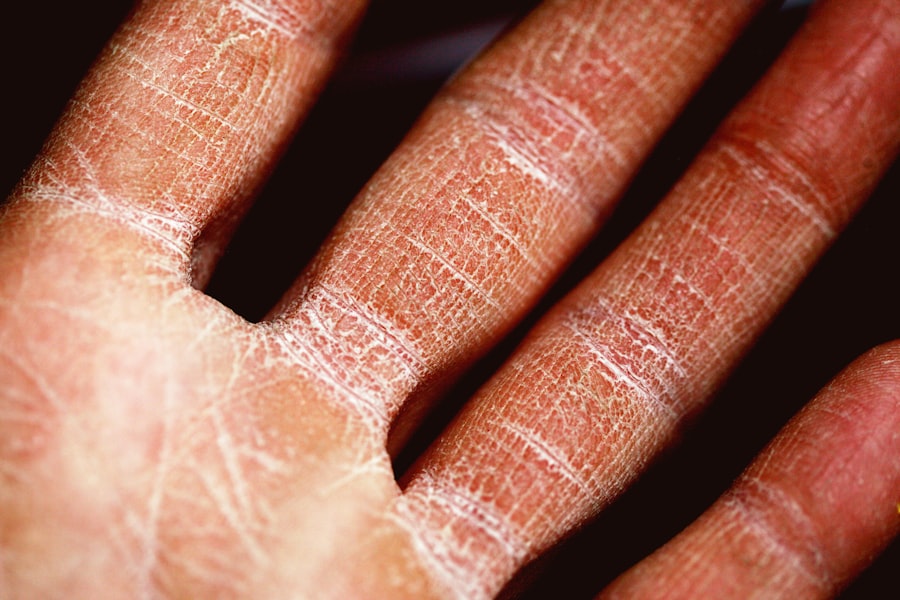
Merkel cell carcinoma (MCC) is a rare but aggressive form of skin cancer that arises from Merkel cells. The incidence of MCC has been increasing over recent years, particularly among immunocompromised individuals and older adults. The exact etiology of MCC remains unclear; however, it is associated with infection by the Merkel cell polyomavirus (MCPyV) in many cases.
The relationship between Merkel cells and cancer is complex. While these cells are crucial for normal skin function, their transformation into malignant cells can lead to severe consequences. Early detection and treatment are paramount for improving outcomes in patients diagnosed with MCSurgical excision remains the primary treatment modality; however, adjuvant therapies such as radiation and immunotherapy may also be employed depending on disease stage.
Merkel Cells and the Immune System
Merkel cells are not only involved in sensory functions but also play a role in modulating immune responses within the skin. They express various immune-related molecules and can interact with immune cells such as T lymphocytes and dendritic cells. This interaction helps coordinate local immune responses against pathogens while maintaining tolerance to harmless antigens.
The presence of Merkel cells within the epidermis contributes to the skin’s innate immunity by acting as sentinels that detect environmental threats. When activated, these cells can release cytokines and chemokines that recruit immune cells to sites of injury or infection. This dual role as both sensory receptors and immune modulators highlights the importance of Merkel cells in maintaining skin homeostasis.
The Impact of Aging on Merkel Cell Function
Aging significantly impacts the function and viability of Merkel cells. As individuals age, there is a decline in the number and functionality of these cells, leading to decreased tactile sensitivity and impaired touch perception. This decline can affect overall quality of life, as older adults may struggle with daily activities requiring fine motor skills.
Additionally, age-related changes in skin structure can influence Merkel cell function. The thinning of the epidermis and alterations in extracellular matrix components may disrupt the delicate balance between Merkel cells and surrounding tissues. Understanding these age-related changes is crucial for developing interventions aimed at preserving sensory function in older populations.
Merkel Cells and Skin Regeneration
Skin regeneration is a complex process involving multiple cell types working in concert to repair damaged tissue. Merkel cells play a supportive role in this process by releasing growth factors and cytokines that promote keratinocyte proliferation and migration during wound healing. Their presence is essential for restoring normal skin architecture following injury.
Research has shown that enhancing Merkel cell function may improve regenerative outcomes in various dermatological conditions. For instance, therapies aimed at stimulating Merkel cell activity could potentially accelerate wound healing or improve recovery from surgical procedures. Investigating the mechanisms underlying Merkel cell involvement in skin regeneration may lead to novel therapeutic strategies for enhancing tissue repair.
Potential Therapies Targeting Merkel Cells
Given their critical roles in both health and disease, targeting Merkel cells presents an exciting avenue for therapeutic development. Current research is exploring various strategies aimed at enhancing or restoring Merkel cell function. For instance, topical agents that stimulate neuropeptide release from these cells could improve tactile sensitivity in individuals with sensory deficits.
Additionally, immunotherapy approaches targeting MCC are being investigated to enhance anti-tumor responses while preserving normal Merkel cell function. By understanding the molecular pathways involved in Merkel cell biology, researchers hope to develop targeted therapies that can mitigate disease while promoting overall skin health.
The Future of Merkel Cell Research
The study of Merkel cells represents a rapidly evolving field with significant implications for dermatology and immunology. As researchers continue to unravel the complexities surrounding these unique cells, new insights into their roles in skin sensation, health, and disease will emerge. Future research will likely focus on elucidating the molecular mechanisms governing Merkel cell function and exploring innovative therapeutic strategies aimed at enhancing their roles in both normal physiology and pathological conditions.
In summary, Merkel cells are integral components of the skin’s sensory system, contributing significantly to touch perception and overall skin health. Their involvement in various physiological processes underscores their importance beyond mere mechanoreception. As our understanding deepens, it opens new avenues for addressing challenges related to aging, cancer, and skin regeneration—ultimately paving the way for improved therapeutic interventions targeting these remarkable cells.
Merkel cell carcinoma is a rare and aggressive type of skin cancer that often appears as a flesh-colored or red nodule on the skin. For more information on skin cancer prevention and treatment, check out this article on honoring our veterans and the significance of Veterans Day as a federal holiday. It is important to stay informed about skin cancer risks and symptoms to protect your health and well-being.
FAQs
What is a Merkel cell?
Merkel cells are a type of skin cell found in the outer layer of the skin (epidermis). They are responsible for the sense of gentle touch and are part of the body’s sensory system.
What is the function of Merkel cells?
Merkel cells are involved in the perception of light touch and are important for the sensation of texture and shape. They form connections with nerve endings and play a role in transmitting sensory information to the brain.
What is the significance of Merkel cells in the body?
Merkel cells are essential for the sense of touch and contribute to the body’s ability to perceive and respond to the environment. They are particularly important in the fingertips, lips, and other areas with high tactile sensitivity.
What are the conditions associated with Merkel cells?
Merkel cell carcinoma is a rare and aggressive type of skin cancer that arises from Merkel cells. It typically appears as a painless, firm, and rapidly growing nodule on the skin and requires prompt medical attention.
How are Merkel cells studied and researched?
Scientists study Merkel cells to better understand their role in touch sensation and to explore potential treatments for Merkel cell carcinoma. Research involves investigating the molecular and cellular mechanisms underlying Merkel cell function and cancer development.