Now Reading: Squamous Cells in Urine: What You Need to Know
-
01
Squamous Cells in Urine: What You Need to Know
Squamous Cells in Urine: What You Need to Know
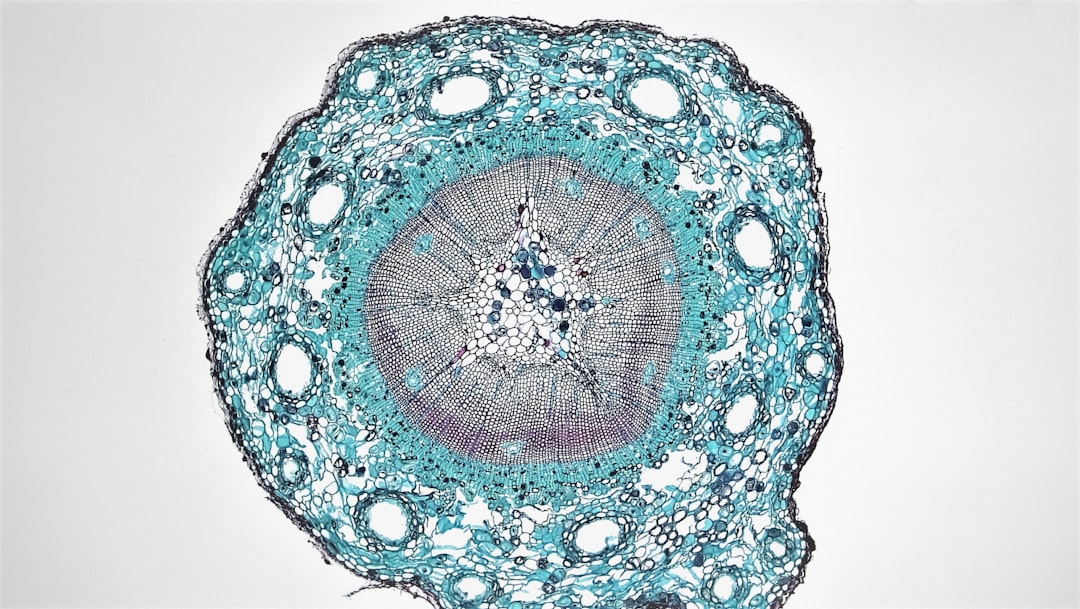
Squamous cells are flat, scale-like epithelial cells that form the outermost layer of the skin and line various organs and cavities within the body. These cells play a crucial role in protecting underlying tissues from environmental damage, pathogens, and dehydration. In the urinary system, squamous cells are primarily found in the urethra and bladder, where they contribute to the mucosal lining.
Their presence in urine can be indicative of various physiological and pathological conditions. The primary function of squamous cells is to provide a barrier against external irritants and pathogens. They are characterized by their thin, flat morphology, which allows for efficient exchange of gases and nutrients.
In the context of urine analysis, the detection of squamous cells can serve as a marker for potential abnormalities within the urinary tract. Understanding the normal physiology of these cells is essential for interpreting their presence in urine samples accurately.
Key Takeaways
- Squamous cells are flat, thin cells found in the lining of the urinary tract and are normally shed in urine.
- Normal levels of squamous cells in urine are typically low, and elevated levels may indicate an underlying issue.
- Causes of elevated squamous cells in urine can include urinary tract infections, inflammation, or irritation.
- Symptoms of elevated squamous cells in urine may include pain or burning during urination, frequent urination, or cloudy urine.
- Diagnostic tests for squamous cells in urine may include urinalysis, urine culture, and imaging tests to determine the underlying cause.
Normal Levels of Squamous Cells in Urine
In a healthy individual, squamous cells may be present in urine but typically in low quantities. Normal levels of squamous cells in urine are generally considered to be fewer than 5 cells per high-power field (HPF) during microscopic examination. This low count indicates that the urinary tract is functioning properly without significant irritation or inflammation.
When evaluating urine samples, healthcare professionals often utilize a combination of macroscopic and microscopic analysis. The presence of squamous cells can be influenced by various factors, including hydration status, recent physical activity, and even menstrual cycles in females. Therefore, it is essential to interpret squamous cell counts in conjunction with other urinary parameters to obtain a comprehensive understanding of an individual’s urinary health.
Causes of Elevated Squamous Cells in Urine

Elevated levels of squamous cells in urine can arise from several underlying causes. One common reason is contamination during sample collection, particularly in females, where vaginal secretions may introduce squamous cells into the urine sample. This contamination can lead to misleading results and necessitates careful collection techniques to minimize such occurrences.
In addition to contamination, elevated squamous cell counts may indicate underlying medical conditions. For instance, urinary tract infections (UTIs) can cause inflammation and irritation of the urinary epithelium, leading to increased shedding of squamous cells. Other potential causes include kidney stones, bladder infections, or even malignancies affecting the urinary tract.
Identifying the root cause of elevated squamous cells is crucial for determining appropriate management strategies.
Symptoms of Elevated Squamous Cells in Urine
| Symptom | Description |
|---|---|
| Burning sensation during urination | Feeling of discomfort or pain while urinating |
| Frequent urination | Urinating more often than usual |
| Blood in urine | Presence of blood in the urine |
| Lower back pain | Pain or discomfort in the lower back region |
The presence of elevated squamous cells in urine may not always manifest with overt symptoms; however, when associated with underlying conditions, individuals may experience various clinical signs. Common symptoms linked to elevated squamous cell counts include dysuria (painful urination), increased frequency of urination, urgency, and lower abdominal discomfort. In cases where elevated squamous cells are indicative of a urinary tract infection, additional symptoms may include fever, chills, and flank pain.
It is essential for individuals experiencing these symptoms to seek medical evaluation promptly, as untreated UTIs can lead to more severe complications such as pyelonephritis or sepsis.
Diagnostic Tests for Squamous Cells in Urine
To assess the presence and significance of squamous cells in urine, healthcare providers typically employ a series of diagnostic tests. A urinalysis is often the first step, which includes both macroscopic examination and microscopic evaluation of the urine sample. During microscopic analysis, a trained technician will count the number of squamous cells per high-power field and assess their morphology.
In addition to urinalysis, further diagnostic tests may be warranted based on clinical suspicion. These may include urine culture to identify potential pathogens in cases of suspected infection or imaging studies such as ultrasound or CT scans to evaluate for structural abnormalities within the urinary tract. A thorough diagnostic approach is essential for determining the underlying cause of elevated squamous cell counts and guiding appropriate treatment.
Treatment Options for Elevated Squamous Cells in Urine
The treatment for elevated squamous cells in urine primarily focuses on addressing the underlying cause rather than targeting the squamous cells themselves. If contamination is suspected due to improper sample collection, healthcare providers may recommend a repeat urinalysis with proper collection techniques to ensure accurate results. In cases where elevated squamous cells are associated with urinary tract infections, antibiotic therapy is typically indicated.
Commonly prescribed antibiotics include nitrofurantoin, trimethoprim-sulfamethoxazole, or ciprofloxacin, depending on the specific pathogen identified and its susceptibility profile. It is crucial for patients to complete the full course of antibiotics as prescribed to prevent recurrence and complications. For individuals with elevated squamous cells due to other underlying conditions such as kidney stones or malignancies, treatment will vary accordingly.
Management may involve surgical intervention for stone removal or oncological therapies for cancer treatment.
Prevention of Elevated Squamous Cells in Urine
Preventive measures play a vital role in reducing the risk of elevated squamous cells in urine associated with infections or other pathological conditions. Maintaining proper hydration is essential for promoting urinary health; adequate fluid intake helps dilute urine and flush out potential irritants or pathogens. Practicing good hygiene during urination and after sexual activity can also minimize the risk of urinary tract infections.
Women should be particularly cautious about wiping from front to back after using the restroom to prevent bacterial contamination from the anal region. Additionally, wearing breathable cotton underwear and avoiding irritants such as douches or scented products can help maintain a healthy urinary environment.
Complications of Elevated Squamous Cells in Urine
While elevated squamous cells in urine may not pose an immediate threat, they can indicate underlying conditions that may lead to complications if left untreated. For instance, persistent urinary tract infections can result in kidney damage or recurrent infections that significantly impact an individual’s quality of life. In cases where elevated squamous cell counts are associated with malignancies, delayed diagnosis and treatment can lead to disease progression and metastasis.
Therefore, it is crucial for individuals with elevated squamous cells to undergo thorough evaluation and appropriate management to mitigate potential complications.
When to See a Doctor
Individuals should seek medical attention if they experience symptoms suggestive of urinary tract issues or if routine urinalysis reveals elevated squamous cell counts. Symptoms such as persistent dysuria, hematuria (blood in urine), fever, or flank pain warrant prompt evaluation by a healthcare professional. Additionally, individuals with a history of recurrent urinary tract infections or those at higher risk for urinary malignancies should have regular follow-ups with their healthcare provider to monitor their urinary health proactively.
Lifestyle Changes for Managing Squamous Cells in Urine
Incorporating lifestyle changes can significantly impact urinary health and help manage elevated squamous cell counts effectively. Regular physical activity promotes overall health and can enhance immune function, reducing susceptibility to infections. Dietary modifications also play a crucial role; consuming a balanced diet rich in fruits and vegetables can support immune health while maintaining adequate hydration through water intake helps dilute urine and flush out toxins.
Limiting caffeine and alcohol consumption may also reduce irritation within the urinary tract.
Outlook for Individuals with Elevated Squamous Cells in Urine
The outlook for individuals with elevated squamous cells in urine largely depends on the underlying cause and timely intervention. In cases where elevated counts result from contamination or transient irritations, prognosis is generally favorable with appropriate management. However, if elevated squamous cells are indicative of more serious conditions such as chronic infections or malignancies, early diagnosis and treatment are critical for improving outcomes.
Regular monitoring and adherence to preventive measures can significantly enhance an individual’s urinary health and overall well-being. In summary, understanding squamous cells’ role within the urinary system is essential for interpreting their presence in urine samples accurately.
By adopting preventive measures and making lifestyle changes, individuals can effectively manage their urinary health and reduce the risk of complications associated with elevated squamous cells in urine.
Squamous cells in urine can be an indication of various health conditions, and it is important to understand their significance. For more information on this topic, you can check out this comprehensive guide to joining the Amazon affiliate program in 2025. This article provides detailed information on how to become an affiliate with Amazon and can help you navigate the process effectively. Understanding squamous cells in urine and how they relate to health can be crucial for maintaining overall well-being.
FAQs
What are squamous cells in urine?
Squamous cells are a type of epithelial cell that can be found in the lining of the urinary tract. When these cells are shed into the urine, they can be detected during a urinalysis.
What causes squamous cells to be present in urine?
Squamous cells in urine can be caused by a variety of factors, including normal shedding of cells from the urinary tract, inflammation, infection, or contamination of the urine sample with cells from the skin or vaginal area.
Are squamous cells in urine a cause for concern?
In most cases, the presence of squamous cells in urine is not a cause for concern. However, if there are a large number of squamous cells present, it may indicate a problem with the sample collection or a potential issue with the urinary tract that should be further evaluated by a healthcare professional.
How are squamous cells in urine detected?
Squamous cells in urine are typically detected through a urinalysis, which is a laboratory test that examines the physical, chemical, and microscopic properties of urine. The presence of squamous cells can be observed under a microscope.
Can squamous cells in urine indicate a urinary tract infection?
While the presence of squamous cells in urine can be associated with a urinary tract infection, it is not a definitive indicator. Other factors, such as the presence of white blood cells and bacteria, are also considered when diagnosing a urinary tract infection.