Now Reading: November 11 Holiday: Honoring Veterans
-
01
November 11 Holiday: Honoring Veterans
November 11 Holiday: Honoring Veterans

Veterans Day, observed annually on November 11, has a rich history that dates back to the end of World War
Originally known as Armistice Day, it marked the cessation of hostilities on the Western Front, which occurred at the 11th hour of the 11th day of the 11th month in 1918. This day was initially established to honor the brave soldiers who fought in World War I, a conflict that claimed millions of lives and reshaped the global landscape. In 1954, after World War II and the Korean War had further expanded the scope of military service, President Dwight D.
Eisenhower signed legislation that officially changed Armistice Day to Veterans Day, broadening its significance to honor all American veterans who have served in the military.
The transition from Armistice Day to Veterans Day was not merely a change in name; it represented a shift in societal recognition of the sacrifices made by veterans across various conflicts. The new designation aimed to celebrate the valor and dedication of all service members, regardless of the war or peacetime service.
This historical context underscores the importance of remembering not just the battles fought but also the enduring legacy of those who served.
Ways to Honor Veterans on November 11
Honoring veterans on November 11 can take many forms, each reflecting a deep appreciation for their sacrifices and contributions. One of the most impactful ways to show gratitude is by participating in local ceremonies and parades dedicated to veterans. Many communities organize events that include speeches from local leaders, performances by school bands, and moments of silence to remember those who have fallen.
Attending these events not only demonstrates support for veterans but also fosters a sense of community and shared respect for those who have served. In addition to public ceremonies, individuals can honor veterans through personal acts of kindness and recognition. Writing letters or cards expressing gratitude can be a meaningful gesture, especially for veterans in nursing homes or hospitals.
Many organizations facilitate programs that connect civilians with veterans, allowing for personal interactions that can uplift and encourage those who have served. Volunteering time at veteran organizations or donating to charities that support veterans and their families are also excellent ways to contribute positively to their lives. These actions not only honor veterans but also help bridge the gap between military and civilian communities.
Veterans Day Traditions and Ceremonies
| Tradition/Ceremony | Description |
|---|---|
| Parades | Communities often hold parades to honor veterans, with marching bands, military vehicles, and veterans groups participating. |
| Flag Ceremonies | Many events include flag-raising and flag-lowering ceremonies, often accompanied by the playing of “Taps”. |
| Memorial Services | Communities may hold memorial services at local cemeteries or memorials to honor and remember veterans who have passed away. |
| Speeches and Presentations | Public officials, veterans, and community leaders often give speeches and presentations to express gratitude and honor veterans. |
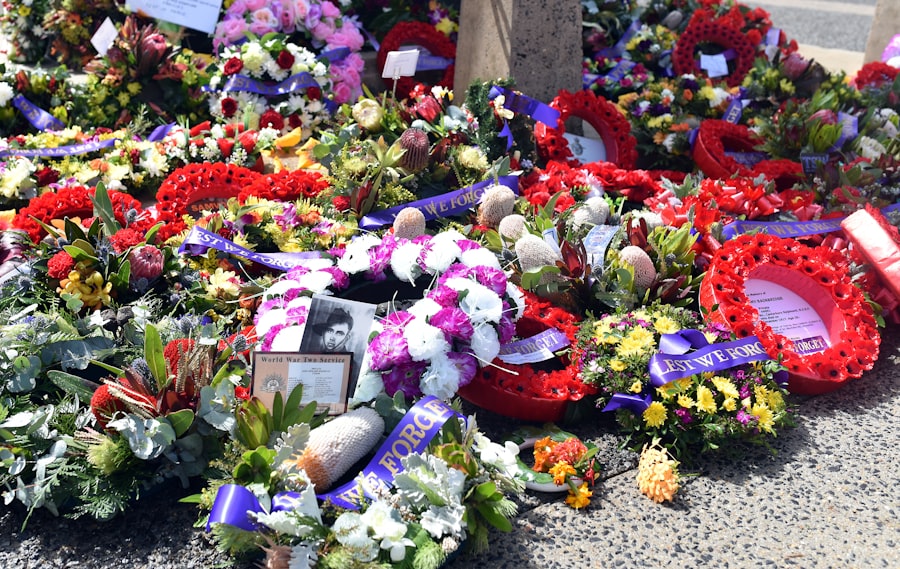
Veterans Day is steeped in traditions and ceremonies that reflect the solemnity and respect owed to those who have served in the armed forces. One of the most recognized traditions is the laying of wreaths at memorials and cemeteries across the nation. This act serves as a poignant reminder of the sacrifices made by countless individuals and is often accompanied by moments of silence or prayer.
The National Cemetery Administration plays a significant role in organizing these ceremonies, ensuring that veterans are honored with dignity and reverence. Another cherished tradition is the reading of names of fallen soldiers during memorial services. This practice not only honors those who have lost their lives in service but also provides an opportunity for families and friends to remember their loved ones publicly.
Additionally, many schools incorporate Veterans Day into their curricula, teaching students about the importance of military service and encouraging them to participate in local observances. These educational initiatives help instill a sense of respect for veterans in younger generations, ensuring that their sacrifices are not forgotten.
The Importance of Recognizing and Supporting Veterans
Recognizing and supporting veterans is crucial for several reasons, primarily because it acknowledges their sacrifices and contributions to society. Many veterans return home facing challenges such as physical injuries, mental health issues, and difficulties reintegrating into civilian life. By honoring their service on Veterans Day and throughout the year, society can foster an environment that promotes healing and support for these individuals.
This recognition can take many forms, from public acknowledgment to providing resources that assist veterans in navigating post-service life. Moreover, supporting veterans is essential for building a strong community that values its members’ diverse experiences. When veterans feel appreciated and understood, they are more likely to engage positively with their communities, share their stories, and contribute to local initiatives.
This engagement not only benefits veterans but also enriches society as a whole by fostering understanding and collaboration between those who have served and those who have not. Ultimately, recognizing and supporting veterans is a collective responsibility that strengthens the fabric of our nation.
The Evolution of Veterans Day Celebrations
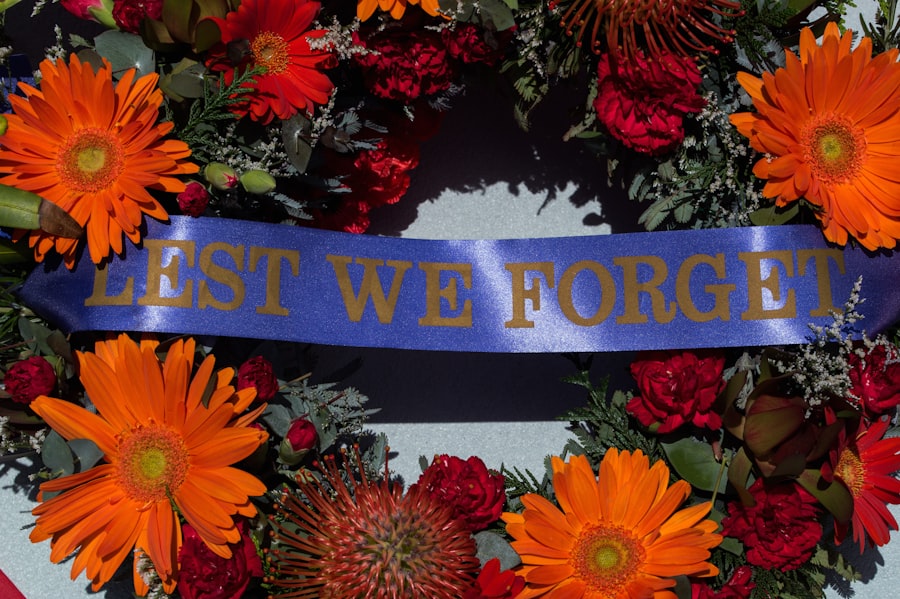
Over the decades, Veterans Day celebrations have evolved significantly, reflecting changes in societal attitudes toward military service and the experiences of veterans themselves.
This evolution has led to a more inclusive understanding of what it means to be a veteran, recognizing that service comes in many forms and affects individuals differently.
In recent years, there has been a growing emphasis on mental health awareness among veterans, leading to new initiatives during Veterans Day celebrations. Events now often include discussions about PTSD (Post-Traumatic Stress Disorder) and other mental health challenges faced by returning service members. Community organizations are increasingly involved in providing resources and support during these celebrations, ensuring that veterans have access to information about available services.
This shift reflects a broader societal understanding of the complexities surrounding military service and highlights the importance of addressing both physical and mental health needs.
Veterans Day Around the World
While Veterans Day is uniquely American in its origins and observance, many countries around the world commemorate their military personnel on similar dates with distinct traditions. For instance, Remembrance Day is observed in Commonwealth nations such as Canada, Australia, and the United Kingdom on November 11 as well. This day honors those who died in military service during both World Wars and subsequent conflicts.
Ceremonies often include moments of silence at 11 a.m., parades, and memorial services at war memorials. In France, Armistice Day is celebrated with great solemnity as well, featuring ceremonies at monuments like the Arc de Triomphe in Paris. The French president lays a wreath at the Tomb of the Unknown Soldier while citizens gather to pay their respects.
Other countries have their own unique observances; for example, Memorial Day in Israel honors fallen soldiers with ceremonies held at military cemeteries across the nation. These global observances highlight a shared commitment to remembering those who have served in armed conflicts while fostering international solidarity among nations.
The Role of Veterans in Society
Veterans play an integral role in society beyond their military service; they often bring unique perspectives and skills that enrich their communities. Many veterans transition into leadership roles within various sectors, including business, education, healthcare, and public service. Their experiences in high-pressure environments often equip them with valuable skills such as teamwork, discipline, and problem-solving abilities that can be beneficial in civilian life.
Moreover, veterans frequently engage in volunteer work or advocacy efforts aimed at improving conditions for fellow service members or addressing social issues within their communities. Their firsthand experiences can provide critical insights into matters such as mental health care access or veteran benefits reform. By actively participating in civic life, veterans contribute significantly to societal progress while fostering understanding between military and civilian populations.
Resources for Veterans and Their Families
Recognizing the challenges faced by veterans and their families is essential for ensuring they receive adequate support during their transition back to civilian life. Numerous resources are available to assist them in navigating this process effectively. The U.S. Department of Veterans Affairs (VA) offers a wide range of services, including healthcare benefits, mental health support, housing assistance, and educational programs tailored specifically for veterans. In addition to government resources, numerous nonprofit organizations focus on providing support for veterans and their families. Organizations like the Wounded Warrior Project offer programs aimed at helping injured veterans reintegrate into society through various initiatives such as career counseling and wellness programs. Local veteran service organizations often provide community-based support networks that can help connect veterans with essential resources while fostering camaraderie among peers. In conclusion, Veterans Day serves as a vital reminder of the sacrifices made by those who have served in the armed forces. Through honoring their contributions on November 11 and throughout the year, society can foster an environment that supports veterans’ reintegration into civilian life while recognizing their invaluable role within our communities. As we reflect on this important day each year, let us commit ourselves to ensuring that our gratitude translates into meaningful action for those who have given so much for our freedom.
On November 11th, many countries around the world observe Remembrance Day to honor the veterans who have served in the armed forces. This holiday is also known as Veterans Day in the United States. To learn more about the history and significance of this important day, check out this article on boogger.com.
FAQs
What is November 11 holiday?
November 11 holiday, also known as Veterans Day in the United States, is a federal holiday observed on November 11th each year. It is a day to honor and thank military veterans for their service and sacrifice.
Why is November 11 holiday celebrated?
November 11 holiday is celebrated to honor and recognize the contributions and sacrifices of military veterans who have served in the United States Armed Forces.
Is November 11 holiday a public holiday?
Yes, November 11 holiday is a public holiday in the United States. Government offices, banks, and many businesses are closed on this day.
How is November 11 holiday celebrated?
November 11 holiday is typically celebrated with ceremonies, parades, and other events to honor and thank veterans for their service. Many communities also hold special events and activities to commemorate the day.
Is November 11 holiday observed in other countries?
In addition to the United States, November 11 is also observed as Remembrance Day in Canada and as Armistice Day in other countries to honor military veterans and commemorate the end of World War I.
What is the history of November 11 holiday?
November 11 holiday was originally known as Armistice Day and was established to commemorate the end of World War I on November 11, 1918. In 1954, the holiday was renamed Veterans Day to honor all military veterans.