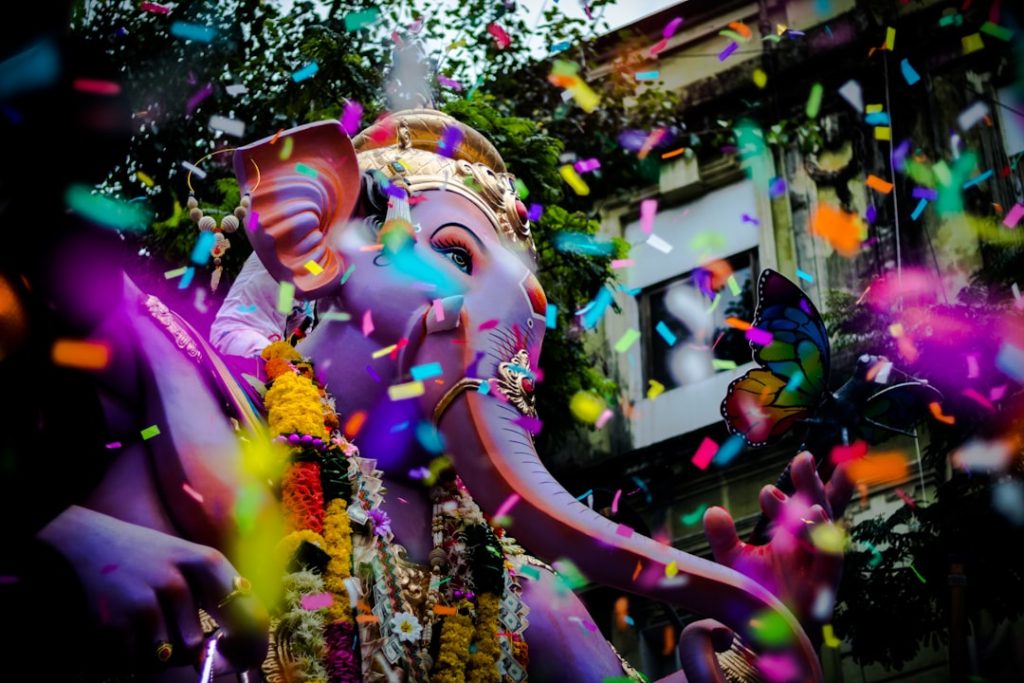
Now Reading: Seasonal Holiday Celebrations: Embracing Tradition and Joy
-
01
Seasonal Holiday Celebrations: Embracing Tradition and Joy
Seasonal Holiday Celebrations: Embracing Tradition and Joy
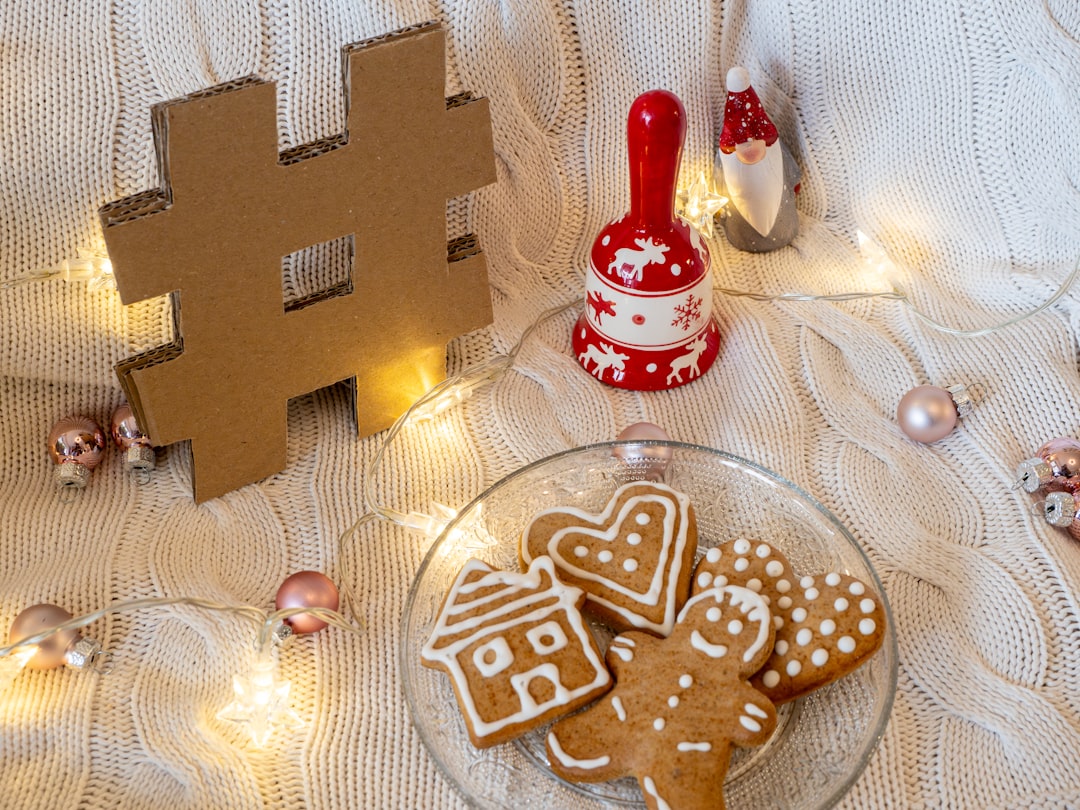
Seasonal holiday celebrations hold a significant place in the fabric of human society, serving as a bridge that connects individuals to their cultural roots and shared histories. These occasions provide a much-needed respite from the daily grind, allowing people to pause, reflect, and engage in communal activities that foster a sense of belonging. Whether it’s the warmth of family gatherings during Thanksgiving, the joy of exchanging gifts during Christmas, or the vibrant festivities of Diwali, these celebrations are more than mere events on a calendar; they are vital expressions of identity and continuity.
They remind us of our shared humanity and the values that bind us together, transcending geographical and cultural boundaries. Moreover, seasonal holidays often serve as a catalyst for personal growth and introspection.
The cyclical nature of these celebrations aligns with the rhythms of nature, reminding us of the importance of renewal and reflection. In a world that often feels chaotic and fast-paced, these moments of celebration provide a sanctuary where individuals can reconnect with themselves and their loved ones. The importance of seasonal holiday celebrations lies not only in their ability to bring joy but also in their power to foster resilience, hope, and a deeper understanding of our place in the world.
Embracing Tradition: The Power of Rituals and Customs
Traditions and rituals are the lifeblood of holiday celebrations, infusing them with meaning and significance. These practices, passed down through generations, create a sense of continuity that helps individuals feel grounded in their cultural heritage. From lighting candles during Hanukkah to decorating a Christmas tree, these rituals serve as tangible expressions of beliefs and values.
They provide a framework within which families and communities can come together, reinforcing bonds and creating shared experiences that are cherished for years to come. The power of rituals lies in their ability to evoke emotions and memories. Engaging in familiar customs can transport individuals back to their childhoods, rekindling feelings of warmth and nostalgia.
For many, the act of preparing traditional dishes or participating in age-old ceremonies is not just about the activity itself but about the connections forged through these shared experiences. As families gather around the dinner table or partake in community festivities, they create a tapestry of memories that enrich their lives and strengthen their relationships. Embracing tradition allows individuals to honor their past while simultaneously shaping their future, ensuring that the essence of these celebrations endures.
Exploring Different Cultural Holiday Celebrations

The world is a mosaic of diverse cultures, each with its unique holiday celebrations that reflect its values, beliefs, and history. Exploring these different cultural festivities offers a fascinating glimpse into the myriad ways people express joy, gratitude, and hope. For instance, the Lunar New Year is celebrated with vibrant parades, dragon dances, and family reunions across various Asian cultures, symbolizing renewal and prosperity.
In contrast, the Day of the Dead in Mexico honors deceased loved ones through colorful altars adorned with photographs, flowers, and favorite foods, emphasizing the importance of remembering those who have passed. Engaging with different cultural holiday celebrations not only broadens our understanding of the world but also fosters empathy and appreciation for diversity. It encourages individuals to step outside their comfort zones and embrace new experiences, whether through participating in local festivities or learning about customs from afar.
This exploration can lead to meaningful connections with people from different backgrounds, enriching our lives with new perspectives and insights. By celebrating the uniqueness of various traditions, we cultivate a sense of global community that transcends borders and unites us in our shared humanity.
Finding Joy in Holiday Festivities
| Activity | Number of Participants | Rating (out of 5) |
|---|---|---|
| Christmas Caroling | 20 | 4.5 |
| Cookie Decorating | 15 | 4.2 |
| Gift Exchange | 25 | 4.7 |
| Holiday Movie Night | 30 | 4.8 |
The joy found in holiday festivities is often palpable, radiating from the laughter of children to the warmth of shared meals. These moments are infused with a sense of magic that can uplift spirits and create lasting happiness.
The festive atmosphere encourages individuals to let go of their worries and immerse themselves in the joy of the moment. Moreover, holiday festivities provide an opportunity for creativity and self-expression. From crafting handmade decorations to preparing elaborate feasts, individuals can channel their energy into activities that bring them joy.
This creative engagement not only enhances the celebratory spirit but also allows for personal reflection and growth. As people come together to celebrate, they share stories, laughter, and love, creating an environment where joy flourishes. In this way, holiday festivities become a powerful reminder of life’s simple pleasures and the importance of cherishing moments spent with loved ones.
Creating Meaningful Memories with Loved Ones
The essence of holiday celebrations lies in the memories created with loved ones. These moments become cherished stories that are recounted for years to come, weaving a rich tapestry of shared experiences that define family traditions. Whether it’s gathering around a table laden with food or participating in community events, these interactions foster deep connections that strengthen relationships.
The laughter shared over a holiday meal or the joy experienced during festive activities become touchstones that individuals carry with them throughout their lives. Creating meaningful memories requires intentionality and presence. In our fast-paced world, it can be easy to get caught up in the hustle and bustle of holiday preparations.
However, taking the time to engage fully with loved ones—putting away distractions and being present—can transform ordinary moments into extraordinary memories. Simple acts like playing games together, sharing stories from the past, or even volunteering as a family can create lasting impressions that resonate long after the holiday season has ended. By prioritizing quality time with loved ones during these celebrations, individuals can cultivate relationships that endure beyond the festivities.
Balancing Modern-Day Celebrations with Traditional Values

As society evolves, so too do holiday celebrations. The influence of technology and globalization has introduced new ways to celebrate that often blend modern practices with traditional values. While this evolution can bring fresh perspectives and innovations to age-old customs, it also poses challenges in maintaining the essence of what these holidays represent.
Striking a balance between embracing contemporary trends and honoring traditional values is essential for preserving the integrity of holiday celebrations. One way to achieve this balance is by integrating modern elements into traditional practices without losing sight of their significance. For instance, families might choose to celebrate Thanksgiving by incorporating new recipes alongside classic dishes or by using social media to share their experiences while still gathering around the table for a heartfelt meal.
This approach allows individuals to honor their heritage while also adapting to changing times. By being mindful of what traditions mean to them personally and collectively, families can create celebrations that resonate with both past and present.
Spreading Holiday Cheer Through Acts of Kindness and Giving
The spirit of the holidays is often characterized by generosity and kindness—a time when people come together to support one another and spread cheer within their communities. Acts of kindness during this season can take many forms, from donating to local charities to volunteering at shelters or simply reaching out to friends and family who may be feeling lonely or isolated. These gestures not only uplift those on the receiving end but also enrich the lives of those who give.
Engaging in acts of kindness during holiday celebrations fosters a sense of connection and purpose. It reminds individuals that they are part of something larger than themselves—a community bound by compassion and empathy. The act of giving can be transformative; it cultivates gratitude and reinforces positive values that extend beyond the holiday season.
By encouraging others to participate in acts of kindness—whether through organized events or spontaneous gestures—individuals can help create a ripple effect that spreads joy far beyond their immediate circles.
While holidays are often associated with joy and celebration, they can also bring about stress and anxiety due to various pressures—financial burdens, family dynamics, or unrealistic expectations can weigh heavily on individuals during this time. Navigating holiday stress requires mindfulness and self-care strategies that prioritize mental well-being amidst the chaos. Recognizing one’s limits and setting realistic goals for celebrations can alleviate some pressure while allowing for a more enjoyable experience.
Finding inner peace during the holidays involves cultivating practices that promote relaxation and reflection. This might include setting aside time for meditation or quiet contemplation amidst busy schedules or engaging in activities that bring joy without added stress—such as taking leisurely walks or enjoying creative hobbies. By prioritizing self-care and embracing a mindset focused on gratitude rather than perfectionism, individuals can navigate holiday stress more effectively.
Ultimately, fostering inner peace allows for a more authentic engagement with holiday celebrations—one that honors both personal well-being and the spirit of togetherness that defines this special time of year.
As we approach the holiday season, many people are starting to plan their celebrations and traditions. One interesting article I came across on boogger.com discusses the history and significance of various seasonal holidays around the world. It delves into the origins of popular traditions such as Christmas, Hanukkah, and Diwali, shedding light on the cultural and religious significance behind these celebrations. It’s fascinating to learn about the diverse ways in which people around the world come together to mark these special occasions.
FAQs
What are seasonal holidays?
Seasonal holidays are special occasions that occur at specific times of the year, such as Christmas, New Year’s, Easter, Halloween, and Thanksgiving. These holidays are often associated with cultural, religious, or traditional significance and are celebrated by people around the world.
Why are seasonal holidays important?
Seasonal holidays provide an opportunity for people to come together, celebrate, and create lasting memories with family and friends. They also often hold cultural and religious significance, serving as a time for reflection, gratitude, and spiritual connection.
How do people celebrate seasonal holidays?
People celebrate seasonal holidays in various ways, including through religious ceremonies, family gatherings, festive meals, gift-giving, decorations, and special activities or events. Different holidays have their own unique customs and traditions.
What are some common traditions associated with seasonal holidays?
Common traditions associated with seasonal holidays include decorating homes with festive lights and ornaments, exchanging gifts, preparing special meals or treats, attending religious services or ceremonies, and participating in community events or parades.
Do all cultures celebrate the same seasonal holidays?
No, different cultures and regions have their own unique set of seasonal holidays. While some holidays, such as Christmas and New Year’s, are widely celebrated across many cultures, others, like Diwali or Hanukkah, are specific to certain religious or cultural groups.
How do seasonal holidays impact the economy?
Seasonal holidays often lead to increased consumer spending on gifts, decorations, food, and travel, which can have a significant impact on the economy. Many businesses rely on seasonal holiday sales to boost their revenue, and the holiday season is a crucial time for retailers and the hospitality industry.