Now Reading: National Holidays Today: Celebrating Unity and Remembrance
-
01
National Holidays Today: Celebrating Unity and Remembrance
National Holidays Today: Celebrating Unity and Remembrance
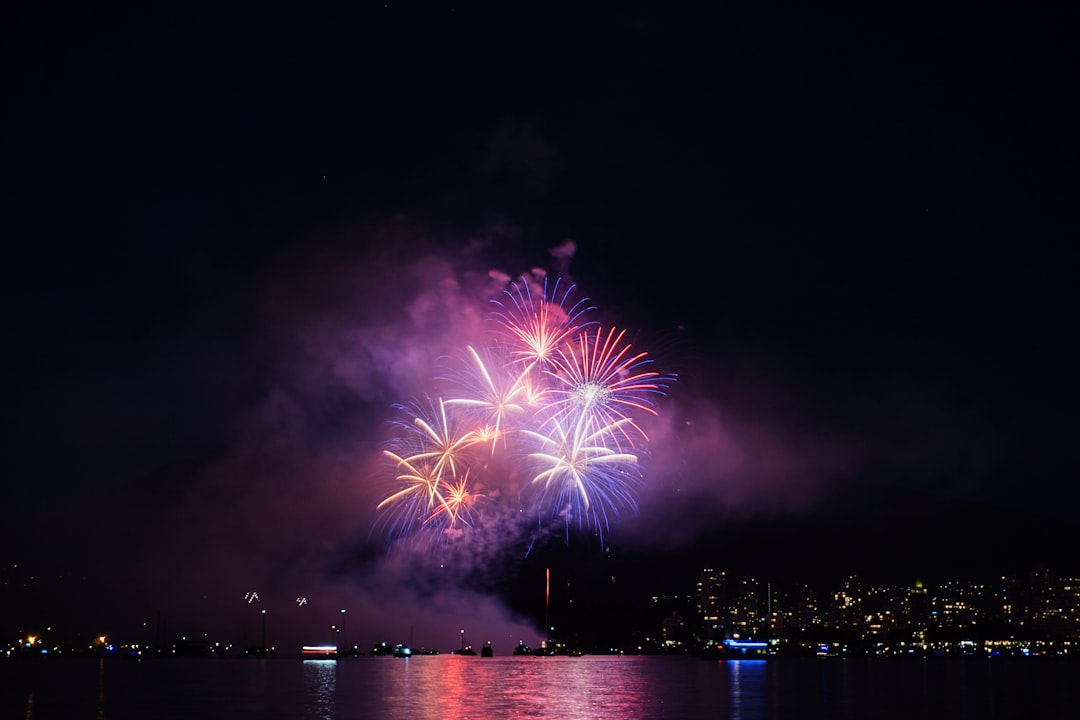
National holidays serve as significant markers in the collective consciousness of a nation. They are days set aside to commemorate important events, figures, or cultural practices that shape a country’s identity. These holidays provide citizens with an opportunity to pause from their daily routines and reflect on the values and history that bind them together.
In many ways, national holidays act as a reminder of shared experiences and collective aspirations, fostering a sense of belonging among individuals who may otherwise feel disconnected in the hustle and bustle of modern life. Moreover, national holidays often serve practical purposes beyond mere celebration. They can stimulate economic activity through tourism, retail sales, and various forms of entertainment.
For instance, during holidays like Independence Day or Thanksgiving, communities often engage in festivities that boost local businesses.
The History of National Holidays
The origins of national holidays can be traced back to ancient civilizations, where specific days were dedicated to honor deities or commemorate significant events. For example, the Roman calendar included numerous festivals that celebrated agricultural cycles and military victories. As societies evolved, so did the nature of these observances.
The establishment of national holidays often coincided with pivotal moments in a nation’s history, such as independence movements or the end of conflicts. These events became etched in the national psyche, leading to the formalization of holidays that would be celebrated for generations. In more recent history, the establishment of national holidays has often been influenced by political changes and social movements.
The recognition of Martin Luther King Jr. Day in the United States, for instance, emerged from the civil rights movement and reflects a broader commitment to equality and justice. Similarly, many countries have adopted holidays that celebrate their unique struggles for independence or social progress.
This historical evolution illustrates how national holidays are not static; they adapt to reflect the changing values and priorities of society.
How National Holidays Promote Unity

National holidays play a crucial role in fostering unity among diverse populations within a country. They provide a common ground where individuals from various backgrounds can come together to celebrate shared values and heritage. During these occasions, people often engage in communal activities such as parades, festivals, and public ceremonies that reinforce a sense of togetherness.
This collective participation helps bridge cultural divides and encourages dialogue among different groups, promoting social cohesion. Furthermore, national holidays can serve as a platform for collective reflection on a nation’s journey. They invite citizens to consider their shared history and the sacrifices made by previous generations.
By honoring these experiences together, individuals can cultivate a deeper appreciation for their country and its diverse narratives. This sense of unity is particularly vital in times of social or political strife, as it reminds citizens of their common goals and aspirations.
National Holidays as a Form of Remembrance
| Holiday | Country | Date |
|---|---|---|
| Memorial Day | United States | Last Monday in May |
| Remembrance Day | United Kingdom | November 11th |
| Anzac Day | Australia, New Zealand | April 25th |
| Armistice Day | France | November 11th |
Many national holidays are rooted in remembrance, serving as poignant reminders of significant events or individuals who have shaped a nation’s identity. Days like Memorial Day in the United States or Remembrance Day in Commonwealth countries are dedicated to honoring those who have sacrificed their lives for their country. These observances encourage citizens to reflect on the cost of freedom and the importance of peace, fostering a culture of gratitude and respect for those who have served.
For instance, International Women’s Day celebrates the achievements and struggles of women throughout history, while Juneteenth marks the emancipation of enslaved African Americans in the United States. These holidays not only acknowledge past injustices but also inspire ongoing efforts toward equality and justice.
By remembering these events collectively, societies can work towards healing and progress.
Different Types of National Holidays
National holidays can be categorized into various types based on their significance and purpose. Some holidays are celebratory in nature, such as Independence Day or National Day, which mark a country’s birth or significant achievements. These occasions are often characterized by festivities, fireworks, and public gatherings that instill a sense of pride among citizens.
Other national holidays may focus on remembrance or reflection, such as Veterans Day or Holocaust Remembrance Day. These observances encourage individuals to honor those who have made sacrifices or suffered injustices throughout history. Additionally, there are cultural holidays that celebrate specific traditions or practices unique to a nation’s heritage, such as Thanksgiving in the United States or Diwali in India.
Each type of holiday contributes to the rich tapestry of a nation’s identity and offers opportunities for citizens to engage with their culture.
Celebrating National Holidays Around the World

Celebrations of national holidays vary widely across different cultures and regions, reflecting the unique histories and traditions of each nation. In the United States, Independence Day is marked by fireworks displays, barbecues, and parades featuring patriotic themes. In contrast, France celebrates Bastille Day with military parades on the Champs-Élysées and fireworks at the Eiffel Tower, symbolizing the spirit of revolution and liberty.
In many countries, national holidays are also occasions for family gatherings and community events. In Mexico, Día de los Muertos (Day of the Dead) is a vibrant celebration that honors deceased loved ones with colorful altars, traditional foods, and lively festivities. Similarly, Chinese New Year is celebrated with family reunions, feasts, and cultural performances that highlight the importance of family ties and cultural heritage.
These diverse celebrations illustrate how national holidays can encapsulate a nation’s values while fostering connections among its people.
The Role of National Holidays in Preserving Culture
National holidays play an essential role in preserving cultural heritage by providing opportunities for individuals to engage with their traditions and customs. Through rituals, ceremonies, and celebrations associated with these holidays, communities can pass down their cultural practices from one generation to the next. This transmission of knowledge helps maintain a sense of identity and continuity within societies that may be influenced by globalization.
Moreover, national holidays often serve as platforms for cultural expression and creativity. Festivals may feature traditional music, dance, art, and cuisine that showcase a nation’s unique heritage. For instance, during Carnival in Brazil, vibrant parades filled with samba music and elaborate costumes celebrate Afro-Brazilian culture while attracting tourists from around the world.
Such events not only preserve cultural practices but also promote intercultural understanding by inviting others to experience and appreciate diverse traditions.
The Future of National Holidays
As societies continue to evolve in an increasingly interconnected world, the future of national holidays may also change significantly. Globalization has led to greater cultural exchange and interaction among nations; thus, some traditional observances may adapt to reflect contemporary values or incorporate elements from other cultures. This evolution could lead to new forms of celebration that resonate with younger generations while still honoring historical significance.
Additionally, there is potential for national holidays to become more inclusive by recognizing diverse narratives within a nation’s history. As societies grapple with issues related to social justice and equity, there may be calls to establish new holidays that acknowledge marginalized voices or commemorate significant movements for change. This shift could foster greater unity by ensuring that all citizens feel represented in their national identity.
In conclusion, national holidays hold immense significance in shaping a nation’s identity and fostering unity among its people. They serve as reminders of shared history while providing opportunities for celebration and reflection. As we look toward the future, it is essential to recognize the evolving nature of these observances and their potential to adapt to changing societal values while preserving cultural heritage for generations to come.
Today is a day to celebrate national holidays, and one interesting article related to this topic can be found on Boogger. This article discusses the history and significance of various national holidays around the world, shedding light on the cultural traditions and customs that are observed on these special days. It is a fascinating read for anyone interested in learning more about how different countries commemorate their national holidays and the reasons behind these celebrations.
FAQs
What are national holidays?
National holidays are days designated by a country to commemorate important events, historical figures, or cultural traditions. These holidays are typically observed by the entire population and often involve special activities, ceremonies, or time off from work or school.
How are national holidays determined?
National holidays are determined by each individual country’s government. They may be based on historical events, religious traditions, or cultural significance. Some national holidays are established by law, while others may be declared by the head of state or government.
What is the purpose of national holidays?
The purpose of national holidays is to celebrate and honor important aspects of a country’s history, culture, and values. They also provide an opportunity for people to come together, reflect on the past, and strengthen national identity and unity.
How do people celebrate national holidays?
People celebrate national holidays in various ways, depending on the holiday and cultural traditions. Celebrations may include parades, fireworks, special religious services, family gatherings, feasts, and other festive activities. Many national holidays also involve displaying national flags and symbols.
Do all countries have the same national holidays?
No, national holidays vary from country to country and are based on each country’s unique history, culture, and traditions. While some holidays, such as New Year’s Day and Christmas, are widely celebrated around the world, each country has its own set of national holidays that are specific to its own heritage and values.