Now Reading: FDA Approves Ozempic for Type 2 Diabetes
-
01
FDA Approves Ozempic for Type 2 Diabetes
FDA Approves Ozempic for Type 2 Diabetes

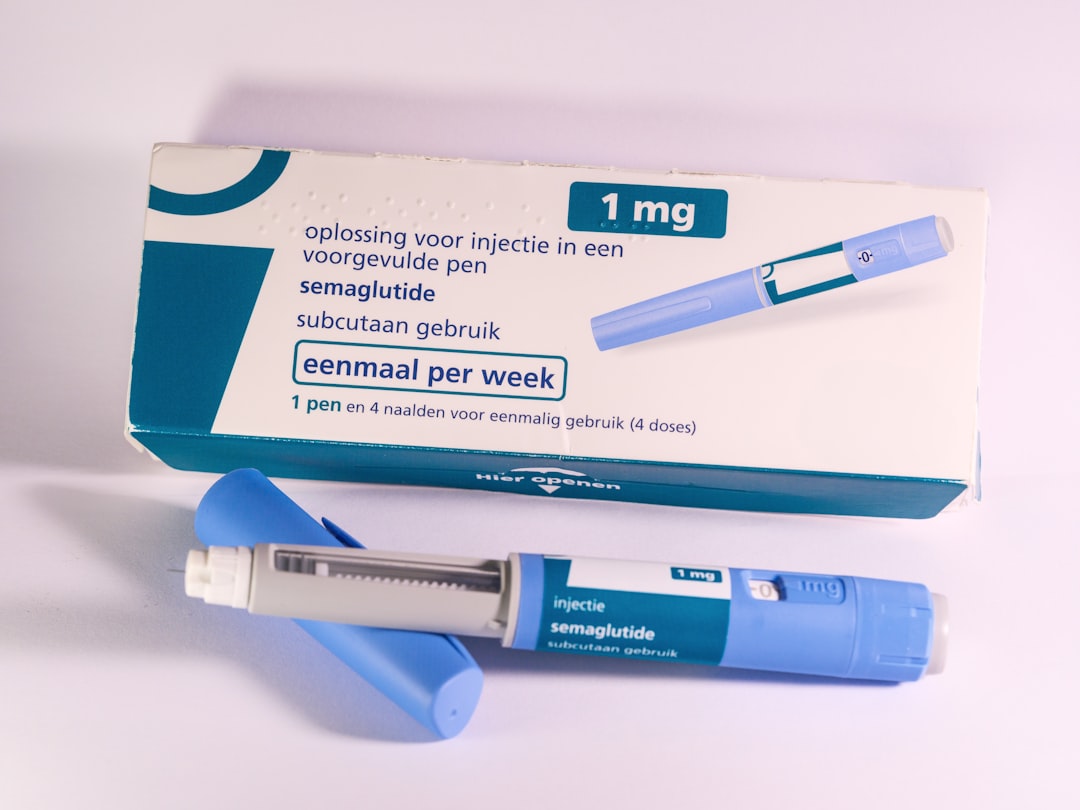
Ozempic, generically known as semaglutide, is a glucagon-like peptide-1 (GLP-1) receptor agonist that has gained significant attention in the management of Type 2 diabetes mellitus. This medication mimics the action of the naturally occurring hormone GLP-1, which plays a crucial role in glucose metabolism. By binding to GLP-1 receptors, Ozempic enhances insulin secretion in response to elevated blood glucose levels, thereby facilitating better glycemic control.
Additionally, it suppresses glucagon release, a hormone that typically raises blood sugar levels, and slows gastric emptying, which contributes to increased satiety and reduced appetite. The pharmacodynamics of Ozempic are noteworthy; it not only aids in lowering blood glucose but also promotes weight loss, making it a dual-action agent for patients struggling with obesity alongside diabetes. The once-weekly subcutaneous injection formulation allows for convenient administration, enhancing patient adherence to treatment regimens.
This innovative approach to diabetes management has positioned Ozempic as a valuable tool in the therapeutic arsenal against Type 2 diabetes.
Key Takeaways
- Ozempic is a medication used to treat Type 2 Diabetes by helping the body regulate blood sugar levels.
- The FDA approval process for Ozempic involved rigorous testing and evaluation to ensure its safety and effectiveness for patients.
- Ozempic offers benefits for Type 2 Diabetes patients, including improved blood sugar control and potential weight loss.
- Potential side effects of Ozempic may include nausea, vomiting, and diarrhea, but these typically subside over time.
- Compared to other Type 2 Diabetes medications, Ozempic has shown to be effective in lowering blood sugar levels and promoting weight loss.
The FDA approval process for Ozempic
The journey of Ozempic through the FDA approval process is a testament to rigorous scientific evaluation and regulatory scrutiny. Initially developed by Novo Nordisk, semaglutide underwent extensive preclinical studies to assess its safety and efficacy. Following promising results, the drug entered Phase 1 clinical trials, where its pharmacokinetics and tolerability were evaluated in healthy volunteers.
Subsequent Phase 2 and Phase 3 trials involved larger populations of individuals with Type 2 diabetes, focusing on its effectiveness in glycemic control and weight management. In December 2017, the FDA granted approval for Ozempic based on robust clinical trial data demonstrating significant improvements in HbA1c levels and weight loss compared to placebo and other diabetes medications. The approval process also included a thorough review of potential risks and benefits, ensuring that Ozempic met the stringent safety standards required for public use.
This comprehensive evaluation underscores the importance of evidence-based medicine in the development of new therapeutic agents.
The benefits of Ozempic for Type 2 Diabetes patients

Ozempic offers numerous advantages for individuals diagnosed with Type 2 diabetes. One of the most significant benefits is its ability to achieve substantial reductions in HbA1c levels, a key marker of long-term glycemic control. Clinical studies have shown that patients using Ozempic can achieve HbA1c reductions of up to 1.5% or more, depending on baseline levels and adherence to therapy. This improvement translates into a lower risk of diabetes-related complications such as neuropathy, nephropathy, and retinopathy.
Moreover, Ozempic’s impact on weight management is particularly beneficial for Type 2 diabetes patients who often struggle with obesity. Clinical trials have reported an average weight loss of approximately 5-10% of body weight among users, which can significantly enhance overall health outcomes. The combination of effective glycemic control and weight reduction not only improves metabolic parameters but also enhances patients’ quality of life by reducing the burden of diabetes-related comorbidities.
Potential side effects of Ozempic
| Side Effect | Frequency |
|---|---|
| Nausea | Common |
| Diarrhea | Common |
| Headache | Common |
| Hypoglycemia | Common |
| Injection site reactions | Common |
| Thyroid tumors | Rare |
While Ozempic is generally well-tolerated, it is essential to be aware of potential side effects associated with its use.
However, healthcare providers should monitor patients closely for these effects, especially during the initial weeks of treatment. More serious but less common side effects include pancreatitis, renal impairment, and allergic reactions. Patients should be educated about the signs and symptoms of pancreatitis, such as severe abdominal pain that may radiate to the back, as this condition necessitates immediate medical attention.
Additionally, there have been reports of thyroid tumors in rodent studies; thus, caution is advised in patients with a personal or family history of medullary thyroid carcinoma or multiple endocrine neoplasia syndrome type 2.
How Ozempic compares to other Type 2 Diabetes medications
When comparing Ozempic to other classes of Type 2 diabetes medications, its unique mechanism of action sets it apart from traditional therapies such as sulfonylureas and metformin. Unlike these agents that primarily focus on increasing insulin sensitivity or stimulating insulin secretion, Ozempic’s multifaceted approach addresses both glycemic control and weight management. In head-to-head clinical trials against other GLP-1 receptor agonists like liraglutide and dulaglutide, Ozempic has demonstrated superior efficacy in lowering HbA1c levels and promoting weight loss.
Furthermore, its once-weekly dosing regimen enhances patient compliance compared to daily injections required by some alternatives. This convenience factor is crucial in chronic disease management, where adherence to therapy significantly impacts long-term outcomes.
Dosage and administration of Ozempic

Ozempic is administered via subcutaneous injection, typically in the abdomen, thigh, or upper arm. The recommended starting dose is 0.25 mg once weekly for the first four weeks to minimize gastrointestinal side effects. After this initial period, the dosage can be increased to 0.5 mg weekly based on individual glycemic response and tolerability.
If further glycemic control is needed after at least four weeks on the 0.5 mg dose, it can be escalated to a maximum dose of 1 mg weekly. Patients should be instructed on proper injection techniques and encouraged to rotate injection sites to reduce the risk of lipodystrophy. It is essential for healthcare providers to emphasize adherence to the prescribed regimen while also considering potential drug interactions with other medications that may affect blood glucose levels.
Clinical trials and research on Ozempic
The clinical development program for Ozempic has been extensive, encompassing several pivotal trials that have established its safety and efficacy profile. The SUSTAIN (Semaglutide Unabated Sustainability in Treatment of Type 2 Diabetes) series of trials involved thousands of participants across diverse demographics and clinical backgrounds. These studies consistently demonstrated significant reductions in HbA1c levels and body weight compared to placebo and active comparators.
Moreover, long-term follow-up studies have provided insights into the durability of Ozempic’s effects on glycemic control and weight loss over time. Research has also explored its cardiovascular safety profile, revealing that Ozempic may reduce the risk of major adverse cardiovascular events in patients with established cardiovascular disease or at high risk for such events.
Cost and availability of Ozempic
The cost of Ozempic can be a significant consideration for patients and healthcare providers alike. As a relatively new medication, it may not be covered by all insurance plans or may require prior authorization. The average wholesale price for a one-month supply can range from $800 to $900; however, many patients may qualify for savings programs offered by Novo Nordisk or other assistance programs designed to alleviate financial burdens.
Availability varies by region and pharmacy; thus, patients should consult their healthcare providers or local pharmacies regarding access options. It is crucial for healthcare professionals to discuss potential costs with patients upfront to ensure they are informed about their treatment choices.
Patient experiences with Ozempic
Patient experiences with Ozempic have generally been positive, particularly regarding its effectiveness in managing blood sugar levels and promoting weight loss. Many individuals report feeling more energetic and experiencing improved overall well-being after starting treatment. The convenience of once-weekly dosing has also been highlighted as a significant advantage over daily medications.
However, some patients have expressed concerns about gastrointestinal side effects during the initial phase of treatment. While these symptoms often resolve over time, they can be distressing for some individuals. Open communication between patients and healthcare providers is essential to address any concerns and optimize treatment outcomes.
Recommendations and guidelines for healthcare professionals prescribing Ozempic
Healthcare professionals should adhere to established guidelines when prescribing Ozempic to ensure safe and effective use. It is recommended that clinicians assess each patient’s individual risk factors, including comorbidities such as cardiovascular disease or renal impairment before initiating therapy. Regular monitoring of HbA1c levels and renal function is essential during treatment.
Additionally, healthcare providers should educate patients about potential side effects and the importance of lifestyle modifications such as diet and exercise in conjunction with medication therapy. Encouraging open dialogue about treatment goals can foster a collaborative approach that enhances patient engagement and adherence.
Future developments and potential uses for Ozempic
The future landscape for Ozempic appears promising as ongoing research continues to explore its potential applications beyond Type 2 diabetes management. Investigations into its efficacy in treating obesity without diabetes are underway, given its favorable impact on weight loss observed in clinical trials. Furthermore, studies are examining the role of semaglutide in cardiovascular health and its potential neuroprotective effects in conditions such as Alzheimer’s disease.
As our understanding of GLP-1 receptor agonists expands, there may be opportunities for novel therapeutic uses that could benefit a broader patient population. In summary, Ozempic represents a significant advancement in the management of Type 2 diabetes through its unique mechanism of action that promotes glycemic control while facilitating weight loss. Its FDA approval followed rigorous clinical evaluation demonstrating safety and efficacy across diverse populations.
While generally well-tolerated, awareness of potential side effects is crucial for optimal patient care. As research continues to evolve, Ozempic may find applications beyond diabetes management, potentially transforming therapeutic approaches in various metabolic disorders.
If you are interested in learning more about federal holidays and how they impact your time off, check out this informative article on Federal Holidays 2024: What to Look Forward To. It provides a comprehensive guide to the holidays you can expect in the upcoming year. Additionally, if you want to know more about the significance of Martin Luther King Jr.’s birthday and how it is celebrated, be sure to read Celebrating MLK’s Birthday: Honoring a Civil Rights Icon. These articles offer valuable insights into important holidays and events that shape our calendar.
FAQs
What is Ozempic?
Ozempic is a prescription medication used to improve blood sugar control in adults with type 2 diabetes.
How does Ozempic work?
Ozempic works by mimicking the effects of a hormone called glucagon-like peptide-1 (GLP-1), which helps regulate blood sugar levels.
Is Ozempic approved by the FDA?
Yes, Ozempic has been approved by the U.S. Food and Drug Administration (FDA) for the treatment of type 2 diabetes.
What are the common side effects of Ozempic?
Common side effects of Ozempic may include nausea, vomiting, diarrhea, and stomach pain. It is important to talk to your doctor about any side effects you may experience.
How is Ozempic administered?
Ozempic is typically administered as a subcutaneous injection once a week. Your healthcare provider will show you how to properly administer the injection.
Can Ozempic be used in combination with other diabetes medications?
Yes, Ozempic can be used in combination with other diabetes medications, but it is important to consult with your healthcare provider to determine the best treatment plan for you.