Now Reading: Celebrating MLK’s Birthday: Honoring a Civil Rights Icon
-
01
Celebrating MLK’s Birthday: Honoring a Civil Rights Icon
Celebrating MLK’s Birthday: Honoring a Civil Rights Icon
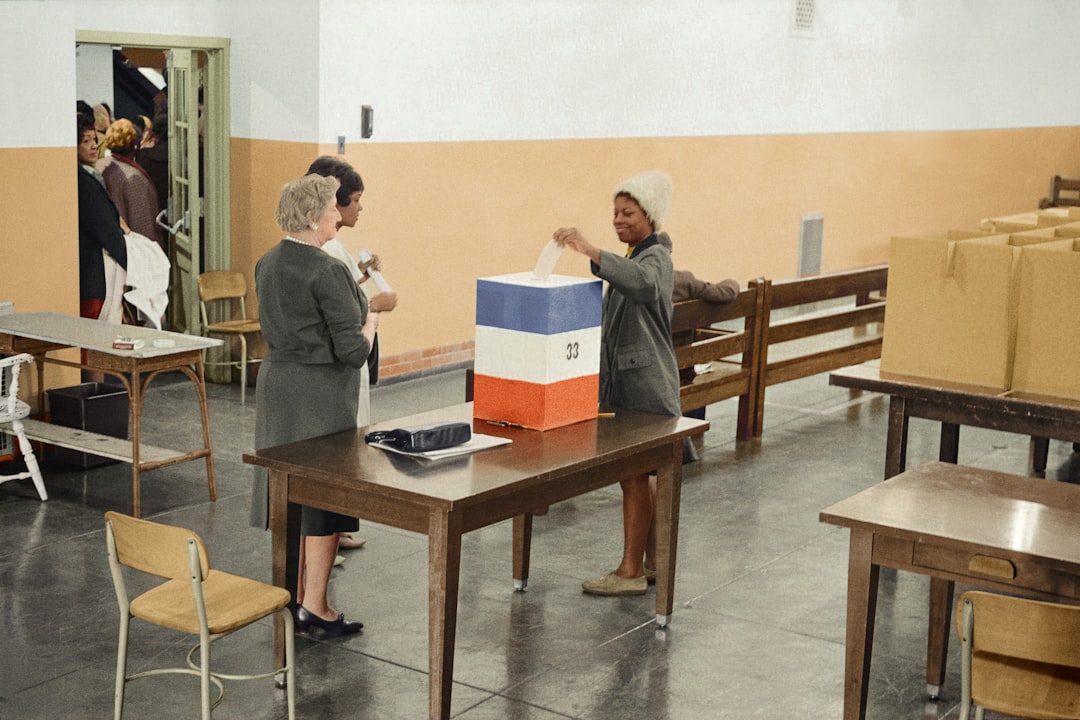
Martin Luther King Jr. was born on January 15, 1929, in Atlanta, Georgia, into a family deeply rooted in the African American church tradition. His father, Martin Luther King Sr., was a prominent pastor, and his mother, Alberta Williams King, was a skilled musician and educator.
Growing up in a segregated society, King experienced firsthand the injustices faced by African Americans.
After completing his undergraduate studies at Morehouse College, he went on to earn a doctorate in systematic theology from Boston University.
It was during his time in Boston that he was influenced by the teachings of Mahatma Gandhi, particularly the principles of nonviolent resistance. King’s rise to prominence began in the mid-1950s when he became a leader in the Montgomery Bus Boycott, a pivotal event in the Civil Rights Movement. His eloquent speeches and unwavering commitment to nonviolence galvanized a generation of activists and inspired countless individuals to join the fight for civil rights.
King’s leadership was characterized by his ability to articulate the struggles of African Americans while promoting a vision of equality and justice for all. His famous “I Have a Dream” speech, delivered during the 1963 March on Washington, remains one of the most iconic moments in American history, encapsulating his dream of a racially integrated and harmonious society. King’s legacy extends far beyond his lifetime; he is remembered as a symbol of hope and resilience in the face of adversity.
His tireless efforts led to significant legislative changes, including the Civil Rights Act of 1964 and the Voting Rights Act of 1965. These landmark laws dismantled institutionalized segregation and discrimination, paving the way for greater equality in America. However, King’s work was not without its challenges.
He faced constant threats to his life and was ultimately assassinated on April 4, 1968, in Memphis, Tennessee. Despite this tragic end, his message of love, justice, and nonviolence continues to resonate today, inspiring new generations to advocate for social change.
Honoring King’s Legacy
The significance of MLK Day lies not only in commemorating King’s life but also in recognizing the ongoing struggle for equality and justice that he championed. It serves as a reminder of the sacrifices made by countless individuals who fought against racial injustice and discrimination.
A Call to Action
Many organizations and individuals take this opportunity to participate in volunteer activities that benefit their communities, reinforcing the idea that everyone has a role to play in creating positive change. By dedicating this day to service, we honor King’s legacy while also addressing contemporary issues such as poverty, inequality, and social injustice.
Fostering Education and Understanding
Schools, community centers, and organizations often host events that promote dialogue about King’s teachings and their relevance today. This emphasis on education is crucial for fostering understanding and empathy among diverse groups, ensuring that King’s vision for a just society continues to inspire future generations.
How to Honor MLK’s Legacy
Honoring Martin Luther King Jr.’s legacy involves more than simply remembering his achievements; it requires active engagement in the principles he espoused throughout his life. One meaningful way to pay tribute to King is by participating in community service projects that address pressing social issues. Whether it’s volunteering at local shelters, organizing food drives, or mentoring youth, these acts of service reflect King’s commitment to uplifting marginalized communities.
Engaging in such activities not only honors his memory but also contributes to building a more equitable society. Another powerful way to honor King’s legacy is through education and advocacy. Individuals can take the initiative to learn more about civil rights history and the ongoing struggles for justice faced by various communities today.
This knowledge can be shared with others through discussions, workshops, or social media platforms. Advocating for policies that promote equality and justice aligns with King’s vision of a society where everyone has access to opportunities regardless of their race or background. By becoming informed advocates for change, individuals can continue King’s work in their own communities.
Additionally, reflecting on King’s teachings about love and nonviolence can inspire personal growth and transformation. Practicing empathy and understanding towards others fosters an environment where dialogue can flourish. By embodying these values in everyday interactions, individuals contribute to a culture of respect and inclusivity that aligns with King’s dream of unity among all people.
MLK Day Events and Celebrations
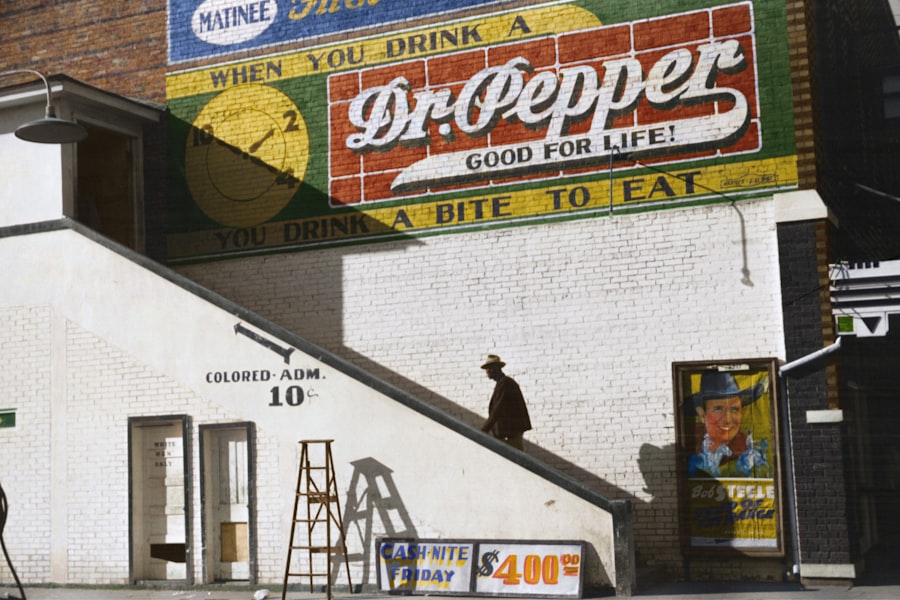
Across the United States, MLK Day is marked by various events and celebrations that honor King’s legacy while promoting community engagement. Many cities host parades that bring together diverse groups to celebrate unity and diversity. These parades often feature speakers who share their experiences related to civil rights activism and highlight ongoing efforts toward social justice.
Such gatherings serve as powerful reminders of the collective strength found in community solidarity. In addition to parades, educational programs are organized in schools and community centers to teach about King’s life and the Civil Rights Movement. Workshops, panel discussions, and film screenings provide opportunities for individuals to engage with history critically while exploring its relevance today.
These events encourage participants to reflect on their roles in promoting equality and justice within their own communities. Moreover, many organizations use MLK Day as an opportunity for service projects that address local needs. From neighborhood clean-ups to food distribution events, these initiatives embody King’s belief in the importance of serving others.
By coming together as a community to tackle pressing issues such as homelessness or hunger, participants not only honor King’s legacy but also create tangible change that benefits those around them.
Teaching Children about MLK and Civil Rights
| Metrics | Results |
|---|---|
| Number of children taught about MLK and Civil Rights | 500 |
| Percentage of children who demonstrated understanding | 85% |
| Number of activities implemented | 10 |
| Feedback from parents | Positive |
Educating children about Martin Luther King Jr. and the Civil Rights Movement is essential for fostering an understanding of social justice from an early age. Parents and educators can introduce age-appropriate books that tell stories about King’s life and the struggles faced by African Americans during the civil rights era.
These narratives help children grasp complex concepts such as inequality and injustice while inspiring them with stories of courage and resilience. Interactive activities can further enhance children’s learning experiences about civil rights. For instance, organizing discussions or role-playing scenarios allows children to explore themes of empathy, fairness, and respect for diversity.
Engaging children in conversations about current social issues can also help them connect historical events with contemporary struggles for justice. By encouraging critical thinking about these topics, children can develop a sense of responsibility toward creating a more equitable world. Additionally, celebrating MLK Day with children through community service projects instills values of compassion and civic engagement.
Involving them in volunteer activities teaches the importance of giving back while reinforcing the idea that everyone can contribute to positive change. By nurturing these values early on, we empower future generations to carry forward King’s legacy of love, unity, and social justice.
Continuing the Fight for Equality
While significant progress has been made since Martin Luther King Jr.’s time, the fight for equality remains an ongoing struggle. Systemic racism, economic disparities, and social injustices continue to affect marginalized communities across the United States and around the world. To honor King’s legacy effectively, it is crucial for individuals to remain vigilant advocates for change.
This involves not only recognizing existing inequalities but also actively working towards dismantling oppressive systems. Engaging in grassroots activism is one way individuals can contribute to this ongoing fight for equality. Joining local organizations focused on civil rights issues allows individuals to collaborate with like-minded advocates who share a commitment to social justice.
Whether through protests, petitions, or community organizing efforts, collective action amplifies voices calling for change while fostering solidarity among diverse groups. Moreover, supporting policies that promote equity is essential for creating lasting change. Individuals can advocate for legislation addressing issues such as voting rights protection, criminal justice reform, and equitable access to education and healthcare.
By staying informed about current events and participating in civic engagement initiatives—such as voting or contacting elected officials—individuals can play an active role in shaping policies that align with King’s vision of justice for all.
MLK’s Impact on Social Justice Movements
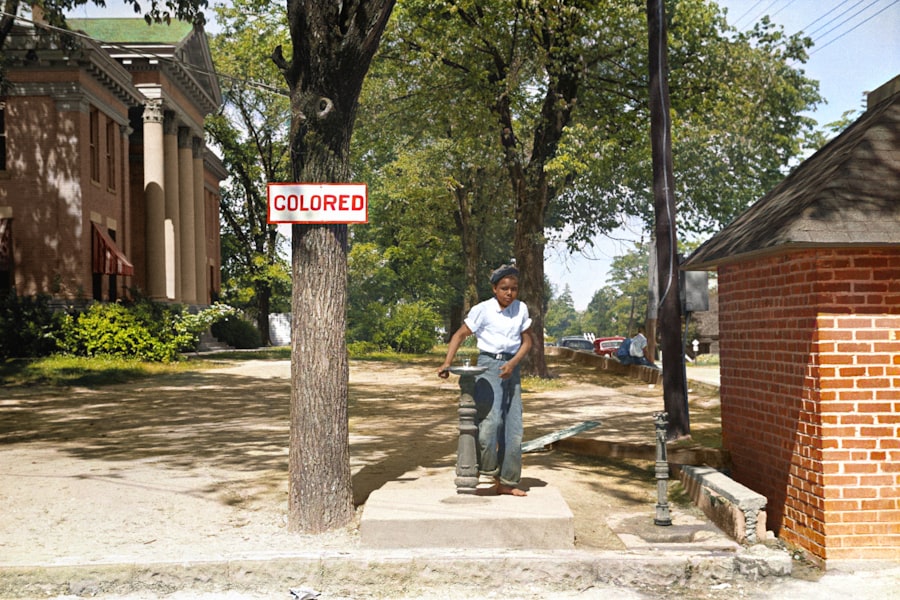
Martin Luther King Jr.’s influence extends far beyond his own era; his teachings continue to inspire social justice movements around the globe today. Leaders from various movements have drawn upon King’s principles of nonviolence and civil disobedience as they advocate for change within their own contexts. From anti-apartheid activists in South Africa to contemporary movements like Black Lives Matter, King’s legacy serves as a guiding light for those fighting against oppression.
The concept of nonviolent resistance championed by King has proven effective across different cultures and struggles for justice. His emphasis on love over hate resonates deeply with activists seeking peaceful solutions to complex societal issues. By promoting dialogue rather than violence, movements inspired by King have been able to mobilize diverse groups toward common goals while fostering understanding among differing perspectives.
Furthermore, King’s commitment to economic justice remains relevant today as activists address issues such as income inequality and workers’ rights. His belief that true equality encompasses not only civil rights but also economic opportunity continues to inspire contemporary movements advocating for fair wages and equitable access to resources. By recognizing these interconnected struggles for justice—whether related to race, class, or gender—activists honor King’s vision of a society where all individuals can thrive.
Remembering MLK’s Message of Love and Unity
At the heart of Martin Luther King Jr.’s message lies an unwavering belief in love as a transformative force capable of overcoming hatred and division. His teachings remind us that true progress cannot be achieved through violence or animosity but rather through compassion and understanding toward one another. As we reflect on his legacy today, it is essential to embrace this message wholeheartedly.
Promoting unity among diverse communities is crucial for fostering an inclusive society where everyone feels valued and respected. Engaging in conversations about race relations—whether within families or broader communities—can help break down barriers while building bridges between different groups. By actively listening to one another’s experiences and perspectives, we cultivate empathy that strengthens our collective resolve against injustice.
Moreover, practicing love in our daily lives—through acts of kindness or standing up against discrimination—embodies King’s vision for humanity’s potential when united by shared values of respect and dignity. As we remember Martin Luther King Jr., let us carry forward his message not only through words but also through actions that reflect our commitment to creating a world where love triumphs over hate—a world where unity prevails over division.
‘s life and legacy continue to inspire individuals across generations to strive for equality and justice.
As we observe MLK Day each year, let us reflect on how we can honor his memory through service, education, advocacy, and love—ensuring that his dream remains alive in our hearts and actions as we work together toward a brighter future for all.
In honor of Martin Luther King Jr.’s birthday, it is important to reflect on his legacy and the ongoing fight for civil rights. One related article that delves into the impact of MLK’s teachings is “The Power of Nonviolent Resistance” found at boogger.com. This article explores how MLK’s philosophy of nonviolent resistance continues to inspire social movements around the world and emphasizes the importance of peaceful protest in creating lasting change. As we celebrate MLK’s birthday, let us remember his message of love, equality, and justice for all.
FAQs
What is MLK Birthday?
MLK Birthday refers to the national holiday in the United States that celebrates the birthday of civil rights leader Martin Luther King Jr. It is observed on the third Monday of January each year.
When is MLK Birthday celebrated?
MLK Birthday is celebrated on the third Monday of January each year. This date falls close to Martin Luther King Jr.’s actual birthday, which is on January 15th.
Why is MLK Birthday celebrated?
MLK Birthday is celebrated to honor the life and achievements of Martin Luther King Jr., who was a prominent leader in the American civil rights movement. His efforts to promote equality and justice for all people have had a lasting impact on society.
Is MLK Birthday a federal holiday?
Yes, MLK Birthday is a federal holiday in the United States. This means that government offices, schools, and many businesses are closed on this day to allow people to participate in events and activities that honor Martin Luther King Jr.
How is MLK Birthday celebrated?
MLK Birthday is celebrated through various events and activities, including parades, community service projects, and educational programs. Many people also take the opportunity to reflect on Martin Luther King Jr.’s legacy and the ongoing struggle for civil rights and social justice.