Now Reading: Managing Diabetes with Ozempic: A Comprehensive Guide
-
01
Managing Diabetes with Ozempic: A Comprehensive Guide
Managing Diabetes with Ozempic: A Comprehensive Guide
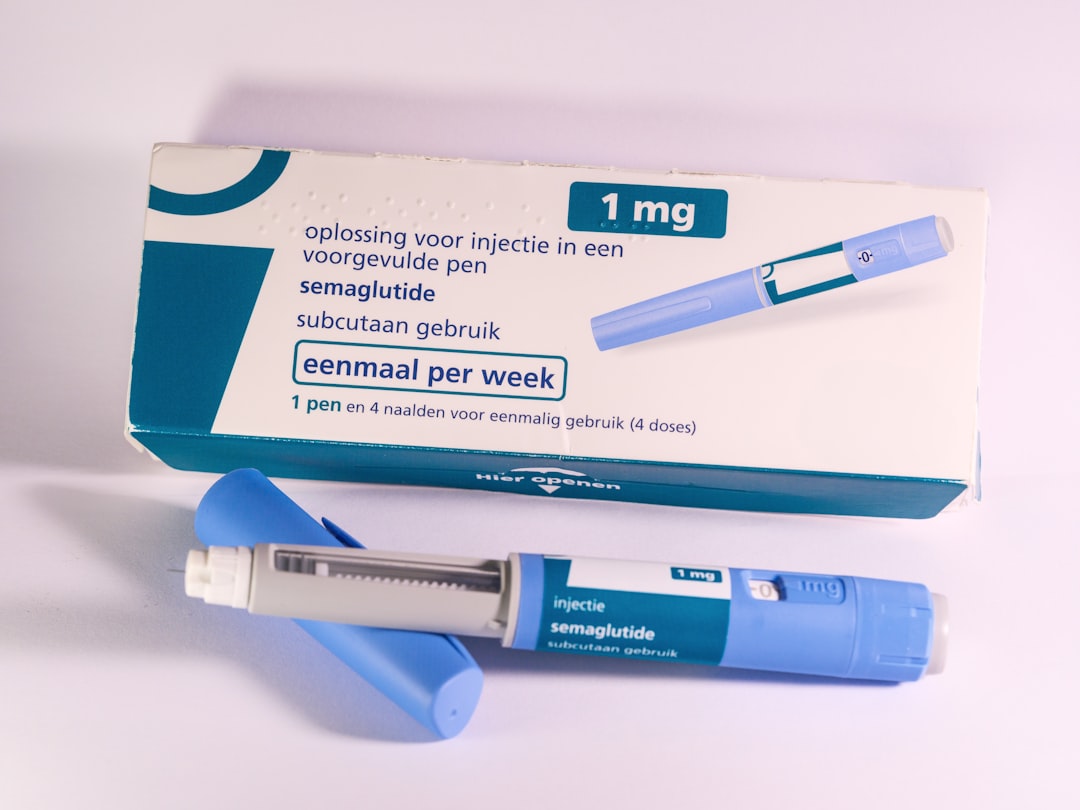
Diabetes mellitus is a chronic metabolic disorder characterized by hyperglycemia, resulting from defects in insulin secretion, insulin action, or both. The condition is primarily classified into two main types: Type 1 diabetes, which is an autoimmune disorder leading to the destruction of insulin-producing beta cells in the pancreas, and Type 2 diabetes, which is often associated with insulin resistance and relative insulin deficiency. According to the International Diabetes Federation, approximately 537 million adults worldwide were living with diabetes in 2021, a number projected to rise significantly in the coming years.
Effective management of diabetes is crucial to prevent complications such as cardiovascular disease, neuropathy, nephropathy, and retinopathy. Management strategies typically encompass lifestyle modifications, including dietary changes, physical activity, and pharmacotherapy.
Regular monitoring of blood glucose levels, HbA1c testing, and patient education are integral components of a comprehensive diabetes management plan.
Key Takeaways
- Understanding Diabetes and its Management:
- Diabetes is a chronic condition that affects how your body processes blood sugar.
- Management of diabetes involves lifestyle changes, medication, and regular monitoring of blood sugar levels.
- Introducing Ozempic: What it is and How it Works:
- Ozempic is a prescription medication used to improve blood sugar control in adults with type 2 diabetes.
- It works by mimicking the effects of a hormone called GLP-1, which helps regulate blood sugar levels.
- Benefits of Using Ozempic for Managing Diabetes:
- Ozempic can help lower blood sugar, reduce the risk of cardiovascular events, and promote weight loss.
- It also has a lower risk of hypoglycemia compared to some other diabetes medications.
- Dosage and Administration of Ozempic:
- Ozempic is typically injected once a week, and the dosage may be adjusted by a healthcare provider.
- It can be administered at any time of the day, with or without food.
- Potential Side Effects and Precautions:
- Common side effects of Ozempic may include nausea, vomiting, and diarrhea.
- It is important to monitor for signs of pancreatitis and thyroid tumors while using Ozempic.
Introducing Ozempic: What it is and How it Works
Ozempic (semaglutide) is a glucagon-like peptide-1 (GLP-1) receptor agonist approved for the treatment of Type 2 diabetes. It mimics the action of the naturally occurring hormone GLP-1, which plays a pivotal role in glucose metabolism. By stimulating insulin secretion in response to elevated blood glucose levels and inhibiting glucagon release from the pancreas, Ozempic effectively lowers blood sugar levels.
Additionally, it slows gastric emptying, which contributes to increased satiety and reduced appetite. The pharmacokinetics of Ozempic reveal a half-life of approximately one week, allowing for once-weekly subcutaneous administration. This long-acting formulation provides patients with convenience and adherence benefits compared to daily medications.
Clinical trials have demonstrated that Ozempic not only improves glycemic control but also promotes weight loss, making it a dual-action agent in managing Type 2 diabetes.
Benefits of Using Ozempic for Managing Diabetes

The utilization of Ozempic in diabetes management offers several compelling advantages. Firstly, its efficacy in lowering HbA1c levels has been well-documented in clinical studies. Patients using Ozempic have shown significant reductions in HbA1c compared to those on placebo or other antidiabetic agents.
This improvement in glycemic control is crucial for reducing the risk of long-term complications associated with diabetes. Secondly, Ozempic has been associated with weight loss, an important consideration for many individuals with Type 2 diabetes who are often overweight or obese. The appetite-suppressing effects of the medication can lead to a decrease in caloric intake and subsequent weight reduction.
Furthermore, weight loss can enhance insulin sensitivity and improve overall metabolic health. Lastly, Ozempic has demonstrated cardiovascular benefits in patients with Type 2 diabetes at high cardiovascular risk. The SUSTAIN-6 trial revealed that semaglutide significantly reduced the incidence of major adverse cardiovascular events, including heart attack and stroke.
This cardioprotective effect adds another layer of benefit for patients managing both diabetes and cardiovascular health.
Dosage and Administration of Ozempic
| Week | Dosage | Administration |
|---|---|---|
| 1-4 | 0.25 mg | Subcutaneous injection once a week |
| 5-8 | 0.5 mg | Subcutaneous injection once a week |
| 9 onwards | 1 mg | Subcutaneous injection once a week |
Ozempic is administered via subcutaneous injection, typically in the abdomen, thigh, or upper arm. The initial recommended dose is 0.25 mg once weekly for four weeks. This starting dose allows the body to adjust to the medication and minimizes gastrointestinal side effects commonly associated with GLP-1 receptor agonists.
After this initial period, the dose can be increased to 0.5 mg once weekly based on individual glycemic response. For patients requiring further glycemic control, the dosage may be escalated to a maximum of 1 mg once weekly after at least four weeks on the 0.5 mg dose. It is essential for patients to follow their healthcare provider’s instructions regarding dosage adjustments and to maintain consistent administration on the same day each week for optimal efficacy.
Potential Side Effects and Precautions
While Ozempic is generally well-tolerated, it is not without potential side effects. Common adverse reactions include gastrointestinal symptoms such as nausea, vomiting, diarrhea, and constipation. These effects are often transient and may diminish over time as the body acclimates to the medication.
However, if severe or persistent gastrointestinal issues occur, patients should consult their healthcare provider. Serious side effects may include pancreatitis, thyroid tumors (including medullary thyroid carcinoma), and renal impairment. Patients with a personal or family history of medullary thyroid carcinoma or multiple endocrine neoplasia syndrome type 2 should avoid using Ozempic due to an increased risk of thyroid tumors.
Additionally, caution should be exercised in patients with a history of pancreatitis or renal disease.
Incorporating Ozempic into Your Diabetes Management Plan

Integrating Ozempic into a comprehensive diabetes management plan requires collaboration between patients and healthcare providers. A thorough assessment of individual patient needs, preferences, and medical history is essential for tailoring treatment strategies effectively. Patients should be educated about the mechanism of action of Ozempic and its role in achieving glycemic targets.
Regular follow-up appointments are crucial for monitoring progress and making necessary adjustments to the treatment plan. Healthcare providers should assess blood glucose levels, HbA1c results, and any side effects experienced by the patient during treatment with Ozempic. This ongoing dialogue fosters a supportive environment where patients feel empowered to manage their diabetes effectively.
Monitoring and Adjusting Your Diabetes Treatment with Ozempic
Monitoring blood glucose levels is a fundamental aspect of diabetes management while using Ozempic. Patients should be encouraged to perform self-monitoring of blood glucose (SMBG) regularly to assess their response to treatment and identify patterns that may require intervention. Continuous glucose monitoring (CGM) systems can also provide valuable insights into glycemic variability.
Adjustments to the treatment regimen may be necessary based on monitoring results. If blood glucose levels remain above target despite adherence to Ozempic therapy, healthcare providers may consider adding or intensifying other antidiabetic medications or implementing additional lifestyle modifications. Regular HbA1c testing every three to six months will help evaluate long-term glycemic control and inform treatment decisions.
Lifestyle Changes to Support Ozempic Treatment
In conjunction with pharmacotherapy like Ozempic, lifestyle modifications play a pivotal role in managing Type 2 diabetes effectively. A balanced diet rich in whole grains, lean proteins, healthy fats, fruits, and vegetables can help regulate blood sugar levels while promoting overall health. Patients should be encouraged to limit processed foods high in sugars and unhealthy fats.
Physical activity is another cornerstone of diabetes management. Engaging in regular exercise—such as aerobic activities like walking, swimming, or cycling—can enhance insulin sensitivity and aid in weight management. The American Diabetes Association recommends at least 150 minutes of moderate-intensity aerobic activity per week combined with resistance training on two or more days per week.
Interactions with Other Diabetes Medications and Supplements
Ozempic may interact with other medications used for diabetes management or supplements that patients may be taking concurrently.
Dose adjustments may be necessary to mitigate this risk.
Additionally, certain supplements such as chromium or berberine may influence blood sugar levels; thus, patients should inform their healthcare providers about all supplements they are taking to ensure safe and effective management of their diabetes treatment plan.
Tips for Managing Diabetes with Ozempic
To optimize diabetes management while using Ozempic, patients can adopt several practical strategies: 1. **Adherence**: Consistently take Ozempic as prescribed by your healthcare provider.
2. **Dietary Awareness**: Maintain a food diary to track dietary intake and identify potential triggers for hyperglycemia.
3.
**Physical Activity**: Incorporate regular exercise into your routine; aim for at least 30 minutes most days.
4. **Hydration**: Stay well-hydrated; water is the best choice for maintaining hydration without added sugars.
5. **Education**: Stay informed about diabetes management through reputable sources or diabetes education programs.
6.
**Support System**: Engage family members or friends in your journey; having a support system can enhance motivation and accountability.
Frequently Asked Questions about Ozempic and Diabetes Management
1. **What is Ozempic used for?**
– Ozempic is primarily used for managing Type 2 diabetes by improving glycemic control and promoting weight loss. 2. **How long does it take for Ozempic to work?**
– Patients may begin to see improvements in blood sugar levels within one week of starting Ozempic; however, optimal results are typically observed after several weeks of consistent use. 3. **Can I take Ozempic if I am pregnant?**
– The safety of Ozempic during pregnancy has not been established; consult your healthcare provider if you are pregnant or planning to become pregnant. 4. **What should I do if I miss a dose?**
– If you miss a dose of Ozempic, administer it as soon as you remember within five days of your scheduled dose; otherwise, skip the missed dose and resume your regular schedule. 5. **Is weight loss guaranteed with Ozempic?**
– While many patients experience weight loss while taking Ozempic due to its appetite-suppressing effects, individual results may vary based on lifestyle factors. 6. **Can I stop taking my other diabetes medications while on Ozempic?**
– Do not discontinue other diabetes medications without consulting your healthcare provider; they will determine the best approach based on your individual needs. 7. **Are there any dietary restrictions while taking Ozempic?**
– There are no specific dietary restrictions; however, maintaining a balanced diet low in processed sugars can enhance treatment outcomes. 8. **How often do I need to see my doctor while on Ozempic?**
– Regular follow-up appointments every three to six months are recommended for monitoring progress and adjusting treatment as needed. In summary, managing Type 2 diabetes effectively requires a multifaceted approach that includes pharmacotherapy such as Ozempic alongside lifestyle modifications and regular monitoring. Understanding how Ozempic works and its benefits can empower patients in their journey toward better health outcomes while minimizing risks associated with diabetes complications. By incorporating these strategies into their daily lives, individuals can achieve improved glycemic control and overall well-being.
If you are interested in learning more about health insurance options in 2025, you may want to check out this comprehensive guide to health insurance in 2025. This article provides valuable information on the different types of health insurance plans available and how to choose the best one for your needs. It also discusses the latest trends and changes in the health insurance industry, including the coverage of medications like Ozempic.
FAQs
What is Ozempic med?
Ozempic med is a prescription medication used to improve blood sugar control in adults with type 2 diabetes. It belongs to a class of drugs called glucagon-like peptide-1 (GLP-1) receptor agonists.
How does Ozempic med work?
Ozempic med works by mimicking the effects of a hormone called glucagon-like peptide-1 (GLP-1), which helps regulate blood sugar levels. It stimulates the release of insulin, slows down the absorption of glucose from the gut, and reduces the production of glucagon, a hormone that raises blood sugar levels.
What are the common side effects of Ozempic med?
Common side effects of Ozempic med may include nausea, vomiting, diarrhea, abdominal pain, and decreased appetite. It may also cause low blood sugar (hypoglycemia) when used in combination with other diabetes medications.
How is Ozempic med administered?
Ozempic med is typically administered as a subcutaneous injection once a week. It comes in a pre-filled pen that allows for easy self-administration.
Who should not take Ozempic med?
Ozempic med is not recommended for use in people with type 1 diabetes or diabetic ketoacidosis. It should also be avoided in individuals with a history of severe gastrointestinal disease or a hypersensitivity to the drug.
Is Ozempic med a weight loss medication?
While Ozempic med is not specifically approved as a weight loss medication, some people may experience weight loss as a side effect of using the drug. This is likely due to its effects on appetite and food intake.