Now Reading: Unlocking the Power of Oil: A Guide to its Many Uses
-
01
Unlocking the Power of Oil: A Guide to its Many Uses
Unlocking the Power of Oil: A Guide to its Many Uses

Oil, a viscous liquid derived from the remains of ancient marine organisms, has been a cornerstone of modern civilization since its discovery. Its multifaceted applications span across various sectors, making it an indispensable resource in today’s world. From energy production to manufacturing, oil plays a pivotal role in driving economic growth and technological advancement.
The significance of oil extends beyond mere fuel; it is a fundamental component in numerous industries, influencing everything from transportation to agriculture. As we delve deeper into the various uses of oil, it becomes clear that its impact is profound and far-reaching.
Understanding the diverse applications of oil is crucial for appreciating its role in shaping contemporary society and addressing future challenges related to sustainability and environmental impact.
Key Takeaways
- Oil is a critical resource with diverse applications across multiple industries.
- It plays a central role in energy production and transportation sectors.
- Oil derivatives are essential in manufacturing, agriculture, pharmaceuticals, and personal care products.
- The chemical, construction, and food industries heavily rely on oil-based materials.
- Sustainable management of oil resources is vital for future economic and environmental balance.
The Role of Oil in Energy Production
Oil is one of the primary sources of energy globally, accounting for approximately 31% of the world’s total energy consumption. Its extraction and refinement into various fuels, such as gasoline, diesel, and jet fuel, are critical for powering vehicles, machinery, and aircraft. The combustion of oil products releases energy that is harnessed for electricity generation, heating, and industrial processes.
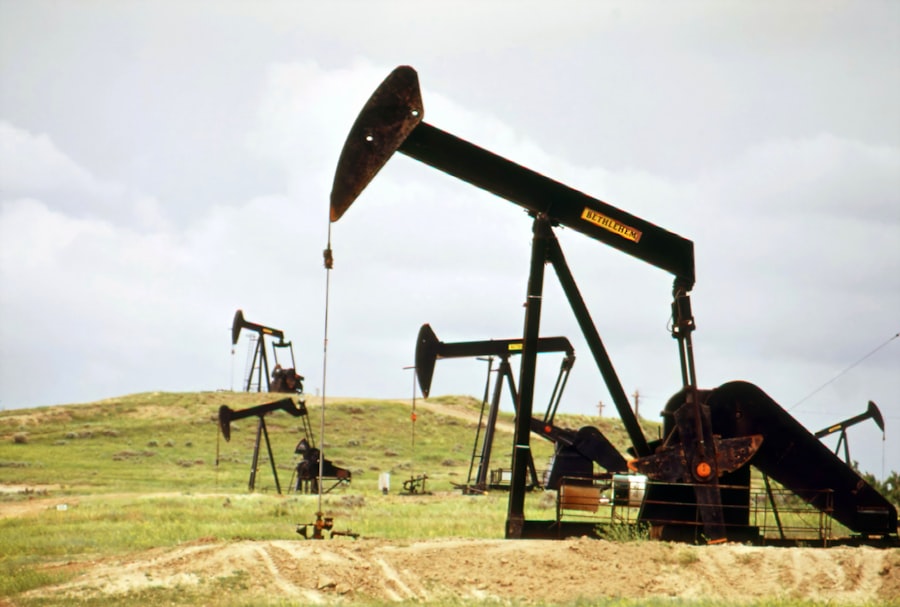
This energy production is vital for maintaining the infrastructure and services that support modern life. The oil industry has evolved significantly over the years, with advancements in extraction technologies such as hydraulic fracturing and horizontal drilling. These innovations have unlocked previously inaccessible reserves, leading to increased production and a more stable energy supply.
However, the reliance on fossil fuels raises concerns about environmental degradation and climate change. As a result, there is a growing emphasis on transitioning to renewable energy sources while still recognizing the essential role that oil plays in current energy systems.
Oil as a Key Component in Transportation

Transportation is one of the most significant sectors reliant on oil, with petroleum products serving as the lifeblood of global mobility. The vast majority of vehicles on the road today operate on gasoline or diesel, both derived from crude oil. In 2020 alone, the transportation sector consumed approximately 14 million barrels of oil per day in the United States, underscoring its dependence on this resource.
Beyond personal vehicles, oil fuels commercial aviation and maritime shipping, facilitating international trade and travel. The aviation industry relies heavily on jet fuel, while shipping vessels utilize bunker fuel to transport goods across oceans. As global trade continues to expand, the demand for oil in transportation is expected to remain robust.
However, the push for electric vehicles and alternative fuels presents both challenges and opportunities for the oil industry to adapt and innovate.
The Versatility of Oil in Manufacturing
The manufacturing sector benefits immensely from oil’s versatility, utilizing it as a raw material in producing a wide array of products. Petrochemicals derived from oil serve as building blocks for plastics, synthetic fibers, and rubber, which are integral to countless consumer goods. In fact, approximately 90% of all manufactured goods contain some form of petrochemical product.
Oil’s role in manufacturing extends to lubricants and greases essential for machinery operation, ensuring efficiency and longevity in industrial processes. Additionally, oil-based solvents are commonly used in paints, coatings, and adhesives, enhancing product performance and durability. As manufacturers seek to reduce their carbon footprint, there is an increasing focus on developing sustainable alternatives while still leveraging oil’s unique properties.
Oil’s Importance in Agriculture
| Metric | Value | Unit | Year |
|---|---|---|---|
| Global Oil Production | 88.4 | Million Barrels per Day | 2023 |
| Top Oil Producer | United States | Country | 2023 |
| Top Oil Consumer | United States | Country | 2023 |
| Average Brent Crude Price | 85.6 | Per Barrel | 2023 |
| Proven Oil Reserves | 1,730 | Billion Barrels | 2023 |
| Oil Consumption by Sector (Transportation) | 45 | Percent of Total Consumption | 2023 |
Agriculture is another sector where oil plays a crucial role, particularly in the production and distribution of food. Oil-derived fertilizers and pesticides are vital for enhancing crop yields and protecting against pests and diseases. In fact, nitrogen-based fertilizers, which are synthesized using natural gas (a fossil fuel), have revolutionized agricultural productivity over the past century.
Moreover, oil is essential for operating agricultural machinery such as tractors and harvesters, enabling efficient planting and harvesting processes. The transportation of agricultural products from farms to markets also relies heavily on oil-powered vehicles. As the global population continues to grow, the demand for food will increase, further emphasizing the need for oil in agricultural practices while also highlighting the importance of sustainable farming methods.
The Use of Oil in the Pharmaceutical Industry
The pharmaceutical industry relies on oil-derived compounds for producing various medications and healthcare products. Many active pharmaceutical ingredients (APIs) are synthesized from petrochemicals, which serve as precursors for essential drugs used to treat a wide range of medical conditions. For instance, analgesics, antibiotics, and anesthetics often contain components derived from oil.
In addition to APIs, oil is used in manufacturing medical devices and packaging materials that ensure product safety and efficacy. The versatility of oil allows for the creation of specialized formulations that enhance drug delivery systems and improve patient outcomes. However, as the healthcare sector increasingly prioritizes sustainability, there is a growing interest in developing biopharmaceuticals that utilize renewable resources instead of traditional petrochemical sources.
Oil’s Role in the Beauty and Personal Care Industry
The beauty and personal care industry is another domain where oil plays a significant role. Many cosmetic products contain mineral oils or petroleum-derived ingredients that provide moisturizing properties and enhance product texture. These oils are commonly found in lotions, creams, shampoos, and makeup products.
Furthermore, oil serves as a solvent for various active ingredients in skincare formulations, ensuring optimal absorption and effectiveness. The versatility of oil allows formulators to create products that cater to diverse skin types and concerns. However, with increasing consumer awareness regarding sustainability and environmental impact, there is a growing trend towards using plant-based oils and natural alternatives in beauty products.
The Impact of Oil in the Food and Beverage Industry
In the food and beverage sector, oil serves multiple purposes ranging from cooking oils to food additives. Vegetable oils derived from crops such as soybeans, canola, and palm are widely used for frying, baking, and salad dressings. These oils provide essential fatty acids necessary for human health while also enhancing flavor and texture.
Additionally, oil plays a role in food processing by acting as a preservative or emulsifier in various products such as margarine and sauces. The transportation of food products also relies heavily on oil-powered vehicles for distribution across supply chains. As consumers become more health-conscious and environmentally aware, there is an increasing demand for sustainable sourcing practices within the food industry.
Oil’s Contribution to the Construction and Infrastructure Sector
The construction industry heavily depends on oil-derived materials for building infrastructure such as roads, bridges, and buildings. Asphalt, a byproduct of crude oil refining, is essential for road construction and maintenance due to its durability and weather resistance. Additionally, various construction materials such as plastics and synthetic fibers are derived from petrochemicals.
Oil also plays a critical role in powering construction machinery such as excavators and bulldozers, enabling efficient project execution. As urbanization continues to rise globally, the demand for construction materials derived from oil will remain significant. However, there is an increasing emphasis on sustainable building practices that prioritize eco-friendly materials and reduce reliance on fossil fuels.
The Role of Oil in the Chemical Industry
The chemical industry is one of the largest consumers of oil-derived feedstocks globally. Petrochemicals serve as fundamental building blocks for producing chemicals used across various applications including plastics, fertilizers, solvents, and detergents. In fact, approximately 70% of all chemicals produced worldwide are derived from fossil fuels.
The versatility of petrochemicals allows for the development of innovative materials that enhance product performance across multiple sectors. However, as environmental concerns mount regarding greenhouse gas emissions associated with fossil fuel consumption, there is a growing push towards adopting greener alternatives such as bio-based chemicals derived from renewable resources.
Harnessing the Power of Oil for a Sustainable Future
In conclusion, oil remains an integral part of modern society with its extensive applications across diverse sectors including energy production, transportation, manufacturing, agriculture, pharmaceuticals, beauty care, food processing, construction, and chemicals. While its contributions are undeniable, it is crucial to address the environmental challenges associated with fossil fuel consumption. As we move towards a more sustainable future, it is imperative to explore alternative energy sources while optimizing existing oil resources through innovative technologies and practices.
By harnessing the power of oil responsibly and investing in renewable alternatives, we can ensure that this vital resource continues to support economic growth while minimizing its impact on our planet.
For those interested in the economic implications of oil prices, a related article that explores the impact of various industries on the economy can be found at Amazon Careers in Tampa. This piece discusses how major corporations, including those in the oil sector, influence job markets and economic growth in their respective regions.
FAQs
What is oil?
Oil is a naturally occurring liquid found beneath the Earth’s surface, composed primarily of hydrocarbons. It is used as a fuel and as a raw material in the production of various chemicals and products.
How is oil formed?
Oil is formed from the remains of ancient marine organisms that were buried under layers of sediment and subjected to heat and pressure over millions of years, transforming into liquid hydrocarbons.
What are the main types of oil?
The main types of oil include crude oil, which is unrefined petroleum, and refined products such as gasoline, diesel, jet fuel, and lubricants. There is also synthetic oil and bio-oil derived from organic materials.
Where is oil commonly found?
Oil is commonly found in underground reservoirs located in sedimentary rock formations. Major oil-producing regions include the Middle East, North America, Russia, and parts of Africa and South America.
How is oil extracted?
Oil is extracted through drilling wells into underground reservoirs. Techniques include conventional drilling, offshore drilling, and enhanced recovery methods like hydraulic fracturing and steam injection.
What are the uses of oil?
Oil is primarily used as a fuel for transportation, heating, and electricity generation. It is also a key raw material in the production of plastics, chemicals, pharmaceuticals, and other industrial products.
What are the environmental impacts of oil?
Oil extraction and use can lead to environmental issues such as oil spills, air and water pollution, habitat disruption, and greenhouse gas emissions contributing to climate change.
How is oil refined?
Oil refining involves processing crude oil in refineries to separate and convert it into useful products like gasoline, diesel, kerosene, and petrochemicals through distillation and chemical treatment.
What is the difference between crude oil and petroleum?
Crude oil is the unrefined liquid hydrocarbon extracted from the ground, while petroleum refers to crude oil and its refined products collectively.
Is oil a renewable resource?
No, oil is a non-renewable resource because it forms over millions of years and cannot be replenished on a human timescale.