Now Reading: Maximizing Energy Efficiency: Tips for a Sustainable Lifestyle
-
01
Maximizing Energy Efficiency: Tips for a Sustainable Lifestyle
Maximizing Energy Efficiency: Tips for a Sustainable Lifestyle
Energy efficiency refers to the practice of using less energy to provide the same level of service or output. This concept is pivotal in addressing the growing concerns surrounding energy consumption, environmental degradation, and climate change. By optimizing energy use, individuals and organizations can significantly reduce their carbon footprint while also lowering utility bills.
The importance of energy efficiency extends beyond mere cost savings; it plays a crucial role in conserving natural resources and reducing greenhouse gas emissions. The implementation of energy-efficient practices can lead to substantial economic benefits. According to the U.S.
Department of Energy, improving energy efficiency in homes and businesses can save consumers billions of dollars annually. Furthermore, energy-efficient technologies often require less maintenance and have longer lifespans, contributing to overall sustainability. As society becomes increasingly aware of the implications of energy consumption, understanding and adopting energy-efficient practices is essential for a sustainable future.
Key Takeaways
- Energy efficiency involves reducing energy use through better appliances, insulation, and smart systems.
- Incorporating renewable energy and energy-efficient transportation lowers environmental impact.
- Water conservation and sustainable landscaping contribute to overall resource savings.
- Energy-efficient building design and smart HVAC systems enhance comfort while cutting energy costs.
- Government incentives support adoption of energy-saving technologies and sustainable practices.
Energy-Efficient Appliances and Lighting
Energy-efficient appliances are designed to consume less electricity while delivering the same performance as their conventional counterparts. These appliances are often labeled with the ENERGY STAR certification, which signifies that they meet strict energy efficiency guidelines set by the U.S. Environmental Protection Agency. Common examples include refrigerators, washing machines, and dishwashers that utilize advanced technology to minimize energy use without sacrificing functionality. Lighting is another critical area where energy efficiency can be achieved. Traditional incandescent bulbs consume a significant amount of energy and have a shorter lifespan compared to modern alternatives such as compact fluorescent lamps (CFLs) and light-emitting diodes (LEDs). LEDs, in particular, are known for their exceptional energy efficiency, using up to 80% less energy than incandescent bulbs while lasting up to 25 times longer. Transitioning to energy-efficient lighting solutions not only reduces electricity consumption but also enhances the quality of illumination in residential and commercial spaces.
Insulation and Weatherization

Proper insulation and weatherization are fundamental components of an energy-efficient building. Insulation acts as a barrier against heat transfer, helping to maintain a consistent indoor temperature regardless of external weather conditions. By minimizing heat loss in winter and heat gain in summer, effective insulation reduces the demand on heating and cooling systems, leading to lower energy consumption.
Weatherization involves sealing gaps and cracks in a building’s envelope to prevent air leaks. This process can include caulking windows, adding weatherstripping to doors, and insulating attics and basements. According to the U.S.
Department of Energy, homeowners can save an average of 15% on heating and cooling costs by properly weatherizing their homes. Investing in insulation and weatherization not only enhances comfort but also contributes to significant energy savings over time.
Smart Thermostats and HVAC Systems
Smart thermostats represent a significant advancement in home heating and cooling technology. These devices allow users to program temperature settings based on their schedules, ensuring that energy is not wasted when spaces are unoccupied. Many smart thermostats can learn user preferences over time, automatically adjusting settings for optimal comfort and efficiency.
In conjunction with smart thermostats, high-efficiency heating, ventilation, and air conditioning (HVAC) systems play a vital role in energy conservation. Modern HVAC systems are designed to operate more efficiently than older models, utilizing advanced technologies such as variable-speed motors and multi-stage compressors. Regular maintenance of HVAC systems is essential for optimal performance; this includes changing filters, cleaning ducts, and scheduling professional inspections.
By combining smart thermostats with efficient HVAC systems, homeowners can achieve substantial reductions in energy consumption.
Renewable Energy Sources
| Energy Source | Global Production (TWh) | Percentage of Total Energy | CO2 Emissions (kg per MWh) | Average Cost (per MWh) |
|---|---|---|---|---|
| Coal | 10,000 | 27% | 820 | 50 |
| Natural Gas | 6,500 | 18% | 490 | 40 |
| Hydropower | 4,200 | 12% | 4 | 30 |
| Wind | 2,800 | 8% | 12 | 35 |
| Solar | 1,900 | 5% | 45 | 40 |
| Nuclear | 2,500 | 7% | 12 | 60 |
| Biomass | 1,200 | 3% | 230 | 55 |
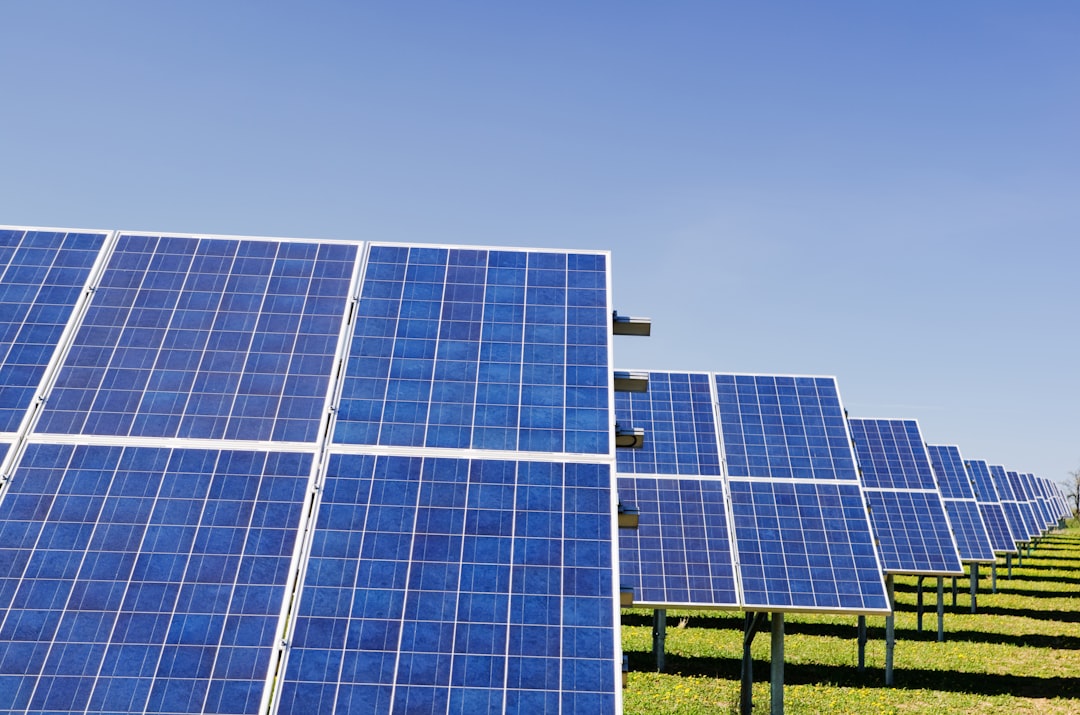
The transition to renewable energy sources is a cornerstone of achieving long-term energy efficiency goals. Solar, wind, hydroelectric, and geothermal power are all sustainable alternatives that can significantly reduce reliance on fossil fuels. Solar panels, for instance, harness sunlight to generate electricity, providing a clean and inexhaustible source of energy.
Investing in renewable energy not only contributes to environmental sustainability but also offers financial incentives through various government programs. Many states provide tax credits or rebates for homeowners who install solar panels or other renewable energy systems. Additionally, renewable energy sources often lead to lower utility bills over time as they reduce dependence on traditional energy providers.
Embracing renewable energy is not just an environmentally responsible choice; it is also a financially savvy decision for homeowners looking to enhance their energy efficiency.
Energy-Efficient Transportation
Transportation is a significant contributor to global energy consumption and greenhouse gas emissions. To promote energy efficiency in this sector, individuals can consider various options such as electric vehicles (EVs), hybrid cars, and public transportation systems. Electric vehicles produce zero tailpipe emissions and are often powered by renewable energy sources, making them an environmentally friendly alternative to traditional gasoline-powered vehicles.
Moreover, adopting public transportation can lead to substantial reductions in individual carbon footprints. Buses, trains, and subways are generally more efficient than personal vehicles when it comes to transporting large numbers of people. Carpooling and ridesharing services also contribute to decreased fuel consumption by maximizing vehicle occupancy.
By making conscious choices about transportation methods, individuals can significantly reduce their overall energy usage.
Water Conservation
Water conservation is an often-overlooked aspect of energy efficiency that has far-reaching implications for both resource management and energy consumption. The process of heating water for domestic use accounts for a significant portion of household energy expenditure. By implementing water-saving fixtures such as low-flow showerheads, faucets, and toilets, homeowners can reduce water usage while simultaneously lowering the amount of energy required for heating.
Additionally, practices such as rainwater harvesting and greywater recycling can further enhance water conservation efforts. Rainwater harvesting involves collecting rainwater from roofs for non-potable uses such as irrigation or toilet flushing. Greywater recycling captures wastewater from sinks or showers for reuse in landscaping or toilet flushing.
Sustainable Landscaping
Sustainable landscaping practices contribute significantly to energy efficiency by promoting biodiversity and reducing resource consumption. Native plants require less water and maintenance compared to non-native species, making them an ideal choice for environmentally conscious landscaping. By selecting plants that are well-adapted to local climates, homeowners can create beautiful outdoor spaces that thrive with minimal intervention.
Incorporating features such as shade trees can also enhance energy efficiency by reducing the need for air conditioning during hot months. Strategically placed trees provide natural shade for homes, lowering indoor temperatures and decreasing reliance on mechanical cooling systems. Additionally, xeriscaping—designing landscapes that require little or no irrigation—can further minimize water usage while creating aesthetically pleasing environments.
Energy-Efficient Building Design
Energy-efficient building design encompasses various architectural strategies aimed at minimizing energy consumption throughout a structure’s lifecycle. This includes optimizing orientation for natural light utilization, selecting high-performance windows that reduce heat transfer, and employing sustainable materials that enhance insulation properties. Passive solar design is one approach that maximizes natural heating and cooling through strategic placement of windows and thermal mass materials.
By harnessing sunlight during winter months while minimizing heat gain during summer months, passive solar buildings can significantly reduce reliance on artificial heating and cooling systems. Furthermore, incorporating green roofs or living walls can improve insulation while promoting biodiversity within urban environments.
Behavior and Lifestyle Changes
Behavioral changes play a crucial role in enhancing energy efficiency at both individual and community levels. Simple actions such as turning off lights when leaving a room, unplugging devices when not in use, or using power strips can lead to significant reductions in electricity consumption over time. Moreover, fostering a culture of sustainability within households encourages collective efforts toward energy conservation.
Educating family members about the importance of energy efficiency can lead to more mindful consumption habits. Participating in community initiatives focused on sustainability—such as local clean-up events or educational workshops—can further amplify individual efforts toward creating a more energy-efficient society.
Government Incentives and Rebates
Governments worldwide recognize the importance of promoting energy efficiency through various incentives and rebate programs aimed at encouraging individuals and businesses to adopt sustainable practices. These programs may include tax credits for renewable energy installations, rebates for purchasing energy-efficient appliances, or grants for home weatherization projects. In the United States, programs such as the Federal Investment Tax Credit (ITC) provide significant financial benefits for homeowners who invest in solar power systems.
Additionally, many states offer utility rebates for upgrading to high-efficiency appliances or HVAC systems. By taking advantage of these incentives, individuals can offset initial costs associated with implementing energy-efficient technologies while contributing to broader environmental goals. In summary, understanding and implementing energy efficiency measures is essential for reducing environmental impact while achieving economic savings.
From utilizing energy-efficient appliances and lighting to investing in renewable sources and adopting sustainable practices in transportation and landscaping, there are numerous avenues available for individuals seeking to enhance their energy efficiency. Government incentives further support these efforts by making sustainable choices more accessible financially. By embracing these strategies collectively, society can work towards a more sustainable future that prioritizes both environmental health and economic viability.
For those interested in understanding the broader implications of energy consumption and its impact on various sectors, you might find the article on navigating car insurance rates particularly insightful. It discusses how energy efficiency can influence costs in the automotive industry, which is increasingly relevant as we move towards more sustainable practices. You can read more about it in the article Navigating the Best Rates for Car Insurance in 2025.
FAQs
What is energy?
Energy is the capacity to do work or produce change. It exists in various forms such as kinetic, potential, thermal, electrical, chemical, and nuclear energy.
What are the main types of energy?
The main types of energy include mechanical energy (kinetic and potential), thermal energy, chemical energy, electrical energy, nuclear energy, and radiant energy (such as light).
How is energy measured?
Energy is typically measured in joules (J) in the International System of Units (SI). Other units include calories, kilowatt-hours (kWh), and British thermal units (BTU).
What is renewable energy?
Renewable energy comes from natural sources that are constantly replenished, such as sunlight, wind, rain, tides, waves, and geothermal heat.
What is non-renewable energy?
Non-renewable energy is derived from sources that do not replenish quickly, such as fossil fuels like coal, oil, and natural gas, as well as nuclear fuels.
Why is energy important?
Energy is essential for powering homes, industries, transportation, and technology. It supports economic development and daily human activities.
How can energy be conserved?
Energy can be conserved by using energy-efficient appliances, reducing waste, improving insulation, using public transportation, and adopting renewable energy sources.
What is the law of conservation of energy?
The law of conservation of energy states that energy cannot be created or destroyed, only transformed from one form to another.
What are the environmental impacts of energy use?
Energy production and consumption can lead to pollution, greenhouse gas emissions, habitat destruction, and resource depletion, especially when relying on fossil fuels.
What is energy efficiency?
Energy efficiency refers to using less energy to perform the same task or produce the same outcome, reducing energy waste and costs.