Now Reading: Understanding the Pathology of Heart Failure
-
01
Understanding the Pathology of Heart Failure
Understanding the Pathology of Heart Failure

Heart failure (HF) is a complex clinical syndrome characterized by the heart’s inability to pump sufficient blood to meet the metabolic demands of the body. This condition can arise from various underlying cardiovascular diseases, leading to a spectrum of symptoms that significantly impair quality of life. The prevalence of heart failure is alarming, affecting approximately 6.2 million adults in the United States alone, with numbers expected to rise as the population ages.
Heart failure is not merely a singular disease but rather a manifestation of multiple cardiac dysfunctions, often resulting in a progressive decline in cardiac function. The clinical presentation of heart failure can vary widely, encompassing symptoms such as dyspnea (shortness of breath), fatigue, and fluid retention, which may lead to edema. The condition can be classified into two primary categories: heart failure with reduced ejection fraction (HFrEF) and heart failure with preserved ejection fraction (HFpEF).
Understanding the nuances of heart failure is crucial for effective management and treatment, as it requires a multidisciplinary approach involving cardiologists, primary care physicians, and other healthcare professionals.
Key Takeaways
- Heart failure is a condition where the heart is unable to pump enough blood to meet the body’s needs.
- Causes and risk factors of heart failure include high blood pressure, coronary artery disease, and heart valve disorders.
- Understanding the pathophysiology of heart failure involves the heart’s inability to effectively pump and/or fill with blood.
- The role of the heart in heart failure is to pump blood to the rest of the body, and when it fails, it can lead to a variety of symptoms and complications.
- Lifestyle changes, such as maintaining a healthy diet and regular exercise, are important for managing heart failure and improving prognosis.
Causes and Risk Factors of Heart Failure
Heart failure can be precipitated by a multitude of factors, with coronary artery disease (CAD) being the most prevalent cause.
Other significant contributors include hypertension, which imposes increased workload on the heart, and valvular heart diseases that disrupt normal hemodynamics.
Several risk factors exacerbate the likelihood of developing heart failure. These include lifestyle choices such as smoking, excessive alcohol consumption, and sedentary behavior. Additionally, comorbid conditions like diabetes mellitus, obesity, and chronic kidney disease play a pivotal role in the pathogenesis of heart failure.
Genetic predispositions also contribute to an individual’s risk profile, highlighting the importance of family history in assessing susceptibility to this condition.
Understanding the Pathophysiology of Heart Failure

The pathophysiology of heart failure is multifaceted and involves intricate neurohormonal mechanisms. When the heart’s pumping ability diminishes, compensatory mechanisms are activated to maintain adequate perfusion. The sympathetic nervous system becomes hyperactive, leading to increased heart rate and contractility.
Concurrently, the renin-angiotensin-aldosterone system (RAAS) is stimulated, resulting in fluid retention and vasoconstriction. Over time, these compensatory mechanisms become maladaptive, contributing to further myocardial stress and remodeling. Myocardial hypertrophy occurs as the heart attempts to cope with increased workload, ultimately leading to fibrosis and impaired contractility.
This vicious cycle perpetuates the decline in cardiac function and exacerbates symptoms of heart failure.
The Role of the Heart in Heart Failure
| Metrics | Data |
|---|---|
| Prevalence of Heart Failure | Approximately 6.2 million adults in the United States have heart failure |
| Heart Pumping Capacity | Normal heart pumps about 50-70% of the blood in the heart with each beat |
| Heart Failure Types | Heart failure can be categorized as either systolic or diastolic |
| Heart Failure Risk Factors | Common risk factors include high blood pressure, diabetes, and coronary artery disease |
| Treatment Options | Treatment may include medications, lifestyle changes, and in severe cases, heart transplant |
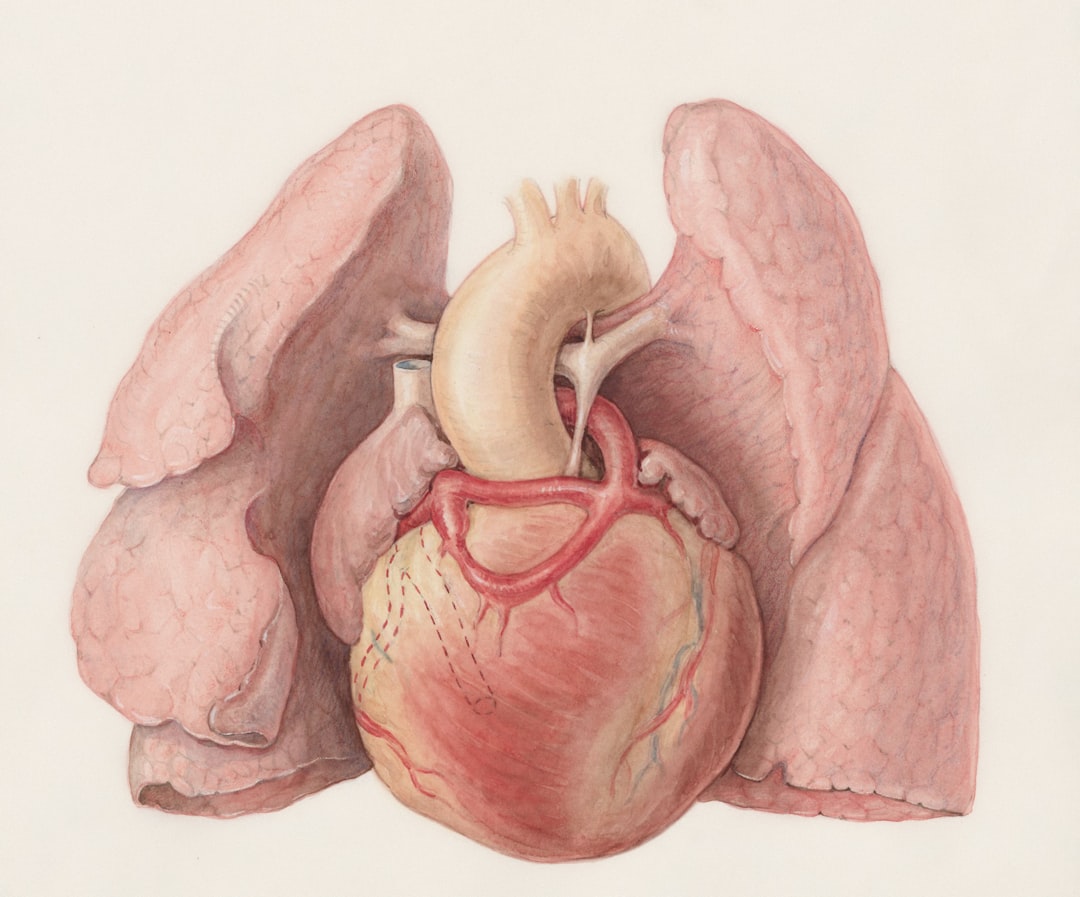
The heart’s primary function is to pump oxygenated blood throughout the body, delivering essential nutrients to tissues while removing metabolic waste products. In heart failure, this fundamental role is compromised due to impaired systolic or diastolic function. Systolic dysfunction refers to the heart’s inability to contract effectively, while diastolic dysfunction involves impaired relaxation and filling of the ventricles.
The left ventricle is typically most affected in heart failure cases, leading to reduced cardiac output and increased pressures within the pulmonary circulation. This results in pulmonary congestion and symptoms such as orthopnea and paroxysmal nocturnal dyspnea. The right ventricle may also be involved, particularly in cases of cor pulmonale or advanced left-sided heart failure, leading to systemic venous congestion and peripheral edema.
The Impact of Heart Failure on the Body
Heart failure exerts a profound impact on various organ systems beyond the cardiovascular realm. The kidneys often experience reduced perfusion due to decreased cardiac output, leading to renal dysfunction and fluid overload. This can exacerbate symptoms of heart failure and complicate management strategies.
Moreover, the respiratory system is significantly affected; pulmonary congestion can lead to impaired gas exchange and hypoxemia. Patients may experience fatigue and exercise intolerance due to inadequate oxygen delivery to skeletal muscles. Additionally, psychological effects such as anxiety and depression are common among individuals with heart failure, further complicating their overall health status.
Types and Stages of Heart Failure

Heart failure can be classified into several types based on its etiology and functional capacity. The two primary classifications are HFrEF and HFpEF. HFrEF is characterized by a reduced ejection fraction (typically less than 40%), often resulting from ischemic heart disease or dilated cardiomyopathy.
Conversely, HFpEF occurs when ejection fraction remains normal or near normal (greater than 50%), frequently associated with hypertension and left ventricular hypertrophy. The American College of Cardiology/American Heart Association (ACC/AHA) has established a staging system for heart failure that ranges from Stage A (at risk for HF) to Stage D (advanced HF requiring specialized interventions). This classification aids clinicians in determining appropriate management strategies based on disease progression.
Diagnosing Heart Failure
Diagnosing heart failure involves a comprehensive evaluation that includes a detailed medical history, physical examination, and diagnostic testing. Clinicians often assess symptoms such as dyspnea, fatigue, and edema while considering risk factors like hypertension and coronary artery disease. Diagnostic tests play a crucial role in confirming the diagnosis.
Electrocardiograms (ECGs) can reveal arrhythmias or signs of previous myocardial infarction. Echocardiography is essential for assessing cardiac structure and function, providing information on ejection fraction and valvular abnormalities. Blood tests measuring biomarkers such as B-type natriuretic peptide (BNP) can aid in distinguishing heart failure from other causes of dyspnea.
Treatment Options for Heart Failure
Management of heart failure requires a multifaceted approach tailored to individual patient needs. Pharmacological interventions are foundational in treating this condition. Commonly prescribed medications include angiotensin-converting enzyme (ACE) inhibitors, which help reduce afterload and improve cardiac output; beta-blockers that decrease heart rate and myocardial oxygen demand; and diuretics that alleviate fluid overload.
In cases where pharmacotherapy is insufficient, advanced treatment options may be considered. Device therapies such as implantable cardioverter-defibrillators (ICDs) or cardiac resynchronization therapy (CRT) can improve outcomes for select patients with severe heart failure. In end-stage cases, heart transplantation may be the only viable option for restoring normal cardiac function.
Lifestyle Changes for Managing Heart Failure
In addition to medical treatment, lifestyle modifications are critical for managing heart failure effectively. Patients are encouraged to adopt a low-sodium diet to minimize fluid retention and reduce blood pressure. Regular physical activity tailored to individual capabilities can enhance functional capacity and improve overall well-being.
Weight management is also essential; maintaining a healthy weight can alleviate stress on the heart and improve symptoms. Smoking cessation is imperative as tobacco use exacerbates cardiovascular risk factors. Furthermore, patients should engage in regular follow-up appointments with healthcare providers to monitor their condition closely.
Complications and Prognosis of Heart Failure
Heart failure is associated with numerous complications that can significantly impact prognosis. Arrhythmias are common in patients with heart failure due to structural changes in the myocardium; these can lead to sudden cardiac death if not managed appropriately. Additionally, thromboembolic events such as stroke may occur due to stagnant blood flow within the heart chambers.
The prognosis for individuals with heart failure varies widely based on factors such as age, comorbidities, and response to treatment. While some patients may experience stable disease with appropriate management, others may face progressive decline despite aggressive interventions.
Research and Advances in Understanding Heart Failure
Ongoing research into heart failure aims to elucidate its underlying mechanisms further and develop innovative treatment strategies. Recent studies have focused on genetic predispositions that contribute to heart failure susceptibility, paving the way for personalized medicine approaches. Advancements in pharmacotherapy continue to emerge; novel agents such as sodium-glucose cotransporter-2 (SGLT2) inhibitors have shown promise in reducing hospitalizations related to heart failure.
Additionally, regenerative medicine techniques involving stem cell therapy are being explored as potential avenues for repairing damaged myocardium.
Understanding its causes, risk factors, and treatment options is essential for effective management.
Lifestyle modifications play a crucial role in improving outcomes for patients living with this condition. Ongoing research continues to advance our understanding of heart failure, offering hope for improved therapies in the future.
Heart failure is a complex condition that can be caused by a variety of factors, including coronary artery disease, hypertension, and valvular heart disease. One related article that delves into the pathology of heart failure is this article which discusses the impact of federal holidays on healthcare services and patient outcomes. Understanding the underlying causes and mechanisms of heart failure is crucial in order to develop effective treatment strategies and improve patient outcomes.
FAQs
What is heart failure?
Heart failure is a condition in which the heart is unable to pump enough blood to meet the body’s needs. This can lead to symptoms such as shortness of breath, fatigue, and swelling in the legs and abdomen.
What are the common causes of heart failure?
Common causes of heart failure include coronary artery disease, high blood pressure, heart valve disease, and cardiomyopathy. Other factors such as diabetes, obesity, and excessive alcohol consumption can also contribute to the development of heart failure.
What are the pathological changes that occur in the heart during heart failure?
Pathological changes in the heart during heart failure can include enlargement of the heart chambers, thickening of the heart muscle, and scarring of the heart tissue. These changes can lead to decreased pumping ability and impaired function of the heart.
How is heart failure diagnosed?
Heart failure is diagnosed through a combination of medical history, physical examination, and diagnostic tests such as echocardiography, electrocardiography, and blood tests to measure levels of certain proteins associated with heart failure.
What are the treatment options for heart failure?
Treatment for heart failure may include lifestyle modifications, medications to improve heart function, and in some cases, surgical interventions such as implantation of a pacemaker or heart transplant. It is important for patients to work closely with their healthcare team to develop a personalized treatment plan.