Now Reading: Recognizing Heart Blockage Symptoms in Women
-
01
Recognizing Heart Blockage Symptoms in Women
Recognizing Heart Blockage Symptoms in Women
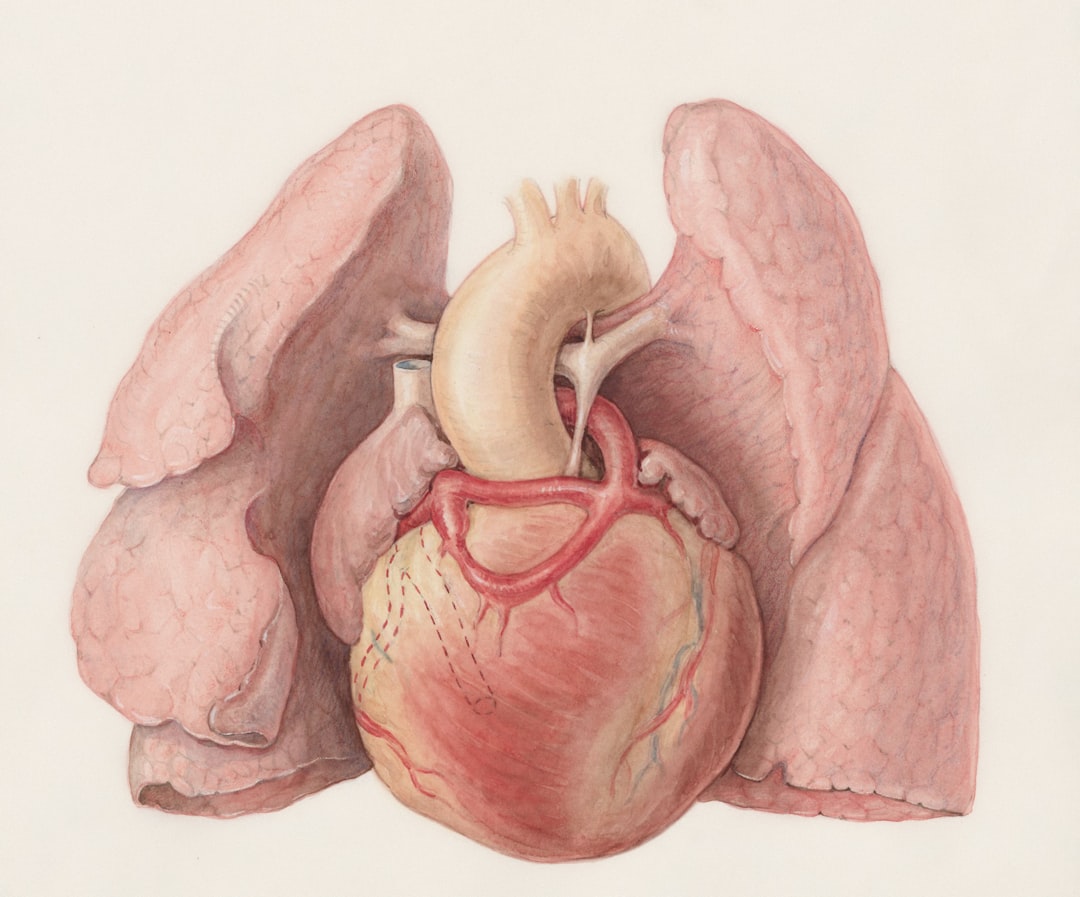
Heart blockage, medically referred to as atrioventricular (AV) block, is a condition characterized by the impairment of electrical signals that coordinate the heart’s rhythm. This disruption can lead to a variety of complications, including arrhythmias, syncope, and even heart failure. The heart’s electrical system is crucial for maintaining a consistent heartbeat, and any interference can result in significant health issues.
Heart blockage is classified into three degrees: first-degree, second-degree (which has two subtypes), and third-degree block, with the latter being the most severe and potentially life-threatening. The underlying causes of heart blockage can vary widely, ranging from congenital defects to acquired conditions such as ischemic heart disease, myocarditis, or the effects of certain medications. In some cases, the blockage may be transient, while in others, it can be chronic and progressive.
Understanding the nature of heart blockage is essential for effective management and treatment, particularly in women who may experience unique manifestations of this condition.
Key Takeaways
- Heart blockage occurs when the blood flow to the heart is blocked, leading to potential heart attacks and other serious complications.
- Risk factors for heart blockage in women include high blood pressure, high cholesterol, diabetes, smoking, and a family history of heart disease.
- Common symptoms of heart blockage in women include chest pain or discomfort, shortness of breath, fatigue, and nausea.
- Women may experience different symptoms of heart blockage compared to men, such as pain in the back, jaw, or throat, and unusual fatigue.
- Silent heart blockage symptoms in women may include dizziness, lightheadedness, and unexplained anxiety or weakness.
- Atypical symptoms of heart blockage in women should not be ignored, and medical attention should be sought if experiencing any unusual or persistent symptoms.
- Seeking medical attention for heart blockage symptoms is crucial for timely diagnosis and treatment to prevent further complications.
- Diagnostic tests for heart blockage in women may include electrocardiogram (ECG), stress tests, echocardiogram, and coronary angiography.
- Treatment options for heart blockage in women may include medications, angioplasty, stent placement, or coronary artery bypass surgery.
- Lifestyle changes to reduce the risk of heart blockage in women include maintaining a healthy diet, regular exercise, quitting smoking, managing stress, and controlling underlying health conditions.
- Support and resources for women with heart blockage are available through healthcare providers, support groups, and educational materials to help manage the condition and improve quality of life.
Risk Factors for Heart Blockage in Women
Women face distinct risk factors that can contribute to the development of heart blockage. Age is a significant factor; as women age, particularly post-menopause, their risk for cardiovascular diseases increases due to hormonal changes that affect vascular health. Additionally, conditions such as hypertension, diabetes mellitus, and hyperlipidemia are prevalent among women and can exacerbate the likelihood of heart blockage.
Lifestyle choices also play a critical role in the risk profile for women. Sedentary behavior, poor dietary habits, smoking, and excessive alcohol consumption can all contribute to cardiovascular deterioration. Furthermore, psychological stress and depression have been linked to increased cardiovascular risk in women, highlighting the importance of mental health in overall heart health.
Recognizing these risk factors is vital for early intervention and prevention strategies.
Common Symptoms of Heart Blockage in Women

The symptoms of heart blockage can vary significantly among individuals, but common manifestations include fatigue, dizziness, palpitations, and shortness of breath. Women may also experience atypical symptoms such as nausea or abdominal discomfort, which can complicate diagnosis. These symptoms often arise due to the heart’s inability to pump blood effectively, leading to reduced oxygen supply to vital organs.
In more severe cases, women may experience syncope or near-syncope episodes, where they feel faint or lose consciousness due to inadequate blood flow to the brain. It is crucial for women to be aware of these symptoms and seek medical attention promptly, as timely intervention can prevent further complications and improve outcomes.
Differences in Symptoms Between Men and Women
| Symptom | Men | Women |
|---|---|---|
| Chest pain or discomfort | Common | Less common |
| Shortness of breath | Common | Common |
| Nausea or vomiting | Less common | Common |
| Back or jaw pain | Common | Less common |
| Extreme fatigue | Less common | Common |
Research indicates that there are notable differences in how men and women experience heart blockage symptoms. While men often present with classic symptoms such as chest pain or tightness, women may exhibit more subtle signs that can be easily overlooked. For instance, women are more likely to report fatigue and emotional distress rather than overt chest discomfort.
Additionally, the presentation of symptoms can vary based on age and comorbidities. Younger women may experience atypical symptoms that do not align with traditional cardiovascular presentations, while older women may have more pronounced symptoms due to the cumulative effects of aging and other health conditions. Understanding these differences is essential for healthcare providers to ensure accurate diagnosis and appropriate treatment.
Silent Heart Blockage Symptoms in Women
Silent heart blockage refers to cases where individuals do not exhibit noticeable symptoms despite having significant electrical conduction issues within the heart. This phenomenon is particularly concerning in women, as they may not recognize the severity of their condition until it progresses to a critical stage. Silent heart blockage can lead to serious complications such as sudden cardiac arrest if left undetected.
Women are often underdiagnosed for cardiovascular conditions due to the misconception that they are less likely to experience heart disease compared to men. This oversight can result in missed opportunities for early intervention. Regular check-ups and awareness of personal risk factors are crucial for women to identify potential silent heart issues before they escalate.
Recognizing Atypical Symptoms of Heart Blockage in Women
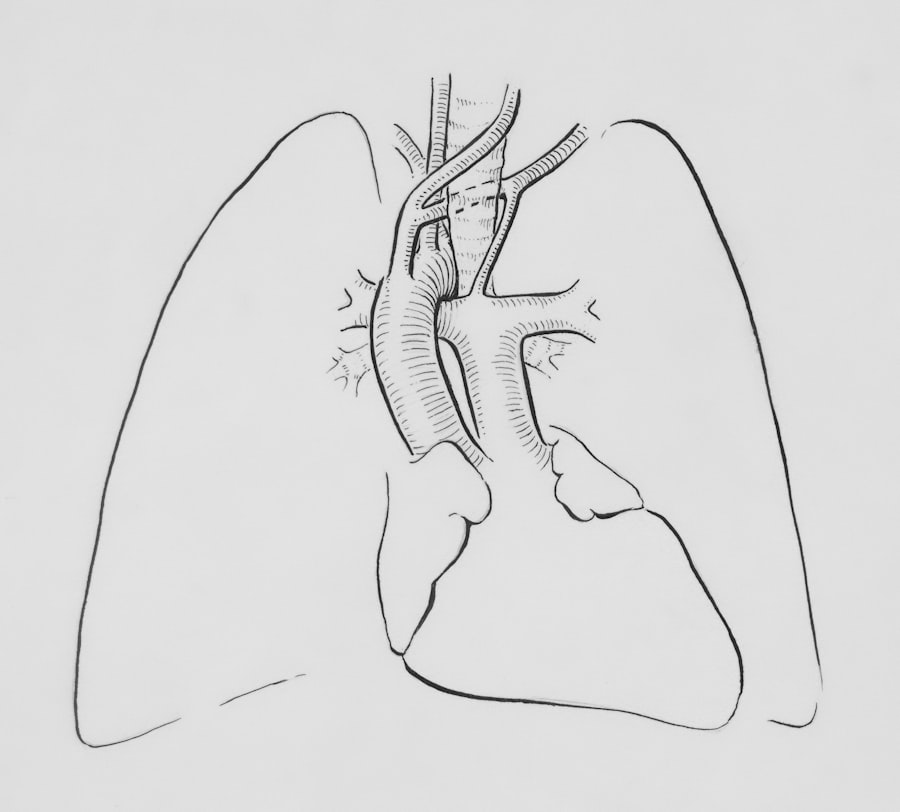
Atypical symptoms of heart blockage in women can include a range of non-specific complaints that may not immediately suggest a cardiac issue. These can encompass feelings of anxiety, unexplained fatigue, sleep disturbances, or gastrointestinal discomfort. Such symptoms can often be attributed to stress or other non-cardiac conditions, leading to delays in seeking appropriate medical evaluation.
It is essential for women to advocate for their health by communicating any unusual symptoms to their healthcare providers. A thorough assessment that considers both typical and atypical presentations can facilitate timely diagnosis and treatment. Awareness campaigns aimed at educating women about these atypical symptoms can empower them to seek help sooner.
Seeking Medical Attention for Heart Blockage Symptoms
Prompt medical attention is critical when experiencing symptoms indicative of heart blockage. Women should not hesitate to seek care if they notice any concerning signs such as persistent fatigue, dizziness, or palpitations. Early intervention can significantly improve outcomes and reduce the risk of severe complications.
Healthcare providers should conduct a comprehensive evaluation that includes a detailed medical history and physical examination. In some cases, referral to a cardiologist may be necessary for further assessment and management. Women should feel empowered to discuss their symptoms openly and advocate for appropriate diagnostic testing if warranted.
Diagnostic Tests for Heart Blockage in Women
Several diagnostic tests are available to evaluate heart blockage effectively. An electrocardiogram (ECG) is often the first-line test used to assess electrical conduction within the heart. This non-invasive procedure records the heart’s electrical activity and can identify various types of blockages.
Additional tests may include echocardiography, which uses ultrasound waves to visualize heart structures and assess function; Holter monitoring for continuous ECG recording over 24-48 hours; and stress testing to evaluate how the heart performs under physical exertion. In some cases, advanced imaging techniques such as cardiac MRI or CT angiography may be employed for a more detailed assessment.
Treatment Options for Heart Blockage in Women
Treatment options for heart blockage depend on the severity of the condition and the underlying cause. In mild cases, lifestyle modifications such as dietary changes, increased physical activity, and medication management may suffice. However, more severe blockages may necessitate interventions such as pacemaker implantation or catheter-based procedures.
Pacemakers are devices implanted under the skin that help regulate abnormal heart rhythms by delivering electrical impulses when necessary. This intervention has proven effective in managing symptomatic bradycardia associated with significant heart blockages. Additionally, medications such as beta-blockers or antiarrhythmic agents may be prescribed to manage symptoms and reduce the risk of complications.
Lifestyle Changes to Reduce the Risk of Heart Blockage in Women
Preventive measures play a crucial role in reducing the risk of heart blockage among women. Adopting a heart-healthy lifestyle can significantly impact overall cardiovascular health. Key recommendations include: 1. **Regular Exercise**: Engaging in at least 150 minutes of moderate-intensity aerobic activity per week can improve cardiovascular fitness.
2. **Balanced Diet**: Emphasizing fruits, vegetables, whole grains, lean proteins, and healthy fats while minimizing processed foods and sugars.
3. **Weight Management**: Maintaining a healthy weight through diet and exercise can reduce strain on the cardiovascular system.
4. **Smoking Cessation**: Quitting smoking is one of the most effective ways to lower cardiovascular risk.
5.
Support and Resources for Women with Heart Blockage
Women diagnosed with heart blockage can benefit from various support resources aimed at enhancing their understanding of the condition and promoting emotional well-being.
Educational resources from organizations such as the American Heart Association offer valuable information on managing heart health and understanding treatment options.
Additionally, healthcare providers can connect patients with nutritionists or exercise specialists who can tailor programs specific to their needs. In conclusion, understanding heart blockage is essential for effective management and prevention strategies among women. By recognizing risk factors, symptoms—both typical and atypical—and seeking timely medical attention, women can significantly improve their cardiovascular health outcomes.
Emphasizing lifestyle changes alongside appropriate medical interventions will empower women to take control of their heart health proactively.
Heart blockage in females can often present with symptoms that are different from those in males. It is important for women to be aware of these signs in order to seek timely medical attention. For more information on this topic, you can read the article “Tis the Season: Festive Article Titles,” which discusses the importance of recognizing and addressing heart blockage symptoms in females.
FAQs
What are the symptoms of heart blockage in females?
Common symptoms of heart blockage in females include chest pain or discomfort, shortness of breath, fatigue, dizziness, lightheadedness, and heart palpitations.
Are the symptoms of heart blockage different in females compared to males?
Yes, the symptoms of heart blockage in females can be different from those in males. Females may experience atypical symptoms such as fatigue, shortness of breath, and nausea, rather than the classic chest pain often seen in males.
What should females do if they experience symptoms of heart blockage?
Females experiencing symptoms of heart blockage should seek immediate medical attention. It is important not to ignore these symptoms, as early intervention can be crucial in preventing further complications.
What are the risk factors for heart blockage in females?
Risk factors for heart blockage in females include high blood pressure, high cholesterol, diabetes, obesity, smoking, a sedentary lifestyle, and a family history of heart disease.
Can heart blockage in females be prevented?
Heart blockage in females can be prevented by maintaining a healthy lifestyle, including regular exercise, a balanced diet, managing stress, avoiding smoking, and getting regular check-ups with a healthcare provider.