Now Reading: Understanding Sezary Syndrome: Symptoms and Treatment Options
-
01
Understanding Sezary Syndrome: Symptoms and Treatment Options
Understanding Sezary Syndrome: Symptoms and Treatment Options

Sezary Syndrome is a rare and aggressive form of cutaneous T-cell lymphoma (CTCL), characterized by the proliferation of malignant T-cells in the skin, blood, and lymphatic system. This condition is named after the French dermatologist Albert Sézary, who first described it in the 1930s. Sezary Syndrome is considered a leukemic form of CTCL, where the neoplastic T-cells circulate in the peripheral blood, leading to systemic manifestations.
The disease typically presents in adults, with a higher incidence in males, and is often associated with a poor prognosis due to its aggressive nature. The pathophysiology of Sezary Syndrome involves the clonal expansion of CD4+ T-lymphocytes that exhibit abnormal behavior, including resistance to apoptosis and increased proliferation. These malignant cells infiltrate the skin, leading to characteristic symptoms such as erythroderma, lymphadenopathy, and pruritus.
The disease can also affect internal organs, contributing to systemic complications. Understanding the complexities of Sezary Syndrome is crucial for developing effective treatment strategies and improving patient outcomes.
Key Takeaways
- Sezary Syndrome is a rare and aggressive form of cutaneous T-cell lymphoma that affects the skin and blood.
- Signs and symptoms of Sezary Syndrome include red, itchy skin, thickened plaques, and enlarged lymph nodes.
- Diagnosing Sezary Syndrome involves a physical exam, skin biopsy, blood tests, and imaging studies.
- The exact cause of Sezary Syndrome is unknown, but it is thought to be related to genetic mutations and immune system dysfunction.
- Treatment options for Sezary Syndrome may include targeted therapy, chemotherapy, immunotherapy, and stem cell transplant, depending on the individual’s condition and response to treatment.
Signs and Symptoms of Sezary Syndrome
The clinical presentation of Sezary Syndrome is multifaceted and can vary significantly among individuals. One of the hallmark signs is erythroderma, which manifests as widespread redness and scaling of the skin. This condition can cover more than 80% of the body surface area, leading to significant discomfort and distress for patients.
Accompanying this skin involvement is often severe pruritus, which can be debilitating and impact the quality of life. In addition to skin symptoms, patients may experience lymphadenopathy, which refers to the enlargement of lymph nodes due to the infiltration of malignant T-cells. This can lead to palpable masses in various regions of the body, including the neck, axillae, and groin.
Systemic symptoms such as fatigue, weight loss, and fever may also occur, indicating a more advanced stage of the disease. Furthermore, patients may develop erythrodermic plaques or tumors that can become ulcerated or infected, complicating management and increasing morbidity.
Diagnosing Sezary Syndrome

Diagnosing Sezary Syndrome requires a comprehensive approach that includes clinical evaluation, laboratory tests, and histopathological examination. A thorough medical history and physical examination are essential for identifying characteristic signs such as erythroderma and lymphadenopathy. Blood tests are performed to assess for the presence of atypical T-cells in circulation, which is a key diagnostic criterion.
A definitive diagnosis often involves skin biopsies to evaluate histological features under a microscope. The presence of atypical lymphocytes with cerebriform nuclei in the epidermis or dermis is indicative of Sezary Syndrome. Immunophenotyping through flow cytometry can further characterize the malignant T-cells by identifying specific surface markers. Genetic studies may also be conducted to detect chromosomal abnormalities associated with the disease. Collectively, these diagnostic modalities help establish an accurate diagnosis and guide subsequent treatment decisions.
Understanding the Causes of Sezary Syndrome
| Causes of Sezary Syndrome | Metrics |
|---|---|
| Genetic mutations | Frequency of mutations in affected individuals |
| Environmental factors | Exposure to potential triggers such as chemicals or radiation |
| Immune system dysfunction | Abnormalities in T-cell function and regulation |
| Viral infections | Association with certain viruses and their impact on disease development |
The exact etiology of Sezary Syndrome remains largely unknown; however, several factors have been implicated in its development. Genetic predisposition plays a significant role, as certain chromosomal abnormalities have been identified in patients with CTCL. Environmental factors such as exposure to ultraviolet radiation or chemical agents may also contribute to the pathogenesis of this malignancy.
Additionally, immunological dysregulation is a critical aspect of Sezary Syndrome. Patients often exhibit alterations in immune function, including impaired T-cell responses and increased susceptibility to infections. Chronic inflammation within the skin may further exacerbate the disease process.
Understanding these underlying mechanisms is essential for developing targeted therapies that address both the malignant cells and the associated immune dysfunction.
Treatment Options for Sezary Syndrome
The management of Sezary Syndrome is complex and requires a multidisciplinary approach tailored to individual patient needs. Treatment options vary based on disease stage, patient health status, and response to previous therapies. The primary goals of treatment are to control symptoms, reduce tumor burden, and improve overall quality of life.
Topical therapies may be employed for localized skin involvement, including corticosteroids and retinoids. Phototherapy using ultraviolet light can also be beneficial in managing erythroderma and pruritus. Systemic therapies are often necessary for more advanced disease and may include chemotherapy, immunotherapy, or targeted agents.
Regular monitoring and follow-up are crucial to assess treatment efficacy and manage potential side effects.
Targeted Therapy for Sezary Syndrome
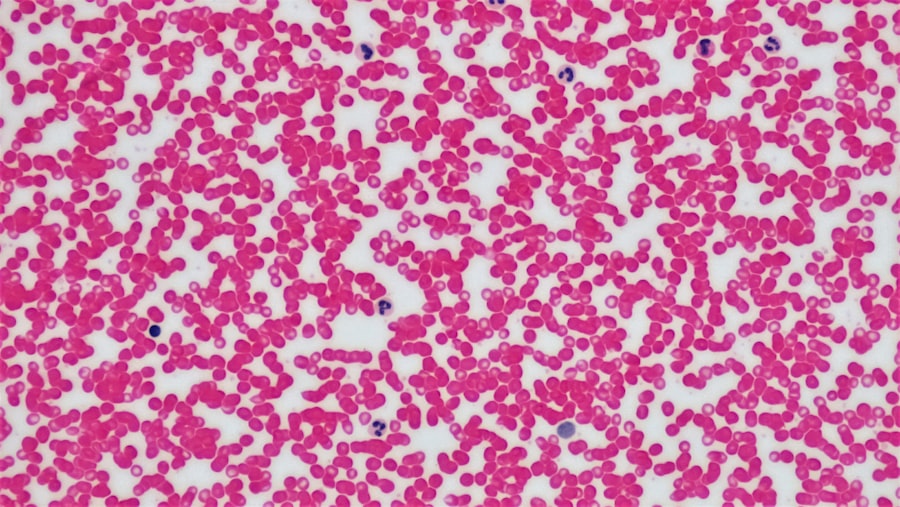
Targeted therapy has emerged as a promising approach in the treatment of Sezary Syndrome, focusing on specific molecular pathways involved in tumor growth and survival. One such agent is mogamulizumab, a monoclonal antibody that targets CCR4, a chemokine receptor overexpressed on malignant T-cells in Sezary Syndrome. By inhibiting this receptor, mogamulizumab enhances immune-mediated destruction of neoplastic cells.
Clinical trials have demonstrated that mogamulizumab can lead to significant reductions in tumor burden and improvement in skin symptoms for patients with advanced disease. Other targeted therapies are under investigation, including agents that inhibit signaling pathways involved in T-cell activation and proliferation. These innovative treatments offer hope for improved outcomes in patients with this challenging malignancy.
Chemotherapy for Sezary Syndrome
Chemotherapy remains a cornerstone in the management of Sezary Syndrome, particularly for patients with extensive disease or those who do not respond to other treatments. Commonly used chemotherapeutic agents include methotrexate, gemcitabine, and doxorubicin. These drugs work by targeting rapidly dividing cells, thereby reducing tumor burden.
Combination chemotherapy regimens may also be employed to enhance efficacy while minimizing resistance development. However, chemotherapy is associated with significant side effects such as myelosuppression, nausea, and increased risk of infections. Therefore, careful patient selection and monitoring are essential to optimize treatment outcomes while managing adverse effects effectively.
Immunotherapy for Sezary Syndrome
Immunotherapy has revolutionized cancer treatment by harnessing the body’s immune system to target malignant cells more effectively. In Sezary Syndrome, various immunotherapeutic strategies are being explored. One notable approach involves checkpoint inhibitors that block proteins preventing T-cells from attacking cancer cells.
Agents such as pembrolizumab and nivolumab have shown promise in early clinical trials for patients with advanced Sezary Syndrome. These therapies aim to restore immune function and enhance anti-tumor responses. While immunotherapy offers exciting potential benefits, it is essential to monitor patients closely for immune-related adverse events that may arise during treatment.
Stem Cell Transplant for Sezary Syndrome
For select patients with refractory or relapsed Sezary Syndrome, stem cell transplantation may be considered as a curative option. This procedure involves high-dose chemotherapy followed by the infusion of hematopoietic stem cells from a matched donor or autologous source. The goal is to eradicate malignant cells while reconstituting healthy bone marrow.
Stem cell transplantation carries significant risks, including graft-versus-host disease (GVHD) and infections due to immunosuppression. Therefore, careful patient selection is critical to ensure that candidates are suitable for this intensive treatment modality. Long-term follow-up is necessary to monitor for potential complications and assess treatment success.
Managing Symptoms and Side Effects of Sezary Syndrome Treatment
Effective management of symptoms and side effects associated with Sezary Syndrome treatment is paramount for improving patient quality of life. Supportive care measures should be implemented alongside active treatment strategies. For instance, topical emollients can alleviate skin dryness and irritation caused by erythroderma.
Patients undergoing chemotherapy or immunotherapy may experience fatigue, nausea, or myelosuppression; therefore, antiemetic medications and growth factors may be prescribed to mitigate these effects. Psychological support through counseling or support groups can also be beneficial in addressing emotional challenges faced by patients during their treatment journey.
Support and Resources for Individuals with Sezary Syndrome
Individuals diagnosed with Sezary Syndrome can benefit from various support resources aimed at enhancing their well-being and providing education about their condition. Organizations such as the Cutaneous Lymphoma Foundation offer valuable information on treatment options, clinical trials, and coping strategies for patients and their families. Support groups provide a platform for individuals to connect with others facing similar challenges, fostering a sense of community and shared experiences.
Additionally, healthcare providers play a crucial role in guiding patients through their treatment journey by offering personalized care plans and addressing any concerns that may arise.
Diagnosis involves clinical evaluation and laboratory tests while treatment options range from topical therapies to advanced immunotherapy and stem cell transplantation.
Ongoing research continues to explore novel therapeutic approaches aimed at improving patient outcomes while managing symptoms effectively through supportive care resources available for those affected by this challenging condition.
If you or a loved one has been diagnosed with Sezary Syndrome, it is important to stay informed about the latest research and treatment options. One related article worth checking out is “Easter Monday: A Federal Holiday Explained”, which discusses the history and significance of this holiday. Stay informed and educated about Sezary Syndrome and other important topics to make informed decisions about your health.
FAQs
What is Sezary Syndrome?
Sezary syndrome is a rare and aggressive form of cutaneous T-cell lymphoma, a type of non-Hodgkin lymphoma. It is characterized by the presence of abnormal T-cells in the blood, skin, and lymph nodes.
What are the symptoms of Sezary Syndrome?
Symptoms of Sezary syndrome may include red, scaly skin, itching, enlarged lymph nodes, hair loss, and thickened skin on the palms and soles. Patients may also experience fatigue, weight loss, and night sweats.
What causes Sezary Syndrome?
The exact cause of Sezary syndrome is unknown. It is believed to be related to genetic mutations in T-cells, which leads to the abnormal growth and accumulation of these cells in the skin and blood.
How is Sezary Syndrome diagnosed?
Diagnosis of Sezary syndrome involves a physical examination, blood tests, skin biopsies, and imaging studies such as CT scans or PET scans. Flow cytometry may also be used to analyze the abnormal T-cells in the blood.
What are the treatment options for Sezary Syndrome?
Treatment for Sezary syndrome may include skin-directed therapies such as topical steroids or phototherapy, systemic therapies such as chemotherapy or targeted therapy, and in some cases, stem cell transplantation. Patients may also receive supportive care to manage symptoms and improve quality of life.
What is the prognosis for Sezary Syndrome?
The prognosis for Sezary syndrome varies depending on the stage of the disease and the response to treatment. It is generally considered to be a more aggressive form of cutaneous T-cell lymphoma, and the 5-year survival rate is estimated to be around 50%.