Now Reading: Advanced Technique: Stereotactic Breast Biopsy
-
01
Advanced Technique: Stereotactic Breast Biopsy
Advanced Technique: Stereotactic Breast Biopsy
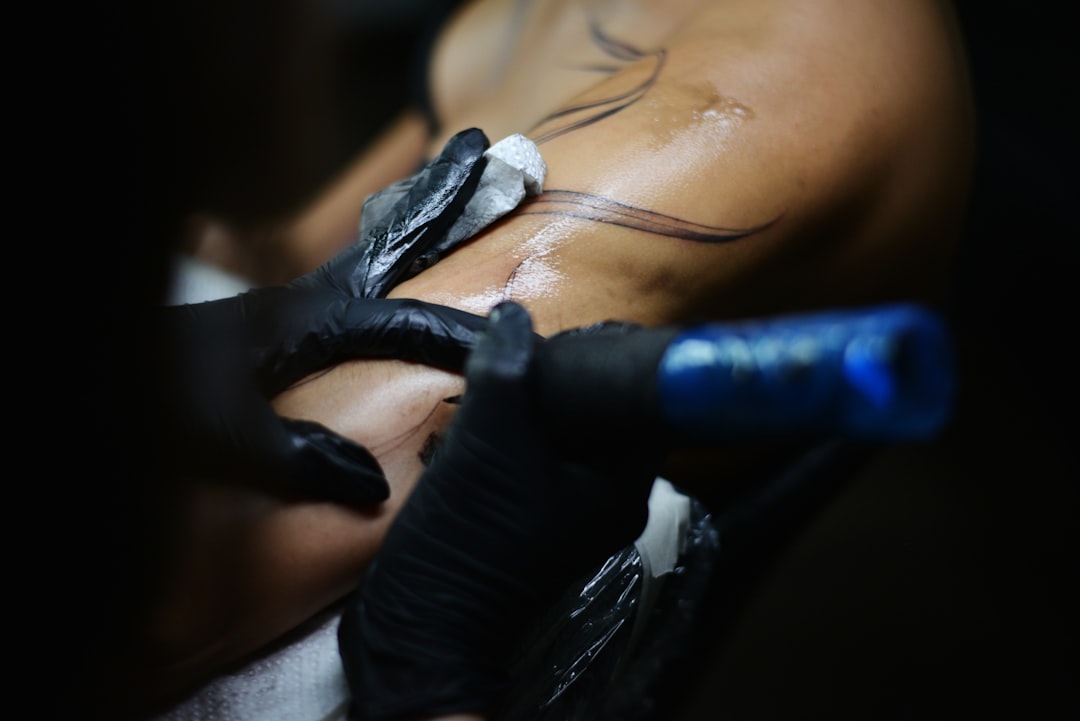
Stereotactic breast biopsy is a minimally invasive procedure designed to obtain tissue samples from suspicious breast lesions identified through mammography. This technique employs advanced imaging technology to precisely locate and target abnormalities that may not be palpable during a physical examination. Utilizing a combination of X-ray imaging and computer software, the procedure allows for accurate needle placement, ensuring that the sample collected is representative of the area of concern.
The stereotactic approach is particularly beneficial for detecting microcalcifications or small masses that may indicate the presence of breast cancer. By providing a three-dimensional view of the breast tissue, this method enhances the accuracy of the biopsy, reducing the likelihood of false negatives. The procedure is typically performed on an outpatient basis, allowing patients to return home shortly after completion.
Key Takeaways
- Stereotactic breast biopsy is a minimally invasive procedure used to obtain tissue samples from the breast for further examination.
- It is important because it helps to accurately diagnose breast abnormalities, including cancer, without the need for open surgery.
- Candidates for stereotactic breast biopsy are typically those with suspicious breast lumps, abnormal mammogram findings, or other breast abnormalities.
- The procedure is performed using a specialized imaging machine to precisely locate and extract tissue samples from the breast.
- Benefits of stereotactic breast biopsy include minimal scarring, shorter recovery time, and the ability to accurately diagnose breast abnormalities.
The Importance of Stereotactic Breast Biopsy
The significance of stereotactic breast biopsy cannot be overstated, as it plays a crucial role in the early detection and diagnosis of breast cancer. Early intervention is paramount in improving patient outcomes, and this biopsy technique facilitates timely diagnosis, enabling healthcare providers to initiate appropriate treatment plans. By obtaining tissue samples from suspicious areas, clinicians can determine whether cancerous cells are present, guiding further management strategies.
Moreover, stereotactic breast biopsy is less invasive than traditional surgical biopsies, which often require larger incisions and longer recovery times. This method minimizes patient discomfort and reduces the risk of complications associated with more invasive procedures.
Who is a Candidate for Stereotactic Breast Biopsy?

Candidates for stereotactic breast biopsy typically include women who have undergone mammography that has revealed suspicious findings, such as microcalcifications or masses that warrant further investigation. Additionally, individuals with a family history of breast cancer or those with genetic predispositions may also be recommended for this procedure as part of their comprehensive screening and diagnostic process. It is essential for healthcare providers to assess each patient’s unique circumstances before recommending a stereotactic breast biopsy. Factors such as age, overall health status, and personal preferences should be considered. Patients who are pregnant or breastfeeding may require alternative diagnostic approaches due to potential risks associated with radiation exposure.
How Stereotactic Breast Biopsy is Performed
| Procedure | Details |
|---|---|
| Preparation | Local anesthesia is administered to numb the breast area. |
| Imaging | Imaging techniques such as mammography or ultrasound are used to locate the abnormal tissue. |
| Biopsy | A small incision is made, and a needle is inserted to remove tissue samples for examination. |
| Post-procedure | Pressure is applied to the biopsy site to stop any bleeding, and a sterile dressing is applied. |
| Results | The tissue samples are sent to a laboratory for analysis, and results are typically available within a few days. |
The procedure begins with the patient being positioned comfortably on an examination table, typically lying face down with the affected breast positioned through an opening in the table. The radiologist will then perform a mammogram to identify the precise location of the abnormality. Once identified, local anesthesia is administered to minimize discomfort during the biopsy.
Using a specialized device known as a stereotactic biopsy system, the radiologist will guide a thin needle into the targeted area based on the imaging results. The needle is then used to extract small tissue samples, which are subsequently sent to a pathology lab for analysis. The entire process usually takes about 30 to 60 minutes, and patients are monitored for a short period before being discharged.
Benefits of Stereotactic Breast Biopsy
Stereotactic breast biopsy offers numerous advantages over traditional biopsy methods. One of the primary benefits is its minimally invasive nature, which results in less pain and scarring compared to surgical biopsies. Patients can often resume normal activities shortly after the procedure, making it a convenient option for many.
Additionally, the accuracy of stereotactic breast biopsy significantly reduces the chances of needing repeat procedures. By obtaining precise tissue samples from targeted areas, healthcare providers can make informed decisions regarding diagnosis and treatment without unnecessary delays. Furthermore, this technique has been shown to have high sensitivity and specificity rates, enhancing its reliability as a diagnostic tool.
Risks and Complications of Stereotactic Breast Biopsy
While stereotactic breast biopsy is generally considered safe, there are potential risks and complications associated with the procedure. Common side effects include localized bruising, swelling, and tenderness at the biopsy site. These symptoms typically resolve within a few days but may cause temporary discomfort for some patients.
In rare cases, more serious complications can occur, such as infection or excessive bleeding. Patients with certain medical conditions or those taking anticoagulant medications may be at higher risk for these complications. It is crucial for individuals to discuss their medical history with their healthcare provider prior to undergoing the procedure to ensure appropriate precautions are taken.
Recovery and Aftercare Following Stereotactic Breast Biopsy
Post-procedure recovery for stereotactic breast biopsy is generally straightforward. Patients are advised to rest for the remainder of the day and avoid strenuous activities for at least 24 hours. Ice packs can be applied to the biopsy site to alleviate swelling and discomfort.
Over-the-counter pain relievers may also be recommended to manage any mild pain experienced after the procedure. Follow-up appointments are essential to discuss pathology results and determine any necessary next steps in management. Patients should monitor their biopsy site for signs of infection, such as increased redness or discharge, and report any concerning symptoms to their healthcare provider promptly.
Comparing Stereotactic Breast Biopsy to Other Biopsy Techniques
Stereotactic breast biopsy stands out among various biopsy techniques due to its precision and minimally invasive nature. Unlike fine needle aspiration (FNA), which may not provide sufficient tissue for accurate diagnosis, or excisional biopsies that require larger incisions and longer recovery times, stereotactic biopsies offer a balanced approach that combines accuracy with patient comfort. Another common alternative is ultrasound-guided biopsy, which utilizes real-time imaging to guide needle placement.
While ultrasound guidance can be effective for palpable masses or cysts, it may not be suitable for non-palpable lesions detected on mammograms. Stereotactic biopsies excel in targeting these elusive abnormalities, making them an invaluable tool in breast cancer diagnostics.
The Role of Stereotactic Breast Biopsy in Breast Cancer Diagnosis
Stereotactic breast biopsy plays an integral role in the diagnostic pathway for breast cancer.
The ability to accurately diagnose breast cancer at an early stage significantly enhances prognosis and survival rates.
Furthermore, stereotactic biopsies contribute to ongoing research efforts aimed at understanding breast cancer biology and improving treatment modalities. As more data becomes available from these procedures, healthcare professionals can refine their approaches to screening and intervention strategies.
Advances in Stereotactic Breast Biopsy Technology
Recent advancements in stereotactic breast biopsy technology have further enhanced its efficacy and safety profile. Innovations such as digital mammography and tomosynthesis (3D mammography) have improved lesion detection rates and localization accuracy. These technologies allow radiologists to visualize breast tissue in greater detail, facilitating more precise targeting during biopsies.
Additionally, automated biopsy devices have emerged that streamline the tissue sampling process while minimizing patient discomfort. These devices can perform multiple core samples in one insertion, reducing procedure time and enhancing overall patient experience.
Future Directions in Stereotactic Breast Biopsy Research
The future of stereotactic breast biopsy research holds promise for continued improvements in diagnostic accuracy and patient outcomes. Ongoing studies are exploring novel imaging techniques that may enhance lesion detection rates while minimizing radiation exposure. Furthermore, research into personalized medicine approaches may lead to tailored interventions based on individual tumor characteristics identified through stereotactic biopsies.
As technology evolves, there is potential for integrating artificial intelligence (AI) into the diagnostic process, allowing for more efficient analysis of imaging data and improved decision-making in patient care. In summary, stereotactic breast biopsy is a vital tool in the early detection and diagnosis of breast cancer. Its minimally invasive nature offers numerous benefits while maintaining high accuracy rates.
As advancements continue in technology and research, this procedure will likely play an even more significant role in shaping future breast cancer management strategies.
If you are considering investing in Amazon stock in 2025, you may also be interested in learning about the importance of Juneteenth as America’s newest federal holiday. This holiday, celebrated on November 11th, honors veterans who have served our country. In a similar vein, understanding the advancements in medical technology such as stereotactic breast biopsy can also be crucial in improving healthcare for all individuals. To read more about the significance of Juneteenth and honoring veterans, check out this article.
FAQs
What is a stereotactic breast biopsy?
A stereotactic breast biopsy is a minimally invasive procedure used to obtain a tissue sample from the breast for further examination. It is typically performed when a suspicious area is detected on a mammogram.
How is a stereotactic breast biopsy performed?
During a stereotactic breast biopsy, the patient lies on a specially designed table while the breast is positioned through an opening in the table. Using mammography, the radiologist locates the area of concern and guides a needle to the precise location to obtain a tissue sample.
What are the benefits of a stereotactic breast biopsy?
Stereotactic breast biopsy offers several benefits, including being less invasive than surgical biopsy, causing minimal scarring, and allowing for quicker recovery. It also provides accurate and reliable results.
What are the risks of a stereotactic breast biopsy?
While stereotactic breast biopsy is generally considered safe, there are some potential risks, including bleeding, infection, and bruising at the biopsy site. In rare cases, there may be damage to nearby structures or complications related to anesthesia.
Who is a candidate for a stereotactic breast biopsy?
A patient may be a candidate for a stereotactic breast biopsy if a suspicious area is detected on a mammogram, ultrasound, or MRI. It is typically recommended when a lump or abnormality is found that cannot be felt during a physical examination.