Now Reading: Understanding Lymph Nodes in Breast Health
-
01
Understanding Lymph Nodes in Breast Health
Understanding Lymph Nodes in Breast Health
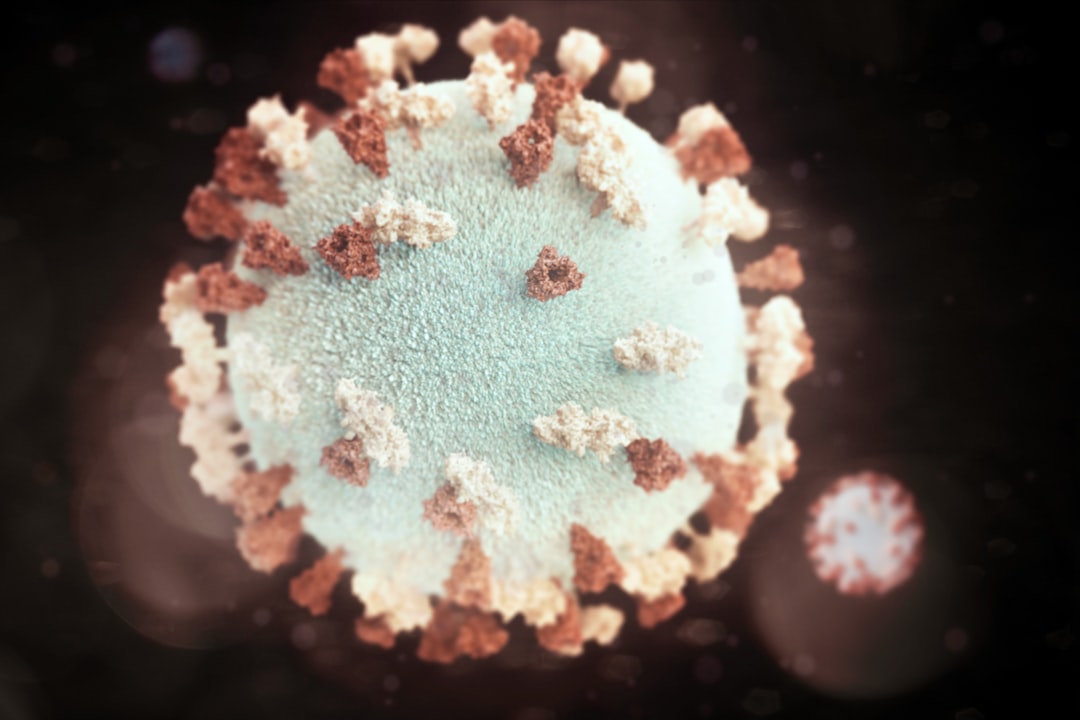
Lymph nodes are small, bean-shaped structures that play a crucial role in the body’s immune system. They are distributed throughout the body, primarily located in clusters in the neck, armpits, and groin. These nodes serve as filters for lymphatic fluid, which is a clear fluid that circulates through the lymphatic system, transporting white blood cells and other immune cells.
The primary function of lymph nodes is to trap pathogens, such as bacteria and viruses, as well as cancer cells, preventing them from spreading throughout the body. Each lymph node contains specialized cells, including lymphocytes and macrophages, which are essential for mounting an immune response. When the body detects an infection or malignancy, lymph nodes can become swollen and tender as they work to filter out harmful substances.
This swelling is often a sign that the immune system is actively responding to a threat. Understanding the structure and function of lymph nodes is vital for comprehending their role in breast health and overall well-being.
Key Takeaways
- Lymph nodes are small, bean-shaped structures that play a crucial role in the body’s immune system by filtering lymph fluid and trapping harmful substances.
- Lymph nodes in the breast help in detecting and fighting off infections and diseases, including breast cancer.
- Lymph nodes are connected to the breasts through a network of lymphatic vessels, which carry lymph fluid containing immune cells.
- Evaluating the status of lymph nodes is important in diagnosing and staging breast cancer, as it helps determine the spread of cancer cells.
- Common lymph node-related breast health issues include lymphadenopathy (enlarged lymph nodes) and lymphedema (swelling caused by lymphatic system blockage).
The Role of Lymph Nodes in Breast Health
Lymph nodes are integral to breast health, particularly in the context of breast cancer. The axillary lymph nodes, located in the armpit region, are particularly significant as they drain lymphatic fluid from the breast tissue. When breast tissue is compromised by disease, such as cancer, these nodes can become involved in the disease process.
The presence of cancer cells in lymph nodes can indicate that the cancer has spread beyond the primary tumor site, which can significantly influence treatment decisions and prognosis. In addition to their role in cancer detection, lymph nodes also contribute to the overall health of breast tissue by facilitating the removal of waste products and excess fluid. This function helps maintain a balanced environment within the breast, promoting healthy tissue regeneration and repair.
Therefore, maintaining optimal lymphatic function is essential for preserving breast health and preventing potential complications.
How Lymph Nodes are Connected to the Breasts
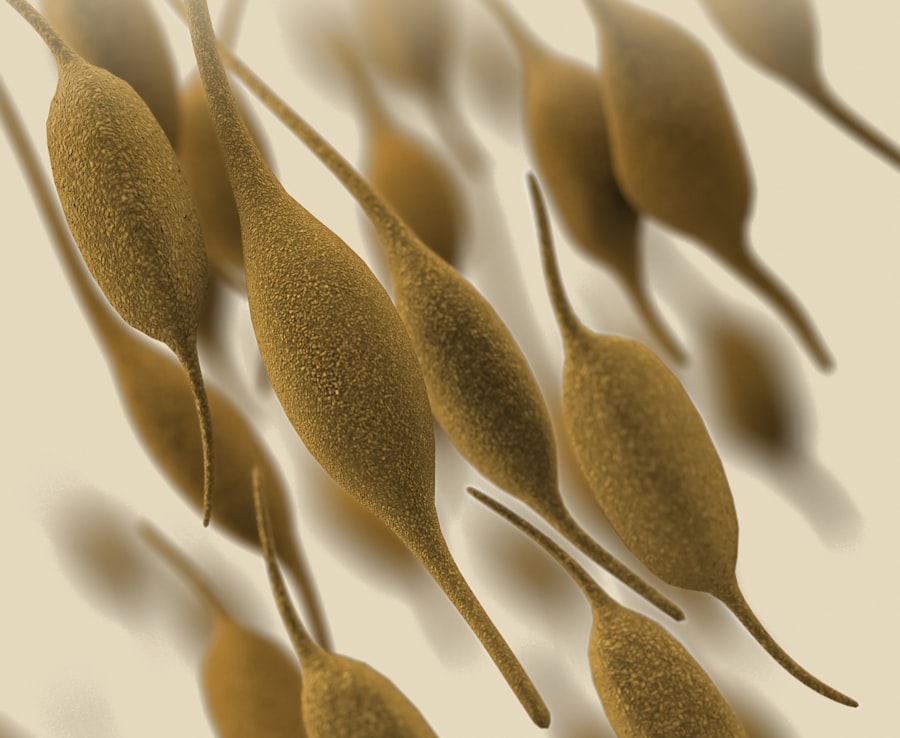
The connection between lymph nodes and breasts is primarily established through the lymphatic system. The lymphatic vessels transport lymph fluid from breast tissue to regional lymph nodes, particularly those located in the axilla (armpit). This network of vessels ensures that any harmful substances or abnormal cells present in breast tissue are efficiently filtered through the lymph nodes.
The drainage pattern of lymphatic fluid from the breasts is complex and varies among individuals. Typically, lymphatic fluid from the upper outer quadrant of the breast drains into the axillary lymph nodes, while fluid from the inner quadrants may drain into supraclavicular or internal mammary nodes. Understanding these drainage patterns is crucial for healthcare providers when assessing potential metastasis in breast cancer patients.
The Importance of Lymph Node Evaluation in Breast Cancer Diagnosis
| Study | Findings |
|---|---|
| SEER database study | Found that evaluation of lymph nodes is crucial for accurate staging and treatment planning |
| National Surgical Adjuvant Breast and Bowel Project (NSABP) B-32 trial | Demonstrated that evaluation of lymph nodes can impact prognosis and treatment decisions |
| Meta-analysis of clinical trials | Highlighted the association between lymph node status and survival outcomes in breast cancer patients |
Lymph node evaluation is a critical component of breast cancer diagnosis and staging. During initial assessments, healthcare providers often perform imaging studies such as ultrasound or MRI to evaluate lymph node involvement. If abnormalities are detected, a biopsy may be performed to determine whether cancer cells are present.
The status of lymph nodes significantly impacts treatment planning. For instance, if cancer is found in the axillary lymph nodes, it may indicate a more advanced stage of disease, necessitating more aggressive treatment options such as chemotherapy or radiation therapy. Conversely, if lymph nodes are free of cancer, it may allow for less invasive treatment approaches.
Therefore, accurate evaluation of lymph node status is essential for tailoring individualized treatment plans and improving patient outcomes.
Several health issues can arise related to lymph nodes and breast health. One common concern is lymphedema, which occurs when lymph fluid accumulates due to impaired drainage from the lymphatic system. This condition can develop after surgical removal of lymph nodes during breast cancer treatment or radiation therapy.
Symptoms include swelling in the arm or chest area, discomfort, and a feeling of heaviness. Another issue is lymphadenopathy, which refers to swollen or enlarged lymph nodes due to infection or malignancy. In breast health contexts, this can indicate potential metastasis or infection within breast tissue.
Regular monitoring of lymph node status is essential for early detection of these issues and timely intervention.
Understanding Lymph Node Biopsy and its Role in Breast Health
A lymph node biopsy is a diagnostic procedure used to assess whether cancer has spread to nearby lymph nodes. There are two primary types of biopsies: fine needle aspiration (FNA) and excisional biopsy. FNA involves using a thin needle to extract a small sample of tissue from the lymph node for examination under a microscope.
Excisional biopsy involves surgically removing an entire lymph node for analysis. The results of a lymph node biopsy provide critical information regarding cancer staging and treatment planning. If cancer cells are detected in the sampled lymph node(s), it may indicate that the disease has progressed beyond the primary tumor site.
This information helps oncologists determine the most appropriate course of action, including potential chemotherapy or radiation therapy.
Lymph Node Involvement in Breast Cancer Staging
Lymph node involvement is a key factor in determining the stage of breast cancer, which influences prognosis and treatment options. The American Joint Committee on Cancer (AJCC) staging system classifies breast cancer based on tumor size (T), nodal involvement (N), and metastasis (M). The presence of cancer in regional lymph nodes (N1-N3) indicates a more advanced stage compared to cases where no nodal involvement is detected (N0).
For instance, if cancer cells are found in one to three axillary lymph nodes (N1), it may be classified as Stage II breast cancer. However, if there is extensive nodal involvement (N3), it may be classified as Stage III or IV, indicating a more aggressive disease course. Understanding these classifications helps guide treatment decisions and provides insight into expected outcomes.
How to Monitor Lymph Node Health for Breast Cancer Survivors
For breast cancer survivors, monitoring lymph node health is essential for early detection of potential complications such as lymphedema or recurrence of disease. Regular follow-up appointments with healthcare providers should include assessments of any changes in swelling or discomfort in the arms or chest area. Self-monitoring techniques can also be beneficial.
Survivors should be educated on recognizing signs of lymphedema, such as persistent swelling or changes in skin texture. Engaging in gentle exercises that promote lymphatic drainage can also help maintain optimal lymph node function and overall breast health.
Lymphedema: A Potential Complication of Lymph Node Surgery
Lymphedema is a significant concern for individuals who have undergone surgery involving lymph node removal or radiation therapy for breast cancer treatment. This condition arises when there is an accumulation of lymph fluid due to disrupted drainage pathways. Symptoms may include swelling, heaviness, and discomfort in the affected limb.
In some cases, specialized therapies such as manual lymphatic drainage (MLD) or compression garments may be recommended to manage symptoms effectively.
Tips for Maintaining Healthy Lymph Nodes and Breast Health
Maintaining healthy lymph nodes and promoting overall breast health involves adopting a holistic approach that includes lifestyle modifications and regular medical check-ups. Here are several tips: 1. **Regular Exercise**: Engaging in physical activity helps stimulate lymphatic flow and reduces the risk of lymphedema.
2.
**Balanced Diet**: Consuming a diet rich in antioxidants, vitamins, and minerals supports immune function and overall health.
3. **Hydration**: Staying well-hydrated aids in maintaining optimal lymphatic function.
4. **Avoiding Infections**: Practicing good hygiene and promptly addressing any signs of infection can help protect lymphatic health.
5.
**Routine Check-ups**: Regular follow-ups with healthcare providers ensure early detection of any potential issues related to lymph nodes or breast health.
Navigating concerns related to lymph nodes and breast health can be challenging for patients and survivors alike. Seeking support from healthcare professionals, support groups, or counseling services can provide valuable resources and emotional assistance during this journey. Support groups offer a platform for individuals to share experiences and coping strategies while fostering a sense of community among those facing similar challenges.
Additionally, healthcare providers can offer guidance on managing symptoms related to lymphedema or other complications arising from treatment. In summary, understanding the role of lymph nodes in breast health is essential for early detection and effective management of potential issues such as breast cancer and lymphedema. Regular monitoring, lifestyle modifications, and seeking support can significantly enhance outcomes for individuals concerned about their breast health and overall well-being.
If you are interested in learning more about lymph nodes in the breast, you may want to check out this informative article on exploring the Amazon affiliate program. This article discusses how to generate passive income through affiliate marketing, which can be a helpful resource for those looking to supplement their income while dealing with health issues such as breast cancer. Understanding how to create a successful affiliate marketing strategy can provide financial stability during difficult times.
FAQs
What are lymph nodes in the breast?
Lymph nodes in the breast are small, bean-shaped structures that are part of the lymphatic system. They are responsible for filtering and trapping harmful substances, such as bacteria and cancer cells, before they can spread to other parts of the body.
Where are lymph nodes located in the breast?
Lymph nodes in the breast are located in the axillary (underarm) region, as well as in the chest and collarbone areas. They are connected by a network of lymphatic vessels that carry lymph fluid throughout the body.
What is the role of lymph nodes in the breast?
The main role of lymph nodes in the breast is to help the body fight infection and disease. They also play a crucial role in the spread of cancer, as cancer cells can travel through the lymphatic system and become trapped in the lymph nodes.
How are lymph nodes in the breast related to breast cancer?
Lymph nodes in the breast are often the first place where breast cancer cells spread. When breast cancer is diagnosed, doctors may check the nearby lymph nodes to see if the cancer has spread beyond the breast. This helps determine the stage of the cancer and the most appropriate treatment plan.
What are the symptoms of lymph node involvement in breast cancer?
Symptoms of lymph node involvement in breast cancer may include swelling or a lump in the armpit, changes in the size or shape of the breast, and skin changes such as redness or dimpling. It is important to consult a healthcare professional if any of these symptoms are present.
How are lymph nodes in the breast evaluated for cancer spread?
Lymph nodes in the breast are evaluated for cancer spread through various methods, including physical examination, imaging tests (such as ultrasound or MRI), and biopsy. A biopsy involves removing a small sample of tissue from the lymph node to be examined under a microscope for the presence of cancer cells.