Now Reading: Understanding Familial Adenomatous Polyposis: A Genetic Condition
-
01
Understanding Familial Adenomatous Polyposis: A Genetic Condition
Understanding Familial Adenomatous Polyposis: A Genetic Condition

Familial Adenomatous Polyposis (FAP) is a hereditary condition characterized by the development of numerous adenomatous polyps in the colon and rectum, typically beginning in adolescence or early adulthood. These polyps are precursors to colorectal cancer, with nearly a 100% risk of malignancy if left untreated. FAP is caused by mutations in the APC (Adenomatous Polyposis Coli) gene, which plays a crucial role in regulating cell growth and apoptosis.
The condition is classified as an autosomal dominant disorder, meaning that only one copy of the mutated gene inherited from an affected parent is sufficient to develop the disease. Individuals with FAP may develop hundreds to thousands of polyps, which can lead to significant gastrointestinal complications, including obstruction and bleeding. The polyps can also manifest in other organs, such as the stomach and small intestine, leading to a broader spectrum of symptoms and complications.
Early detection and management are vital to prevent the progression to colorectal cancer, making awareness of this condition essential for at-risk individuals and their families.
Key Takeaways
- Familial Adenomatous Polyposis (FAP) is a rare genetic condition characterized by the development of numerous polyps in the colon and rectum.
- FAP is caused by a mutation in the APC gene, and it follows an autosomal dominant pattern of inheritance, meaning that a child has a 50% chance of inheriting the mutated gene from a parent with FAP.
- Symptoms of FAP may include rectal bleeding, abdominal pain, and changes in bowel habits, and diagnosis is typically made through a combination of genetic testing, colonoscopy, and imaging studies.
- Treatment and management of FAP often involves regular colonoscopies to monitor polyp growth, and surgical options such as colectomy may be recommended to reduce the risk of colon cancer.
- Genetic counseling plays a crucial role in FAP, providing individuals and families with information about the condition, inheritance patterns, and options for genetic testing and family planning.
Causes and Genetic Inheritance of Familial Adenomatous Polyposis
The primary cause of Familial Adenomatous Polyposis is a mutation in the APC gene located on chromosome 5. This gene is responsible for encoding a protein that regulates cell division and prevents tumor formation. Mutations can occur in various forms, including deletions, insertions, or point mutations, leading to a dysfunctional APC protein.
The inheritance pattern of FAP is autosomal dominant, which means that an individual only needs one mutated copy of the gene from either parent to inherit the condition. In addition to classic FAP, there are several subtypes, including attenuated FAP (AFAP), which presents with fewer polyps and a later onset of colorectal cancer. The genetic variability in FAP can lead to differences in clinical presentation and severity among affected individuals.
Genetic testing for APC mutations is crucial for family members of affected individuals, as it can help identify those at risk and facilitate early surveillance and intervention.
Symptoms and Diagnosis of Familial Adenomatous Polyposis
Symptoms of Familial Adenomatous Polyposis often emerge during late adolescence or early adulthood. Patients may experience gastrointestinal symptoms such as abdominal pain, diarrhea, rectal bleeding, and changes in bowel habits due to the presence of polyps. As the number of polyps increases, complications such as bowel obstruction or anemia from chronic blood loss may occur. Extraintestinal manifestations can also arise, including desmoid tumors, osteomas, and dental abnormalities. Diagnosis typically involves a combination of family history assessment, clinical evaluation, and endoscopic procedures.
Colonoscopy is the gold standard for detecting polyps in individuals with FAP. During this procedure, a flexible tube with a camera is inserted into the rectum to visualize the colon’s interior. Biopsies may be taken to confirm the presence of adenomatous polyps.
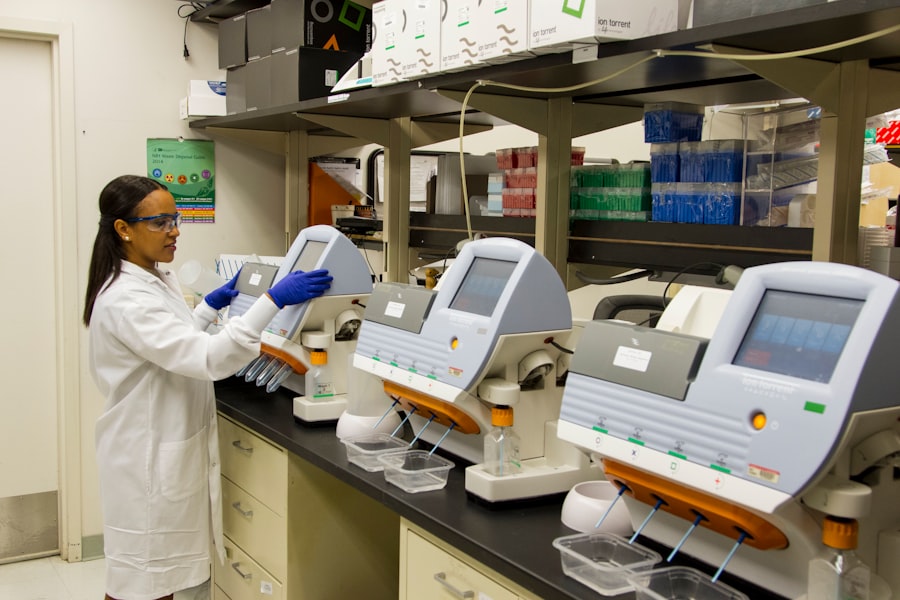
Genetic testing for mutations in the APC gene can provide definitive confirmation of FAP diagnosis and guide management strategies.
Treatment and Management of Familial Adenomatous Polyposis
| Treatment and Management of Familial Adenomatous Polyposis |
|---|
| Regular colonoscopy screenings starting in adolescence |
| Prophylactic colectomy to remove the colon and rectum |
| Endoscopic surveillance of the upper gastrointestinal tract |
| Use of nonsteroidal anti-inflammatory drugs (NSAIDs) to reduce polyp formation |
| Genetic counseling and testing for family members |
The cornerstone of treatment for Familial Adenomatous Polyposis is surgical intervention. Prophylactic colectomy, or surgical removal of the colon, is often recommended when numerous polyps are detected or when there is a significant risk of colorectal cancer. This procedure significantly reduces cancer risk but necessitates lifelong management of intestinal function.
In some cases, patients may undergo ileorectal anastomosis, where the rectum is preserved while the colon is removed. In addition to surgical options, regular surveillance through endoscopy remains critical for monitoring any remaining rectal tissue for new polyp formation. Nonsteroidal anti-inflammatory drugs (NSAIDs), such as sulindac, have shown promise in reducing polyp burden in some patients; however, they are not a substitute for surgical intervention.
Patients should also receive comprehensive care that includes nutritional support and psychological counseling to address the emotional impact of living with a hereditary cancer syndrome.
The Role of Genetic Counseling in Familial Adenomatous Polyposis
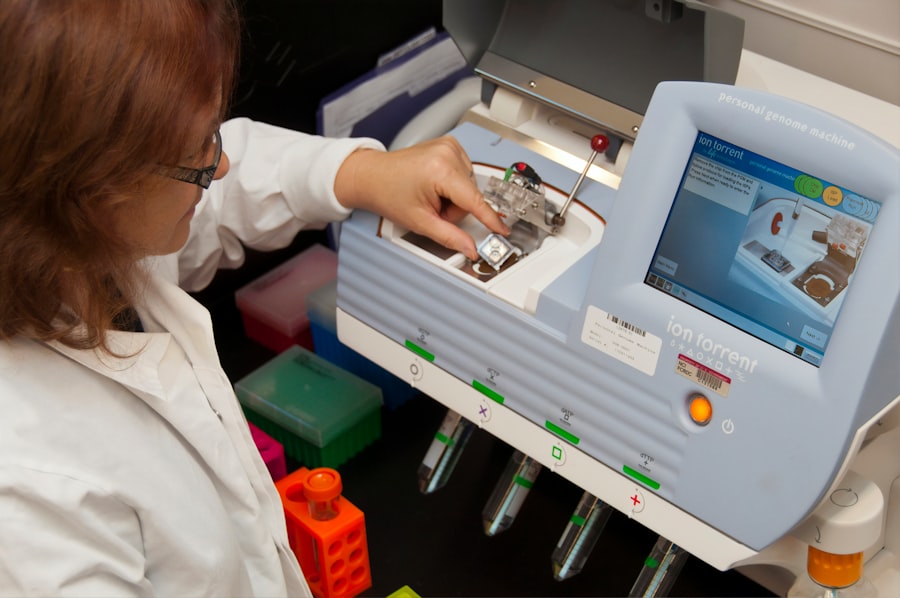
Genetic counseling plays a pivotal role in managing Familial Adenomatous Polyposis by providing education and support to affected individuals and their families. Counselors help families understand the genetic basis of FAP, discuss inheritance patterns, and assess the implications for family members who may be at risk. They also facilitate genetic testing for at-risk relatives, which can lead to early detection and intervention.
Counseling sessions often address psychosocial aspects, including coping strategies for dealing with the diagnosis and its implications on family dynamics. Support groups may also be recommended to connect individuals with similar experiences, fostering a sense of community and shared understanding. By empowering families with knowledge and resources, genetic counseling can significantly improve outcomes for those affected by FAP.
The Impact of Familial Adenomatous Polyposis on Family Members
Familial Adenomatous Polyposis not only affects the individual diagnosed but also has profound implications for family members. The autosomal dominant inheritance pattern means that each child of an affected parent has a 50% chance of inheriting the condition. This uncertainty can lead to anxiety and stress within families as they navigate genetic testing decisions and potential health implications.
Moreover, family members may experience emotional challenges related to witnessing their loved ones undergo medical procedures or face cancer diagnoses. The burden of regular surveillance and potential surgical interventions can create additional stressors within familial relationships. Open communication about health risks and proactive engagement with healthcare providers can help mitigate these challenges and foster a supportive environment for all family members.
Understanding the Risk of Colon Cancer in Familial Adenomatous Polyposis
Individuals with Familial Adenomatous Polyposis face an exceptionally high risk of developing colorectal cancer due to the presence of numerous adenomatous polyps. Studies indicate that nearly all untreated individuals will develop colorectal cancer by age 40 if they have classic FAP. The risk is somewhat lower in attenuated forms but remains significant compared to the general population.
The timeline for cancer development underscores the importance of early detection through regular surveillance colonoscopies starting in adolescence. Genetic testing can identify at-risk individuals who may benefit from earlier screening protocols. Understanding this elevated risk allows healthcare providers to implement timely interventions that can dramatically reduce cancer incidence among affected individuals.
Lifestyle Changes and Prevention Strategies for Familial Adenomatous Polyposis
While genetic predisposition plays a significant role in Familial Adenomatous Polyposis, certain lifestyle modifications may help mitigate some risks associated with the condition. A diet rich in fruits, vegetables, whole grains, and lean proteins can support overall gastrointestinal health. Regular physical activity has also been associated with reduced cancer risk and improved quality of life.
Avoiding tobacco use and limiting alcohol consumption are critical preventive measures that can further decrease cancer risk among individuals with FAP. Additionally, maintaining a healthy weight through balanced nutrition and exercise can contribute positively to overall health outcomes.
Research and Advances in Familial Adenomatous Polyposis
Ongoing research into Familial Adenomatous Polyposis aims to enhance understanding of its genetic underpinnings and improve treatment options. Recent studies have focused on identifying additional genetic factors that may influence polyp development and cancer risk among individuals with FAP. Advances in gene therapy hold promise for future interventions that could potentially correct mutations at the molecular level.
Furthermore, researchers are exploring novel pharmacological agents that target specific pathways involved in polyp formation and growth. Clinical trials investigating these new therapies may offer additional options for managing polyp burden without immediate surgical intervention. As research continues to evolve, it holds the potential to transform the landscape of care for individuals affected by FAP.
Support and Resources for Individuals and Families with Familial Adenomatous Polyposis
Support networks play an essential role in helping individuals and families cope with the challenges posed by Familial Adenomatous Polyposis. Organizations such as the Colorectal Cancer Alliance provide resources ranging from educational materials to support groups tailored specifically for those affected by hereditary colorectal cancer syndromes. Accessing mental health services can also be beneficial for managing anxiety or depression related to living with FAP.
Connecting with others who share similar experiences fosters a sense of community and provides emotional support during difficult times. Healthcare providers can assist families in identifying local resources or online platforms that offer valuable information and support.
The Future of Familial Adenomatous Polyposis: Promising Developments and Challenges
The future landscape for managing Familial Adenomatous Polyposis appears promising due to ongoing advancements in genetics, treatment modalities, and patient support systems. As research continues to uncover new insights into the genetic mechanisms underlying FAP, targeted therapies may emerge that could revolutionize treatment approaches. However, challenges remain regarding access to genetic testing and counseling services, particularly in underserved populations.
Ensuring equitable access to care will be crucial as new therapies become available.
In summary, Familial Adenomatous Polyposis is a hereditary condition characterized by numerous adenomatous polyps leading to an increased risk of colorectal cancer.
Understanding its genetic basis, symptoms, diagnosis, treatment options, and impact on families is essential for effective management. Ongoing research holds promise for future advancements in care while emphasizing the importance of lifestyle modifications and support resources for affected individuals and their families.
There is a fascinating article on familial adenomatous polyposis (FAP) that delves into the genetic aspects of this inherited condition. The article discusses how individuals with FAP have a high risk of developing colorectal cancer due to the presence of numerous polyps in the colon. To learn more about this condition and its implications, check out the article here.
FAQs
What is familial adenomatous polyposis (FAP)?
Familial adenomatous polyposis (FAP) is a rare genetic disorder that causes the development of numerous polyps in the colon and rectum. These polyps can lead to an increased risk of colorectal cancer if not treated.
What causes familial adenomatous polyposis?
FAP is caused by a mutation in the APC gene, which is responsible for controlling cell growth in the lining of the colon and rectum. This mutation leads to the uncontrolled growth of polyps in the colon and rectum.
What are the symptoms of familial adenomatous polyposis?
Symptoms of FAP can include rectal bleeding, changes in bowel habits, abdominal pain, and anemia. However, some individuals with FAP may not experience any symptoms at all.
How is familial adenomatous polyposis diagnosed?
FAP is typically diagnosed through a combination of genetic testing, colonoscopy, and imaging studies. Genetic testing can identify the mutation in the APC gene, while colonoscopy can detect the presence of polyps in the colon and rectum.
What are the treatment options for familial adenomatous polyposis?
Treatment for FAP often involves the surgical removal of the colon and rectum (colectomy) to prevent the development of colorectal cancer. In some cases, medications may be used to help reduce the number and size of polyps.
What is the risk of colorectal cancer in individuals with familial adenomatous polyposis?
Without treatment, individuals with FAP have a nearly 100% risk of developing colorectal cancer by the age of 40. However, with appropriate medical management, this risk can be significantly reduced.