Now Reading: Understanding Intraductal Papillary Mucinous Neoplasm
-
01
Understanding Intraductal Papillary Mucinous Neoplasm
Understanding Intraductal Papillary Mucinous Neoplasm

Intraductal Papillary Mucinous Neoplasm (IPMN) is a type of cystic tumor that arises from the pancreatic ductal epithelium.
IPMNs are classified as precursors to pancreatic ductal adenocarcinoma, making their identification and management critical in the realm of gastroenterology and oncology.
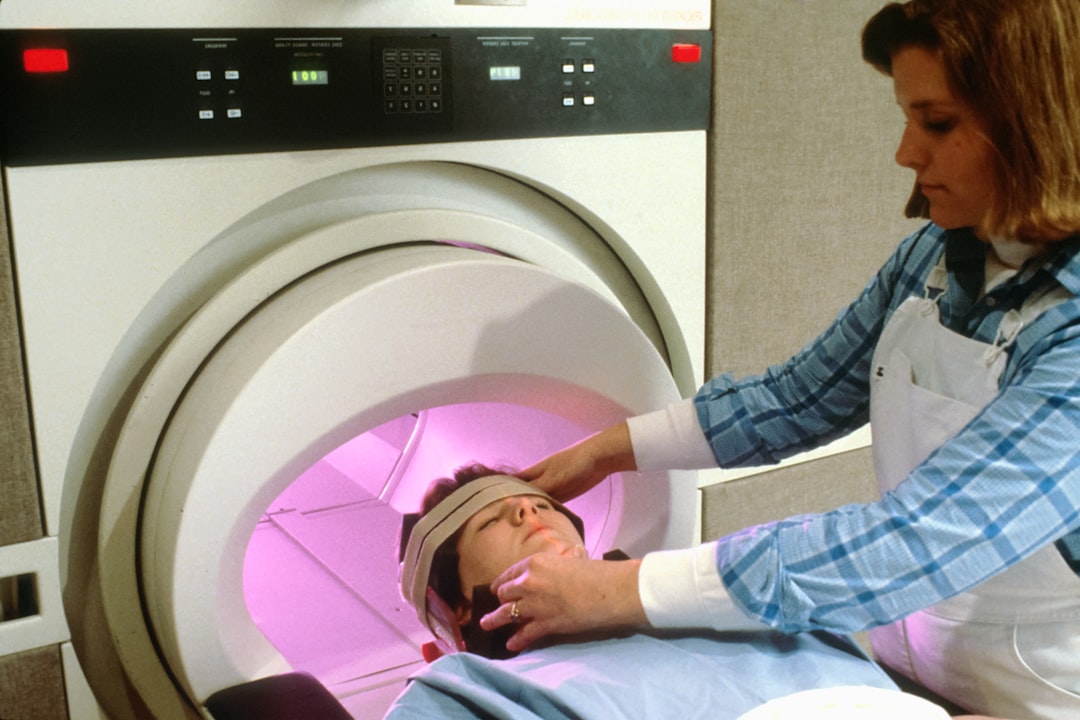
The neoplasm typically presents as a dilated pancreatic duct filled with mucinous fluid, which can be detected through imaging studies such as MRI or CT scans. The clinical significance of IPMN lies in its potential for progression to invasive cancer. While many patients with IPMN remain asymptomatic, the risk of malignancy necessitates careful monitoring and evaluation.
The World Health Organization classifies IPMNs based on their histological features, which can range from low-grade dysplasia to high-grade dysplasia, indicating varying degrees of risk for cancer development. Understanding the nature of IPMN is essential for developing appropriate treatment strategies and surveillance protocols.
Key Takeaways
- Intraductal Papillary Mucinous Neoplasm (IPMN) is a type of tumor that forms in the pancreatic ducts.
- There are three types of IPMN: main-duct, branch-duct, and mixed-type, each with different characteristics and potential risks.
- The causes and risk factors of IPMN include age, smoking, family history of pancreatic cancer, and certain genetic syndromes.
- Symptoms of IPMN may include abdominal pain, jaundice, weight loss, and pancreatitis.
- Diagnosis of IPMN involves imaging tests such as CT scans, MRI, and endoscopic ultrasound, as well as biopsy to confirm the presence of IPMN.
Types of IPMN
IPMNs are categorized into three primary types based on their anatomical location and histological characteristics: main duct IPMN, branch duct IPMN, and mixed-type IPMN. 1. **Main Duct IPMN**: This type involves the main pancreatic duct and is associated with a higher risk of malignancy compared to other forms.
It often presents with symptoms such as abdominal pain or jaundice due to obstruction of bile flow. Histologically, main duct IPMNs may exhibit high-grade dysplasia or invasive carcinoma. 2.
**Branch Duct IPMN**: This variant arises from the side branches of the pancreatic duct and is generally considered to have a lower risk of progression to cancer. Patients may remain asymptomatic for extended periods, and the lesions are often discovered incidentally during imaging for unrelated issues. However, certain features, such as size greater than 3 cm or the presence of mural nodules, can increase the risk of malignancy.
3. **Mixed-Type IPMN**: As the name suggests, this type exhibits characteristics of both main duct and branch duct IPMNs. The clinical behavior and management strategies for mixed-type IPMNs can be complex due to their dual nature.
Causes and Risk Factors of IPMN

The exact etiology of IPMN remains largely unknown; however, several risk factors have been identified that may contribute to its development. Genetic predispositions play a significant role, with mutations in genes such as KRAS, TP53, and CDKN2A frequently observed in patients with IPMN. Additionally, familial syndromes like Peutz-Jeghers syndrome and familial atypical multiple mole melanoma (FAMMM) syndrome have been linked to an increased incidence of pancreatic neoplasms.
Environmental factors also contribute to the risk profile for IPMN. Chronic pancreatitis, often resulting from alcohol abuse or gallstones, has been associated with an elevated risk of developing pancreatic neoplasms, including IPMN. Furthermore, age is a significant factor; most patients diagnosed with IPMN are over 60 years old.
Lifestyle choices such as smoking and obesity have also been implicated in increasing the likelihood of developing this neoplasm.
Symptoms of IPMN
| Symptom | Description |
|---|---|
| Abdominal pain | Pain or discomfort in the abdomen, often in the upper part |
| Jaundice | Yellowing of the skin and eyes due to bile duct obstruction |
| Unintended weight loss | Losing weight without trying, which may be a sign of pancreatic issues |
| Nausea and vomiting | Feeling sick to your stomach and throwing up |
| Back pain | Pain in the back, often in the upper part, which may be related to the pancreas |
The clinical presentation of IPMN can vary widely among individuals, with many patients remaining asymptomatic until advanced stages. When symptoms do occur, they may include abdominal pain, weight loss, jaundice, and new-onset diabetes mellitus. Abdominal pain is often described as vague or intermittent and may be accompanied by nausea or vomiting.
In cases where the tumor obstructs the bile duct, patients may present with jaundice due to elevated bilirubin levels. Additionally, unexplained weight loss can be a concerning sign that warrants further investigation. New-onset diabetes mellitus may also occur due to the tumor’s impact on insulin production or glucose metabolism.
Recognizing these symptoms is crucial for timely diagnosis and intervention.
Diagnosis of IPMN
The diagnostic process for IPMN typically begins with imaging studies. Magnetic resonance imaging (MRI) and computed tomography (CT) scans are commonly employed to visualize the pancreatic duct and identify any cystic lesions or ductal dilatation indicative of IPMN. Endoscopic ultrasound (EUS) is another valuable tool that allows for direct visualization of the pancreas and can facilitate fine-needle aspiration (FNA) for cytological analysis.
Cytological examination of aspirated fluid can provide critical information regarding the presence of dysplastic cells, aiding in determining the grade of the neoplasm. In some cases, genetic testing may be recommended to identify specific mutations associated with increased cancer risk. A multidisciplinary approach involving gastroenterologists, radiologists, and oncologists is essential for accurate diagnosis and management planning.
Complications of IPMN
Complications arising from IPMN can be significant and may include progression to invasive pancreatic cancer, pancreatitis, or biliary obstruction. The risk of malignant transformation varies based on the type and characteristics of the IPMN; main duct variants carry a higher risk compared to branch duct types. Pancreatitis can occur due to obstruction of the pancreatic duct or inflammation caused by the neoplasm itself.
Biliary obstruction may lead to cholestasis and subsequent liver dysfunction if not addressed promptly. Regular surveillance is crucial for detecting any changes in the neoplasm that may indicate progression toward malignancy.
Treatment Options for IPMN
Management strategies for IPMN depend on several factors, including the type of neoplasm, its size, and histological features. Surgical resection remains the primary treatment option for patients with high-risk features or those diagnosed with main duct IPMN exhibiting dysplasia or invasive cancer. Pancreaticoduodenectomy (Whipple procedure) or distal pancreatectomy may be performed based on the tumor’s location within the pancreas.
For patients with branch duct IPMN that are asymptomatic and exhibit low-risk features, a conservative approach involving regular surveillance may be appropriate. In cases where surgery is not feasible due to patient comorbidities or advanced disease, palliative care measures may be implemented to manage symptoms and improve quality of life.
Surveillance and Monitoring for IPMN
For patients diagnosed with low-risk branch duct IPMNs, surveillance protocols are essential for early detection of any malignant transformation. The American Gastroenterological Association recommends periodic imaging studies every 6 to 12 months for these patients. High-risk features such as increasing size, presence of mural nodules, or cytological evidence of dysplasia warrant closer monitoring or surgical intervention.
The frequency and type of imaging should be tailored based on individual risk factors and clinical presentation.
Diet and Lifestyle Changes for IPMN
Dietary modifications and lifestyle changes can play a supportive role in managing patients with IPMN. A diet low in saturated fats and refined sugars while rich in fruits, vegetables, whole grains, and lean proteins may help mitigate some risk factors associated with pancreatic neoplasms. Avoiding alcohol consumption is crucial for individuals with a history of pancreatitis or those at risk for pancreatic disease.
Regular physical activity can also contribute to overall health and weight management, further reducing potential complications associated with IPMN.
Prognosis and Outlook for IPMN
The prognosis for patients with IPMN varies significantly based on several factors including histological grade, type of neoplasm, and presence of symptoms at diagnosis. Generally, branch duct IPMNs have a favorable prognosis when managed appropriately through surveillance or surgical intervention. Conversely, main duct IPMNs exhibiting high-grade dysplasia or invasive features carry a more guarded prognosis due to their association with pancreatic cancer.
Early detection through regular monitoring is critical in improving outcomes for patients diagnosed with this condition.
Support and Resources for IPMN Patients
Patients diagnosed with IPMN can benefit from various support resources aimed at providing education and emotional support throughout their journey. Organizations such as the Pancreatic Cancer Action Network (PanCAN) offer valuable information regarding treatment options, clinical trials, and support groups. Additionally, connecting with healthcare professionals specializing in gastroenterology and oncology can provide patients with tailored guidance regarding their specific condition and management strategies.
Engaging in support groups can also foster a sense of community among individuals facing similar challenges. In summary, Intraductal Papillary Mucinous Neoplasm (IPMN) represents a significant clinical entity within pancreatic pathology due to its potential for malignant transformation. Understanding its types, causes, symptoms, diagnosis, treatment options, and prognosis is essential for effective management.
Regular surveillance combined with lifestyle modifications can enhance patient outcomes while providing necessary support resources fosters resilience among those affected by this condition.
In a recent study published in the Journal of Gastrointestinal Oncology, researchers explored the latest advancements in the diagnosis and management of intraductal papillary mucinous neoplasm (IPMN). This article provides valuable insights into the risk factors, screening methods, and treatment options for this precancerous condition of the pancreas. For more information on essential films of 2025, check out this article.
FAQs
What is an intraductal papillary mucinous neoplasm (IPMN)?
An intraductal papillary mucinous neoplasm (IPMN) is a type of tumor that forms in the pancreatic ducts. It is characterized by the overproduction of mucin, a thick fluid, which can cause the ducts to become enlarged and lead to potential blockages.
What are the symptoms of intraductal papillary mucinous neoplasm?
Some individuals with IPMN may not experience any symptoms, while others may experience abdominal pain, jaundice, nausea, vomiting, and unintended weight loss. In some cases, IPMN can cause pancreatitis or lead to the development of pancreatic cancer.
How is intraductal papillary mucinous neoplasm diagnosed?
IPMN is often diagnosed through imaging tests such as CT scans, MRI, or endoscopic ultrasound. Additionally, a biopsy may be performed to analyze the cells and confirm the presence of IPMN.
What are the treatment options for intraductal papillary mucinous neoplasm?
Treatment for IPMN depends on the size, location, and characteristics of the tumor. Options may include surveillance with regular imaging tests, surgical removal of the tumor, or in some cases, the entire pancreas.
What are the risk factors for developing intraductal papillary mucinous neoplasm?
Risk factors for developing IPMN include age (typically diagnosed in individuals over 50), a history of smoking, and a family history of pancreatic cancer or IPMN. Additionally, certain genetic syndromes may increase the risk of developing IPMN.