Now Reading: Understanding Different Types of Brain Tumors
-
01
Understanding Different Types of Brain Tumors
Understanding Different Types of Brain Tumors
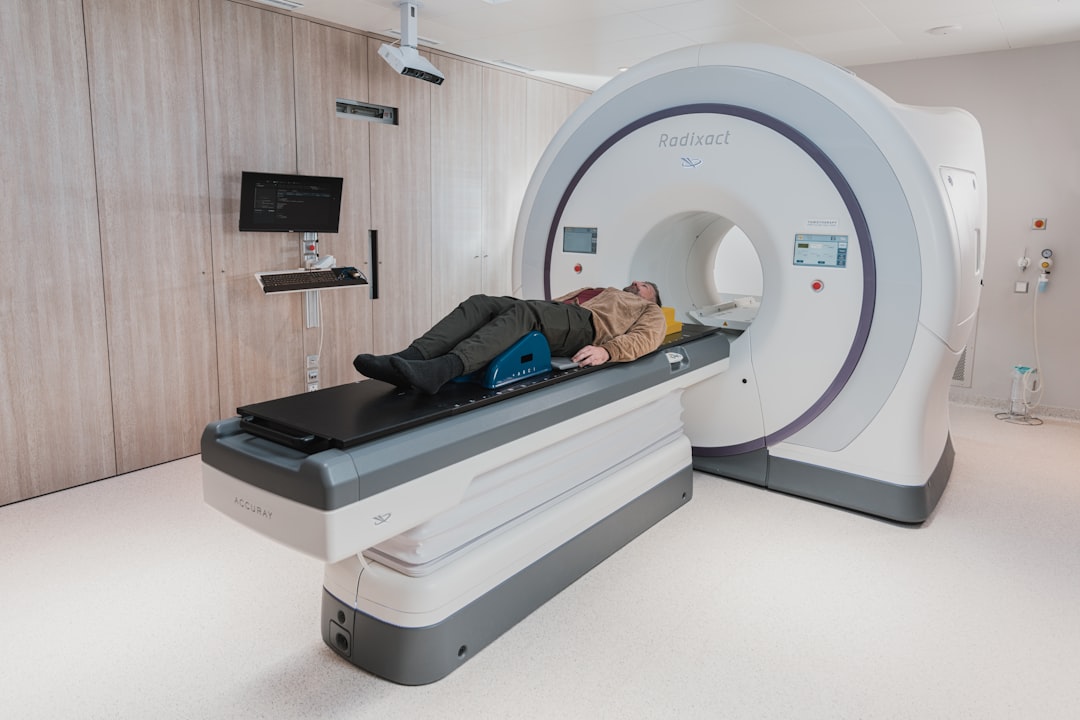
Brain tumors represent a significant medical challenge, characterized by the abnormal growth of cells within the cranial cavity. These neoplasms can arise from various cell types, leading to a diverse array of tumor classifications. The World Health Organization (WHO) categorizes brain tumors based on their histological characteristics and biological behavior, which can range from benign to malignant.
The incidence of brain tumors is approximately 5.26 per 100,000 individuals annually, with variations based on age, sex, and geographic location. Understanding the complexities of brain tumors is crucial for early detection, effective treatment, and improved patient outcomes. The etiology of brain tumors remains largely enigmatic, although several risk factors have been identified.
Genetic predispositions, such as neurofibromatosis and Li-Fraumeni syndrome, can significantly increase the likelihood of developing these tumors. Additionally, environmental factors, including exposure to ionizing radiation and certain chemicals, have been implicated in tumorigenesis. As research continues to evolve, the focus on molecular genetics and targeted therapies is paving the way for more personalized treatment approaches.
Key Takeaways
- Brain tumors can be classified into different types, each with its own characteristics and treatment options.
- Gliomas are the most common type of primary brain tumor and can be aggressive in nature.
- Meningiomas are usually slow-growing tumors that arise from the meninges of the brain and spinal cord.
- Pituitary tumors are often benign and can affect hormone levels in the body.
- Medulloblastomas are fast-growing tumors that mainly affect children and are located in the lower back part of the brain.
Types of Brain Tumors
Brain tumors can be classified into two primary categories: primary and secondary tumors. Primary brain tumors originate within the brain itself, while secondary tumors, also known as metastatic tumors, arise from cancerous cells that spread from other parts of the body. The classification of primary brain tumors is further divided into glial tumors, meningiomas, pituitary tumors, and others.
Each type exhibits distinct characteristics, growth patterns, and treatment responses. Among the most common primary brain tumors are gliomas, which account for approximately 30% of all brain tumors. Meningiomas are another prevalent type, representing about 36% of all cases.
Pituitary tumors, although less common, can significantly impact hormonal balance and overall health. Understanding the specific type of brain tumor is essential for determining the most effective treatment strategy and predicting patient outcomes.
Gliomas
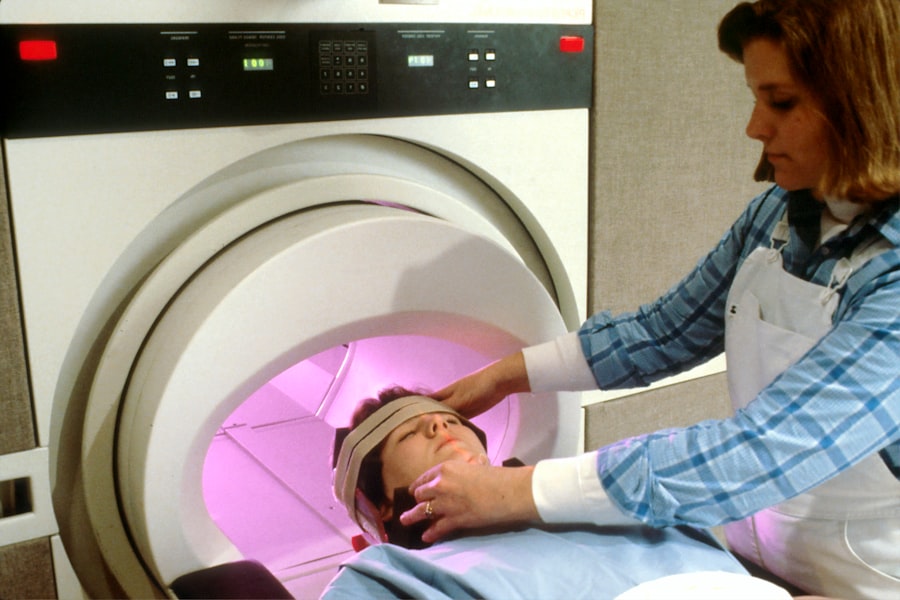
Gliomas are a heterogeneous group of tumors that arise from glial cells, which provide support and protection for neurons in the central nervous system. They are classified into several subtypes based on the specific type of glial cell involved: astrocytomas (from astrocytes), oligodendrogliomas (from oligodendrocytes), and ependymomas (from ependymal cells). The grading of gliomas ranges from low-grade (Grade I and II) to high-grade (Grade III and IV), with glioblastoma multiforme (GBM) being the most aggressive form. The prognosis for glioma patients varies significantly based on tumor grade and location. Low-grade gliomas may have a more favorable outcome with appropriate surgical intervention and adjuvant therapies.
In contrast, high-grade gliomas like GBM are associated with a poor prognosis due to their infiltrative nature and resistance to conventional therapies. Current treatment modalities include surgical resection, radiation therapy, and chemotherapy agents such as temozolomide.
Meningiomas
| Category | Metrics |
|---|---|
| Incidence | 2-3 per 100,000 people per year |
| Prevalence | 97 per 100,000 people |
| Age of Onset | Most common in adults aged 40-70 |
| Gender Predilection | More common in females |
| Location | Arise from the meninges of the brain or spinal cord |
Meningiomas arise from the meninges, the protective membranes surrounding the brain and spinal cord. These tumors are typically slow-growing and often benign; however, they can cause significant neurological symptoms due to their location and mass effect on adjacent structures. Meningiomas account for approximately 36% of all primary brain tumors and are more prevalent in women than men.
Surgical resection is the primary treatment for meningiomas, especially when they are symptomatic or located in accessible areas of the brain. In cases where complete resection is not feasible or when the tumor is asymptomatic, careful monitoring through regular imaging may be recommended. Radiation therapy may also be employed as an adjunct treatment for residual or recurrent meningiomas.
The overall prognosis for patients with meningiomas is generally favorable, with a five-year survival rate exceeding 80% for benign cases.
Pituitary Tumors
Pituitary tumors originate in the pituitary gland, a small gland located at the base of the brain responsible for regulating various hormonal functions in the body. These tumors can be classified as functional or non-functional based on their ability to secrete hormones. Functional pituitary tumors include prolactinomas (secreting prolactin), growth hormone-secreting adenomas, and adrenocorticotropic hormone (ACTH)-secreting adenomas.
Non-functional tumors do not produce hormones but can still cause symptoms due to their size. The management of pituitary tumors often involves a multidisciplinary approach that includes endocrinologists, neurosurgeons, and radiation oncologists.
In cases where surgery is not possible or when there is residual disease, medical therapy with dopamine agonists or somatostatin analogs may be utilized to control hormone secretion and tumor growth.
Medulloblastomas
Classification of Medulloblastomas
Medulloblastomas are classified into four molecular subgroups: WNT-activated, SHH-activated, Group 3, and Group 4, each with distinct biological behaviors and prognostic implications.
Treatment Options
Treatment for medulloblastomas usually involves a combination of surgical resection, radiation therapy, and chemotherapy. The extent of surgical removal significantly influences prognosis; complete resection is associated with improved survival rates. Adjuvant therapies are tailored based on molecular subgroup classification and risk stratification.
Prognosis and Survival Rate
The five-year survival rate for medulloblastoma patients has improved significantly over recent decades due to advancements in treatment protocols.
Metastatic Brain Tumors
Metastatic brain tumors occur when cancer cells from other parts of the body spread to the brain.
Common primary cancers that metastasize to the brain include lung cancer, breast cancer, melanoma, and renal cell carcinoma.
The management of metastatic brain tumors often involves a combination of systemic therapy targeting the primary cancer, surgical intervention for symptomatic lesions, and radiation therapy such as whole-brain radiation or stereotactic radiosurgery. The prognosis for patients with metastatic brain tumors varies widely depending on factors such as the type of primary cancer, number of metastases, and overall health status.
Symptoms and Diagnosis of Brain Tumors
The clinical presentation of brain tumors can be highly variable depending on their location, size, and growth rate. Common symptoms include persistent headaches, seizures, cognitive changes, motor deficits, visual disturbances, and personality alterations. These manifestations may develop gradually or suddenly depending on tumor characteristics.
Diagnosis typically involves a comprehensive evaluation that includes a detailed medical history, neurological examination, imaging studies such as magnetic resonance imaging (MRI) or computed tomography (CT) scans, and sometimes biopsy procedures to obtain tissue samples for histopathological analysis. Advanced imaging techniques like functional MRI or positron emission tomography (PET) scans may also aid in assessing tumor activity and planning treatment strategies.
Treatment Options for Brain Tumors
The treatment landscape for brain tumors is multifaceted and tailored to individual patient needs based on tumor type, location, grade, and overall health status. Surgical resection remains a cornerstone of treatment for many types of brain tumors when feasible. The goal is to achieve maximal safe resection while preserving neurological function.
Adjuvant therapies such as radiation therapy play a critical role in managing residual disease or preventing recurrence post-surgery. Stereotactic radiosurgery offers a non-invasive option for targeting small lesions with precision while minimizing damage to surrounding healthy tissue. Chemotherapy may be indicated in specific cases; agents like temozolomide are commonly used for glioblastoma management.
Emerging treatments such as immunotherapy and targeted therapies are being investigated in clinical trials to enhance treatment efficacy while reducing side effects. These innovative approaches aim to harness the body’s immune system or target specific molecular pathways involved in tumor growth.
Prognosis and Survival Rates
Prognosis for patients with brain tumors varies significantly based on several factors including tumor type, grade, location, age at diagnosis, and overall health status. For instance, low-grade gliomas generally have better outcomes compared to high-grade gliomas like GBM which have a median survival rate of approximately 15 months despite aggressive treatment. Meningiomas often have favorable prognoses with five-year survival rates exceeding 80% for benign cases; however, atypical or malignant variants present more significant challenges.
Medulloblastoma survival rates have improved over time due to advancements in treatment protocols; current five-year survival rates range from 60% to 80% depending on risk stratification.
Conclusion and Resources for Support
In conclusion, brain tumors represent a complex group of conditions requiring a multidisciplinary approach for effective management. Advances in diagnostic techniques and treatment modalities continue to improve patient outcomes; however, challenges remain in addressing aggressive tumor types and individual patient responses to therapy. Support resources are vital for patients and families navigating this journey.
Organizations such as the American Brain Tumor Association (ABTA) provide educational materials, support groups, and access to clinical trials. Engaging with healthcare professionals specializing in neuro-oncology can also facilitate informed decision-making regarding treatment options. In summary, understanding brain tumors encompasses recognizing their diverse types, symptoms, diagnostic methods, treatment strategies, prognostic factors, and available support systems—essential knowledge for patients facing this daunting diagnosis.
If you are interested in learning more about types of brain tumors, you may want to check out this article on the 5 best pre-lit Christmas trees for effortless holiday decor. While the topics may seem unrelated, both articles provide valuable information on different aspects of health and holiday celebrations.
FAQs
What are the different types of brain tumors?
There are several types of brain tumors, including gliomas, meningiomas, pituitary tumors, medulloblastomas, and schwannomas, among others.
What are the symptoms of brain tumors?
The symptoms of brain tumors can vary depending on the location and size of the tumor, but common symptoms include headaches, seizures, changes in vision or hearing, difficulty with balance or walking, and cognitive changes.
How are brain tumors diagnosed?
Brain tumors are typically diagnosed through a combination of imaging tests such as MRI or CT scans, as well as a biopsy to examine the tumor tissue under a microscope.
What are the treatment options for brain tumors?
Treatment for brain tumors may include surgery, radiation therapy, chemotherapy, targeted drug therapy, or a combination of these approaches, depending on the type and location of the tumor.
What are the risk factors for developing brain tumors?
While the exact cause of most brain tumors is unknown, certain risk factors such as exposure to radiation, family history of brain tumors, and certain genetic conditions may increase the risk of developing a brain tumor.
Can brain tumors be prevented?
There are currently no known ways to prevent brain tumors, but avoiding exposure to radiation and certain chemicals, as well as maintaining a healthy lifestyle, may help reduce the risk of developing a brain tumor.