Now Reading: Understanding Adenocarcinoma Lung: Symptoms and Treatment Options
-
01
Understanding Adenocarcinoma Lung: Symptoms and Treatment Options
Understanding Adenocarcinoma Lung: Symptoms and Treatment Options
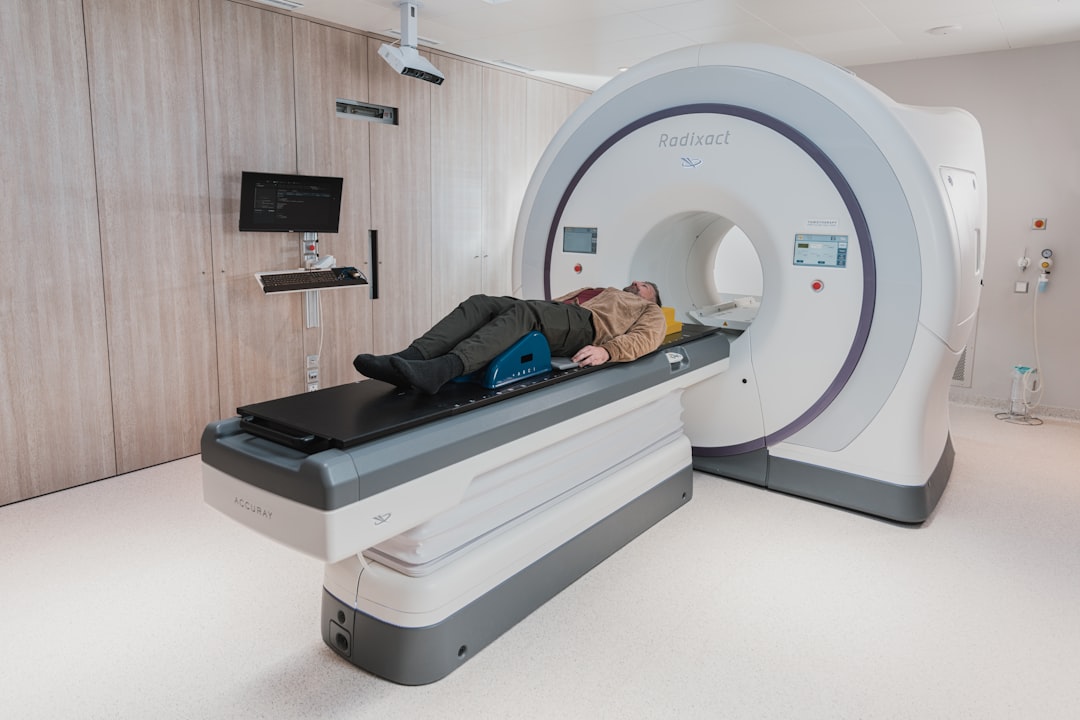
Adenocarcinoma of the lung is a subtype of non-small cell lung cancer (NSCLC) that originates in the glandular cells of the lungs. These cells are responsible for producing mucus and other substances that line the airways. This malignancy is characterized by the formation of abnormal cells that proliferate uncontrollably, leading to tumor development.
Adenocarcinoma is the most prevalent form of lung cancer in non-smokers and accounts for approximately 40% of all lung cancer cases. It typically arises in the peripheral regions of the lungs, making early detection challenging. The pathogenesis of adenocarcinoma involves a complex interplay of genetic mutations and environmental factors.
Common mutations associated with this cancer type include alterations in the epidermal growth factor receptor (EGFR), anaplastic lymphoma kinase (ALK), and Kirsten rat sarcoma viral oncogene homolog (KRAS). These mutations can lead to uncontrolled cellular proliferation and tumorigenesis. Understanding the molecular basis of adenocarcinoma is crucial for developing targeted therapies and improving patient outcomes.
Key Takeaways
- Adenocarcinoma Lung is a type of non-small cell lung cancer that starts in the mucus-secreting cells of the lungs.
- Common symptoms of Adenocarcinoma Lung include persistent cough, shortness of breath, chest pain, and unexplained weight loss.
- Risk factors for Adenocarcinoma Lung include smoking, exposure to secondhand smoke, and exposure to certain environmental toxins.
- Diagnostic tests for Adenocarcinoma Lung include imaging tests, biopsy, and molecular testing to identify specific genetic mutations.
- Stages of Adenocarcinoma Lung range from stage I (localized) to stage IV (advanced), with treatment options varying based on the stage of the cancer.
Common Symptoms of Adenocarcinoma Lung
Common Symptoms
The most common symptoms of adenocarcinoma lung cancer include a persistent cough, which may be accompanied by hemoptysis (coughing up blood), chest pain, and shortness of breath. These symptoms often develop gradually, leading to delays in diagnosis as patients may attribute them to less serious conditions such as bronchitis or pneumonia.
Advanced Symptoms
As the disease progresses, additional symptoms may emerge, including unexplained weight loss, fatigue, and recurrent respiratory infections. Some patients may also experience paraneoplastic syndromes, which are systemic effects caused by the tumor’s secretion of hormones or other substances. These can include hypercalcemia, Cushing’s syndrome, or neurological symptoms.
Importance of Early Recognition
Recognizing these symptoms early is vital for timely intervention and management.
Risk Factors for Adenocarcinoma Lung
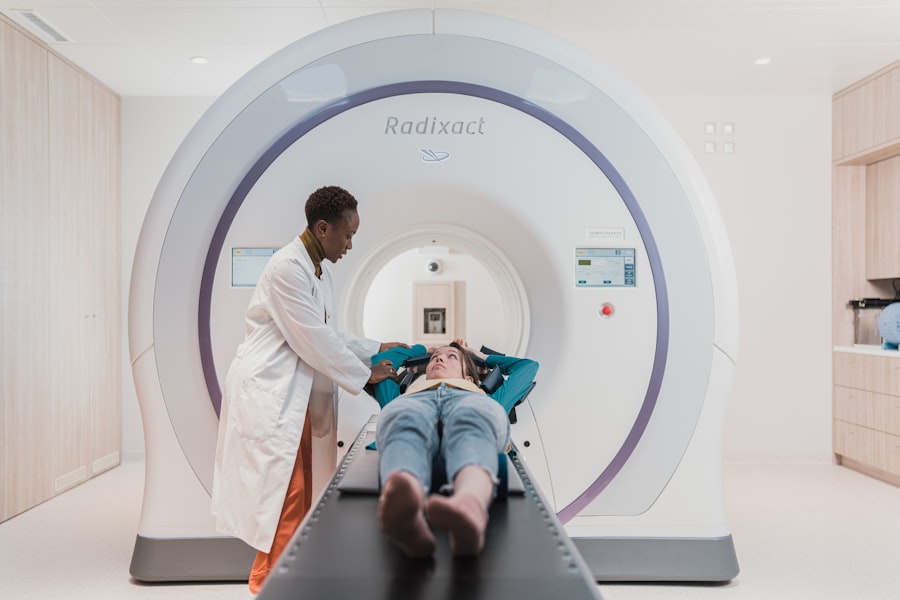
Several risk factors have been identified that increase the likelihood of developing adenocarcinoma lung. The most significant risk factor remains tobacco smoking, which is responsible for approximately 85% of lung cancer cases. However, adenocarcinoma has a notable prevalence among non-smokers, particularly women, suggesting that other factors play a role in its etiology.
Environmental exposures are also critical contributors to the development of this malignancy. Prolonged exposure to secondhand smoke, radon gas, asbestos, and certain occupational hazards such as silica dust or diesel exhaust can elevate risk levels. Additionally, genetic predisposition may influence susceptibility; individuals with a family history of lung cancer or specific genetic mutations may be at higher risk.
Understanding these risk factors is essential for implementing preventive strategies and screening programs.
Diagnostic Tests for Adenocarcinoma Lung
| Diagnostic Test | Sensitivity | Specificity | Accuracy |
|---|---|---|---|
| CT Scan | 85% | 90% | 88% |
| Biopsy | 95% | 80% | 88% |
| PET Scan | 90% | 85% | 88% |
The diagnostic process for adenocarcinoma lung typically begins with a thorough medical history and physical examination. If lung cancer is suspected, imaging studies such as chest X-rays and computed tomography (CT) scans are employed to visualize any abnormalities in the lungs. These imaging modalities can help identify masses or nodules that warrant further investigation.
Once a suspicious lesion is detected, a biopsy is necessary to confirm the diagnosis. Various biopsy techniques can be utilized, including bronchoscopy, needle aspiration, or surgical biopsy. Histopathological examination of the tissue sample allows for definitive diagnosis and classification of the tumor type.
Additionally, molecular testing may be performed on biopsy specimens to identify specific genetic mutations that can guide targeted therapy options.
Stages of Adenocarcinoma Lung
Adenocarcinoma lung is staged using the TNM classification system, which assesses tumor size (T), lymph node involvement (N), and the presence of metastasis (M). The staging process is crucial for determining prognosis and treatment strategies. – Stage I: The tumor is localized within the lung and has not spread to lymph nodes.
– Stage III: The cancer has spread to lymph nodes in the mediastinum or surrounding structures.
– Stage IV: The disease has metastasized to distant organs such as the liver, bones, or brain.
Accurate staging is essential for tailoring treatment approaches and providing patients with an informed prognosis.
Treatment Options for Adenocarcinoma Lung

The treatment landscape for adenocarcinoma lung is multifaceted and depends on various factors including stage, patient health status, and specific genetic mutations present in the tumor. A multidisciplinary approach involving oncologists, surgeons, radiologists, and palliative care specialists is often employed to optimize patient outcomes. For early-stage adenocarcinoma (stages I and II), surgical resection remains the primary treatment modality.
In more advanced stages (III and IV), systemic therapies such as chemotherapy, targeted therapy, and immunotherapy are commonly utilized.
Surgery for Adenocarcinoma Lung
Surgical intervention is often curative for patients with localized adenocarcinoma lung. The most common surgical procedures include lobectomy (removal of a lobe of the lung), pneumonectomy (removal of an entire lung), or wedge resection (removal of a small section). The choice of procedure depends on tumor size, location, and overall lung function.
Preoperative assessment is critical to ensure that patients are suitable candidates for surgery. This may involve pulmonary function tests and imaging studies to evaluate lung capacity and assess any comorbid conditions that could complicate surgery. Postoperative care focuses on monitoring for complications such as infection or respiratory distress while facilitating recovery through rehabilitation programs.
Chemotherapy and Radiation for Adenocarcinoma Lung
Chemotherapy plays a pivotal role in managing advanced adenocarcinoma lung, particularly when surgery is not feasible or when there is a high risk of recurrence post-surgery. Common chemotherapeutic agents include cisplatin, carboplatin, paclitaxel, and docetaxel. These agents work by targeting rapidly dividing cancer cells but can also affect normal cells, leading to side effects such as nausea, fatigue, and immunosuppression.
Radiation therapy may be employed as an adjunct treatment either postoperatively to eliminate residual disease or as a palliative measure to alleviate symptoms in advanced cases. Stereotactic body radiation therapy (SBRT) has emerged as a promising technique that delivers high doses of radiation precisely to tumors while sparing surrounding healthy tissue.
Targeted Therapy for Adenocarcinoma Lung
Targeted therapy has revolutionized the treatment landscape for adenocarcinoma lung by focusing on specific molecular alterations within tumors. For instance, patients with EGFR mutations may benefit from tyrosine kinase inhibitors such as erlotinib or gefitinib, which block signals that promote cancer cell growth. Similarly, ALK inhibitors like crizotinib have shown efficacy in patients with ALK rearrangements.
These therapies are generally well-tolerated compared to traditional chemotherapy; however, they can still lead to side effects such as rash or gastrointestinal disturbances. Regular monitoring through imaging studies and molecular testing is essential to assess treatment response and detect potential resistance mechanisms.
Immunotherapy for Adenocarcinoma Lung
Immunotherapy represents a groundbreaking approach in oncology by harnessing the body’s immune system to combat cancer cells. Immune checkpoint inhibitors such as pembrolizumab and nivolumab have demonstrated significant efficacy in treating advanced adenocarcinoma lung by blocking proteins that inhibit immune responses against tumors. These agents have been associated with durable responses in some patients; however, they can also lead to immune-related adverse events affecting various organ systems.
Close monitoring during treatment is crucial to manage these side effects effectively.
Supportive Care for Adenocarcinoma Lung Patients
Supportive care plays an integral role in managing adenocarcinoma lung patients throughout their treatment journey. This encompasses symptom management strategies aimed at alleviating pain, dyspnea, fatigue, and psychological distress associated with cancer diagnosis and treatment. Palliative care services can provide comprehensive support by addressing physical symptoms while also offering emotional and spiritual guidance to patients and their families.
Nutritional support is also vital in maintaining strength during treatment; dietitians can assist in creating tailored meal plans that meet individual needs. In conclusion, adenocarcinoma lung represents a complex malignancy requiring a multifaceted approach for effective management. Early detection through awareness of symptoms and risk factors can significantly improve outcomes.
A combination of surgical intervention, systemic therapies including chemotherapy, targeted therapy, immunotherapy, and supportive care forms the cornerstone of treatment strategies aimed at enhancing quality of life for patients battling this disease.
Adenocarcinoma lung is a type of lung cancer that originates in the cells that line the air sacs in the lungs. According to a recent article on Boogger, it is important to consider umbrella insurance for extra protection in case of unexpected events. This type of insurance can provide additional coverage beyond what traditional policies offer, giving individuals peace of mind in the face of uncertainty. To learn more about the benefits of umbrella insurance, check out the article here.
FAQs
What is adenocarcinoma lung?
Adenocarcinoma lung is a type of non-small cell lung cancer that starts in the cells that line the air sacs in the lungs. It is the most common type of lung cancer, particularly among non-smokers and women.
What are the symptoms of adenocarcinoma lung?
Symptoms of adenocarcinoma lung may include persistent cough, coughing up blood, shortness of breath, chest pain, hoarseness, unexplained weight loss, and fatigue.
What are the risk factors for adenocarcinoma lung?
Risk factors for adenocarcinoma lung include smoking, exposure to secondhand smoke, exposure to radon gas, exposure to asbestos and other carcinogens, and a family history of lung cancer.
How is adenocarcinoma lung diagnosed?
Adenocarcinoma lung is typically diagnosed through imaging tests such as chest X-rays and CT scans, as well as through biopsy to examine the lung tissue for cancer cells.
What are the treatment options for adenocarcinoma lung?
Treatment options for adenocarcinoma lung may include surgery, chemotherapy, radiation therapy, targeted therapy, and immunotherapy. The specific treatment plan will depend on the stage and characteristics of the cancer.