Now Reading: Understanding Cutaneous T Cell Lymphoma: Symptoms and Treatment
-
01
Understanding Cutaneous T Cell Lymphoma: Symptoms and Treatment
Understanding Cutaneous T Cell Lymphoma: Symptoms and Treatment

Cutaneous T Cell Lymphoma (CTCL) represents a rare and complex group of hematological malignancies characterized by the proliferation of malignant T lymphocytes primarily affecting the skin. This condition is classified under non-Hodgkin lymphoma and is distinguished by its unique clinical presentation and histopathological features. CTCL encompasses various subtypes, each with distinct biological behaviors and treatment responses.
The pathogenesis of CTCL involves a multifactorial interplay of genetic, environmental, and immunological factors, leading to the aberrant activation and clonal expansion of T cells within the dermis and epidermis. The incidence of CTCL is relatively low, with an estimated annual occurrence of 0.2 to 0.5 cases per 100,000 individuals in the United States. However, it is essential to recognize that CTCL can significantly impact patients’ quality of life due to its chronic nature and potential for progression.
Early diagnosis and intervention are crucial for improving outcomes and managing symptoms effectively. This article aims to provide a comprehensive overview of CTCL, including its symptoms, diagnostic approaches, treatment modalities, and coping strategies for affected individuals.
Key Takeaways
- Cutaneous T Cell Lymphoma is a rare type of non-Hodgkin lymphoma that affects the skin and can present with various symptoms such as itchy rash, red patches, and thickened skin.
- Diagnosis of Cutaneous T Cell Lymphoma involves a skin biopsy, blood tests, and imaging studies to determine the extent of the disease.
- There are several types of Cutaneous T Cell Lymphoma, including Mycosis Fungoides and Sezary Syndrome, each with distinct characteristics and treatment approaches.
- Treatment options for Cutaneous T Cell Lymphoma include topical treatments, phototherapy, systemic treatments, and stem cell transplantation, depending on the stage and severity of the disease.
- Living with Cutaneous T Cell Lymphoma can be challenging, but with the right support and coping strategies, patients can manage the physical and emotional impact of the disease.
Understanding the Symptoms of Cutaneous T Cell Lymphoma
The clinical manifestations of CTCL can vary widely among patients, often leading to challenges in diagnosis. The most common initial symptom is the presence of skin lesions, which may appear as erythematous patches, plaques, or tumors. These lesions can be pruritic (itchy) and may exhibit scaling or ulceration.
In some cases, patients may also experience lymphadenopathy, indicating potential systemic involvement. The skin lesions can be mistaken for other dermatological conditions such as eczema or psoriasis, complicating the diagnostic process. As the disease progresses, patients may develop more extensive skin involvement, including erythroderma (widespread redness of the skin) or tumor stage CTCL, where nodular lesions become prominent.
Systemic symptoms such as fatigue, weight loss, and fever may also occur in advanced stages. It is crucial for healthcare providers to maintain a high index of suspicion when evaluating patients with persistent or atypical skin lesions, particularly in those with risk factors such as age or a history of immunosuppression.
Diagnosing Cutaneous T Cell Lymphoma

The diagnostic process for CTCL typically involves a combination of clinical evaluation, histopathological examination, and immunophenotyping. A thorough patient history and physical examination are essential to assess the extent and characteristics of skin lesions. Dermatologists often perform a skin biopsy to obtain tissue samples for microscopic analysis.
Histopathological findings may reveal atypical lymphocytes infiltrating the epidermis and dermis, with specific patterns indicative of different CTCL subtypes. Immunohistochemistry plays a pivotal role in confirming the diagnosis by identifying specific T cell markers such as CD4 and CD8. Additionally, molecular techniques such as T cell receptor gene rearrangement studies can help establish clonality, further supporting the diagnosis of CTCL.
In some cases, imaging studies like computed tomography (CT) or positron emission tomography (PET) scans may be employed to assess for lymphadenopathy or visceral involvement.
Types of Cutaneous T Cell Lymphoma
| Type of Cutaneous T Cell Lymphoma | Description |
|---|---|
| Mycosis Fungoides | A type of CTCL that usually starts as a rash on the skin |
| Sézary Syndrome | A rare and aggressive form of CTCL that affects the blood as well as the skin |
| Primary Cutaneous Anaplastic Large Cell Lymphoma | A type of CTCL that presents as nodules or tumors on the skin |
| Subcutaneous Panniculitis-like T Cell Lymphoma | A rare type of CTCL that affects the fatty layer of the skin |
CTCL encompasses several distinct subtypes, each with unique clinical features and prognostic implications. The most prevalent subtype is Mycosis Fungoides (MF), characterized by indolent skin lesions that can progress to more aggressive forms if left untreated. Sézary syndrome is another significant subtype marked by erythroderma, lymphadenopathy, and circulating malignant T cells in the blood.
Other less common variants include Primary Cutaneous Anaplastic Large Cell Lymphoma (PC-ALCL), which typically presents as solitary or localized nodules; and Lymphomatoid Papulosis (LyP), characterized by recurrent papules that may spontaneously regress. Understanding these subtypes is crucial for tailoring treatment strategies and predicting disease outcomes.
Treatment Options for Cutaneous T Cell Lymphoma
The management of CTCL is multifaceted and depends on various factors such as disease stage, subtype, and patient preferences. Treatment options range from topical therapies for early-stage disease to systemic therapies for advanced cases. The primary goal is to control symptoms, improve quality of life, and achieve disease remission.
For early-stage CTCL, localized treatments such as topical corticosteroids or retinoids are often effective in reducing inflammation and lesion size. As the disease progresses, more aggressive interventions may be warranted, including phototherapy or systemic agents. The choice of treatment should be individualized based on the patient’s overall health status and response to previous therapies.
Topical Treatments for Cutaneous T Cell Lymphoma
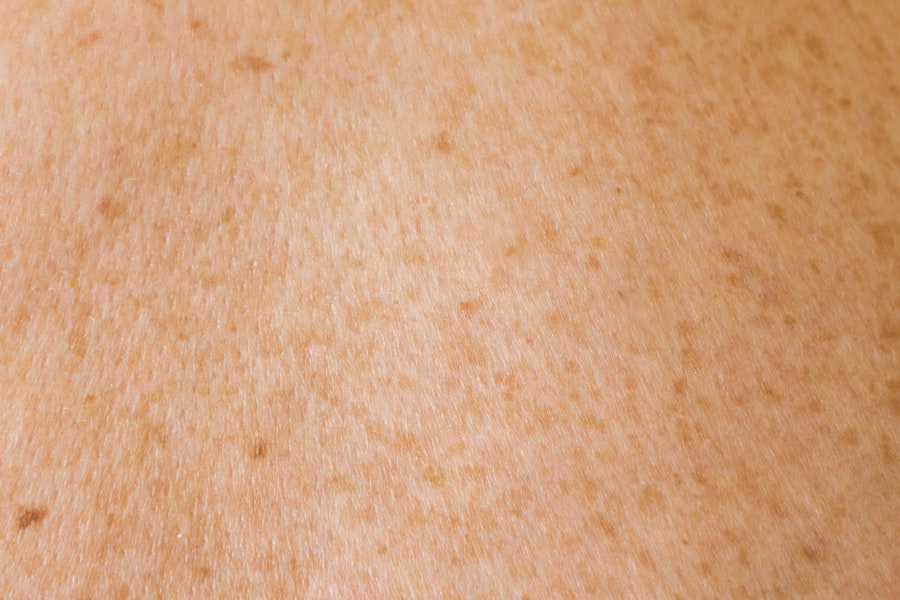
Topical therapies are frequently employed in the management of early-stage CTCL due to their localized action and minimal systemic side effects. Corticosteroids are commonly used to reduce inflammation and alleviate pruritus associated with skin lesions. Potent topical corticosteroids can lead to significant improvement in symptoms and lesion appearance.
Phototherapy for Cutaneous T Cell Lymphoma
Phototherapy is a cornerstone treatment modality for CTCL, particularly effective in patients with extensive skin involvement or those who do not respond adequately to topical therapies. Narrowband ultraviolet B (NB-UVB) therapy has gained popularity due to its favorable safety profile and efficacy in inducing remission. Another phototherapeutic approach is psoralen plus ultraviolet A (PUVA) therapy, which combines a photosensitizing agent (psoralen) with UVA exposure.
PUVA has demonstrated significant success in treating advanced stages of CTCL but requires careful monitoring due to potential long-term risks such as skin aging and increased melanoma risk.
Systemic Treatments for Cutaneous T Cell Lymphoma
For patients with advanced or refractory CTCL, systemic therapies are often necessary to achieve disease control. Interferon-alpha has been utilized as an immunomodulatory agent that can enhance immune response against malignant T cells. This treatment may lead to partial or complete responses in some patients.
Chemotherapy regimens such as CHOP (cyclophosphamide, doxorubicin, vincristine, and prednisone) have been employed in aggressive cases but are generally reserved for patients with significant symptom burden or rapid disease progression due to their associated toxicity.
Stem Cell Transplantation for Cutaneous T Cell Lymphoma
In select cases of advanced CTCL that are refractory to conventional therapies, stem cell transplantation may offer a potential curative option. Both autologous and allogeneic stem cell transplants have been explored in clinical settings. Autologous transplantation involves harvesting the patient’s own stem cells after high-dose chemotherapy, while allogeneic transplantation utilizes stem cells from a matched donor.
This approach aims to eradicate malignant cells while reconstituting the immune system with healthy donor cells capable of recognizing and attacking residual neoplastic T cells. However, this treatment carries significant risks including graft-versus-host disease (GVHD) and requires careful patient selection.
Clinical Trials and Emerging Treatments for Cutaneous T Cell Lymphoma
Ongoing research into CTCL has led to the exploration of novel therapeutic agents and strategies through clinical trials. Targeted therapies such as histone deacetylase inhibitors (e.g., romidepsin) have shown promise in inducing responses in patients with advanced disease by altering gene expression patterns associated with malignancy. Additionally, immune checkpoint inhibitors are being investigated for their potential to enhance anti-tumor immunity in CTCL patients.
These agents aim to block inhibitory pathways that prevent T cells from effectively targeting cancer cells. Participation in clinical trials offers patients access to cutting-edge treatments while contributing to the advancement of knowledge in this field.
Living with Cutaneous T Cell Lymphoma: Coping and Support
Living with CTCL can pose significant emotional and psychological challenges for patients due to its chronic nature and visible manifestations on the skin. Support from healthcare providers, family members, and support groups can play a vital role in helping individuals cope with their diagnosis. Patients are encouraged to engage in open discussions about their feelings and concerns with healthcare professionals who can provide resources for mental health support.
Educational materials about CTCL can empower patients by enhancing their understanding of the disease process and available treatment options. Regular follow-up appointments are essential for monitoring disease progression and adjusting treatment plans as needed. By fostering a supportive environment and encouraging proactive management strategies, individuals living with CTCL can navigate their journey with resilience and hope.
In summary, Cutaneous T Cell Lymphoma is a complex malignancy requiring a multidisciplinary approach for effective management. Understanding its symptoms, diagnostic criteria, treatment options—including topical therapies, phototherapy, systemic treatments, stem cell transplantation—and emerging research is crucial for improving patient outcomes. Support systems play an integral role in helping individuals cope with the challenges posed by this condition while fostering resilience in their journey toward health management.
If you or a loved one has been diagnosed with cutaneous T-cell lymphoma, it is important to seek legal advice to understand your rights and options. Choosing the right lawyer can make a significant difference in navigating the complexities of a medical malpractice case. For more information on how to choose a lawyer for your needs in 2025, check out this helpful article here.
FAQs
What is cutaneous T-cell lymphoma?
Cutaneous T-cell lymphoma (CTCL) is a type of non-Hodgkin lymphoma that affects the skin. It is a rare form of cancer that originates in the T-cells of the immune system.
What are the symptoms of cutaneous T-cell lymphoma?
The symptoms of cutaneous T-cell lymphoma can include red, scaly patches or raised plaques on the skin, itching, and in advanced stages, tumors or ulcers on the skin.
What are the causes of cutaneous T-cell lymphoma?
The exact cause of cutaneous T-cell lymphoma is not known. It is believed to be related to genetic mutations in the T-cells, but the specific triggers for these mutations are not fully understood.
How is cutaneous T-cell lymphoma diagnosed?
Cutaneous T-cell lymphoma is diagnosed through a combination of physical examination, skin biopsy, and other tests such as blood tests, imaging studies, and lymph node biopsy to determine the extent of the disease.
What are the treatment options for cutaneous T-cell lymphoma?
Treatment for cutaneous T-cell lymphoma may include topical medications, phototherapy, systemic medications, radiation therapy, and in some cases, stem cell transplantation. The specific treatment plan will depend on the stage and severity of the disease.
What is the prognosis for cutaneous T-cell lymphoma?
The prognosis for cutaneous T-cell lymphoma varies depending on the stage at diagnosis and the individual’s response to treatment. Some cases can be managed effectively for many years, while others may be more aggressive and difficult to treat. Regular follow-up with a healthcare provider is important for monitoring the disease.