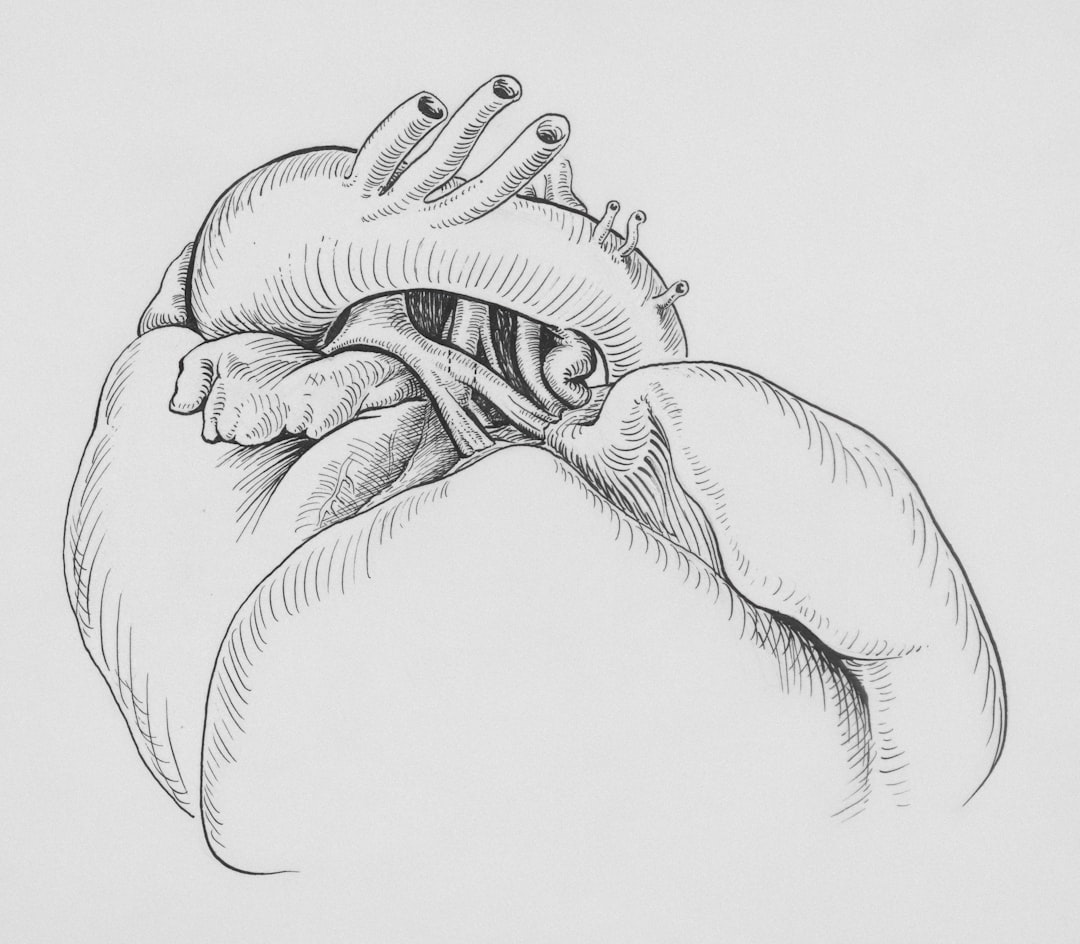
Now Reading: Understanding Cerebrovascular Disease: A Guide to CVD
-
01
Understanding Cerebrovascular Disease: A Guide to CVD
Understanding Cerebrovascular Disease: A Guide to CVD
Cerebrovascular disease (CVD) encompasses a range of medical conditions that affect the blood vessels supplying the brain. This category includes disorders such as stroke, transient ischemic attacks (TIAs), and vascular malformations. The primary concern in CVD is the disruption of blood flow to the brain, which can lead to significant neurological deficits or even death.
The brain relies on a constant supply of oxygen and nutrients delivered through the bloodstream; any interruption can result in irreversible damage to brain tissue. The pathophysiology of cerebrovascular disease is complex, often involving a combination of vascular pathology, hemodynamic changes, and neuroinflammatory processes. Ischemic strokes, which account for approximately 87% of all strokes, occur when a blood vessel supplying the brain becomes obstructed.
Conversely, hemorrhagic strokes arise from the rupture of a blood vessel, leading to bleeding within or around the brain. Understanding these mechanisms is crucial for effective diagnosis and treatment.
Key Takeaways
- Cerebrovascular disease refers to a group of conditions that affect the blood vessels and blood supply to the brain.
- Types of cerebrovascular disease include stroke, transient ischemic attack (TIA), and vascular dementia.
- Risk factors for cerebrovascular disease include high blood pressure, smoking, diabetes, and high cholesterol.
- Symptoms of cerebrovascular disease can include sudden weakness, trouble speaking, and severe headache.
- Diagnosing cerebrovascular disease may involve imaging tests, blood tests, and a physical examination by a healthcare professional.
Types of Cerebrovascular Disease
Cerebrovascular disease can be classified into several distinct types, each with unique characteristics and implications for treatment. The most prevalent forms include ischemic stroke, hemorrhagic stroke, and transient ischemic attacks (TIAs). Ischemic strokes can be further divided into two categories: thrombotic and embolic strokes.
Thrombotic strokes occur when a blood clot forms in an artery supplying blood to the brain, often due to atherosclerosis—a condition characterized by the buildup of fatty deposits in arterial walls. Embolic strokes, on the other hand, result from a clot that forms elsewhere in the body and travels to the brain, typically originating from the heart in cases of atrial fibrillation. Hemorrhagic strokes are categorized into intracerebral hemorrhages and subarachnoid hemorrhages.
Intracerebral hemorrhages occur when a blood vessel within the brain ruptures, leading to bleeding in the surrounding tissue. Subarachnoid hemorrhages involve bleeding in the space between the brain and the tissues covering it, often caused by the rupture of an aneurysm.
Risk Factors for Cerebrovascular Disease

Identifying risk factors for cerebrovascular disease is essential for prevention and early intervention. Several modifiable and non-modifiable factors contribute to an individual’s likelihood of developing CVD. Non-modifiable risk factors include age, gender, and family history.
The incidence of cerebrovascular events increases with age, particularly after 55 years. Men are generally at a higher risk than women until women reach menopause, after which their risk increases significantly. Modifiable risk factors encompass lifestyle choices and medical conditions that can be managed or altered.
Hypertension is one of the most significant contributors to cerebrovascular disease; individuals with high blood pressure are at a substantially increased risk for both ischemic and hemorrhagic strokes. Other critical factors include diabetes mellitus, hyperlipidemia (high cholesterol levels), smoking, obesity, physical inactivity, and excessive alcohol consumption. Addressing these modifiable risk factors through lifestyle changes and medical management can significantly reduce the risk of developing cerebrovascular disease.
Symptoms of Cerebrovascular Disease
| Symptom | Description |
|---|---|
| Sudden numbness or weakness of the face, arm, or leg, especially on one side of the body | This can be a sign of a stroke and requires immediate medical attention. |
| Sudden confusion, trouble speaking, or difficulty understanding speech | These can be signs of a stroke and should be evaluated by a healthcare professional. |
| Sudden trouble seeing in one or both eyes | Loss of vision or double vision can be a symptom of a stroke or other cerebrovascular issues. |
| Sudden trouble walking, dizziness, loss of balance, or lack of coordination | These symptoms can be related to a stroke or other cerebrovascular problems. |
| Sudden severe headache with no known cause | This can be a sign of a hemorrhagic stroke and requires immediate medical attention. |
The symptoms of cerebrovascular disease can vary widely depending on the type and severity of the condition. In cases of ischemic stroke, symptoms may develop suddenly and can include unilateral weakness or numbness, difficulty speaking or understanding language, visual disturbances, and loss of coordination or balance. These symptoms often manifest abruptly and require immediate medical attention.
Transient ischemic attacks (TIAs), often referred to as “mini-strokes,” present similar symptoms but typically resolve within minutes to hours without permanent damage. TIAs serve as critical warning signs for potential future strokes and should not be ignored. Hemorrhagic strokes may present with sudden severe headaches, nausea, vomiting, altered consciousness, and neurological deficits similar to those seen in ischemic strokes.
Recognizing these symptoms early is vital for timely intervention. The acronym FAST (Face drooping, Arm weakness, Speech difficulties, Time to call emergency services) is a useful tool for identifying stroke symptoms quickly.
Diagnosing Cerebrovascular Disease
Diagnosing cerebrovascular disease involves a comprehensive evaluation that includes a detailed medical history, physical examination, and various imaging studies. Healthcare providers will assess risk factors, symptom onset, and neurological function during the initial evaluation. Imaging techniques play a crucial role in confirming a diagnosis and determining the appropriate course of treatment.
Computed tomography (CT) scans are often the first imaging modality used in acute settings to differentiate between ischemic and hemorrhagic strokes. Magnetic resonance imaging (MRI) provides more detailed images of brain structures and can identify areas of ischemia or infarction that may not be visible on CT scans. Additional diagnostic tests may include carotid ultrasound to assess blood flow in the carotid arteries, echocardiography to evaluate cardiac function and identify potential sources of emboli, and angiography to visualize blood vessels in the brain directly.
Treatment Options for Cerebrovascular Disease
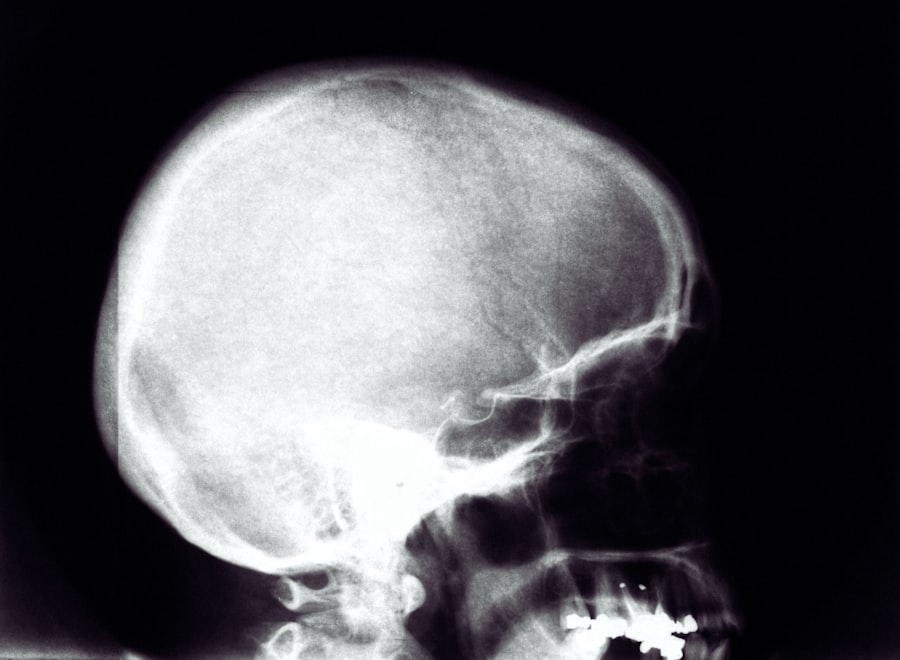
Treatment options for cerebrovascular disease vary based on the type of event and its severity. For ischemic strokes, prompt administration of thrombolytic therapy—such as tissue plasminogen activator (tPA)—is critical within a specific time window (typically within 3-4.5 hours from symptom onset). This medication works by dissolving blood clots and restoring blood flow to affected areas of the brain.
In cases where tPA is contraindicated or not administered in time, mechanical thrombectomy may be performed to physically remove the clot from the cerebral artery using specialized devices. For hemorrhagic strokes, treatment focuses on controlling bleeding and reducing intracranial pressure. Surgical interventions may be necessary to repair ruptured blood vessels or remove hematomas.
Long-term management often includes antiplatelet agents such as aspirin or clopidogrel for ischemic stroke prevention and antihypertensive medications to control blood pressure. Statins may also be prescribed to manage cholesterol levels effectively.
Preventing Cerebrovascular Disease
Preventive strategies are paramount in reducing the incidence of cerebrovascular disease. Lifestyle modifications play a significant role in mitigating risk factors associated with CVD. Regular physical activity—aiming for at least 150 minutes of moderate exercise per week—can help maintain cardiovascular health and manage weight.
Dietary changes are equally important; adopting a heart-healthy diet rich in fruits, vegetables, whole grains, lean proteins, and healthy fats can lower cholesterol levels and blood pressure. The Mediterranean diet has been shown to be particularly beneficial in reducing stroke risk. Additionally, managing chronic conditions such as hypertension, diabetes, and hyperlipidemia through regular medical check-ups and adherence to prescribed medications is crucial for prevention.
Smoking cessation programs can significantly reduce stroke risk among smokers.
Living with Cerebrovascular Disease
Living with cerebrovascular disease can present numerous challenges for individuals affected by strokes or TIAs. Survivors may experience physical disabilities such as weakness or paralysis on one side of the body, speech difficulties (aphasia), or cognitive impairments that affect memory and problem-solving abilities. Rehabilitation services—including physical therapy, occupational therapy, and speech therapy—are essential components of recovery.
Emotional support is also vital; many individuals may experience depression or anxiety following a cerebrovascular event due to changes in their physical abilities or lifestyle. Support groups can provide valuable resources for coping strategies and emotional support from others who have faced similar challenges. Education about managing risk factors is crucial for long-term health maintenance.
Regular follow-up appointments with healthcare providers can help monitor progress and adjust treatment plans as necessary.
Caring for Someone with Cerebrovascular Disease
Caring for an individual with cerebrovascular disease requires patience, understanding, and knowledge about their specific needs. Caregivers should be aware of potential physical limitations that may affect daily activities such as bathing, dressing, or eating. Assisting with rehabilitation exercises at home can promote recovery while fostering independence.
Communication may also be challenging if the individual experiences speech difficulties; caregivers should use clear language, maintain eye contact, and encourage them to express themselves without rushing them. Providing emotional support is equally important; caregivers should listen actively and validate their feelings while encouraging participation in social activities when possible. Educating oneself about cerebrovascular disease can empower caregivers to make informed decisions regarding care plans and advocate effectively for their loved ones’ needs.
Research and Advances in Cerebrovascular Disease
Ongoing research into cerebrovascular disease aims to improve understanding of its underlying mechanisms and develop innovative treatment strategies. Recent advances include studies exploring neuroprotective agents that may minimize brain damage during ischemic events by preserving neuronal function. Additionally, research into genetic predispositions for cerebrovascular diseases has gained momentum; identifying specific genetic markers could lead to targeted therapies tailored to individual patients’ needs.
Clinical trials investigating new medications for stroke prevention are also underway. Technological advancements have led to improved imaging techniques that enhance diagnostic accuracy while minimizing patient exposure to radiation. Furthermore, telemedicine has emerged as a valuable tool for providing remote consultations and follow-up care for individuals living with cerebrovascular disease.
Resources for Cerebrovascular Disease Support and Education
Numerous resources are available for individuals affected by cerebrovascular disease and their caregivers seeking support and education. Organizations such as the American Stroke Association provide comprehensive information on stroke prevention, treatment options, rehabilitation resources, and community support programs. Local hospitals often offer stroke support groups where survivors can connect with others facing similar challenges while sharing experiences and coping strategies.
Online platforms also provide access to educational materials about managing risk factors effectively. Healthcare providers can recommend reputable websites or literature that offer evidence-based information on cerebrovascular disease management tailored to individual needs. In summary, cerebrovascular disease encompasses various conditions affecting blood flow to the brain with significant implications for health outcomes.
Understanding its types, risk factors, symptoms, diagnosis methods, treatment options, prevention strategies, caregiving considerations, ongoing research efforts, and available resources is essential for effective management and support for those affected by this complex group of disorders.
According to a recent article on Boogger, February Federal Holidays: A Guide, it is important to raise awareness about CVD and its risk factors, especially during holidays when people may be more prone to unhealthy habits. By educating the public about the importance of maintaining a healthy lifestyle and seeking medical attention when necessary, we can work towards reducing the prevalence of CVD and improving overall public health. Read more about this important topic.
FAQs
What is cerebrovascular disease (CVD)?
Cerebrovascular disease (CVD) refers to a group of conditions that affect the blood vessels and blood supply to the brain. This can lead to serious health issues such as stroke, transient ischemic attack (TIA), and vascular dementia.
What are the risk factors for cerebrovascular disease?
Risk factors for cerebrovascular disease include high blood pressure, high cholesterol, diabetes, smoking, obesity, and a family history of stroke or heart disease. Age, gender, and race also play a role in the risk of developing CVD.
What are the symptoms of cerebrovascular disease?
Symptoms of cerebrovascular disease can include sudden weakness or numbness in the face, arm, or leg, especially on one side of the body, difficulty speaking or understanding speech, sudden vision changes, dizziness, and severe headache.
How is cerebrovascular disease diagnosed?
Cerebrovascular disease can be diagnosed through a combination of medical history, physical examination, imaging tests such as MRI or CT scans, and blood tests to assess risk factors such as cholesterol levels and blood sugar.
What are the treatment options for cerebrovascular disease?
Treatment for cerebrovascular disease may include lifestyle changes such as diet and exercise, medications to control blood pressure and cholesterol, and in some cases, surgical procedures to remove blockages in the blood vessels or repair aneurysms.
Can cerebrovascular disease be prevented?
Cerebrovascular disease can be prevented by managing risk factors such as high blood pressure, high cholesterol, and diabetes, maintaining a healthy lifestyle with regular exercise and a balanced diet, and avoiding smoking and excessive alcohol consumption. Regular medical check-ups and screenings are also important for early detection and prevention.