Now Reading: The Importance of a Healthy Cardiovascular System
-
01
The Importance of a Healthy Cardiovascular System
The Importance of a Healthy Cardiovascular System
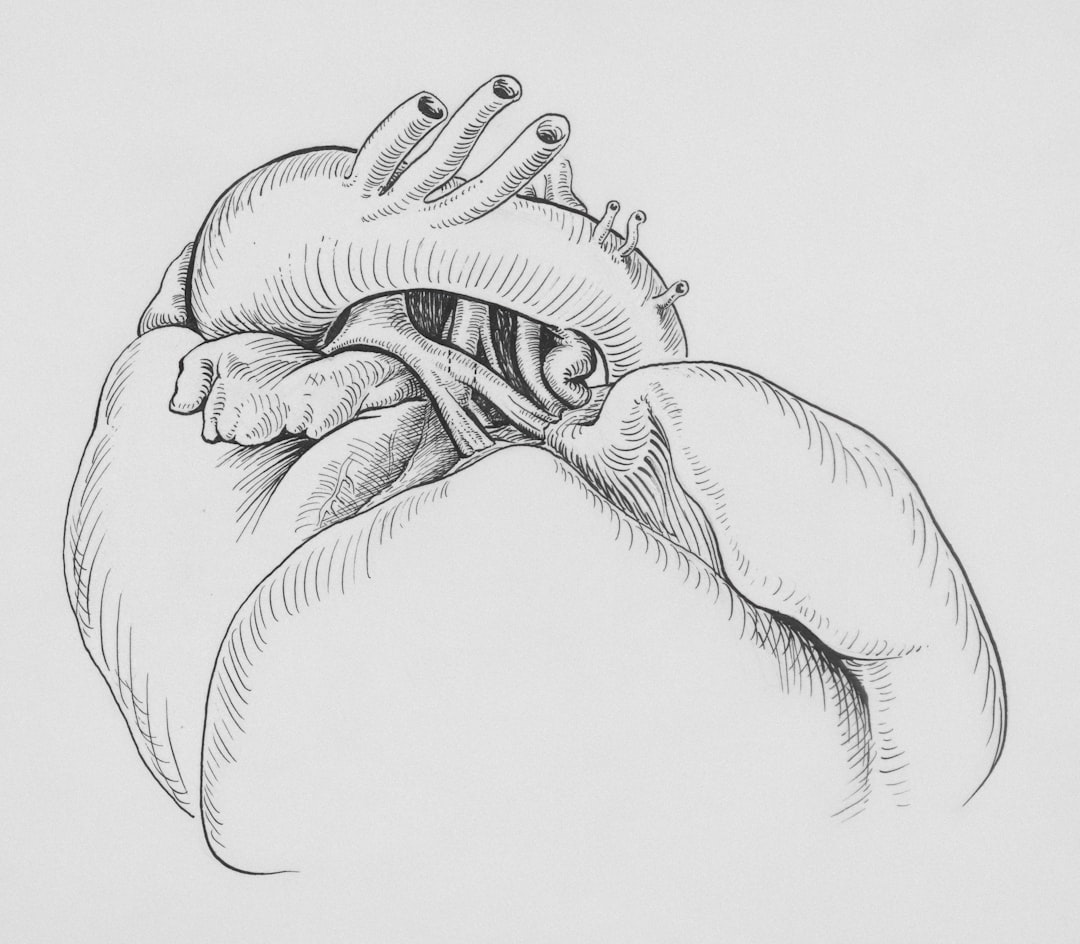
The cardiovascular system, also known as the circulatory system, is a complex network responsible for transporting blood, nutrients, oxygen, carbon dioxide, and hormones throughout the body. This intricate system comprises the heart, blood vessels, and blood itself. The heart functions as a muscular pump, propelling blood through an extensive network of arteries, veins, and capillaries.
The primary objective of this system is to maintain homeostasis by ensuring that all tissues receive adequate oxygen and nutrients while simultaneously removing metabolic waste products. The cardiovascular system is divided into two main circuits: the systemic circulation and the pulmonary circulation. Systemic circulation delivers oxygen-rich blood from the heart to the rest of the body, while pulmonary circulation transports deoxygenated blood from the heart to the lungs for oxygenation.
This dual circuit ensures that every cell in the body receives the necessary components for optimal function. Understanding the intricacies of this system is crucial for recognizing how various factors can influence cardiovascular health and overall well-being.
Key Takeaways
- The cardiovascular system is responsible for circulating blood and delivering oxygen and nutrients to the body’s tissues.
- The heart plays a crucial role in cardiovascular health by pumping blood and maintaining blood pressure.
- Blood vessels, including arteries, veins, and capillaries, are essential for the circulation of blood throughout the body.
- Common cardiovascular diseases and conditions include hypertension, coronary artery disease, and heart failure.
- Lifestyle factors such as smoking, poor diet, and lack of physical activity can negatively impact cardiovascular health.
The Role of the Heart in Cardiovascular Health
The heart is a muscular organ located in the thoracic cavity, functioning as the central component of the cardiovascular system. It consists of four chambers: two atria and two ventricles. The right atrium receives deoxygenated blood from the body, which is then pumped into the right ventricle and sent to the lungs for oxygenation.
Conversely, oxygen-rich blood returns to the left atrium, flows into the left ventricle, and is subsequently distributed throughout the body. This rhythmic contraction and relaxation cycle, known as the cardiac cycle, is vital for maintaining effective circulation. Maintaining optimal heart health is essential for preventing cardiovascular diseases such as hypertension, coronary artery disease, and heart failure.
Factors such as age, genetics, and lifestyle choices can significantly impact heart function.
Interventions such as medication management, lifestyle modifications, and surgical procedures may be necessary to address any identified concerns.
The Importance of Blood Vessels in Circulation

Blood vessels are integral components of the cardiovascular system, serving as conduits for blood flow throughout the body. They are classified into three main types: arteries, veins, and capillaries. Arteries carry oxygenated blood away from the heart under high pressure, while veins return deoxygenated blood back to the heart at lower pressure.
Capillaries, the smallest blood vessels, facilitate nutrient and gas exchange between blood and tissues. The health of blood vessels is paramount for maintaining proper circulation. Conditions such as atherosclerosis, characterized by plaque buildup in arterial walls, can lead to reduced blood flow and increase the risk of heart attacks and strokes.
Regular assessments of vascular health through imaging techniques like Doppler ultrasound can help identify abnormalities early on. Preventive measures such as managing cholesterol levels, controlling blood pressure, and avoiding smoking can significantly enhance vascular health.
Common Cardiovascular Diseases and Conditions
| Disease/Condition | Prevalence | Risk Factors |
|---|---|---|
| Coronary Artery Disease | Very common | High cholesterol, high blood pressure, smoking, diabetes |
| Heart Failure | Common | High blood pressure, coronary artery disease, diabetes, obesity |
| Stroke | Common | High blood pressure, high cholesterol, smoking, diabetes |
| Atrial Fibrillation | Common | High blood pressure, heart disease, diabetes, obesity |
Cardiovascular diseases encompass a wide range of conditions affecting the heart and blood vessels. Some of the most prevalent include coronary artery disease (CAD), heart failure, arrhythmias, and peripheral artery disease (PAD). CAD occurs when plaque builds up in coronary arteries, leading to reduced blood flow to the heart muscle.
Heart failure is a chronic condition where the heart cannot pump effectively, resulting in fluid buildup and fatigue. Arrhythmias refer to irregular heartbeats that can disrupt normal cardiac function. These can range from benign to life-threatening conditions requiring immediate medical intervention.
Peripheral artery disease affects blood flow to the limbs due to narrowed arteries, often resulting in pain during physical activity. Understanding these conditions is crucial for early detection and intervention.
Lifestyle Factors that Impact Cardiovascular Health
Lifestyle choices play a significant role in determining cardiovascular health. Factors such as diet, physical activity levels, smoking habits, and stress management can either promote or hinder heart health. A sedentary lifestyle increases the risk of obesity and hypertension, both of which are major contributors to cardiovascular diseases.
Smoking is another critical risk factor that adversely affects cardiovascular health by damaging blood vessels and increasing plaque formation. Additionally, chronic stress can lead to elevated cortisol levels, which may contribute to hypertension and other cardiovascular issues.
Adopting a holistic approach that incorporates healthy lifestyle choices is essential for reducing risk factors associated with cardiovascular diseases.
The Role of Diet in Maintaining a Healthy Cardiovascular System

Diet plays a pivotal role in maintaining cardiovascular health. A balanced diet rich in fruits, vegetables, whole grains, lean proteins, and healthy fats can significantly reduce the risk of developing cardiovascular diseases. Nutrients such as omega-3 fatty acids found in fish have been shown to lower triglyceride levels and reduce inflammation in blood vessels.
Conversely, diets high in saturated fats, trans fats, sodium, and added sugars can contribute to obesity, hypertension, and elevated cholesterol levels. The Mediterranean diet is often recommended for its heart-healthy benefits; it emphasizes whole foods while minimizing processed items. Regularly monitoring dietary intake and making conscious food choices can lead to improved cardiovascular outcomes.
Exercise and Physical Activity for Cardiovascular Health
Regular physical activity is one of the most effective ways to enhance cardiovascular health. Engaging in aerobic exercises such as walking, running, cycling, or swimming strengthens the heart muscle and improves overall circulation. The American Heart Association recommends at least 150 minutes of moderate-intensity aerobic activity per week for adults.
Incorporating strength training exercises at least twice a week can also contribute to improved cardiovascular health by enhancing muscle mass and metabolism. Additionally, physical activity helps manage weight, lowers blood pressure, and improves cholesterol levels. Finding enjoyable activities can make it easier to maintain a consistent exercise routine.
Stress Management and its Impact on the Cardiovascular System
Chronic stress has been linked to various cardiovascular issues due to its impact on hormonal balance and blood pressure regulation. Elevated levels of stress hormones such as cortisol can lead to increased heart rate and blood vessel constriction, ultimately raising blood pressure. Over time, this can contribute to an increased risk of developing hypertension and other cardiovascular diseases.
Effective stress management techniques such as mindfulness meditation, yoga, deep breathing exercises, and engaging in hobbies can help mitigate these effects. Establishing a support network of friends or family members can also provide emotional relief during stressful times. Prioritizing mental well-being is essential for maintaining a healthy cardiovascular system.
The Importance of Regular Check-ups and Screenings
Regular check-ups with healthcare professionals are vital for monitoring cardiovascular health. Routine screenings for blood pressure, cholesterol levels, and glucose levels can help identify risk factors early on. These assessments allow for timely interventions that can prevent or manage potential cardiovascular diseases.
Additionally, healthcare providers may recommend diagnostic tests such as echocardiograms or stress tests based on individual risk profiles. Staying proactive about health check-ups ensures that any emerging issues are addressed promptly before they escalate into more serious conditions.
Tips for Maintaining a Healthy Cardiovascular System
To maintain optimal cardiovascular health, individuals should consider implementing several key strategies: 1. **Adopt a Heart-Healthy Diet**: Focus on whole foods rich in nutrients while minimizing processed foods.
2. **Engage in Regular Physical Activity**: Aim for at least 150 minutes of moderate exercise weekly.
3.
**Manage Stress Effectively**: Incorporate relaxation techniques into daily routines.
4. **Avoid Tobacco Products**: Quitting smoking significantly reduces cardiovascular risks.
5. **Monitor Health Metrics**: Regularly check blood pressure, cholesterol levels, and weight.
6.
**Stay Hydrated**: Adequate hydration supports overall bodily functions.
7. **Limit Alcohol Consumption**: Moderation is key; excessive drinking can harm heart health.
8. **Prioritize Sleep**: Aim for 7-9 hours of quality sleep each night.
The Impact of a Healthy Cardiovascular System on Overall Well-being
A healthy cardiovascular system is foundational for overall well-being. It not only supports physical health but also enhances mental clarity and emotional stability. Improved circulation ensures that all organs receive adequate oxygenation and nutrients necessary for optimal function.
Moreover, maintaining cardiovascular health reduces the risk of chronic diseases such as diabetes and obesity while promoting longevity. Individuals with healthy hearts often experience higher energy levels and improved quality of life. Investing time in understanding and nurturing cardiovascular health ultimately leads to a more fulfilling life.
In summary, understanding the complexities of the cardiovascular system is essential for recognizing its impact on overall health. The heart’s role in circulation cannot be overstated; it serves as a vital pump that sustains life by delivering essential nutrients throughout the body. Blood vessels play an equally important role in ensuring efficient circulation while preventing common diseases through lifestyle choices such as diet and exercise.
Regular check-ups are crucial for early detection of potential issues while stress management techniques contribute significantly to maintaining heart health. By adopting proactive measures such as healthy eating habits and engaging in physical activity, individuals can significantly enhance their cardiovascular well-being—ultimately leading to improved quality of life and longevity.
If you are looking to improve your cardiovascular circulatory system, one important factor to consider is maintaining a healthy lifestyle. Regular exercise and a balanced diet can greatly benefit your heart health. For more tips on how to stay healthy during the holiday season, check out this article on 5 Best Pre-Lit Christmas Trees for Effortless Holiday Decor. It’s important to prioritize your health, even during festive times.
FAQs
What is the cardiovascular circulatory system?
The cardiovascular circulatory system is a network of blood vessels, including arteries, veins, and capillaries, as well as the heart, that transports blood, oxygen, and nutrients throughout the body and removes waste products.
What is the function of the cardiovascular circulatory system?
The cardiovascular circulatory system is responsible for delivering oxygen and nutrients to the body’s tissues and organs, removing waste products, regulating body temperature, and maintaining the body’s overall homeostasis.
What are the main components of the cardiovascular circulatory system?
The main components of the cardiovascular circulatory system include the heart, blood vessels (arteries, veins, and capillaries), and blood.
How does the cardiovascular circulatory system work?
The heart pumps oxygen-rich blood to the body’s tissues through the arteries, which then deliver oxygen and nutrients to the cells. The blood then returns to the heart through the veins, where it is pumped to the lungs to pick up oxygen and release carbon dioxide.
What are some common cardiovascular circulatory system disorders?
Common disorders of the cardiovascular circulatory system include hypertension (high blood pressure), coronary artery disease, heart failure, stroke, and peripheral artery disease.
How can I maintain a healthy cardiovascular circulatory system?
Maintaining a healthy cardiovascular circulatory system involves regular exercise, a balanced diet, avoiding smoking, managing stress, and getting regular check-ups with a healthcare provider.