Now Reading: Understanding Cardiovascular Hypertension: Causes and Management
-
01
Understanding Cardiovascular Hypertension: Causes and Management
Understanding Cardiovascular Hypertension: Causes and Management

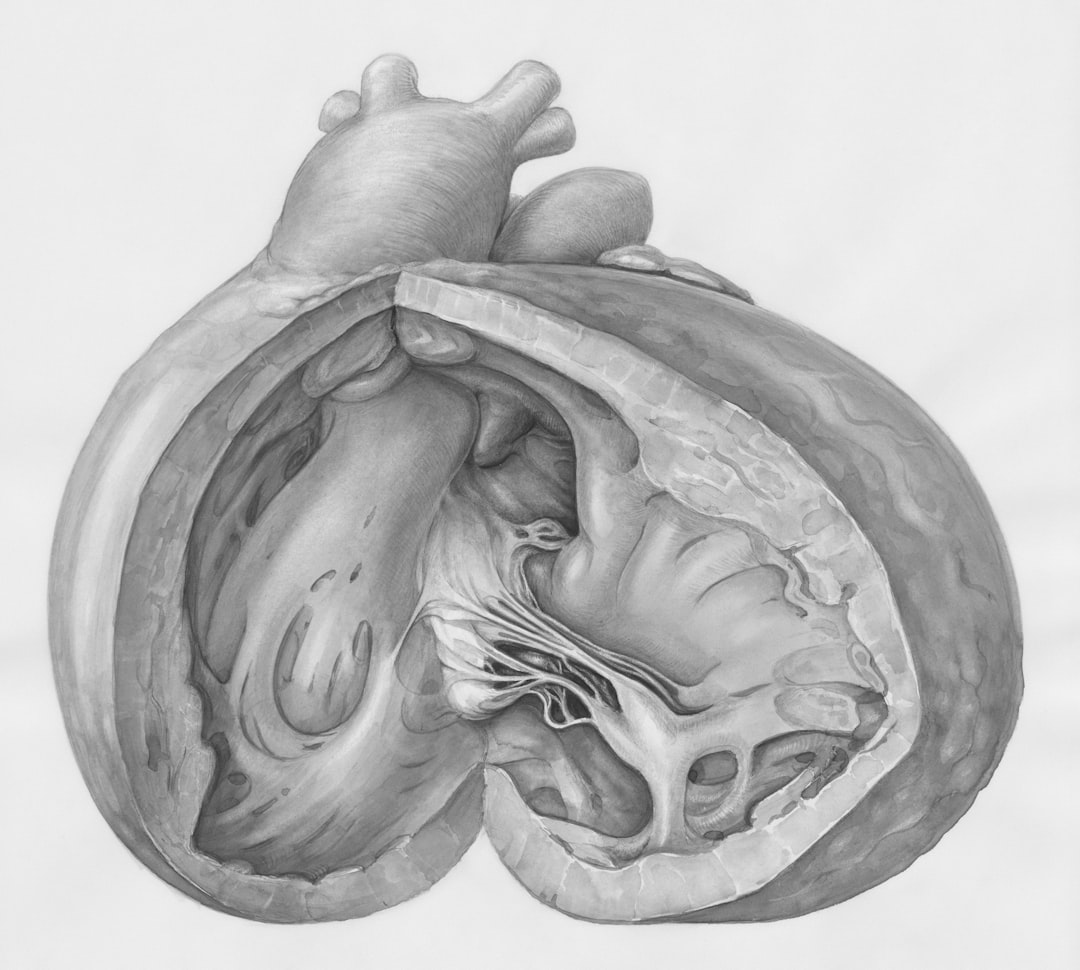
Cardiovascular hypertension, commonly referred to as high blood pressure, is a chronic medical condition characterized by elevated pressure in the arteries. This condition is often asymptomatic, which means that many individuals may be unaware of their elevated blood pressure levels until they undergo routine health screenings. Hypertension is classified into two primary categories: primary (essential) hypertension, which has no identifiable cause, and secondary hypertension, which results from underlying health issues such as kidney disease or hormonal disorders.
The significance of hypertension lies in its potential to lead to severe cardiovascular complications, including heart attack, stroke, and heart failure. The measurement of blood pressure is expressed in millimeters of mercury (mmHg) and is represented by two numbers: systolic pressure (the pressure in the arteries when the heart beats) over diastolic pressure (the pressure in the arteries when the heart rests between beats). A normal blood pressure reading is typically around 120/80 mmHg.
Hypertension is diagnosed when blood pressure readings consistently exceed 130/80 mmHg. The World Health Organization (WHO) estimates that approximately 1.13 billion people worldwide suffer from hypertension, making it a significant public health concern.
Key Takeaways
- Cardiovascular hypertension is a condition characterized by high blood pressure in the arteries, which can lead to serious health complications.
- Causes of cardiovascular hypertension can include unhealthy lifestyle choices, genetics, stress, and diet.
- Genetics can play a significant role in the development of cardiovascular hypertension, with a family history of the condition increasing the risk.
- Lifestyle factors such as smoking, excessive alcohol consumption, and a sedentary lifestyle can contribute to the development of cardiovascular hypertension.
- Stress can have a significant impact on cardiovascular hypertension, as it can lead to increased blood pressure and strain on the heart.
Understanding the Causes of Cardiovascular Hypertension
The etiology of cardiovascular hypertension is multifactorial, encompassing a range of biological, environmental, and lifestyle factors. Primary hypertension accounts for about 90-95% of all cases and is influenced by genetic predisposition, age, and lifestyle choices. Secondary hypertension, on the other hand, can be attributed to specific medical conditions such as renal artery stenosis, endocrine disorders like hyperaldosteronism, or the use of certain medications.
Several physiological mechanisms contribute to the development of hypertension. For instance, increased vascular resistance due to arterial stiffness or narrowing can elevate blood pressure. Additionally, abnormalities in the renin-angiotensin-aldosterone system (RAAS) can lead to fluid retention and increased blood volume, further exacerbating hypertension.
Understanding these underlying mechanisms is crucial for developing effective treatment strategies and preventive measures.
The Role of Genetics in Cardiovascular Hypertension

Genetic factors play a significant role in the predisposition to cardiovascular hypertension. Family history is a well-established risk factor; individuals with hypertensive relatives are more likely to develop high blood pressure themselves. Research has identified numerous genetic variants associated with hypertension, including those affecting sodium transport, vascular tone regulation, and renal function.
Genome-wide association studies (GWAS) have revealed specific loci linked to blood pressure regulation. For example, variations in genes such as AGT (angiotensinogen) and ACE (angiotensin-converting enzyme) have been implicated in the pathophysiology of hypertension. While genetics can influence an individual’s susceptibility to high blood pressure, it is essential to recognize that lifestyle factors can modulate these genetic predispositions.
Therefore, individuals with a family history of hypertension should be particularly vigilant about monitoring their blood pressure and adopting preventive measures.
Lifestyle Factors and Cardiovascular Hypertension
| Lifestyle Factors | Cardiovascular Hypertension |
|---|---|
| Smoking | Increases risk of hypertension |
| Diet high in sodium | Linked to high blood pressure |
| Physical inactivity | Can lead to hypertension |
| Excessive alcohol consumption | Can raise blood pressure |
Lifestyle choices significantly impact the development and management of cardiovascular hypertension. Sedentary behavior, poor dietary habits, excessive alcohol consumption, and tobacco use are all associated with increased blood pressure levels. A sedentary lifestyle contributes to obesity, which is a major risk factor for hypertension due to its effects on insulin resistance and inflammation.
Conversely, adopting a healthy lifestyle can mitigate the risk of developing hypertension. Engaging in regular physical activity, maintaining a balanced diet rich in fruits, vegetables, whole grains, and lean proteins can help regulate blood pressure levels. The DASH (Dietary Approaches to Stop Hypertension) diet is particularly effective in lowering blood pressure and emphasizes nutrient-dense foods while reducing sodium intake.
The Impact of Stress on Cardiovascular Hypertension
Chronic stress is another critical factor contributing to cardiovascular hypertension. The body’s response to stress involves the release of hormones such as cortisol and adrenaline, which can lead to temporary increases in heart rate and blood pressure. Over time, persistent stress can result in sustained elevations in blood pressure due to continuous activation of the sympathetic nervous system.
Moreover, stress can lead to unhealthy coping mechanisms such as overeating, smoking, or increased alcohol consumption, further exacerbating hypertension. Effective stress management techniques are essential for individuals at risk for or currently managing high blood pressure. Mindfulness practices such as meditation, yoga, and deep-breathing exercises can help reduce stress levels and promote overall cardiovascular health.
The Connection Between Diet and Cardiovascular Hypertension
Diet plays a pivotal role in both the development and management of cardiovascular hypertension. High sodium intake is one of the most significant dietary contributors to elevated blood pressure. The American Heart Association recommends limiting sodium intake to less than 2,300 mg per day for most adults and ideally aiming for 1,500 mg per day for those with hypertension.
Conversely, diets rich in potassium, magnesium, and calcium have been shown to have a beneficial effect on blood pressure regulation. Foods such as bananas, spinach, avocados, nuts, and dairy products are excellent sources of these essential nutrients. Additionally, incorporating omega-3 fatty acids found in fatty fish like salmon can also contribute to cardiovascular health by reducing inflammation and improving endothelial function.
Managing Cardiovascular Hypertension with Medication
Pharmacological intervention may be necessary for individuals with persistent hypertension despite lifestyle modifications. Several classes of antihypertensive medications are available, each with distinct mechanisms of action. Commonly prescribed medications include: 1. **Diuretics**: These medications help eliminate excess sodium and water from the body, reducing blood volume and lowering blood pressure.
2. **ACE Inhibitors**: Angiotensin-converting enzyme inhibitors block the formation of angiotensin II, a hormone that constricts blood vessels.
3. **ARBs (Angiotensin II Receptor Blockers)**: These drugs prevent angiotensin II from binding to its receptors, promoting vasodilation.
4. **Calcium Channel Blockers**: These agents inhibit calcium entry into vascular smooth muscle cells, leading to relaxation of blood vessels.
5. **Beta-Blockers**: These medications reduce heart rate and cardiac output by blocking the effects of adrenaline. The choice of medication depends on individual patient characteristics and comorbidities. Regular follow-up appointments are essential for monitoring efficacy and adjusting dosages as needed.
Lifestyle Changes for Managing Cardiovascular Hypertension
In addition to pharmacological treatment, lifestyle modifications are crucial for managing cardiovascular hypertension effectively. Key changes include: 1. **Weight Management**: Achieving and maintaining a healthy weight can significantly lower blood pressure levels.
2.
**Dietary Adjustments**: Following a heart-healthy diet rich in fruits, vegetables, whole grains, lean proteins, and healthy fats while minimizing sodium intake.
3. **Limiting Alcohol Consumption**: Reducing alcohol intake can help lower blood pressure; moderation is key.
4. **Smoking Cessation**: Quitting smoking improves overall cardiovascular health and reduces hypertension risk.
5.
**Stress Reduction**: Implementing stress management techniques such as mindfulness meditation or engaging in hobbies can positively impact blood pressure.
The Importance of Regular Exercise in Managing Cardiovascular Hypertension
Regular physical activity is one of the most effective non-pharmacological interventions for managing cardiovascular hypertension. Engaging in aerobic exercises such as walking, jogging, cycling, or swimming for at least 150 minutes per week can lead to significant reductions in blood pressure levels. Exercise promotes weight loss, improves insulin sensitivity, enhances endothelial function, and reduces arterial stiffness—all factors that contribute to lower blood pressure readings.
Additionally, strength training exercises should be incorporated at least twice a week to further enhance cardiovascular health.
Monitoring and Tracking Cardiovascular Hypertension
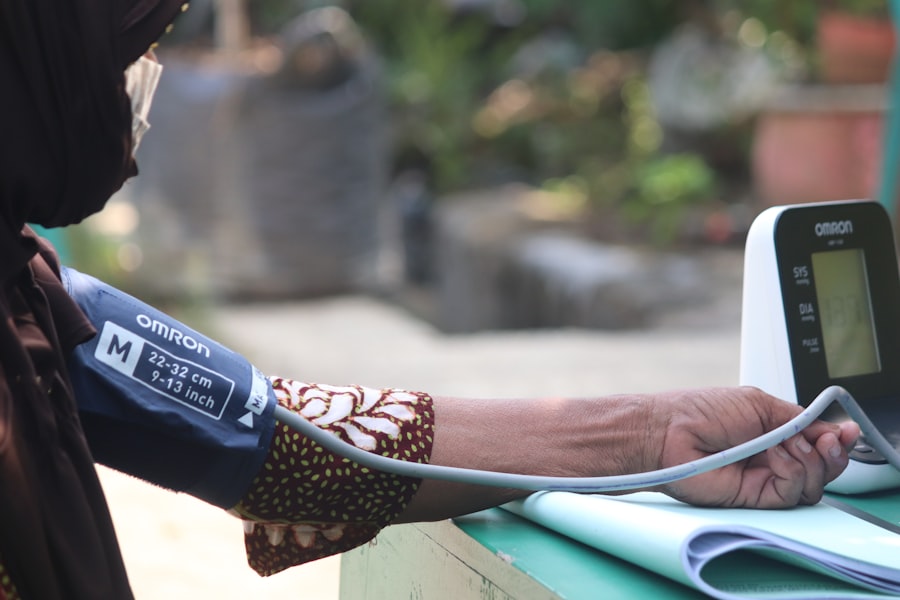
Regular monitoring of blood pressure is essential for individuals diagnosed with cardiovascular hypertension or those at risk for developing it. Home blood pressure monitors provide an accessible means for patients to track their readings consistently. Keeping a log of daily measurements allows healthcare providers to assess treatment efficacy and make necessary adjustments.
Seeking Support for Cardiovascular Hypertension Management
Managing cardiovascular hypertension can be challenging; therefore, seeking support from healthcare professionals is vital for successful outcomes. Patients should engage with their primary care physician or a cardiologist who specializes in hypertension management for personalized treatment plans. Support groups or educational programs focused on lifestyle changes can also provide valuable resources and encouragement for individuals navigating their journey toward better health.
Family involvement can further enhance motivation and adherence to treatment regimens. In summary, cardiovascular hypertension is a prevalent condition that poses significant health risks if left unmanaged. Understanding its causes—ranging from genetic predispositions to lifestyle factors—can empower individuals to take proactive steps toward prevention and management.
Effective treatment options include both medication and lifestyle modifications aimed at reducing blood pressure levels and improving overall cardiovascular health. Regular monitoring and support systems play crucial roles in ensuring successful management of this chronic condition.
Cardiovascular hypertension is a serious medical condition that affects many individuals worldwide. According to a recent article on boogger.com, stress and lack of proper self-care during holidays can contribute to the development of hypertension. It is important to prioritize one’s health and well-being, especially during times of celebration and relaxation. By being mindful of lifestyle choices and managing stress levels, individuals can reduce their risk of developing cardiovascular hypertension.
FAQs
What is cardiovascular hypertension?
Cardiovascular hypertension, also known as high blood pressure, is a condition in which the force of the blood against the artery walls is consistently too high. This can lead to serious health problems, including heart disease, stroke, and kidney failure.
What are the risk factors for cardiovascular hypertension?
Risk factors for cardiovascular hypertension include age, family history, being overweight or obese, lack of physical activity, excessive salt intake, excessive alcohol consumption, and chronic stress.
What are the symptoms of cardiovascular hypertension?
In many cases, cardiovascular hypertension does not cause any symptoms. However, some people with high blood pressure may experience headaches, shortness of breath, dizziness, chest pain, and vision problems.
How is cardiovascular hypertension diagnosed?
Cardiovascular hypertension is diagnosed through blood pressure measurements. A blood pressure reading of 130/80 mmHg or higher is considered high. Additional tests may be done to determine the underlying cause and assess any damage to the heart, kidneys, or blood vessels.
What are the treatment options for cardiovascular hypertension?
Treatment for cardiovascular hypertension may include lifestyle changes such as a healthy diet, regular exercise, weight management, and stress reduction. In some cases, medication may be prescribed to lower blood pressure.
How can cardiovascular hypertension be prevented?
Preventive measures for cardiovascular hypertension include maintaining a healthy weight, exercising regularly, eating a balanced diet low in salt and saturated fats, limiting alcohol consumption, managing stress, and avoiding tobacco products. Regular blood pressure screenings are also important for early detection and management.