Now Reading: Reducing CVD Risk: Strategies for a Healthier Heart
-
01
Reducing CVD Risk: Strategies for a Healthier Heart
Reducing CVD Risk: Strategies for a Healthier Heart
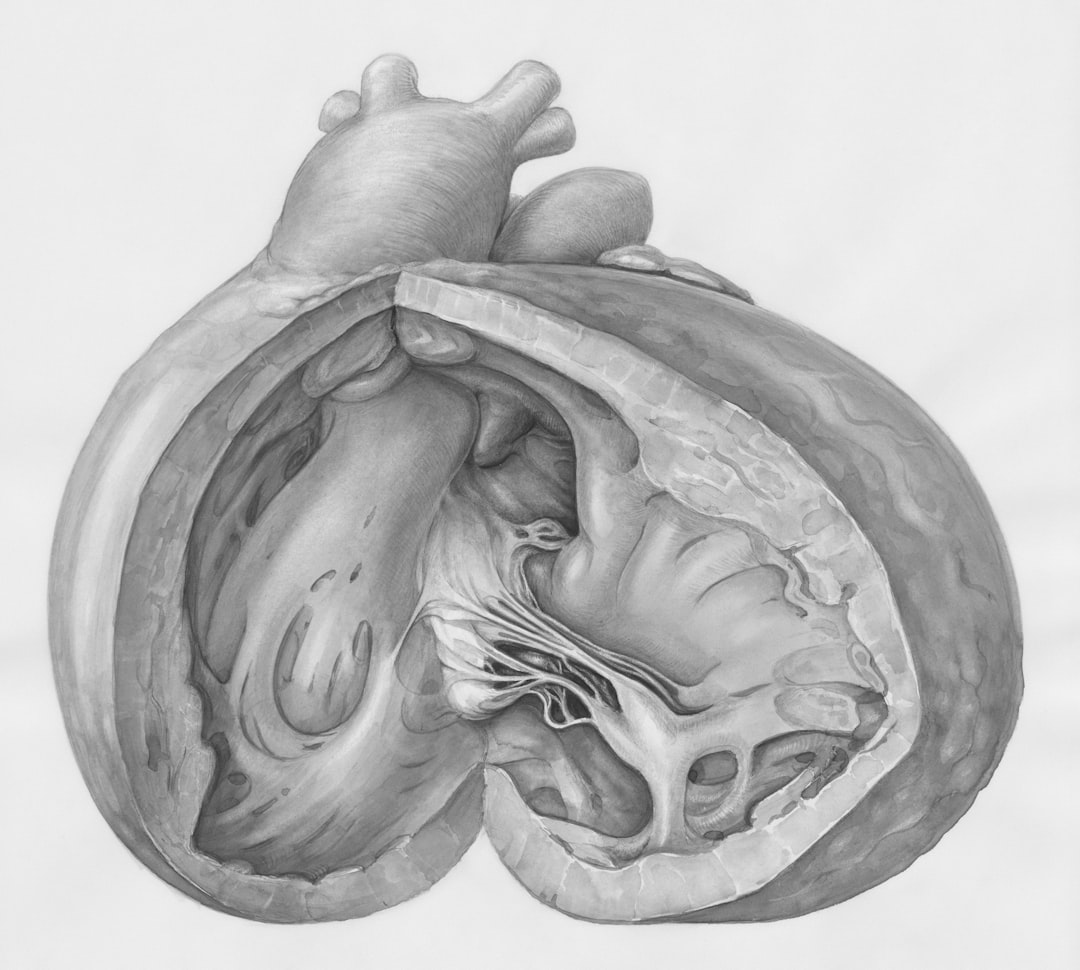
Cardiovascular disease (CVD) encompasses a range of disorders affecting the heart and blood vessels, including coronary artery disease, hypertension, heart failure, and arrhythmias. It is a leading cause of morbidity and mortality worldwide, accounting for approximately 31% of all global deaths according to the World Health Organization. The pathophysiology of CVD often involves atherosclerosis, where plaque builds up in the arterial walls, leading to reduced blood flow and increased risk of myocardial infarction or stroke.
Risk factors for CVD include hypertension, hyperlipidemia, diabetes mellitus, obesity, and lifestyle choices such as smoking and sedentary behavior. Understanding the multifactorial nature of CVD is crucial for effective prevention and management. Genetic predisposition plays a significant role, but environmental factors and lifestyle choices can significantly modulate risk.
For instance, individuals with a family history of heart disease may benefit from early screening and lifestyle modifications to mitigate their risk. Furthermore, the interplay between psychological stress and cardiovascular health cannot be overlooked, as chronic stress can lead to elevated cortisol levels, which may contribute to hypertension and other cardiovascular complications.
Key Takeaways
- CVD is a leading cause of death globally, understanding its risk factors and symptoms is crucial for prevention.
- A healthy diet, rich in fruits, vegetables, and whole grains, is essential for maintaining heart health and reducing CVD risk.
- Regular physical activity, such as brisk walking or cycling, can significantly lower the risk of developing CVD.
- Managing stress through relaxation techniques and mindfulness can have a positive impact on heart health.
- Regular health check-ups and monitoring of blood pressure, cholesterol, and glucose levels are important for early detection and prevention of CVD.
Importance of a Healthy Diet for Heart Health
A heart-healthy diet is foundational in preventing and managing cardiovascular disease. The Mediterranean diet, rich in fruits, vegetables, whole grains, lean proteins, and healthy fats such as olive oil, has been associated with reduced cardiovascular risk. This dietary pattern emphasizes the consumption of omega-3 fatty acids found in fish, which have anti-inflammatory properties and can lower triglyceride levels.
Additionally, incorporating fiber-rich foods can help manage cholesterol levels and improve overall heart health. Conversely, diets high in saturated fats, trans fats, and refined sugars can exacerbate cardiovascular risk factors. Processed foods often contain high levels of sodium, which can lead to hypertension.
To promote heart health, individuals should aim to limit their intake of processed foods and focus on whole food sources. Meal planning that prioritizes nutrient-dense options can significantly impact cardiovascular health outcomes. Regularly consuming potassium-rich foods like bananas and spinach can also help regulate blood pressure.
The Role of Regular Physical Activity in Reducing CVD Risk
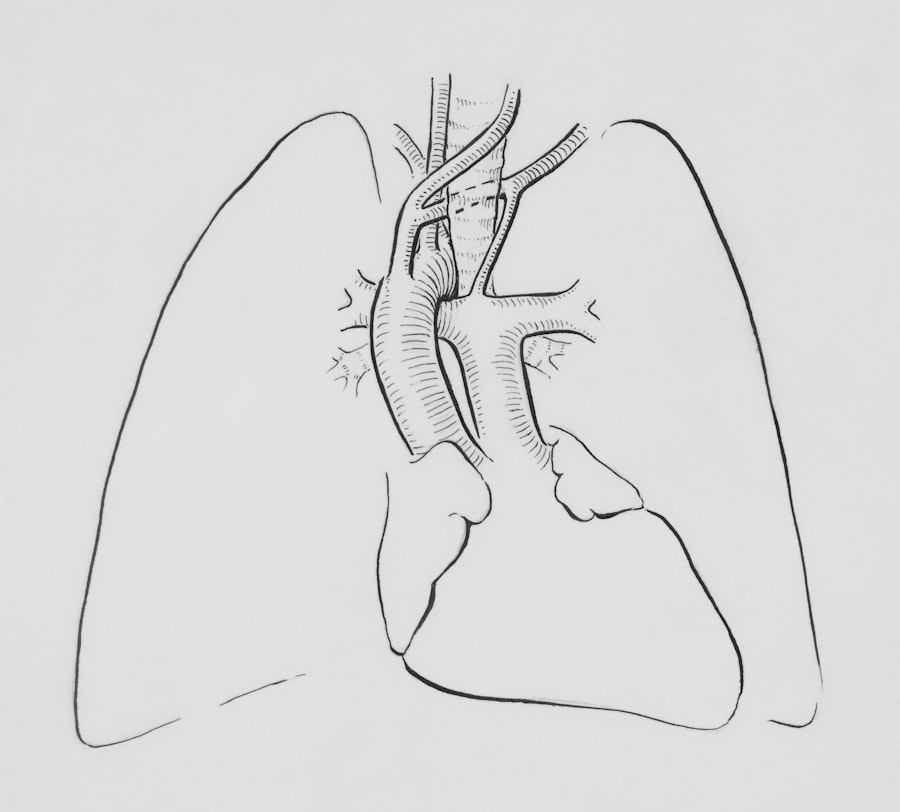
Engaging in regular physical activity is a cornerstone of cardiovascular health. The American Heart Association recommends at least 150 minutes of moderate-intensity aerobic exercise or 75 minutes of vigorous-intensity exercise each week. Physical activity helps maintain a healthy weight, lowers blood pressure, improves lipid profiles, and enhances overall cardiovascular function.
Aerobic exercises such as walking, running, cycling, and swimming are particularly beneficial for heart health. In addition to aerobic exercise, incorporating strength training at least twice a week can further enhance cardiovascular fitness by improving muscle mass and metabolic rate. Studies have shown that even small increments of physical activity can yield significant health benefits.
For instance, brisk walking for just 30 minutes a day can reduce the risk of heart disease by up to 30%. Moreover, engaging in physical activities that promote social interaction can also provide psychological benefits that contribute to overall well-being.
Managing Stress and Its Impact on Heart Health
| Stress Management Techniques | Impact on Heart Health |
|---|---|
| Regular exercise | Reduces risk of heart disease |
| Meditation and deep breathing | Lowers blood pressure and heart rate |
| Healthy diet | Improves overall heart health |
| Quality sleep | Reduces risk of heart disease and stroke |
| Stress management programs | Can lower the risk of heart attacks |
Chronic stress is a significant contributor to cardiovascular disease. The physiological response to stress involves the release of catecholamines and cortisol, which can lead to increased heart rate and blood pressure. Over time, these changes can damage blood vessels and contribute to the development of atherosclerosis.
Therefore, effective stress management techniques are essential for maintaining heart health. Mindfulness practices such as meditation, yoga, and deep-breathing exercises have been shown to reduce stress levels and improve cardiovascular outcomes. Cognitive-behavioral therapy (CBT) can also be beneficial in addressing negative thought patterns that contribute to stress.
Additionally, fostering strong social connections can provide emotional support that mitigates stress responses. Engaging in hobbies or activities that bring joy can serve as effective outlets for stress relief.
Importance of Regular Health Check-ups and Monitoring
Regular health check-ups are vital for early detection and management of cardiovascular disease risk factors. Routine screenings for blood pressure, cholesterol levels, and blood glucose are essential components of preventive healthcare. The American College of Cardiology recommends that adults over the age of 20 undergo lipid screening every four to six years unless they have additional risk factors that necessitate more frequent monitoring.
Monitoring these parameters allows for timely interventions that can significantly alter the course of cardiovascular health. For instance, if elevated cholesterol levels are detected early, lifestyle modifications or pharmacological treatments can be initiated to prevent the progression of atherosclerosis. Furthermore, regular consultations with healthcare providers enable individuals to stay informed about their cardiovascular health status and make necessary adjustments to their lifestyle or treatment plans.
Quitting Smoking and Its Positive Effects on Heart Health
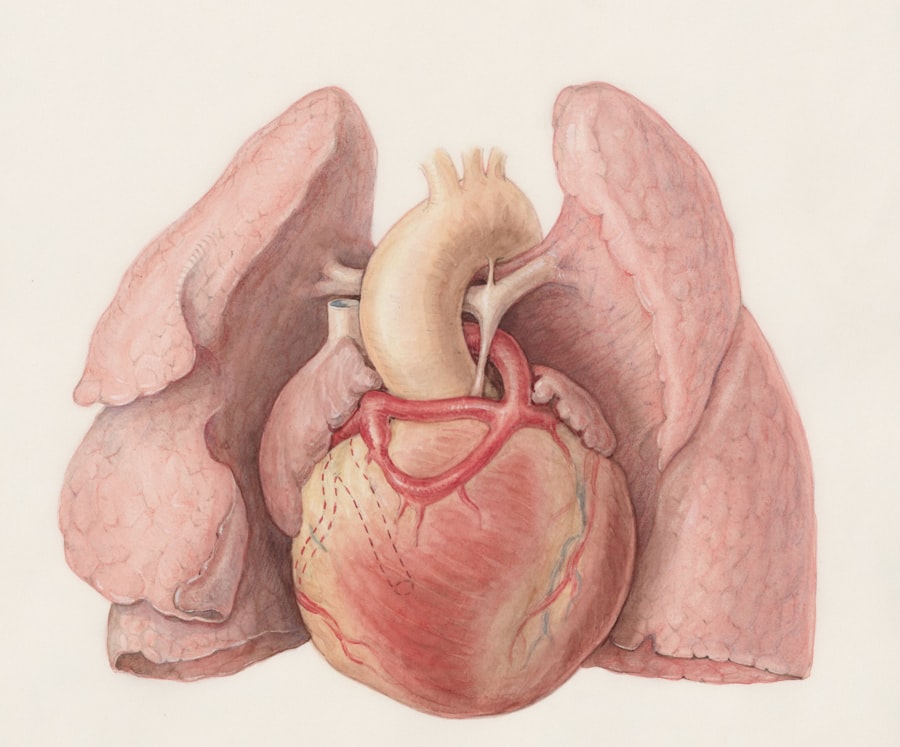
Smoking is one of the most significant modifiable risk factors for cardiovascular disease. The harmful substances in tobacco smoke contribute to endothelial dysfunction, increased blood clotting, and elevated blood pressure—all of which heighten the risk of heart disease. Quitting smoking has immediate and long-term benefits for cardiovascular health; within just 20 minutes of cessation, heart rate and blood pressure begin to normalize.
Long-term abstinence from smoking leads to substantial reductions in the risk of coronary artery disease and stroke. Studies indicate that former smokers can reduce their risk by up to 50% within one year of quitting. Various cessation aids such as nicotine replacement therapy (NRT), prescription medications like varenicline (Chantix), or bupropion (Zyban), along with behavioral support programs, can significantly enhance the likelihood of successful quitting.
Limiting Alcohol Consumption for a Healthier Heart
Moderate alcohol consumption has been associated with certain cardiovascular benefits; however, excessive intake poses significant risks. The American Heart Association defines moderate drinking as up to one drink per day for women and up to two drinks per day for men. Excessive alcohol consumption can lead to hypertension, cardiomyopathy, arrhythmias, and an increased risk of stroke.
To promote heart health, individuals should be mindful of their alcohol intake and consider abstaining altogether if they have existing cardiovascular conditions or other risk factors such as obesity or diabetes. Engaging in alcohol-free social activities can also help individuals maintain a healthier lifestyle while enjoying social interactions without the adverse effects associated with alcohol consumption.
The Impact of Sleep on Cardiovascular Health
Sleep plays a critical role in maintaining cardiovascular health. Insufficient sleep has been linked to various cardiovascular issues such as hypertension, obesity, diabetes mellitus, and increased inflammation—all contributing factors to CVD.
Sleep disorders such as obstructive sleep apnea (OSA) can significantly increase cardiovascular risk due to intermittent hypoxia and increased sympathetic nervous system activity during sleep disturbances. Addressing sleep issues through lifestyle modifications or medical interventions is essential for reducing CVD risk. Strategies such as maintaining a consistent sleep schedule, creating a restful sleep environment, and avoiding stimulants before bedtime can enhance sleep quality.
Managing Chronic Conditions to Reduce CVD Risk
Chronic conditions such as diabetes mellitus, hypertension, and hyperlipidemia are significant contributors to cardiovascular disease risk. Effective management of these conditions is crucial for reducing overall CVD risk. For instance, individuals with diabetes should maintain optimal glycemic control through lifestyle modifications and pharmacotherapy as needed.
Regular monitoring of blood pressure and lipid levels is essential for those with hypertension or dyslipidemia. Adhering to prescribed medications such as antihypertensives or statins can significantly lower the risk of cardiovascular events. Additionally, patient education on recognizing symptoms related to these chronic conditions empowers individuals to take an active role in their health management.
The Role of Medication in CVD Risk Reduction
Pharmacological interventions play a pivotal role in reducing cardiovascular disease risk among high-risk populations. Statins are commonly prescribed to lower LDL cholesterol levels and have been shown to reduce the incidence of major adverse cardiovascular events by approximately 25-30%. Other classes of medications include antihypertensives such as ACE inhibitors or beta-blockers that help manage blood pressure effectively.
Antiplatelet agents like aspirin may also be recommended for individuals with established CVD or those at high risk for thrombotic events. It is essential for healthcare providers to assess individual patient profiles when prescribing medications to ensure optimal therapeutic outcomes while minimizing potential side effects.
Creating a Supportive Environment for Heart Health
A supportive environment is crucial for fostering heart-healthy behaviors. This includes access to nutritious foods, safe spaces for physical activity, and social support systems that encourage healthy lifestyle choices. Community initiatives aimed at promoting physical activity through organized sports or walking groups can enhance participation rates among individuals seeking to improve their cardiovascular health.
Additionally, workplace wellness programs that promote healthy eating options and regular physical activity can significantly impact employees’ overall well-being. Encouraging family members to engage in healthy habits together fosters accountability and creates a culture of health within households. In summary, understanding cardiovascular disease encompasses recognizing its multifactorial nature while emphasizing prevention through lifestyle modifications such as diet, exercise, stress management, regular check-ups, smoking cessation, moderated alcohol consumption, quality sleep, chronic condition management, medication adherence when necessary, and creating supportive environments for heart health.
By adopting these strategies collectively, individuals can significantly reduce their risk of developing CVD while enhancing their overall quality of life.
When considering cardiovascular disease (CVD) risk, it is important to reflect on the impact of various factors on our health.