Now Reading: Understanding Acute Cardiopulmonary Arrest
-
01
Understanding Acute Cardiopulmonary Arrest
Understanding Acute Cardiopulmonary Arrest

Acute cardiopulmonary arrest (CPA) is a critical medical emergency characterized by the sudden cessation of effective cardiac function and respiratory activity. This condition leads to an immediate loss of consciousness and the absence of pulse and breathing, necessitating prompt intervention to prevent irreversible organ damage and death. The pathophysiology of CPA involves a complex interplay of electrical and mechanical dysfunctions within the heart, often resulting from underlying cardiovascular diseases or acute medical events.
The clinical definition of acute cardiopulmonary arrest encompasses both cardiac arrest, where the heart fails to pump blood effectively, and respiratory arrest, where breathing ceases. The American Heart Association (AHA) emphasizes that timely recognition and intervention are paramount, as survival rates significantly decrease with each passing minute without resuscitation. The prognosis for individuals experiencing CPA is heavily influenced by the speed of response and the quality of care administered during the critical moments following the event.
Key Takeaways
- Acute cardiopulmonary arrest is a sudden loss of heart function, breathing, and consciousness.
- Causes of acute cardiopulmonary arrest include heart attack, drowning, drug overdose, and severe trauma.
- Signs and symptoms of acute cardiopulmonary arrest include sudden collapse, no pulse, and no breathing.
- Risk factors for acute cardiopulmonary arrest include age, family history, and underlying heart conditions.
- Diagnosis of acute cardiopulmonary arrest is based on clinical assessment, electrocardiogram, and blood tests.
Causes of Acute Cardiopulmonary Arrest
The etiology of acute cardiopulmonary arrest is multifactorial, with various underlying conditions contributing to its onset. The most prevalent causes include coronary artery disease, which can lead to myocardial infarction, arrhythmias, and subsequent cardiac failure. Other significant contributors are pulmonary embolism, severe respiratory distress, and trauma, which can compromise both cardiac and respiratory functions.
In addition to these primary causes, several less common factors may precipitate CPThese include electrolyte imbalances such as hyperkalemia or hypocalcemia, drug overdoses, and severe infections leading to sepsis. Understanding these causative factors is crucial for healthcare professionals in developing effective prevention strategies and treatment protocols tailored to individual patient needs.
Signs and Symptoms of Acute Cardiopulmonary Arrest
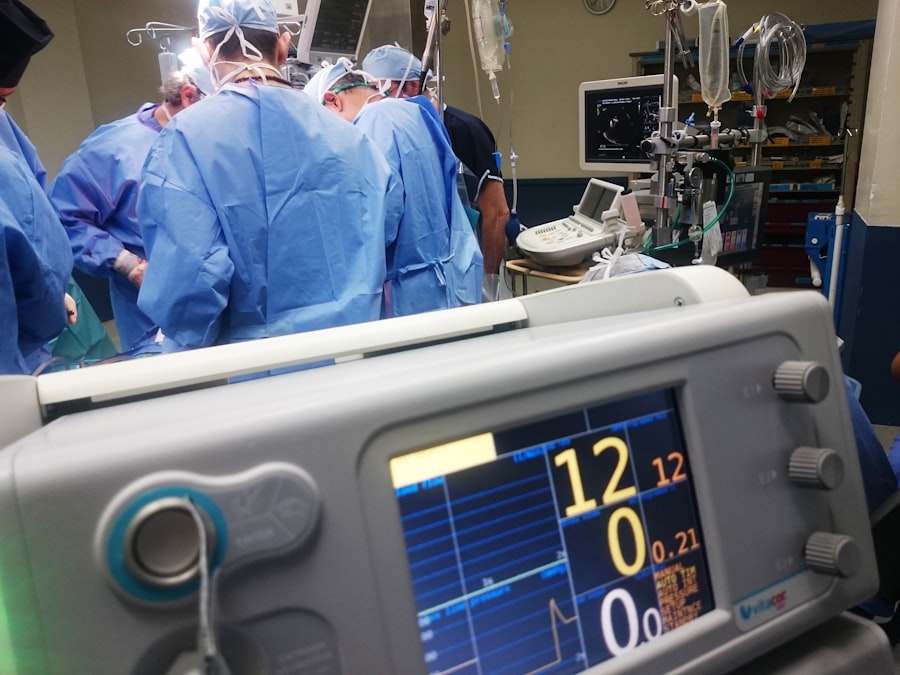
The clinical presentation of acute cardiopulmonary arrest is characterized by a rapid onset of symptoms that can be life-threatening. Patients typically exhibit a sudden loss of consciousness, unresponsiveness, and absence of normal breathing patterns. The lack of a palpable pulse is a definitive sign that immediate medical intervention is required. In some cases, preceding symptoms may provide clues to an impending arrest. These can include chest pain, palpitations, shortness of breath, or syncope. Recognizing these warning signs can be critical for timely intervention and may help in preventing full-blown cardiopulmonary arrest.
It is essential for bystanders and healthcare providers to be vigilant in identifying these symptoms to facilitate rapid response.
Risk Factors for Acute Cardiopulmonary Arrest
| Risk Factors | Description |
|---|---|
| Age | Advanced age is a significant risk factor for acute cardiopulmonary arrest. |
| Smoking | Cigarette smoking increases the risk of cardiopulmonary arrest due to its negative impact on the cardiovascular system. |
| Obesity | Being overweight or obese can contribute to the development of cardiovascular diseases, increasing the risk of acute cardiopulmonary arrest. |
| High Blood Pressure | Hypertension is a major risk factor for cardiopulmonary arrest as it puts strain on the heart and blood vessels. |
| Diabetes | Uncontrolled diabetes can lead to cardiovascular complications, increasing the risk of acute cardiopulmonary arrest. |
Several risk factors have been identified that increase the likelihood of experiencing acute cardiopulmonary arrest. These include age, with older adults being at a higher risk due to the prevalence of cardiovascular diseases. Additionally, individuals with a history of heart disease, hypertension, diabetes mellitus, or hyperlipidemia are more susceptible to CPA.
Lifestyle factors also play a significant role in determining risk levels. Smoking, excessive alcohol consumption, sedentary behavior, and poor dietary habits contribute to cardiovascular morbidity. Furthermore, genetic predispositions can influence an individual’s risk profile.
Understanding these risk factors is vital for healthcare providers in implementing preventive measures and educating patients about lifestyle modifications that can mitigate their risk.
Diagnosis of Acute Cardiopulmonary Arrest
The diagnosis of acute cardiopulmonary arrest is primarily clinical and relies on the immediate assessment of the patient’s responsiveness, breathing, and circulation. Healthcare professionals utilize the ABC (Airway, Breathing, Circulation) approach to evaluate the patient’s condition rapidly. The absence of a pulse and normal breathing confirms the diagnosis.
In a hospital setting, advanced diagnostic tools may be employed post-resuscitation to identify underlying causes. Electrocardiograms (ECGs) are essential for detecting arrhythmias or ischemic changes in the heart’s electrical activity. Blood tests may also be conducted to assess electrolyte levels, cardiac enzymes, and other markers indicative of myocardial injury or systemic distress.
Treatment Options for Acute Cardiopulmonary Arrest
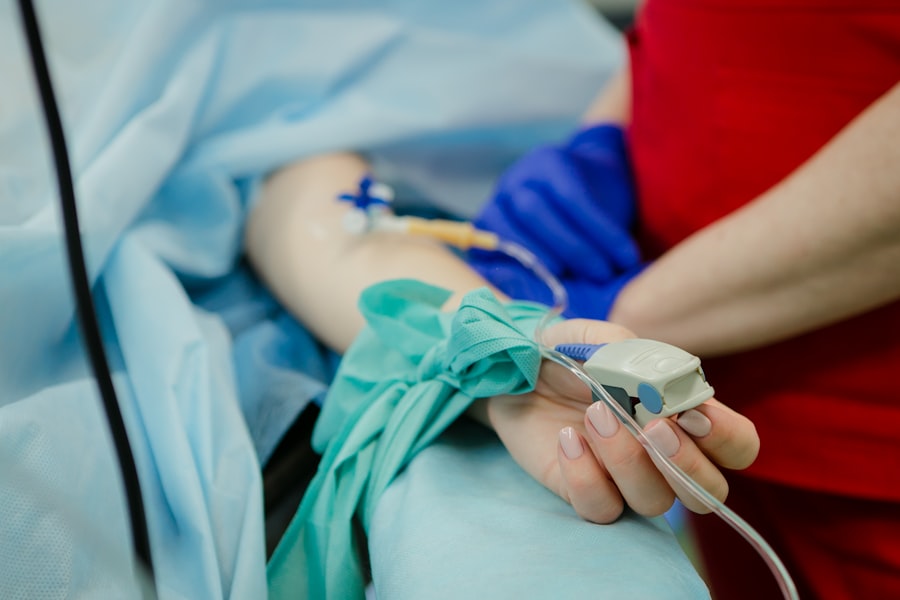
Immediate treatment for acute cardiopulmonary arrest focuses on restoring effective circulation and respiration through cardiopulmonary resuscitation (CPR) and defibrillation if indicated. The AHA recommends high-quality chest compressions at a rate of 100-120 compressions per minute with a depth of at least 2 inches in adults. Early defibrillation using an automated external defibrillator (AED) is crucial for patients experiencing ventricular fibrillation or pulseless ventricular tachycardia.
Following initial resuscitation efforts, advanced cardiac life support (ACLS) protocols may be initiated in a hospital setting. This includes administering medications such as epinephrine to enhance coronary perfusion pressure and amiodarone for rhythm stabilization. In cases where reversible causes are identified, targeted interventions such as thrombolysis for pulmonary embolism or correction of electrolyte imbalances may be necessary.
First Aid and CPR for Acute Cardiopulmonary Arrest
First aid measures for acute cardiopulmonary arrest are critical in improving survival outcomes. Bystanders should immediately call emergency services while initiating CPR if they encounter an unresponsive individual without normal breathing. The recommended approach involves alternating between 30 chest compressions followed by 2 rescue breaths if trained in mouth-to-mouth resuscitation.
For untrained bystanders, hands-only CPR is encouraged as it has been shown to be effective in maintaining blood flow until professional help arrives. The use of an AED should be prioritized when available; these devices provide audible instructions and can analyze the heart’s rhythm to determine if defibrillation is necessary.
Prevention of Acute Cardiopulmonary Arrest
Preventive strategies for acute cardiopulmonary arrest focus on addressing modifiable risk factors through lifestyle changes and regular medical check-ups. Individuals should engage in regular physical activity, maintain a balanced diet rich in fruits, vegetables, whole grains, and lean proteins while minimizing saturated fats and sugars. Routine health screenings for blood pressure, cholesterol levels, and diabetes management are essential for early detection and intervention in at-risk populations.
Complications of Acute Cardiopulmonary Arrest
Survivors of acute cardiopulmonary arrest may face numerous complications that can significantly impact their quality of life. Neurological deficits are among the most concerning outcomes due to potential hypoxic-ischemic injury during the period of arrest. Cognitive impairments ranging from mild memory loss to severe disabilities can occur depending on the duration of oxygen deprivation.
Other complications may include organ dysfunction due to prolonged circulatory failure, leading to renal impairment or liver dysfunction. Psychological effects such as post-traumatic stress disorder (PTSD) or depression may also arise following a near-death experience. Comprehensive follow-up care is essential for addressing these complications effectively.
Recovery and Rehabilitation from Acute Cardiopulmonary Arrest
Recovery from acute cardiopulmonary arrest often requires a multidisciplinary approach involving cardiologists, rehabilitation specialists, and mental health professionals. Cardiac rehabilitation programs play a vital role in helping survivors regain physical strength and endurance through supervised exercise regimens tailored to individual capabilities. Psychosocial support is equally important during recovery; counseling services can assist individuals in coping with emotional challenges post-arrest.
Education on lifestyle modifications and adherence to prescribed medications is crucial for preventing future cardiovascular events.
Support and Resources for Acute Cardiopulmonary Arrest
Numerous resources are available for individuals affected by acute cardiopulmonary arrest and their families. Organizations such as the American Heart Association provide educational materials on CPR training, heart health awareness campaigns, and support networks for survivors. Local hospitals often offer community outreach programs that include free CPR classes and health screenings aimed at reducing cardiovascular disease prevalence.
Online platforms also provide access to forums where survivors can share experiences and connect with others facing similar challenges. In summary, acute cardiopulmonary arrest represents a life-threatening emergency requiring immediate recognition and intervention. Understanding its causes, risk factors, signs, symptoms, diagnosis, treatment options, prevention strategies, complications, recovery processes, and available support resources is essential for improving outcomes for affected individuals.
By fostering awareness and promoting proactive health measures, we can work towards reducing the incidence of this critical condition while enhancing survival rates through effective response protocols.
Acute cardiopulmonary arrest is a serious medical emergency that requires immediate intervention to save a person’s life. In a related article, How to Choose a Lawyer for Your Needs in 2025, the importance of making informed decisions in critical situations is highlighted. Just as selecting the right lawyer can make a significant impact on legal outcomes, timely and appropriate actions during a cardiopulmonary arrest can greatly improve the chances of survival. It is crucial to be prepared and knowledgeable in both legal matters and medical emergencies to ensure the best possible outcomes.
FAQs
What is acute cardiopulmonary arrest?
Acute cardiopulmonary arrest, also known as cardiac arrest, is a sudden loss of heart function, breathing, and consciousness. It is a medical emergency that requires immediate intervention to prevent death.
What are the common causes of acute cardiopulmonary arrest?
Common causes of acute cardiopulmonary arrest include heart attack, severe blood loss, drowning, drug overdose, electrocution, and severe trauma.
What are the symptoms of acute cardiopulmonary arrest?
Symptoms of acute cardiopulmonary arrest include sudden loss of consciousness, no pulse, no breathing, and unresponsiveness.
What is the treatment for acute cardiopulmonary arrest?
The treatment for acute cardiopulmonary arrest involves immediate cardiopulmonary resuscitation (CPR) to restore blood circulation and oxygenation. In addition, defibrillation may be used to restore normal heart rhythm.
What is the survival rate for acute cardiopulmonary arrest?
The survival rate for acute cardiopulmonary arrest varies depending on the underlying cause, the timeliness of intervention, and the quality of care provided. Overall, the survival rate is low, but prompt and effective treatment can improve outcomes.