Now Reading: Assessing 10-Year Cardiac Risk: A Critical Health Evaluation
-
01
Assessing 10-Year Cardiac Risk: A Critical Health Evaluation
Assessing 10-Year Cardiac Risk: A Critical Health Evaluation
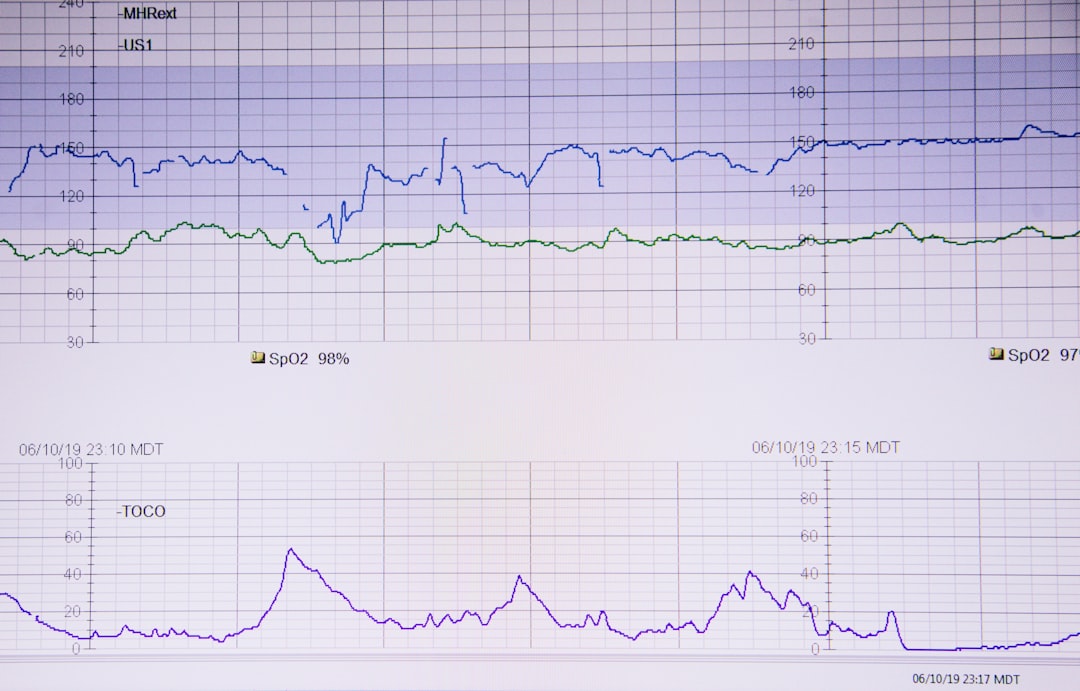
Assessing a person’s 10-year cardiac risk is a critical component of preventive cardiology. This evaluation provides healthcare professionals with a framework to identify individuals at heightened risk for cardiovascular events, such as myocardial infarction or stroke, within the next decade. By quantifying risk, clinicians can implement targeted interventions that may significantly reduce morbidity and mortality associated with cardiovascular diseases.
The assessment typically involves a combination of clinical evaluations, lifestyle assessments, and diagnostic tests, all aimed at creating a comprehensive picture of an individual’s cardiovascular health. The significance of this assessment extends beyond mere statistics; it serves as a catalyst for lifestyle modifications and medical interventions.
Moreover, understanding one’s cardiac risk fosters a proactive approach to health management, empowering patients to take charge of their cardiovascular health and make informed decisions regarding their lifestyle choices.
Key Takeaways
- Assessing 10-year cardiac risk is crucial for early intervention and prevention of heart disease.
- Factors such as age, gender, cholesterol levels, blood pressure, and smoking status should be considered in evaluating 10-year cardiac risk.
- Family history of heart disease can significantly impact an individual’s 10-year cardiac risk and should be taken into account during assessment.
- Unhealthy lifestyle choices, such as poor diet, lack of exercise, and excessive alcohol consumption, can contribute to an increased 10-year cardiac risk.
- Medical conditions such as diabetes, obesity, and hypertension can elevate an individual’s 10-year cardiac risk and should be closely monitored.
Factors to Consider in Evaluating 10-Year Cardiac Risk
When evaluating 10-year cardiac risk, several key factors must be considered to ensure an accurate assessment. These factors include age, gender, blood pressure levels, cholesterol levels, smoking status, and diabetes presence. Age is a significant determinant; as individuals grow older, their risk for cardiovascular events increases due to cumulative exposure to risk factors.
Gender also plays a role, with men generally exhibiting higher risk levels at younger ages compared to women. Additionally, blood pressure and lipid profiles are critical components of the assessment. Hypertension and dyslipidemia are well-established risk factors for cardiovascular disease.
Smoking status is another crucial element; tobacco use not only damages blood vessels but also contributes to the development of atherosclerosis. Lastly, the presence of diabetes mellitus significantly elevates cardiac risk due to its association with endothelial dysfunction and increased inflammation. A comprehensive evaluation of these factors allows healthcare providers to stratify patients into different risk categories effectively.
The Role of Family History in Predicting 10-Year Cardiac Risk

Family history is a pivotal element in predicting an individual’s 10-year cardiac risk. Genetic predisposition plays a significant role in the development of cardiovascular diseases, with certain hereditary conditions such as familial hypercholesterolemia leading to markedly elevated cholesterol levels and subsequent heart disease. A family history of premature coronary artery disease—defined as occurring before age 55 in men and 65 in women—can serve as a red flag for increased risk.
For instance, individuals with a strong family history may require earlier and more frequent assessments of their cardiovascular health.
Genetic counseling may also be beneficial for those with hereditary conditions, providing insights into potential lifestyle modifications and treatment options that can mitigate their risk.
Lifestyle and Behavioral Factors that Contribute to 10-Year Cardiac Risk
| Lifestyle and Behavioral Factors | Contribution to 10-Year Cardiac Risk |
|---|---|
| Smoking | Increases risk by 2-4 times |
| Physical inactivity | Increases risk by 1.5-2.4 times |
| Unhealthy diet | Increases risk by 1.5-2 times |
| Obesity | Increases risk by 1.5-2 times |
| Excessive alcohol consumption | Increases risk by 1.3-1.8 times |
Lifestyle choices significantly influence an individual’s 10-year cardiac risk profile. Sedentary behavior, poor dietary habits, excessive alcohol consumption, and tobacco use are all modifiable risk factors that can be addressed through behavioral changes. Regular physical activity is essential for maintaining cardiovascular health; it helps regulate weight, lowers blood pressure, and improves lipid profiles.
The American Heart Association recommends at least 150 minutes of moderate-intensity aerobic exercise per week for optimal heart health. Dietary choices also play a crucial role in cardiac risk assessment. A diet high in saturated fats, trans fats, and refined sugars can lead to obesity and dyslipidemia, both of which are significant contributors to cardiovascular disease.
Conversely, a diet rich in fruits, vegetables, whole grains, lean proteins, and healthy fats—such as those found in the Mediterranean diet—can help lower cardiac risk. Additionally, managing stress through mindfulness practices or therapy can further enhance heart health by reducing the physiological impacts of chronic stress on the cardiovascular system.
The Impact of Medical Conditions on 10-Year Cardiac Risk
Various medical conditions can substantially elevate an individual’s 10-year cardiac risk. Conditions such as hypertension, diabetes mellitus, obesity, and chronic kidney disease are particularly concerning due to their direct impact on cardiovascular health. Hypertension is often referred to as the “silent killer” because it can lead to significant damage to blood vessels without presenting noticeable symptoms until severe complications arise.
Diabetes mellitus is another critical factor; individuals with diabetes are two to four times more likely to develop heart disease than those without the condition. The pathophysiological mechanisms underlying this increased risk include insulin resistance, inflammation, and dyslipidemia. Obesity further compounds these risks by promoting systemic inflammation and contributing to metabolic syndrome—a cluster of conditions that increase the likelihood of heart disease.
Diagnostic Tests and Screening Tools for Assessing 10-Year Cardiac Risk

A variety of diagnostic tests and screening tools are available to assess an individual’s 10-year cardiac risk accurately. The Framingham Risk Score is one widely used tool that estimates the probability of developing cardiovascular disease based on several clinical parameters such as age, cholesterol levels, blood pressure, smoking status, and diabetes presence. Other scoring systems include the ASCVD (Atherosclerotic Cardiovascular Disease) Risk Calculator, which provides a more nuanced assessment by incorporating additional factors like race and specific lipid levels.
In addition to these scoring systems, advanced imaging techniques such as coronary artery calcium scoring (CAC) can provide valuable insights into an individual’s cardiovascular health. CAC scoring uses computed tomography (CT) to detect calcified plaque in coronary arteries, offering a more direct measure of atherosclerotic burden. Other tests like stress testing or echocardiography may also be employed to evaluate cardiac function and identify any underlying abnormalities that could contribute to increased risk.
Identifying High-Risk Individuals for 10-Year Cardiac Risk
Identifying high-risk individuals is paramount for effective prevention strategies in cardiovascular health management. High-risk individuals typically exhibit multiple risk factors or have a significant family history of heart disease. Healthcare providers should employ comprehensive assessments that include both traditional risk factors and emerging biomarkers such as high-sensitivity C-reactive protein (hs-CRP) or lipoprotein(a) levels.
Furthermore, utilizing advanced imaging techniques can help stratify patients more accurately based on their actual cardiovascular burden rather than relying solely on traditional risk factors. This multifaceted approach allows clinicians to pinpoint those who would benefit most from aggressive intervention strategies—whether through lifestyle modifications or pharmacological treatments—ultimately reducing the incidence of adverse cardiovascular events.
Developing a Personalized Plan for Managing 10-Year Cardiac Risk
Creating a personalized plan for managing 10-year cardiac risk involves collaboration between healthcare providers and patients. This plan should encompass lifestyle modifications tailored to individual preferences and circumstances while also considering any existing medical conditions. For instance, if an individual has hypertension or diabetes, specific dietary recommendations may be necessary to manage these conditions effectively while also addressing overall cardiac health.
Pharmacological interventions may also be warranted based on the individual’s risk profile. Statins are commonly prescribed for patients with elevated cholesterol levels or those at high risk for cardiovascular events; they work by inhibiting HMG-CoA reductase, thereby reducing cholesterol synthesis in the liver. Other medications such as antihypertensives or antiplatelet agents may also be included in the treatment regimen based on individual needs.
The Importance of Regular Monitoring for 10-Year Cardiac Risk
Regular monitoring is essential for managing 10-year cardiac risk effectively. Follow-up assessments allow healthcare providers to track changes in risk factors over time and adjust treatment plans accordingly. Routine blood pressure checks, lipid panels, and glucose monitoring are vital components of ongoing care that help ensure patients remain within target ranges.
Additionally, regular consultations with healthcare professionals provide opportunities for education on lifestyle modifications and adherence to prescribed treatments. Patients should be encouraged to engage actively in their care by setting achievable goals related to physical activity, nutrition, and medication adherence. This collaborative approach fosters accountability and empowers individuals to take control of their cardiovascular health.
Addressing Psychological and Emotional Factors in 10-Year Cardiac Risk Assessment
Psychological and emotional factors can significantly influence an individual’s 10-year cardiac risk profile. Conditions such as anxiety and depression have been linked to poorer cardiovascular outcomes due to their effects on lifestyle choices and physiological responses such as increased heart rate and blood pressure. Stress management techniques—including cognitive-behavioral therapy (CBT), mindfulness practices, or support groups—can play a crucial role in mitigating these risks.
Moreover, addressing emotional well-being is essential for fostering adherence to treatment plans. Patients who feel supported emotionally are more likely to engage in healthy behaviors such as regular exercise and proper nutrition. Healthcare providers should incorporate discussions about mental health into routine assessments to ensure a holistic approach to cardiovascular care.
Collaborating with Healthcare Professionals for Comprehensive 10-Year Cardiac Risk Evaluation
Collaboration among healthcare professionals is vital for conducting comprehensive evaluations of 10-year cardiac risk. A multidisciplinary approach involving cardiologists, primary care physicians, dietitians, exercise physiologists, and mental health professionals ensures that all aspects of an individual’s health are considered during assessment and management. This collaborative model allows for the integration of diverse expertise in developing personalized care plans that address both physical and psychological factors influencing cardiac health.
Regular communication among team members facilitates coordinated care efforts that enhance patient outcomes while fostering a supportive environment for individuals navigating their cardiovascular health journey. In summary, assessing 10-year cardiac risk is essential for identifying individuals at heightened risk for cardiovascular events and implementing effective prevention strategies. By considering various factors—including family history, lifestyle choices, medical conditions, diagnostic tests, and psychological aspects—healthcare providers can develop personalized management plans that promote long-term heart health.
Regular monitoring and collaboration among healthcare professionals further enhance the effectiveness of these interventions, ultimately leading to improved patient outcomes in cardiovascular care.
According to a recent study on 10 year cardiac risk, researchers have found that individuals with a family history of heart disease are at a higher risk of developing cardiovascular issues. This finding underscores the importance of understanding one’s genetic predisposition to heart problems and taking proactive steps to mitigate these risks. By staying informed about their family history and making healthy lifestyle choices, individuals can reduce their chances of developing heart disease in the future.
FAQs
What is 10 year cardiac risk?
10 year cardiac risk refers to the likelihood of an individual experiencing a cardiovascular event, such as a heart attack or stroke, within the next 10 years based on various risk factors.
What are the risk factors for 10 year cardiac risk?
Risk factors for 10 year cardiac risk include age, gender, smoking, high blood pressure, high cholesterol, diabetes, obesity, physical inactivity, and family history of heart disease.
How is 10 year cardiac risk calculated?
10 year cardiac risk is often calculated using risk assessment tools such as the Framingham Risk Score or the American College of Cardiology/American Heart Association (ACC/AHA) Atherosclerotic Cardiovascular Disease (ASCVD) Risk Estimator.
Why is it important to assess 10 year cardiac risk?
Assessing 10 year cardiac risk is important for identifying individuals who may benefit from lifestyle modifications, preventive medications, or other interventions to reduce their risk of cardiovascular events.
What can be done to reduce 10 year cardiac risk?
Reducing 10 year cardiac risk can be achieved through lifestyle changes such as quitting smoking, adopting a healthy diet, engaging in regular physical activity, managing blood pressure and cholesterol levels, and controlling diabetes. In some cases, medications may also be prescribed to lower risk.