Now Reading: Ultimate Gaming Laptop: Unleash Your Gaming Potential
-
01
Ultimate Gaming Laptop: Unleash Your Gaming Potential
Ultimate Gaming Laptop: Unleash Your Gaming Potential
In the rapidly evolving world of technology, gaming laptops have emerged as a cornerstone for both casual and professional gamers. These devices are not merely portable computers; they are meticulously engineered machines designed to deliver high-performance gaming experiences. The ultimate gaming laptop combines cutting-edge hardware, innovative design, and advanced features to provide an immersive experience that rivals traditional desktop setups.
With the gaming industry projected to reach a staggering $200 billion by 2023, the demand for high-quality gaming laptops has surged, prompting manufacturers to push the boundaries of what these devices can achieve. The allure of gaming laptops lies in their versatility. They offer the convenience of portability without sacrificing performance, allowing gamers to enjoy their favorite titles anywhere, from coffee shops to gaming tournaments.
However, with a plethora of options available on the market, selecting the right gaming laptop can be daunting. This article aims to guide you through the essential features and specifications that define an ultimate gaming laptop, ensuring you make an informed decision tailored to your gaming needs.
Key Takeaways
- Ultimate gaming laptops are designed to provide high-performance gaming experiences on the go.
- Key features to look for in a gaming laptop include powerful graphics, processing power, storage and memory, cooling systems, responsive controls, high-quality audio, portability, and connectivity options.
- High-quality visuals are essential for an immersive gaming experience, so look for gaming laptops with high-resolution displays and advanced graphics capabilities.
- A powerful CPU is essential for gaming to ensure smooth gameplay and fast processing of game data.
- When choosing a gaming laptop, consider the speed and capacity of the storage and memory to ensure quick loading times and ample space for game files.
Key Features to Look for in a Gaming Laptop
When searching for the ideal gaming laptop, several key features should be prioritized to ensure optimal performance and user satisfaction. First and foremost, the graphics card is paramount. A dedicated GPU, such as NVIDIA’s GeForce RTX series or AMD’s Radeon RX series, is essential for rendering high-quality graphics and maintaining smooth frame rates during intense gameplay.
The GPU’s capabilities directly influence the visual fidelity and responsiveness of games, making it a critical component. Another vital aspect is the display quality. A high refresh rate (at least 120Hz) and low response time (under 5ms) are crucial for competitive gaming, as they enhance fluidity and reduce motion blur.
Additionally, a resolution of at least 1080p is recommended, with many gamers opting for 1440p or even 4K displays for an unparalleled visual experience. Furthermore, consider the laptop’s build quality and design; a robust chassis not only enhances durability but also contributes to effective thermal management.
Graphics and Display: The Importance of High-Quality Visuals

The graphics card and display are arguably the most critical components of any gaming laptop.
Modern GPUs come equipped with technologies such as ray tracing and DLSS (Deep Learning Super Sampling), which significantly enhance visual realism and performance. For instance, NVIDIA’s RTX 30 series GPUs utilize real-time ray tracing to create lifelike lighting effects, shadows, and reflections that elevate the gaming experience. Equally important is the display itself.
A high-quality screen can make or break your gaming experience. Gamers should look for displays with IPS (In-Plane Switching) technology for superior color accuracy and wider viewing angles. Additionally, features such as G-Sync or FreeSync can help eliminate screen tearing and stuttering, providing a seamless visual experience.
The choice between a matte or glossy finish also plays a role; matte screens reduce glare in brightly lit environments, while glossy screens often provide more vibrant colors.
Processing Power: Why a Powerful CPU is Essential for Gaming
| Processor | Core Count | Clock Speed | Cache Size |
|---|---|---|---|
| Intel Core i9-9900K | 8 | 3.6 GHz (5.0 GHz Turbo) | 16 MB |
| AMD Ryzen 9 3900X | 12 | 3.8 GHz (4.6 GHz Boost) | 64 MB |
| Intel Core i7-9700K | 8 | 3.6 GHz (4.9 GHz Turbo) | 12 MB |
While graphics are crucial for gaming, the central processing unit (CPU) plays an equally significant role in overall performance. A powerful CPU ensures that games run smoothly by managing complex calculations and tasks efficiently. Modern gaming laptops typically feature Intel Core i7 or i9 processors or AMD Ryzen 7 or 9 CPUs, which offer multiple cores and threads for enhanced multitasking capabilities.
The clock speed of a CPU is another important factor; higher clock speeds translate to faster processing times, which can improve frame rates in CPU-intensive games. Additionally, thermal management is vital for maintaining optimal performance during extended gaming sessions. Many high-end laptops incorporate advanced cooling solutions, such as vapor chambers or multiple heat pipes, to dissipate heat effectively and prevent thermal throttling.
Storage and Memory: The Need for Speed and Capacity
Storage and memory are critical components that directly impact a gaming laptop’s performance. Solid State Drives (SSDs) are preferred over traditional Hard Disk Drives (HDDs) due to their superior speed and reliability. An SSD significantly reduces load times, allowing gamers to jump into their favorite titles almost instantly.
For optimal performance, a combination of SSDs for the operating system and frequently played games, along with larger HDDs for additional storage, is often recommended. In terms of memory (RAM), a minimum of 16GB is advisable for modern gaming laptops. This amount allows for smooth multitasking and ensures that games run without hiccups.
For those who engage in resource-intensive tasks such as video editing or streaming while gaming, opting for 32GB of RAM may be beneficial. Furthermore, consider the laptop’s upgradeability; some models allow users to expand RAM or swap out storage drives easily.
Cooling Systems: Keeping Your Laptop Running Smoothly During Intense Gaming Sessions
Effective cooling systems are essential in maintaining optimal performance during intense gaming sessions. High-performance components generate significant heat, which can lead to thermal throttling if not managed properly. Many gaming laptops employ advanced cooling technologies such as dual-fan systems, heat pipes, and strategically placed vents to ensure efficient airflow.
Some manufacturers have developed proprietary cooling solutions that utilize liquid metal thermal compounds or vapor chamber technology to enhance heat dissipation further. Additionally, customizable fan profiles allow users to adjust cooling performance based on their preferences or specific gaming scenarios. Regular maintenance, such as cleaning dust from vents and fans, can also help prolong the lifespan of the cooling system and maintain peak performance.
Keyboard and Trackpad: The Importance of Responsive and Customizable Controls
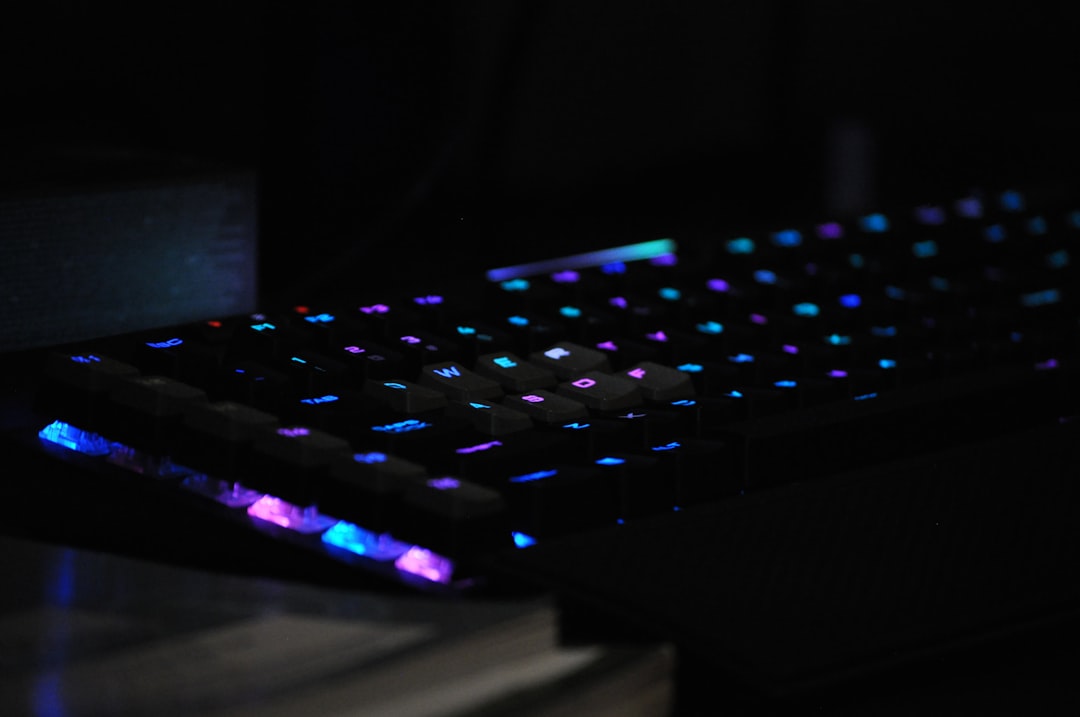
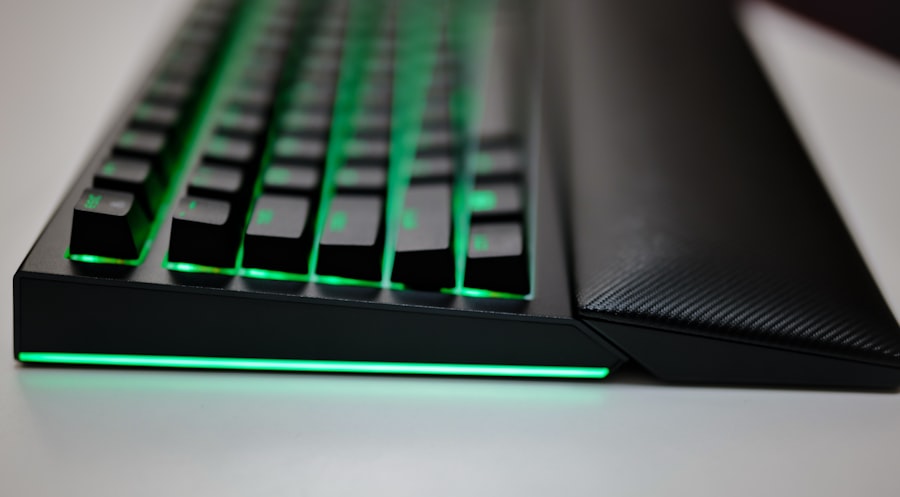
A responsive keyboard and trackpad are vital for an immersive gaming experience. Gaming laptops often feature mechanical keyboards with customizable RGB lighting, providing tactile feedback that enhances gameplay precision. Key rollover and anti-ghosting features ensure that multiple key presses register accurately during intense moments.
The trackpad should also be responsive and accurate; however, many gamers prefer using an external mouse for enhanced control during gameplay. Some laptops offer customizable key mapping software that allows users to assign specific functions or macros to individual keys, providing a competitive edge in fast-paced games.
Audio Quality: Immersing Yourself in the Gaming Experience
Audio quality is often overlooked but plays a crucial role in creating an immersive gaming experience. High-quality speakers can enhance gameplay by providing clear sound effects and directional audio cues that help players react quickly to in-game events. Many gaming laptops come equipped with advanced audio technologies such as Dolby Atmos or DTS:X, which create a three-dimensional sound environment.
For those who prefer using headphones, look for laptops with high-quality audio jacks or support for Bluetooth audio codecs like aptX HD for superior wireless sound quality. Additionally, built-in microphones with noise-canceling capabilities can enhance communication during multiplayer sessions.
Portability and Battery Life: Finding the Right Balance for Gaming on the Go
Portability is a significant consideration when choosing a gaming laptop. While high-performance components often lead to bulkier designs, many manufacturers have developed lightweight models that still deliver impressive performance without compromising on features. A balance between size and power is essential for gamers who travel frequently or attend LAN parties.
Battery life is another critical factor; while gaming laptops typically consume more power than standard laptops, advancements in battery technology have improved longevity significantly. Look for models that offer at least 6-8 hours of battery life under normal usage conditions. Some laptops also feature fast-charging capabilities that allow users to recharge quickly between sessions.
Connectivity Options: Ensuring Seamless Online Gaming and External Device Compatibility
Connectivity options are vital for ensuring seamless online gaming experiences and compatibility with external devices. A variety of ports should be available on a gaming laptop, including USB Type-A and Type-C ports, HDMI outputs for external displays, and Ethernet ports for stable wired connections. Wi-Fi 6 support is increasingly becoming standard in modern gaming laptops, providing faster speeds and improved connectivity in crowded environments.
Additionally, Bluetooth support allows users to connect wireless peripherals such as headsets or controllers effortlessly.
Finding the Ultimate Gaming Laptop for Your Needs
In conclusion, selecting the ultimate gaming laptop requires careful consideration of various factors including graphics capabilities, processing power, storage options, cooling systems, keyboard responsiveness, audio quality, portability, battery life, and connectivity options. By understanding these key features and how they contribute to overall performance, gamers can make informed decisions tailored to their specific needs. As technology continues to advance at an unprecedented pace, staying informed about the latest developments in gaming laptops will ensure you choose a device that not only meets your current requirements but also adapts to future demands in the ever-evolving landscape of gaming.
**FAQ Section** 1. **What is the best GPU for gaming laptops?**
– The NVIDIA GeForce RTX 30 series (e.g., RTX 3060, RTX 3070) is currently among the best options available due to its advanced features like ray tracing and DLSS. 2.
**How much RAM do I need for gaming?**
– A minimum of 16GB is recommended for most modern games; however, 32GB may be beneficial for multitasking or resource-intensive applications. 3. **Are SSDs worth it in gaming laptops?**
– Yes!
SSDs significantly reduce load times compared to traditional HDDs and improve overall system responsiveness. 4. **What should I look for in a cooling system?**
– Look for dual-fan systems with heat pipes or vapor chamber technology that effectively dissipate heat during intense usage.
5. **How important is battery life in a gaming laptop?**
– While gaming laptops typically have shorter battery life due to high-performance components, models offering 6-8 hours under normal usage conditions are ideal for portability. 6.
**Can I upgrade my gaming laptop?**
– Many models allow users to upgrade RAM or storage drives; however, it’s essential to check compatibility before purchasing. 7. **What audio features should I consider?**
– Look for laptops with high-quality speakers supporting technologies like Dolby Atmos or DTS:X for an immersive audio experience.
8. **Is it better to use an external mouse?**
– Many gamers prefer external mice due to enhanced precision; however, ensure your laptop has adequate USB ports or Bluetooth support. 9.
**What connectivity options are essential?**
– Ensure your laptop has multiple USB ports (Type-A & Type-C), HDMI outputs for external displays, Ethernet ports for wired connections, and Wi-Fi 6 support. 10. **How do I maintain my gaming laptop?**
– Regularly clean dust from vents and fans, update drivers frequently, and monitor temperatures during heavy usage to ensure optimal performance.
In summary, finding the ultimate gaming laptop involves understanding key features such as graphics capabilities, processing power, storage options, cooling systems, keyboard responsiveness, audio quality, portability, battery life, and connectivity options. By considering these factors carefully, you can select a device that meets your specific needs while providing an exceptional gaming experience.
If you’re looking to upgrade your gaming setup, you may want to consider investing in a gaming laptop. These powerful machines offer portability and performance for gamers on the go. For more information on how to make money from your online influence, check out this article on the Amazon Influencer Program. Additionally, if you’re curious about official days off and federal holidays, be sure to read up on this guide to Federal Government Holidays and the dates to remember.
FAQs
What is a gaming laptop?
A gaming laptop is a portable computer designed specifically for playing video games. These laptops are equipped with high-performance hardware to handle the demands of modern games.
What are the key features of a gaming laptop?
Key features of a gaming laptop include a powerful graphics card, high-resolution display, fast processor, ample RAM, and efficient cooling systems to handle the heat generated during gaming.
How does a gaming laptop differ from a regular laptop?
Gaming laptops are designed with higher performance components compared to regular laptops. They have dedicated graphics cards, faster processors, and more RAM to handle the demands of gaming.
What are the advantages of a gaming laptop?
Gaming laptops offer the advantage of portability, allowing gamers to play their favorite games on the go. They also provide high-quality graphics and performance for a more immersive gaming experience.
What are the disadvantages of a gaming laptop?
Gaming laptops tend to be more expensive than regular laptops due to their high-performance components. They also have shorter battery life and can be heavier and bulkier than non-gaming laptops.
Can a gaming laptop be used for tasks other than gaming?
Yes, gaming laptops can be used for a variety of tasks such as video editing, graphic design, and other demanding applications that require high-performance hardware.
What should I consider when buying a gaming laptop?
When buying a gaming laptop, consider factors such as the graphics card, processor, RAM, storage capacity, display quality, and cooling system to ensure it meets your gaming needs.