Now Reading: Federal Government Holidays: A Guide to Official Days Off
-
01
Federal Government Holidays: A Guide to Official Days Off
Federal Government Holidays: A Guide to Official Days Off

Federal government holidays are designated days when federal employees are given time off work, and many businesses and institutions also observe these holidays. These days are often rooted in historical events, cultural traditions, or significant milestones in the nation’s history. The observance of federal holidays serves not only as a break from the daily grind but also as a time for reflection on the values and principles that shape the nation.
From Independence Day to Thanksgiving, these holidays provide an opportunity for citizens to come together, celebrate, and honor their shared heritage. The importance of federal holidays extends beyond mere time off; they play a crucial role in fostering a sense of community and national identity. These days often encourage people to engage in various activities, from family gatherings to public celebrations, thereby reinforcing social bonds.
As society evolves, so too do the meanings and observances of these holidays, reflecting changes in cultural attitudes and historical perspectives. Understanding the significance of federal government holidays is essential for appreciating their role in American life.
History and Significance of Federal Government Holidays
Early Beginnings
The first federal holiday was established in 1870, when Congress declared Christmas a holiday for federal employees. Over the years, additional holidays were added, often reflecting pivotal moments in American history or honoring influential figures.
Honoring Heroes and Values
For instance, Memorial Day was established to honor those who died in military service, while Martin Luther King Jr. Day was created to recognize the civil rights leader’s contributions to social justice. The significance of these holidays lies not only in their historical context but also in their ability to unite people across diverse backgrounds.
Unifying the Nation
They serve as reminders of shared values such as freedom, sacrifice, and equality. For many Americans, these holidays are an opportunity to reflect on the past while looking forward to the future. They encourage civic engagement and participation in community events, fostering a sense of belonging and collective identity among citizens.
Types of Federal Government Holidays
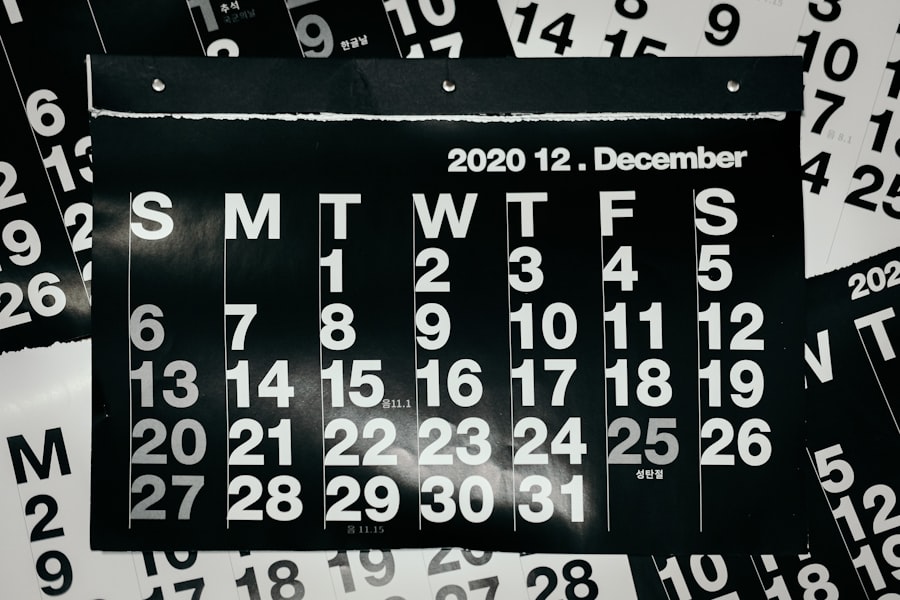
Federal government holidays can be categorized into several types, each with its unique significance and observance practices. The most recognized holidays include New Year’s Day, Independence Day, Thanksgiving, and Christmas. These holidays are often celebrated with various traditions, such as fireworks on the Fourth of July or family feasts on Thanksgiving.
Each holiday carries its own set of customs that reflect the cultural diversity of the nation.
For example, Martin Luther King Jr.
Day is dedicated to promoting civil rights and social justice, while Veterans Day honors those who have served in the military. These holidays often serve as a platform for advocacy and awareness, encouraging citizens to engage with important social issues. The variety of federal government holidays illustrates the multifaceted nature of American society and its commitment to recognizing different aspects of its history and culture.
How Federal Government Holidays are Determined
| Holiday | Date | Observance |
|---|---|---|
| New Year’s Day | January 1 | Federal Holiday |
| Memorial Day | Last Monday in May | Federal Holiday |
| Independence Day | July 4 | Federal Holiday |
| Labor Day | First Monday in September | Federal Holiday |
| Thanksgiving Day | Fourth Thursday in November | Federal Holiday |
| Christmas Day | December 25 | Federal Holiday |
The process of determining federal government holidays involves a combination of legislative action and public sentiment. Congress plays a crucial role in establishing new holidays or modifying existing ones through legislation. This process often reflects societal values and priorities at a given time.
For instance, the establishment of Martin Luther King Jr. Day in 1983 was a response to the growing recognition of civil rights issues and the need for greater inclusivity in national celebrations. Public sentiment also influences which holidays are observed at the federal level.
Grassroots movements and advocacy groups often campaign for the recognition of specific days that hold cultural or historical significance for certain communities. The push for Juneteenth National Independence Day to be recognized as a federal holiday is a recent example of how public advocacy can lead to legislative change. This dynamic interplay between legislation and public opinion ensures that federal holidays remain relevant and reflective of the nation’s evolving values.
Observing Federal Government Holidays
Observing federal government holidays involves various practices that vary by region and community. Many people take advantage of these days off work to spend time with family and friends, engage in leisure activities, or participate in community events. Parades, fireworks displays, and festivals are common ways to celebrate major holidays like Independence Day and Labor Day.
These gatherings foster a sense of community spirit and provide opportunities for individuals to connect with one another. In addition to public celebrations, many individuals use federal holidays as a time for personal reflection or volunteerism. For example, Martin Luther King Jr.
Day is often observed as a day of service, encouraging people to engage in community service projects that honor Dr. King’s legacy. This dual aspect of celebration and reflection highlights the multifaceted nature of federal holidays, allowing individuals to engage with both personal and communal aspects of their lives.
Impact of Federal Government Holidays on Businesses and Services
Federal government holidays have a significant impact on businesses and services across the country. Many companies choose to close their doors on these days, providing employees with time off while also allowing them to participate in holiday celebrations. This closure can lead to decreased economic activity on certain days but can also result in increased sales during the lead-up to major holidays as consumers prepare for celebrations.
For businesses that remain open during federal holidays, there may be an opportunity to cater to customers looking for services or products related to the holiday. Retailers often capitalize on this by offering special promotions or themed merchandise that aligns with the holiday spirit. However, businesses must also navigate challenges such as staffing shortages or increased operational costs associated with holiday pay for employees who work on these days.
Controversies and Debates Surrounding Federal Government Holidays
While federal government holidays are generally well-received, they are not without controversy and debate. Some individuals argue that certain holidays should not be observed due to their historical implications or perceived lack of relevance in contemporary society.
This has led some states and municipalities to replace it with Indigenous Peoples’ Day as a way to honor Native American history and culture. Additionally, there are ongoing discussions about the need for more inclusive representation among federal holidays. Advocates argue that certain groups and communities are underrepresented in national celebrations, calling for the recognition of additional holidays that reflect America’s diverse population.
These debates highlight the evolving nature of societal values and the importance of ensuring that federal government holidays resonate with all citizens.
Future of Federal Government Holidays
The future of federal government holidays is likely to be shaped by ongoing societal changes and cultural shifts. As America becomes increasingly diverse, there may be a growing demand for more inclusive holiday observances that reflect the experiences and contributions of various communities. This could lead to the establishment of new federal holidays or modifications to existing ones that better represent the nation’s demographic landscape.
Moreover, as discussions around social justice and equity continue to gain traction, there may be an increased focus on recognizing holidays that honor marginalized groups or significant movements in American history. The recent establishment of Juneteenth as a federal holiday exemplifies this trend toward inclusivity and recognition of historical injustices. In conclusion, federal government holidays play a vital role in American society by providing opportunities for celebration, reflection, and community engagement.
Their history is rich with significance, shaped by legislative action and public sentiment alike. As society continues to evolve, so too will the observance and meaning of these important days, ensuring that they remain relevant and reflective of the diverse tapestry that is America today.
If you’re interested in learning more about federal government holidays, you may want to check out this article on the history and significance of Memorial Day on boogger.com. Memorial Day is a federal holiday that honors and remembers the men and women who have died while serving in the United States Armed Forces. This article provides insight into the origins of Memorial Day and how it has evolved over time to become a day of remembrance and reflection for many Americans.
FAQs
What are federal government holidays?
Federal government holidays are days designated by the U.S. government as official holidays for federal employees. On these days, federal offices and agencies are closed, and federal employees are typically given the day off with pay.
How many federal government holidays are there?
There are 10 federal government holidays in the United States. These include New Year’s Day, Martin Luther King Jr. Day, Washington’s Birthday (Presidents Day), Memorial Day, Independence Day, Labor Day, Columbus Day, Veterans Day, Thanksgiving Day, and Christmas Day.
Do all states and private companies observe federal government holidays?
While federal government holidays are observed by federal offices and agencies, they are not necessarily observed by all states and private companies. Some states and private companies may choose to observe these holidays, but it is not mandatory.
Are federal government holidays paid holidays for federal employees?
Yes, federal government holidays are typically paid holidays for federal employees. This means that federal employees are entitled to their regular pay for the day, even though they are not required to work.
Can federal government holidays change?
Federal government holidays are established by federal law and typically do not change. However, there have been instances where the date of a holiday has been adjusted, such as when a holiday falls on a weekend. In these cases, the holiday may be observed on a different day.