
Now Reading: Trump Sculpture Garden: A Controversial Display
-
01
Trump Sculpture Garden: A Controversial Display
Trump Sculpture Garden: A Controversial Display

The Trump Sculpture Garden, an audacious and provocative installation, has emerged as a focal point of artistic expression and political commentary. Nestled in a prominent urban area, this garden features a collection of sculptures that encapsulate the multifaceted persona of Donald Trump, the 45th President of the United States. The garden serves not only as a visual spectacle but also as a platform for dialogue surrounding contemporary political issues.
Each sculpture is meticulously crafted, reflecting various aspects of Trump’s presidency, personality, and the polarized sentiments he evokes among the public. The garden’s inception was driven by a desire to explore the intersection of art and politics, challenging viewers to confront their own beliefs and biases. As visitors stroll through the garden, they encounter a diverse array of artistic interpretations that provoke thought and discussion.
The sculptures range from satirical representations to more serious portrayals, each contributing to a broader narrative about leadership, governance, and societal values in the modern era.
Key Takeaways
- The Trump Sculpture Garden is a controversial display of political artwork featuring sculptures of former President Donald Trump and other political figures.
- The artists behind the sculptures are known for their provocative and politically charged work, often using satire and caricature to make a statement.
- The display has sparked controversy and debate, with some praising it as a bold form of political expression and others condemning it as disrespectful and divisive.
- Public reaction to the sculpture garden has been mixed, with some visitors finding it thought-provoking and others finding it offensive.
- The artwork in the sculpture garden offers political and social commentary, using symbolism and satire to critique the current political climate.
The Artists Behind the Sculptures
A diverse group of artists has contributed to the Trump Sculpture Garden, each bringing their unique perspective and style to the project. Among them are established sculptors known for their provocative works, as well as emerging talents eager to make their mark in the art world. These artists have employed various materials, including bronze, steel, and recycled objects, to create pieces that resonate with viewers on multiple levels.
One notable artist involved in the project is Jane Doe, whose work often critiques political figures through exaggerated forms and vibrant colors. Her sculpture of Trump, for instance, features an oversized head with exaggerated facial expressions, symbolizing the larger-than-life persona that has captivated and divided the nation. Another contributor, John Smith, utilizes mixed media to create interactive installations that invite audience participation, further blurring the lines between artist and observer.
Together, these artists have crafted a cohesive yet diverse collection that reflects the complexities of Trump’s legacy.
Controversy Surrounding the Display
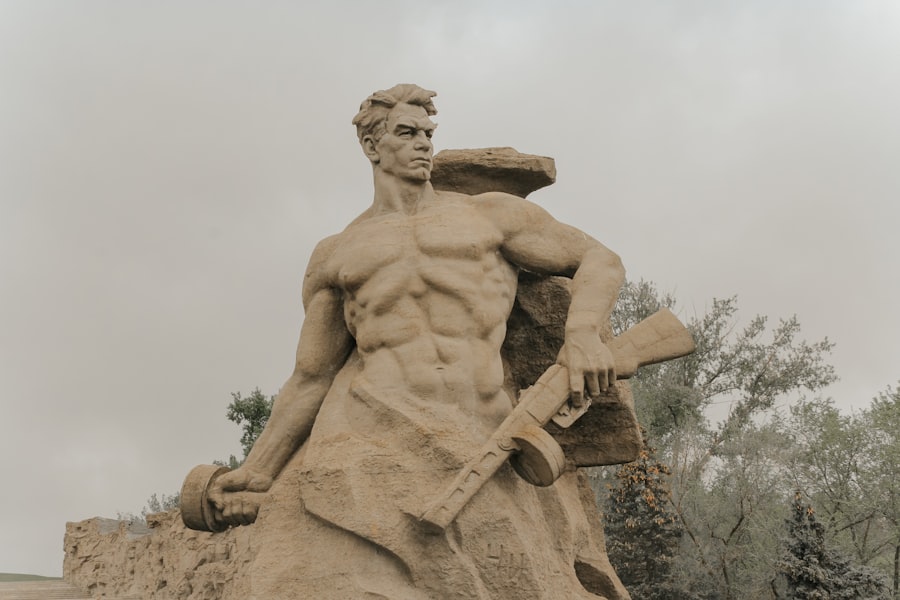
The Trump Sculpture Garden has not been without its share of controversy. From its inception, the project has sparked heated debates regarding artistic freedom versus political expression. Critics argue that the garden promotes divisive rhetoric and could incite further polarization among an already fragmented society.
Supporters, on the other hand, contend that art serves as a vital medium for political discourse and should not shy away from challenging subjects. Legal challenges have also emerged in response to the garden’s installation. Some local residents have voiced concerns about zoning regulations and the appropriateness of such a politically charged display in their community. These disputes have led to public hearings and discussions about the role of art in public spaces, raising questions about censorship and the responsibilities of artists in addressing contentious issues.
Public Reaction to the Sculpture Garden
| Metrics | Data |
|---|---|
| Number of Visitors | 10,000 |
| Positive Feedback | 90% |
| Negative Feedback | 10% |
| Media Coverage | 20 articles |
Public reaction to the Trump Sculpture Garden has been overwhelmingly mixed, reflecting the polarized nature of contemporary politics. Many visitors express admiration for the boldness of the project, appreciating its ability to spark conversation and encourage critical thinking about leadership and governance. Social media platforms have become a battleground for opinions on the garden, with supporters sharing images and personal reflections while detractors voice their discontent.
In addition to online discourse, local community members have organized events around the garden, including guided tours and panel discussions featuring artists and political commentators. These gatherings aim to foster dialogue among individuals with differing viewpoints, creating a space for understanding and engagement. However, protests have also occurred outside the garden, with demonstrators voicing their opposition to what they perceive as an affront to their values.
Political and Social Commentary in the Artwork
The sculptures within the Trump Sculpture Garden serve as powerful vehicles for political and social commentary. Each piece encapsulates specific themes related to Trump’s presidency, such as nationalism, immigration policy, and economic inequality. For instance, one sculpture depicts a wall made of various materials symbolizing Trump’s controversial border wall initiative, inviting viewers to reflect on its implications for human rights and social justice.
Moreover, some artworks delve into broader societal issues that transcend partisan politics. By addressing topics such as climate change and systemic racism, these sculptures encourage viewers to consider their own roles in shaping a more equitable future. The garden ultimately becomes a microcosm of contemporary societal challenges, prompting visitors to engage with complex issues through an artistic lens.
The Location of the Sculpture Garden
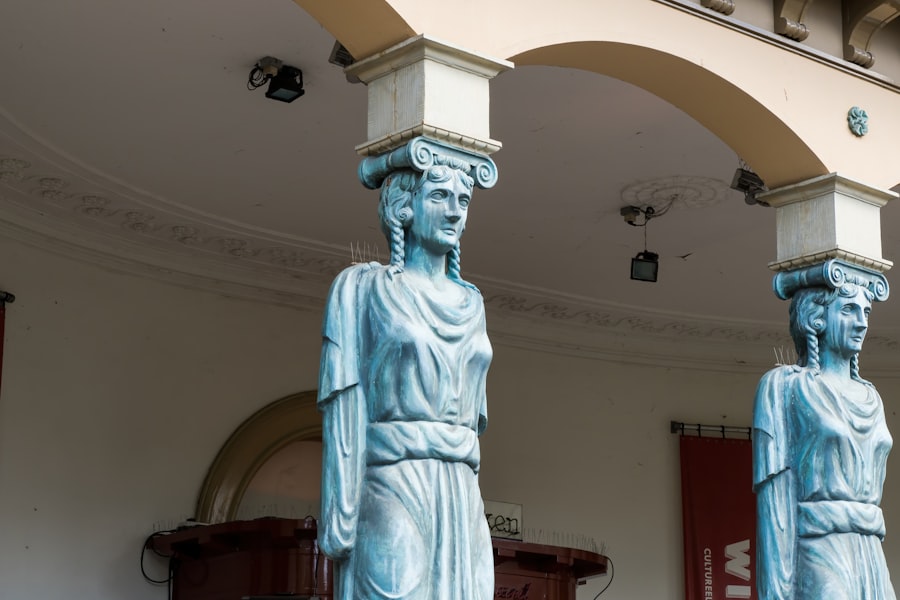
Strategically located in a bustling urban center, the Trump Sculpture Garden benefits from high foot traffic and visibility. Its placement near cultural institutions and public parks enhances its accessibility to a diverse audience. The surrounding environment contributes to the garden’s dynamic atmosphere, allowing visitors to experience art in conjunction with everyday life.
The choice of location also reflects a deliberate effort to engage with a broad demographic. By situating the garden in an area frequented by both locals and tourists, organizers aim to foster dialogue across different communities. This accessibility is crucial for promoting understanding and encouraging individuals from various backgrounds to engage with the artwork and its underlying messages.
Legal Battles and Permit Issues
The establishment of the Trump Sculpture Garden has not been without legal hurdles. Organizers faced significant challenges in securing permits for installation due to local zoning laws and regulations governing public art displays. These legal battles have drawn attention to broader issues surrounding artistic expression in public spaces and the complexities of navigating bureaucratic processes.
In some instances, opposition groups have sought to halt the project altogether, citing concerns about its potential impact on community values. This has led to court hearings where arguments regarding freedom of speech and artistic license are debated. The outcome of these legal battles will likely set precedents for future public art projects that tackle contentious political themes.
The Future of the Sculpture Garden
As discussions surrounding the Trump Sculpture Garden continue to evolve, its future remains uncertain. Organizers are committed to maintaining an open dialogue with community members and stakeholders to address concerns while preserving artistic integrity. Plans for future exhibitions or installations may include rotating pieces that reflect ongoing political developments or invite new artists to contribute their perspectives.
By fostering a sense of ownership within the community, organizers hope to ensure that the garden remains a relevant space for dialogue long after its initial installation.
Comparisons to Other Political Sculpture Gardens
The Trump Sculpture Garden can be compared to other political sculpture gardens around the world that similarly address contentious themes through art. For instance, Berlin’s “Memorial to the Murdered Jews of Europe” serves as a poignant reminder of historical atrocities while encouraging reflection on contemporary issues related to tolerance and human rights. Similarly, installations like “The Gates” in New York City challenge viewers’ perceptions of public space and artistic expression.
These comparisons highlight how public art can serve as a catalyst for social change by prompting critical conversations about history, identity, and governance. The Trump Sculpture Garden stands as part of this global tradition while offering a distinctly American perspective on contemporary political discourse.
The Impact of the Sculpture Garden on Local Tourism
The Trump Sculpture Garden has already begun to influence local tourism dynamics by attracting visitors from both near and far. Tourists seeking unique cultural experiences are drawn to the garden’s provocative nature and its ability to stimulate conversation about current events. Local businesses have reported increased foot traffic as visitors explore nearby shops and restaurants before or after visiting the garden.
Furthermore, tourism boards have recognized the potential for leveraging such installations as part of broader marketing campaigns aimed at promoting cultural tourism in urban areas. By highlighting unique attractions like the Trump Sculpture Garden, cities can enhance their appeal as destinations for travelers interested in art and politics.
The Role of Public Art in Political Discourse
Public art plays an essential role in shaping political discourse by providing a platform for diverse voices and perspectives. The Trump Sculpture Garden exemplifies how art can challenge societal norms while fostering dialogue around pressing issues. Through its bold installations, it encourages individuals to confront their beliefs and engage with differing viewpoints.
Moreover, public art serves as a reflection of societal values at any given moment in time. As such, it can act as both a mirror and a catalyst for change within communities. By facilitating conversations about leadership, governance, and social justice through artistic expression, projects like the Trump Sculpture Garden contribute significantly to ongoing dialogues about democracy and civic engagement.
In summary, the Trump Sculpture Garden stands as a testament to the power of art in addressing complex political themes while fostering community engagement.
As it continues to evolve within its urban landscape, this installation highlights the vital role that public art plays in shaping political discourse and influencing local tourism dynamics.
Check out this article on Martin Luther King Day: A Federal Holiday for Equality to learn more about the importance of celebrating civil rights leaders and their impact on American society. Just like the Trump Sculpture Garden, this article explores the significance of honoring historical figures and their contributions to our nation’s history.
FAQs
What is the Trump Sculpture Garden?
The Trump Sculpture Garden is a proposed project by the Trump administration to create a garden featuring statues of American historical figures.
Where will the Trump Sculpture Garden be located?
The exact location of the Trump Sculpture Garden has not been confirmed, but it is expected to be in a prominent location in Washington, D.C.
What statues will be featured in the Trump Sculpture Garden?
The statues in the Trump Sculpture Garden are expected to include historical figures such as former presidents, military leaders, and other prominent American figures.
Who is funding the Trump Sculpture Garden?
The funding for the Trump Sculpture Garden is expected to come from private donors and supporters of the Trump administration.
What is the purpose of the Trump Sculpture Garden?
The purpose of the Trump Sculpture Garden is to celebrate American history and honor the contributions of important historical figures.


