Now Reading: Martin Luther King Day: A Federal Holiday for Equality
-
01
Martin Luther King Day: A Federal Holiday for Equality
Martin Luther King Day: A Federal Holiday for Equality

Martin Luther King Day, observed on the third Monday of January each year, is a federal holiday that honors the life and legacy of Dr.
, a pivotal figure in the American civil rights movement. The journey to establish this holiday began shortly after King’s assassination on April 4, 1968.
His profound impact on the fight for racial equality and social justice resonated deeply with many Americans, leading to calls for a day of remembrance. In 1979, Representative John Conyers and Senator Edward Kennedy introduced legislation to create a national holiday in King’s honor. However, the proposal faced significant opposition, and it took nearly a decade for the bill to gain traction.
In 1983, President Ronald Reagan signed the holiday into law, designating the third Monday in January as Martin Luther King Jr. Day. The first official observance occurred on January 20, 1986, but not all states embraced the holiday immediately.
It wasn’t until 2000 that all 50 states officially recognized Martin Luther King Day as a federal holiday, marking a significant milestone in honoring King’s contributions to American society.
The Significance of Martin Luther King Day
Martin Luther King Day serves as a powerful reminder of the ongoing struggle for civil rights and social justice in the United States. It is not merely a day off from work or school; rather, it is an opportunity for reflection and action. The holiday encourages individuals to engage in community service, promoting the idea that everyone can contribute to positive change in their communities.
This aligns with King’s philosophy of nonviolent activism and his belief in the power of collective action to bring about social transformation. The significance of this day extends beyond mere commemoration; it serves as a call to action for individuals to continue the work that King championed throughout his life. By honoring his legacy, people are reminded of the importance of standing up against injustice and advocating for equality.
The day also provides an opportunity for educational initiatives that highlight King’s teachings and the broader civil rights movement, fostering a deeper understanding of the struggles faced by marginalized communities.
The Impact of Martin Luther King’s Legacy
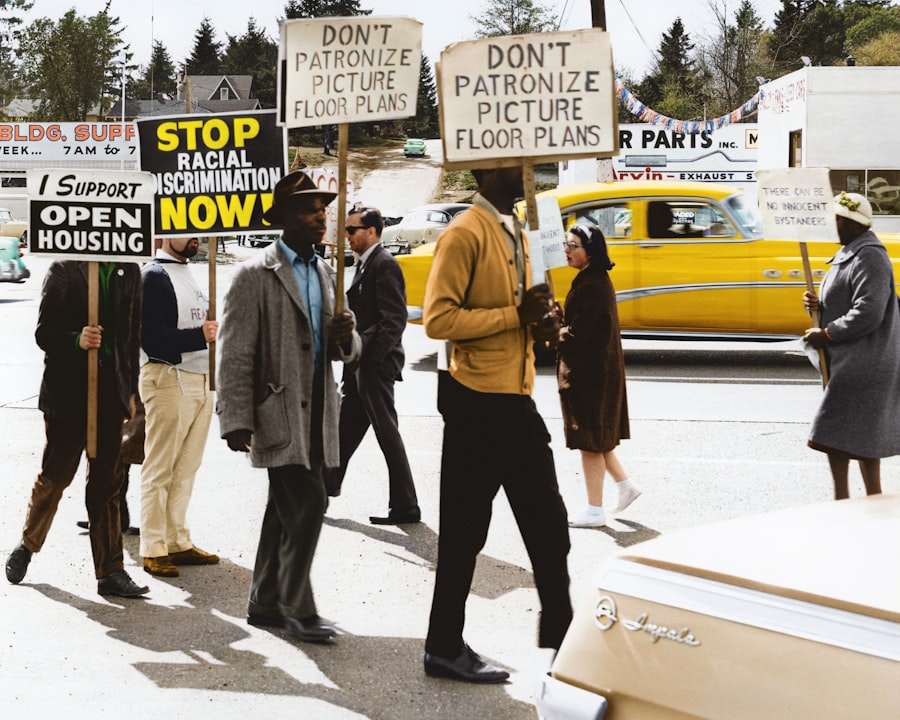
Dr. Martin Luther King Jr.’s legacy is profound and far-reaching, influencing not only the civil rights movement but also various social justice movements around the world. His commitment to nonviolence and civil disobedience inspired countless individuals to challenge oppressive systems without resorting to violence.
King’s ability to articulate the struggles of African Americans and his vision for a more equitable society resonated with people from diverse backgrounds, making him a universal symbol of hope and resilience. King’s legacy is evident in the policies and legislation that emerged from the civil rights movement, including the Civil Rights Act of 1964 and the Voting Rights Act of 1965. These landmark laws aimed to dismantle systemic racism and ensure equal rights for all citizens, regardless of race.
Furthermore, King’s emphasis on economic justice and his advocacy for the poor laid the groundwork for ongoing discussions about economic inequality in America today. His teachings continue to inspire activists who seek to address issues such as police brutality, voter suppression, and systemic racism.
How Martin Luther King Day is Celebrated
| Activity | Description |
|---|---|
| Parades | Many cities organize parades to honor Martin Luther King Jr.’s legacy. |
| Community Service | Volunteer activities and community service projects are organized to give back to the community. |
| Speeches and Lectures | Various events feature speeches and lectures that reflect on Dr. King’s teachings and impact. |
| Art and Cultural Exhibits | Exhibitions and performances showcasing African American art and culture are often held. |
| Educational Programs | Schools and educational institutions often hold programs to educate students about Dr. King’s life and work. |
Celebrations of Martin Luther King Day vary across the United States, reflecting the diverse ways communities choose to honor King’s legacy. Many cities host parades, marches, and community events that bring people together to celebrate unity and diversity. These gatherings often feature speeches from local leaders, performances by artists, and opportunities for community members to engage in discussions about social justice issues.
In addition to public celebrations, Martin Luther King Day is also recognized as a national day of service. Many individuals and organizations participate in volunteer activities aimed at improving their communities. This spirit of service aligns with King’s belief in the importance of giving back and working collectively toward a better society.
Schools often incorporate lessons about King’s life and teachings into their curricula, fostering a sense of awareness among younger generations about the ongoing struggle for civil rights.
The Fight for Civil Rights and Equality
The fight for civil rights and equality has been a long and arduous journey in American history, marked by both triumphs and setbacks. The civil rights movement gained momentum in the mid-20th century as African Americans and their allies sought to dismantle institutionalized racism and secure equal rights under the law. This struggle was characterized by peaceful protests, sit-ins, boycotts, and legal challenges aimed at challenging discriminatory practices.
Dr. Martin Luther King Jr. emerged as one of the most prominent leaders during this period, advocating for nonviolent resistance as a means to achieve social change.
His famous “I Have a Dream” speech delivered during the 1963 March on Washington encapsulated the aspirations of millions who yearned for equality and justice. The movement’s efforts culminated in significant legislative victories, but the fight for civil rights continues today as new generations confront ongoing issues related to racial inequality, police violence, and systemic discrimination.
The Role of Martin Luther King in the Civil Rights Movement

Martin Luther King Jr.’s role in the civil rights movement was instrumental in shaping its direction and impact. As a charismatic leader and eloquent speaker, he galvanized support for civil rights initiatives across the nation. King’s leadership style emphasized collaboration and inclusivity, bringing together diverse groups united by a common goal: achieving racial equality.
King’s involvement in key events such as the Montgomery Bus Boycott and the Birmingham Campaign showcased his commitment to nonviolent protest as a means of enacting change. His ability to mobilize large crowds and articulate the moral imperative for justice made him a central figure in the movement. Moreover, his establishment of organizations like the Southern Christian Leadership Conference (SCLC) provided a framework for coordinated efforts among civil rights activists.
The Importance of Recognizing Martin Luther King Day as a Federal Holiday
Recognizing Martin Luther King Day as a federal holiday holds significant importance in acknowledging the contributions of Dr. King and the broader civil rights movement. It serves as an official recognition of the ongoing struggle for equality and justice in America.
By designating this day as a federal holiday, the government affirms its commitment to honoring those who fought tirelessly for civil rights. Moreover, having a federal holiday dedicated to Martin Luther King Jr. encourages reflection on societal progress while highlighting areas where work remains to be done.
It provides an opportunity for individuals to engage in discussions about race relations, social justice, and community service—issues that are still relevant today. By commemorating King’s legacy through this holiday, society reinforces its dedication to upholding the values he championed throughout his life.
Continuing the Work of Martin Luther King for Equality and Justice
As we observe Martin Luther King Day each year, it is essential to recognize that King’s work is far from complete. The fight for equality and justice requires ongoing commitment from individuals and communities alike. King’s teachings continue to inspire activists who seek to address contemporary issues such as systemic racism, economic inequality, and social injustice.
Continuing King’s legacy involves not only honoring his memory but also actively participating in efforts that promote equity and justice for all. This can take many forms—advocating for policy changes, engaging in community service, or simply educating oneself about social issues affecting marginalized communities. By embodying King’s principles of nonviolence and compassion, individuals can contribute to creating a more just society that reflects his vision of equality for all people.
In conclusion, Martin Luther King Day serves as both a celebration of Dr. King’s remarkable contributions to civil rights and a reminder of the work that lies ahead. As we reflect on his legacy, let us commit ourselves to continuing his fight for justice and equality in our communities and beyond.
In honor of Martin Luther King Day, a federal holiday celebrating the civil rights leader’s legacy, it is important to reflect on the ongoing fight for racial equality and justice. One related article that delves into this topic is “The Importance of Teaching Martin Luther King Jr.’s Legacy in Schools” from boogger.com. This article discusses the significance of educating students about King’s contributions to the civil rights movement and the continued relevance of his message in today’s society. By teaching future generations about King’s principles of nonviolence, equality, and justice, we can work towards creating a more inclusive and equitable world for all.
FAQs
What is Martin Luther King Day?
Martin Luther King Day is a federal holiday in the United States that honors the civil rights leader Martin Luther King Jr. It is observed on the third Monday of January each year, close to King’s birthday on January 15th.
When did Martin Luther King Day become a federal holiday?
Martin Luther King Day was signed into law as a federal holiday by President Ronald Reagan in 1983. It was first observed as a federal holiday on January 20, 1986.
How is Martin Luther King Day celebrated?
Martin Luther King Day is a day of service, encouraging Americans to volunteer in their communities and work towards King’s vision of equality and justice. Many communities hold parades, marches, and other events to honor King’s legacy.
Is Martin Luther King Day a paid holiday for federal employees?
Yes, Martin Luther King Day is a federal holiday, and federal employees are given a paid day off to observe the holiday. Many private employers also give their employees the day off, but it is not required by law.
Why is Martin Luther King Day important?
Martin Luther King Day is important because it honors the legacy of a key figure in the civil rights movement and serves as a reminder of the ongoing struggle for equality and justice. It also encourages individuals to engage in acts of service and community involvement.