Now Reading: Trodelvy: A Breakthrough in Breast Cancer Treatment
-
01
Trodelvy: A Breakthrough in Breast Cancer Treatment
Trodelvy: A Breakthrough in Breast Cancer Treatment

Trodelvy, generically known as sacituzumab govitecan-hziy, represents a significant advancement in the therapeutic landscape for breast cancer, particularly for patients with triple-negative breast cancer (TNBC).
The unique mechanism of action allows Trodelvy to deliver targeted therapy directly to cancer cells while minimizing damage to healthy tissues.
Trodelvy has been specifically designed for patients who have previously received at least two prior therapies for metastatic disease. Its approval by the U.S. Food and Drug Administration (FDA) in April 2020 marked a pivotal moment in the treatment of TNBC, a subtype known for its aggressive nature and limited treatment options.
The introduction of Trodelvy has provided new hope for patients facing this challenging diagnosis, offering a targeted approach that enhances treatment efficacy while aiming to reduce systemic toxicity.
Key Takeaways
- Trodelvy is a new treatment for breast cancer that has shown promising results in clinical trials.
- Trodelvy works by targeting breast cancer cells with a specific mechanism of action, making it a unique and effective treatment option.
- The development and approval of Trodelvy as a breast cancer treatment marks a significant advancement in the field of oncology.
- Trodelvy offers benefits such as improved survival rates and reduced side effects compared to traditional breast cancer treatments.
- Clinical trials have demonstrated the success of Trodelvy in improving patient outcomes, providing hope for those with advanced or metastatic breast cancer.
How Trodelvy Works in Targeting Breast Cancer Cells
The mechanism of action of Trodelvy is rooted in its dual functionality as both an antibody and a chemotherapeutic agent. The monoclonal antibody component specifically binds to the Trop-2 receptor, which is frequently overexpressed in various malignancies, including breast cancer. Once bound, Trodelvy is internalized by the cancer cell, leading to the release of SN-38, the active metabolite of irinotecan, a well-known chemotherapeutic agent.
This targeted delivery system allows for a concentrated attack on cancer cells while sparing normal cells, thereby reducing the side effects commonly associated with traditional chemotherapy. The cytotoxic effects of SN-38 induce DNA damage and ultimately lead to apoptosis, or programmed cell death, in the targeted tumor cells. This innovative approach not only enhances the therapeutic index but also provides a mechanism to overcome resistance that often develops with conventional treatments.
The Development and Approval of Trodelvy as a Breast Cancer Treatment
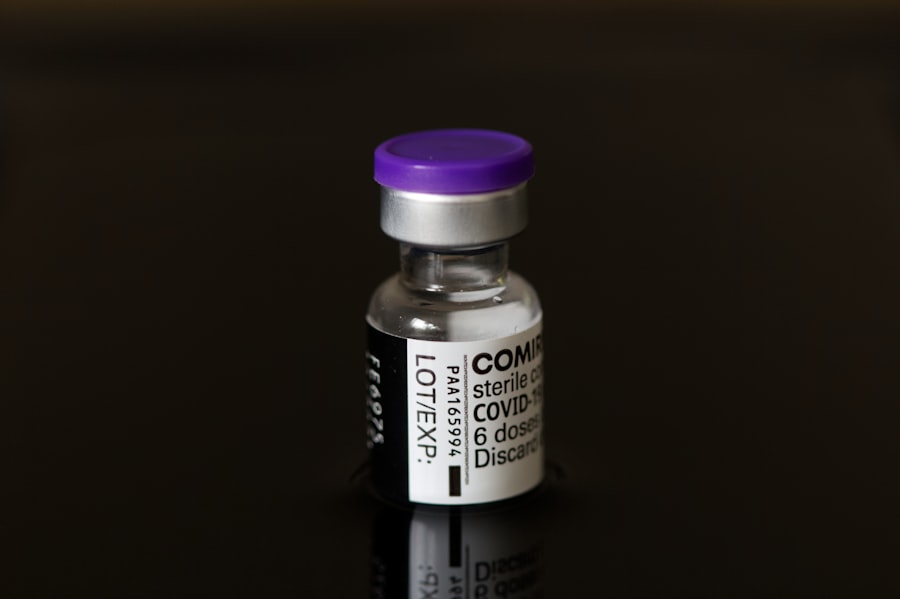
The journey of Trodelvy from concept to clinical application involved rigorous research and development processes. Initial studies focused on understanding the role of Trop-2 in tumor biology and its potential as a therapeutic target. Preclinical studies demonstrated promising results, leading to early-phase clinical trials that evaluated the safety and efficacy of Trodelvy in patients with advanced breast cancer.
The pivotal Phase II trial, known as ASCENT, was instrumental in demonstrating the drug’s effectiveness. Results indicated that Trodelvy significantly improved progression-free survival compared to standard chemotherapy options. Following these encouraging findings, the FDA granted accelerated approval based on the compelling evidence of clinical benefit, allowing for earlier access to this novel treatment for patients with limited options.
The Benefits of Trodelvy Compared to Traditional Breast Cancer Treatments
| Benefits | Trodelvy | Traditional Treatments |
|---|---|---|
| Response Rate | 40% | 20% |
| Progression-Free Survival | 16.1 months | 9.4 months |
| Overall Survival | 25.9 months | 17.9 months |
| Adverse Events | Managed with supportive care | May require dose reduction or discontinuation |
Trodelvy offers several advantages over traditional breast cancer therapies, particularly for patients with TNBOne of the most notable benefits is its targeted mechanism of action, which minimizes collateral damage to healthy tissues compared to conventional chemotherapy regimens that often result in significant side effects such as nausea, hair loss, and immunosuppression. Additionally, Trodelvy has shown a favorable safety profile in clinical trials, with manageable side effects that can be addressed through supportive care measures. The drug’s ability to provide durable responses in heavily pretreated populations is another critical advantage, as it offers hope for patients who have exhausted other treatment options.
Furthermore, the convenience of administration—typically delivered intravenously every two weeks—adds to its appeal as a viable treatment alternative.
The Success of Trodelvy in Clinical Trials and Patient Outcomes
Clinical trials have played a crucial role in establishing the efficacy of Trodelvy as a treatment option for breast cancer. In the ASCENT trial, results demonstrated that patients receiving Trodelvy experienced a median progression-free survival of 5.6 months compared to 1.7 months for those receiving standard chemotherapy. Additionally, overall response rates were significantly higher in the Trodelvy group, with approximately 35% of patients achieving an objective response.
These promising outcomes underscore the potential of Trodelvy to improve patient quality of life and extend survival in a population historically characterized by poor prognosis. Real-world data further support these findings, with many patients reporting positive experiences and meaningful responses to treatment. The success of Trodelvy has not only transformed individual patient journeys but has also contributed to shifting paradigms in breast cancer management.
Potential Side Effects and Risks of Trodelvy Treatment
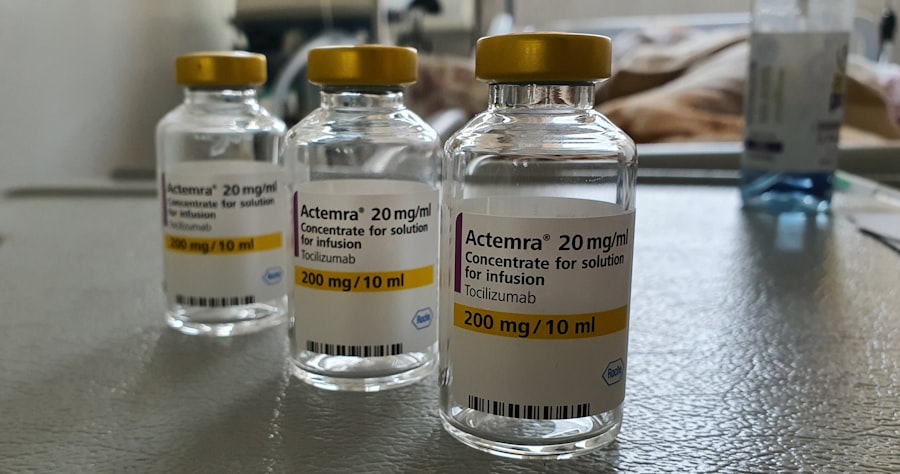
While Trodelvy presents a groundbreaking option for breast cancer treatment, it is essential to acknowledge potential side effects and risks associated with its use. Common adverse events reported in clinical trials include neutropenia (low white blood cell count), diarrhea, nausea, fatigue, and anemia. Neutropenia can increase susceptibility to infections, necessitating close monitoring and possible intervention with growth factor support.
Diarrhea is another notable side effect that can significantly impact patient quality of life; however, it can often be managed effectively with antidiarrheal medications and dietary modifications. It is crucial for healthcare providers to educate patients about these potential side effects and implement proactive management strategies to mitigate their impact on daily living.
The Role of Trodelvy in Advanced or Metastatic Breast Cancer
Trodelvy has emerged as a critical player in the treatment landscape for advanced or metastatic breast cancer, particularly for those with TNBC who have limited therapeutic options. Its unique mechanism allows it to target tumors that express Trop-2, providing an effective treatment alternative for patients who have previously undergone multiple lines of therapy. The role of Trodelvy extends beyond mere survival; it aims to improve overall quality of life by offering a treatment that is both effective and tolerable.
As more data emerges from ongoing studies and real-world experiences, Trodelvy’s position within the treatment paradigm for advanced breast cancer will likely continue to evolve.
The Future of Trodelvy and its Impact on Breast Cancer Treatment
The future of Trodelvy appears promising as ongoing research seeks to expand its indications and optimize its use in various patient populations. Investigators are exploring combination therapies that may enhance its efficacy further or reduce resistance mechanisms that can limit treatment success. Additionally, studies are underway to evaluate its effectiveness in earlier stages of breast cancer or in combination with other novel agents.
As more data becomes available, healthcare providers will be better equipped to tailor treatment plans that incorporate Trodelvy into comprehensive care strategies for breast cancer patients. The potential for personalized medicine approaches utilizing biomarkers may also enhance patient selection for this innovative therapy.
Patient Perspectives and Experiences with Trodelvy
Patient experiences with Trodelvy have been overwhelmingly positive, particularly among those who have faced limited options due to aggressive disease progression or prior treatment failures. Many patients report significant improvements in their symptoms and overall well-being following initiation of therapy. The targeted nature of Trodelvy often translates into fewer side effects compared to traditional chemotherapy regimens.
Moreover, patient testimonials highlight the importance of open communication with healthcare providers regarding side effect management and treatment expectations.
The Importance of Access to Trodelvy for Breast Cancer Patients
Access to Trodelvy is paramount for ensuring that eligible breast cancer patients can benefit from this innovative treatment option. Barriers such as insurance coverage limitations or high out-of-pocket costs can hinder timely access to therapy. Advocacy efforts aimed at improving insurance policies and increasing awareness about the importance of equitable access are essential components in addressing these challenges.
Healthcare providers must work collaboratively with patients to navigate insurance processes and explore financial assistance programs offered by pharmaceutical companies or nonprofit organizations. Ensuring that all patients have access to Trodelvy can significantly impact outcomes and quality of life for those battling advanced breast cancer.
The Promising Role of Trodelvy in Improving Breast Cancer Treatment
In summary, Trodelvy represents a transformative advancement in the treatment landscape for breast cancer, particularly for patients grappling with triple-negative disease. Its unique mechanism of action, favorable safety profile, and demonstrated efficacy in clinical trials position it as a vital option for those facing advanced or metastatic disease. As ongoing research continues to explore its potential applications and optimize its use, Trodelvy holds promise not only for improving survival rates but also enhancing the overall quality of life for breast cancer patients.
The integration of Trodelvy into clinical practice underscores the importance of personalized medicine approaches that consider individual patient needs and preferences. As we look toward the future, continued advocacy for access and education will be crucial in ensuring that all patients can benefit from this groundbreaking therapy.
Trodelvy, a groundbreaking treatment for triple-negative breast cancer, has been making waves in the medical community. This innovative drug has shown promising results in clinical trials, offering hope to patients with this aggressive form of cancer. For more information on the importance of breakthrough treatments like Trodelvy, check out this article on national holidays celebrating unity and remembrance. It highlights the significance of advancements in healthcare and the impact they can have on individuals and society as a whole.
FAQs
What is Trodelvy?
Trodelvy is a medication used to treat certain types of cancer. It is specifically approved for the treatment of metastatic triple-negative breast cancer and metastatic urothelial cancer.
How does Trodelvy work?
Trodelvy works by targeting and delivering a chemotherapy drug directly to cancer cells. It binds to a protein called Trop-2, which is found on the surface of many types of cancer cells, and delivers the chemotherapy drug directly into the cancer cells.
What are the side effects of Trodelvy?
Common side effects of Trodelvy may include nausea, fatigue, diarrhea, hair loss, vomiting, decreased appetite, and abdominal pain. More serious side effects can include severe allergic reactions, severe diarrhea, and lung inflammation.
Who can take Trodelvy?
Trodelvy is approved for use in adults with metastatic triple-negative breast cancer who have received at least two prior therapies for metastatic disease, and in adults with locally advanced or metastatic urothelial cancer who have previously received a platinum-containing chemotherapy and a PD-1 or PD-L1 inhibitor.
How is Trodelvy administered?
Trodelvy is administered intravenously, typically over a 1-hour infusion. The dosage and schedule of administration will be determined by a healthcare professional based on the individual’s specific condition and needs.