Now Reading: The Link Between Obesity and Cardiovascular Disease
-
01
The Link Between Obesity and Cardiovascular Disease
The Link Between Obesity and Cardiovascular Disease

The obesity epidemic has emerged as a significant public health crisis, affecting millions globally. Defined by the World Health Organization (WHO) as having a body mass index (BMI) of 30 or higher, obesity is not merely a cosmetic concern; it is a complex condition with multifactorial origins, including genetic, environmental, and behavioral factors. The prevalence of obesity has escalated dramatically over the past few decades, with the WHO reporting that worldwide obesity has nearly tripled since 1975.
In the United States alone, approximately 42.4% of adults were classified as obese in 2017-2018, highlighting the urgent need for effective interventions. The ramifications of this epidemic extend beyond individual health, impacting healthcare systems and economies. Obesity is associated with increased healthcare costs due to its comorbidities, including cardiovascular diseases, diabetes, and certain cancers.
The societal implications are profound, as obesity can lead to decreased productivity and increased absenteeism in the workplace. Understanding the multifaceted nature of obesity is crucial for developing comprehensive strategies to combat this growing issue.
Key Takeaways
- The obesity epidemic is a significant public health issue with far-reaching consequences.
- Obesity has a detrimental impact on cardiovascular health, increasing the risk of heart disease and stroke.
- Obesity contributes to cardiovascular disease through various mechanisms, including inflammation and high blood pressure.
- Inflammation plays a key role in obesity-related cardiovascular disease, contributing to the development of atherosclerosis.
- Obesity is closely linked to high blood pressure, further increasing the risk of cardiovascular complications.
The Impact of Obesity on Cardiovascular Health
Obesity significantly affects cardiovascular health, serving as a major risk factor for various heart-related conditions. Excess body fat, particularly visceral fat, contributes to alterations in metabolic processes that can lead to cardiovascular complications. The accumulation of adipose tissue results in the release of pro-inflammatory cytokines and adipokines, which can disrupt normal cardiovascular function.
Moreover, obesity is closely linked to metabolic syndrome, a cluster of conditions that includes hypertension, dyslipidemia, and insulin resistance. These factors collectively increase the risk of developing coronary artery disease (CAD) and heart failure.
The American Heart Association emphasizes that weight management is essential for reducing cardiovascular risk and improving overall heart health. Therefore, addressing obesity is not only vital for individual well-being but also for public health initiatives aimed at reducing cardiovascular morbidity and mortality.
How Obesity Contributes to Cardiovascular Disease

The relationship between obesity and cardiovascular disease (CVD) is complex and multifactorial. One of the primary mechanisms through which obesity contributes to CVD is through the development of insulin resistance.
This results in elevated blood glucose levels and increased insulin secretion, ultimately leading to type 2 diabetes—a significant risk factor for CVD. Additionally, obesity induces changes in lipid metabolism, resulting in dyslipidemia characterized by elevated low-density lipoprotein (LDL) cholesterol and triglycerides while decreasing high-density lipoprotein (HDL) cholesterol levels. These lipid abnormalities contribute to the formation of atherosclerotic plaques within arterial walls, narrowing blood vessels and increasing the risk of myocardial infarction and stroke.
Furthermore, obesity can lead to increased blood pressure due to heightened vascular resistance and increased cardiac output, compounding the risk of cardiovascular events.
The Role of Inflammation in Obesity-Related Cardiovascular Disease
| Metrics | Findings |
|---|---|
| Obesity Prevalence | High in developed countries |
| Inflammatory Markers | Elevated in obese individuals |
| Cardiovascular Risk | Increased in obese individuals |
| Inflammatory Pathways | Linked to cardiovascular disease development |
Chronic low-grade inflammation is a hallmark of obesity and plays a pivotal role in the pathogenesis of obesity-related cardiovascular disease. Adipose tissue is not merely a passive energy storage depot; it actively secretes pro-inflammatory cytokines such as tumor necrosis factor-alpha (TNF-α) and interleukin-6 (IL-6). These inflammatory mediators contribute to endothelial dysfunction and promote atherogenesis by enhancing vascular permeability and attracting immune cells to the arterial wall.
The inflammatory response triggered by excess adiposity can also lead to systemic effects that exacerbate cardiovascular risk. For instance, elevated levels of C-reactive protein (CRP), a marker of inflammation, have been associated with an increased risk of CVD. Targeting inflammation through lifestyle modifications or pharmacological interventions may offer promising avenues for reducing cardiovascular risk in obese individuals.
The Connection Between Obesity and High Blood Pressure
Hypertension is one of the most prevalent comorbidities associated with obesity, affecting nearly 50% of individuals with obesity. The mechanisms linking obesity to hypertension are multifaceted. Increased adipose tissue leads to heightened sympathetic nervous system activity and renin-angiotensin-aldosterone system (RAAS) activation, both of which contribute to elevated blood pressure levels.
Additionally, excess body weight increases vascular resistance due to structural changes in blood vessels. The relationship between obesity and hypertension underscores the importance of weight management in controlling blood pressure levels. Studies have shown that even modest weight loss can lead to significant reductions in blood pressure among obese individuals.
Lifestyle modifications such as dietary changes, increased physical activity, and behavioral interventions are essential components of hypertension management in this population.
Obesity and its Effect on Cholesterol Levels
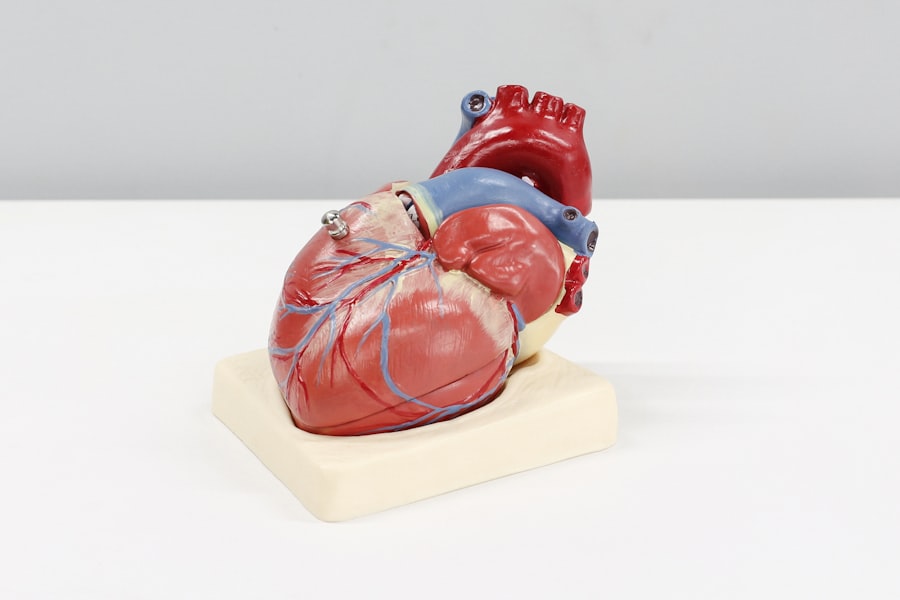
Obesity has a profound impact on lipid profiles, leading to dyslipidemia characterized by elevated LDL cholesterol and triglycerides while decreasing HDL cholesterol levels. This lipid imbalance significantly increases the risk of developing cardiovascular disease. The accumulation of visceral fat is particularly concerning as it is associated with greater dysregulation of lipid metabolism compared to subcutaneous fat.
The pathophysiology behind these changes involves insulin resistance and increased free fatty acid release from adipose tissue. Insulin resistance impairs lipoprotein lipase activity, leading to decreased clearance of triglyceride-rich lipoproteins from circulation. Furthermore, the liver’s altered metabolism in response to excess fatty acids results in increased hepatic production of LDL cholesterol.
Addressing dyslipidemia through lifestyle modifications and pharmacotherapy is crucial for mitigating cardiovascular risk in obese individuals.
The Relationship Between Obesity and Type 2 Diabetes
The link between obesity and type 2 diabetes is well-established, with obesity being one of the most significant risk factors for developing this metabolic disorder. Approximately 90% of individuals with type 2 diabetes are overweight or obese. The underlying mechanism involves insulin resistance, where excess adipose tissue interferes with insulin signaling pathways, leading to impaired glucose uptake by peripheral tissues.
In addition to insulin resistance, obesity promotes a pro-inflammatory state that exacerbates beta-cell dysfunction in the pancreas. This dysfunction impairs insulin secretion, further contributing to hyperglycemia. The interplay between obesity and type 2 diabetes creates a vicious cycle that increases the risk of cardiovascular disease due to shared risk factors such as hypertension and dyslipidemia.
The Link Between Obesity and Atherosclerosis
Atherosclerosis is a progressive condition characterized by the buildup of plaques within arterial walls, leading to reduced blood flow and increased risk of cardiovascular events. Obesity plays a critical role in the development and progression of atherosclerosis through multiple mechanisms. The inflammatory mediators released from adipose tissue contribute to endothelial dysfunction, promoting the initiation of atherosclerotic lesions.
Moreover, obesity-induced dyslipidemia accelerates plaque formation by increasing LDL cholesterol levels while decreasing protective HDL cholesterol levels. The presence of visceral fat further exacerbates these processes by promoting systemic inflammation and oxidative stress. Preventing or managing obesity through lifestyle interventions can significantly reduce the risk of atherosclerosis and its associated complications.
Obesity and Heart Failure
Heart failure is a complex clinical syndrome characterized by the heart’s inability to pump sufficient blood to meet the body’s needs. Obesity is a significant risk factor for developing heart failure due to its impact on cardiac structure and function. Excess body weight leads to increased cardiac workload, resulting in left ventricular hypertrophy (LVH) and diastolic dysfunction.
Additionally, obesity contributes to the development of comorbidities such as hypertension and diabetes, which further increase heart failure risk. The Framingham Heart Study found that individuals with obesity have a twofold increased risk of developing heart failure compared to those with normal weight. Effective weight management strategies are essential for reducing heart failure incidence among obese individuals.
The Impact of Obesity on Stroke Risk
Obesity is associated with an increased risk of stroke due to its effects on various cardiovascular risk factors such as hypertension, diabetes, and dyslipidemia. The mechanisms linking obesity to stroke involve both direct effects on vascular health and indirect effects through comorbid conditions. Increased body weight contributes to arterial stiffness and endothelial dysfunction, both of which are precursors to cerebrovascular events.
Furthermore, obesity-related inflammation may promote thrombosis by altering coagulation pathways. Studies have shown that even modest weight loss can significantly reduce stroke risk among obese individuals by improving metabolic parameters and reducing blood pressure levels. Public health initiatives aimed at promoting healthy weight management are crucial for mitigating stroke risk in this population.
Strategies for Preventing Obesity-Related Cardiovascular Disease
Preventing obesity-related cardiovascular disease requires a multifaceted approach that encompasses lifestyle modifications, community interventions, and policy changes. Key strategies include promoting healthy eating habits through education on nutrition and access to healthy food options. Encouraging regular physical activity is also essential; adults should aim for at least 150 minutes of moderate-intensity exercise per week.
Behavioral interventions such as cognitive-behavioral therapy can help individuals develop healthier habits and overcome barriers to weight loss. Additionally, healthcare providers should prioritize regular screenings for obesity-related comorbidities such as hypertension and dyslipidemia to facilitate early intervention. Pharmacological treatments may also be considered for individuals struggling with weight management despite lifestyle changes.
Medications such as orlistat or GLP-1 receptor agonists can aid in weight loss efforts when combined with diet and exercise programs. In conclusion, addressing the obesity epidemic is critical for reducing the burden of cardiovascular disease globally. By understanding the intricate relationships between obesity and various cardiovascular conditions—such as hypertension, dyslipidemia, type 2 diabetes, atherosclerosis, heart failure, and stroke—healthcare professionals can implement effective prevention strategies tailored to individual needs.
Through comprehensive approaches that include lifestyle modifications, pharmacotherapy when necessary, and community support initiatives, we can work towards mitigating the impact of obesity on cardiovascular health. ### FAQ Section 1. **What is considered obese?**
– Obesity is defined as having a BMI of 30 or higher.
2. **How does obesity affect heart health?**
– Obesity increases the risk of developing conditions such as hypertension, dyslipidemia, type 2 diabetes, heart failure, and stroke. 3.
**Can losing weight improve cardiovascular health?**
– Yes! Even modest weight loss can lead to significant improvements in blood pressure, cholesterol levels, and overall heart health. 4.
**What are some effective strategies for weight loss?**
– Effective strategies include adopting a balanced diet rich in fruits and vegetables, engaging in regular physical activity, setting realistic goals, and seeking support from healthcare professionals or support groups. 5. **Are there medications available for weight management?**
– Yes!
Medications such as orlistat or GLP-1 receptor agonists may be prescribed alongside lifestyle changes for individuals struggling with weight loss. 6. **How often should I get screened for obesity-related conditions?**
– Regular screenings should be conducted annually or as recommended by your healthcare provider based on individual risk factors.
7. **What role does inflammation play in obesity?**
– Chronic low-grade inflammation associated with excess adipose tissue contributes to insulin resistance and endothelial dysfunction, increasing cardiovascular risk. 8.
**Is there a genetic component to obesity?**
– Yes! Genetics can influence an individual’s susceptibility to obesity through various mechanisms related to metabolism and appetite regulation. 9.
**Can stress contribute to obesity?**
– Yes! Chronic stress can lead to unhealthy eating behaviors and hormonal changes that promote weight gain. 10.
**What lifestyle changes can help prevent obesity?**
– Maintaining a balanced diet, engaging in regular physical activity, managing stress effectively, getting adequate sleep, and avoiding sedentary behaviors are crucial for preventing obesity. In summary, understanding the complexities surrounding obesity is essential for addressing its impact on cardiovascular health effectively. By implementing comprehensive prevention strategies that encompass lifestyle modifications and medical interventions when necessary, we can work towards reducing the prevalence of obesity-related cardiovascular diseases globally.
A recent study published in the Journal of the American Heart Association found a strong link between obesity and cardiovascular disease. The researchers discovered that individuals who were obese had a significantly higher risk of developing heart disease compared to those with a healthy weight. This study highlights the importance of maintaining a healthy weight to reduce the risk of cardiovascular issues. To learn more about how to navigate the best rates for car insurance in 2025, check out this helpful guide.
FAQs
What is obesity?
Obesity is a medical condition characterized by an excessive amount of body fat. It is commonly measured using the body mass index (BMI) which takes into account a person’s weight and height.
What is cardiovascular disease?
Cardiovascular disease refers to a group of conditions that affect the heart and blood vessels, including coronary artery disease, heart attack, and stroke. It is a leading cause of death worldwide.
How are obesity and cardiovascular disease related?
Obesity is a major risk factor for the development of cardiovascular disease. Excess body fat can lead to high blood pressure, high cholesterol, and diabetes, all of which increase the risk of heart disease and stroke.
What are the health risks of obesity and cardiovascular disease?
Obesity and cardiovascular disease can lead to a range of health problems, including heart attack, stroke, heart failure, and peripheral artery disease. They can also contribute to other conditions such as type 2 diabetes and certain types of cancer.
How can obesity be managed to reduce the risk of cardiovascular disease?
Lifestyle changes such as regular physical activity and a healthy diet can help manage obesity and reduce the risk of cardiovascular disease. In some cases, weight loss surgery or medication may be recommended. It is important to consult with a healthcare professional for personalized advice.