Now Reading: Optimizing Cardiovascular Function for Better Health
-
01
Optimizing Cardiovascular Function for Better Health
Optimizing Cardiovascular Function for Better Health

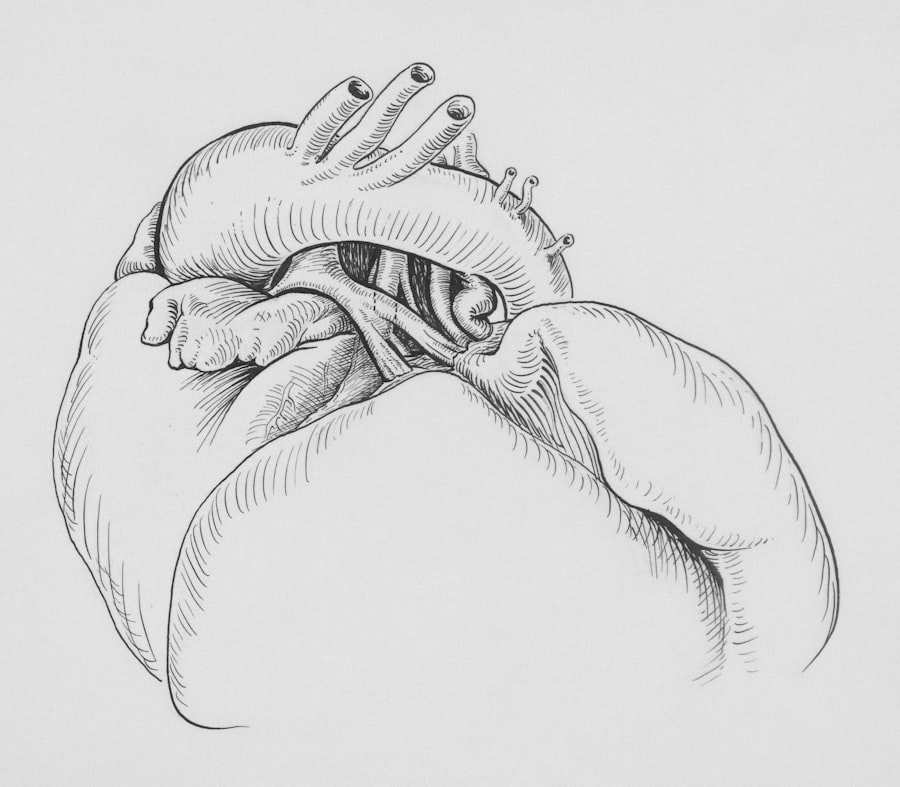
The cardiovascular system, a complex network comprising the heart, blood vessels, and blood, plays a pivotal role in maintaining homeostasis within the human body. The heart, a muscular organ, functions as a pump that circulates oxygenated blood to various tissues while simultaneously returning deoxygenated blood to the lungs for reoxygenation. This intricate process is facilitated by a series of arteries, veins, and capillaries that ensure efficient nutrient and gas exchange.
The heart’s rhythmic contractions are regulated by electrical impulses originating from the sinoatrial node, often referred to as the natural pacemaker. Understanding cardiovascular function extends beyond mere anatomy; it encompasses the physiological mechanisms that govern blood flow, pressure regulation, and overall circulatory efficiency. The heart operates through two primary circuits: the pulmonary circuit, which transports blood to and from the lungs, and the systemic circuit, which delivers oxygen-rich blood to the rest of the body.
The interplay between these circuits is crucial for sustaining life, as it ensures that tissues receive adequate oxygen and nutrients while facilitating the removal of metabolic waste products.
Key Takeaways
- Understanding the basics of cardiovascular function is crucial for maintaining heart health and preventing cardiovascular diseases.
- Cardiovascular health is important for overall well-being and longevity, as it affects the functioning of the entire body.
- Making lifestyle changes such as quitting smoking, eating a balanced diet, and managing stress can significantly improve cardiovascular function.
- Regular exercise is essential for maintaining cardiovascular health and reducing the risk of heart disease.
- A healthy diet, low in saturated fats and high in fruits, vegetables, and whole grains, is key to supporting cardiovascular function and preventing heart disease.
Importance of Cardiovascular Health
Cardiovascular health is paramount for overall well-being and longevity. The World Health Organization (WHO) identifies cardiovascular diseases (CVD) as the leading cause of mortality globally, accounting for approximately 31% of all deaths. Maintaining optimal cardiovascular function is essential not only for preventing heart disease but also for enhancing quality of life.
A healthy cardiovascular system supports efficient organ function, promotes physical endurance, and contributes to mental well-being. Moreover, cardiovascular health is intricately linked to various other health conditions. For instance, individuals with compromised cardiovascular function are at an increased risk of developing diabetes, hypertension, and even certain types of cancer.
Conversely, a robust cardiovascular system can mitigate the effects of aging and improve cognitive function. Therefore, prioritizing cardiovascular health is not merely a matter of preventing disease; it is a proactive approach to enhancing overall health and vitality.
Lifestyle Changes for Better Cardiovascular Function

Implementing lifestyle changes is a fundamental strategy for improving cardiovascular function. One of the most effective modifications involves adopting a balanced diet rich in fruits, vegetables, whole grains, lean proteins, and healthy fats. Such dietary choices can help regulate cholesterol levels, reduce inflammation, and maintain optimal blood pressure.
Additionally, limiting the intake of processed foods high in trans fats, sodium, and added sugars is crucial for minimizing cardiovascular risk. Another significant lifestyle change pertains to physical activity. Engaging in regular exercise not only strengthens the heart muscle but also enhances circulation and promotes weight management.
Furthermore, avoiding tobacco use and moderating alcohol consumption are critical steps in safeguarding cardiovascular health. These changes collectively contribute to improved endothelial function and reduced arterial stiffness, thereby fostering a healthier cardiovascular system.
Exercise and Cardiovascular Health
| Exercise and Cardiovascular Health Metrics | |
|---|---|
| Resting Heart Rate | Target: 60-100 beats per minute |
| Blood Pressure | Target: Below 120/80 mmHg |
| Cardiorespiratory Fitness | Measured by VO2 max |
| Exercise Duration | Target: 150 minutes per week of moderate intensity |
| Cholesterol Levels | Target: LDL below 100 mg/dL, HDL above 40 mg/dL |
Exercise serves as a cornerstone for maintaining cardiovascular health. Engaging in aerobic activities such as walking, running, cycling, or swimming can significantly enhance heart function by increasing cardiac output and improving oxygen delivery to tissues. The American Heart Association recommends at least 150 minutes of moderate-intensity aerobic exercise or 75 minutes of vigorous-intensity exercise per week for adults.
In addition to aerobic exercise, incorporating strength training into one’s routine can further bolster cardiovascular health. Resistance training has been shown to improve muscle mass and metabolic rate while also positively influencing blood pressure and lipid profiles. Moreover, regular physical activity can alleviate stress and anxiety, contributing to overall mental well-being.
By fostering a consistent exercise regimen, individuals can significantly reduce their risk of developing cardiovascular diseases.
Diet and Cardiovascular Function
Diet plays a critical role in determining cardiovascular health outcomes. A heart-healthy diet emphasizes nutrient-dense foods that support optimal heart function while minimizing harmful substances. The Mediterranean diet is often heralded as one of the most beneficial dietary patterns for cardiovascular health due to its emphasis on whole foods such as fruits, vegetables, legumes, nuts, fish, and olive oil.
Key components of a heart-healthy diet include omega-3 fatty acids found in fatty fish like salmon and mackerel, which have been shown to reduce inflammation and lower triglyceride levels. Additionally, incorporating fiber-rich foods such as oats, beans, and whole grains can help regulate cholesterol levels and promote healthy digestion. It is equally important to monitor sodium intake; excessive salt consumption can lead to hypertension and increase the risk of heart disease.
By making informed dietary choices, individuals can significantly enhance their cardiovascular function.
Stress Management and Cardiovascular Health
Chronic stress has been identified as a significant risk factor for cardiovascular disease. The physiological response to stress triggers the release of hormones such as cortisol and adrenaline, which can lead to increased heart rate and elevated blood pressure over time. Prolonged exposure to these stressors can contribute to arterial damage and promote the development of atherosclerosis.
Effective stress management techniques are essential for maintaining cardiovascular health. Mindfulness practices such as meditation, yoga, and deep-breathing exercises can help mitigate stress responses and promote relaxation. Additionally, engaging in hobbies or social activities can provide emotional support and foster resilience against stressors.
Importance of Regular Check-ups
Regular medical check-ups are vital for monitoring cardiovascular health and identifying potential risk factors early on. Routine assessments typically include blood pressure measurements, cholesterol screenings, and evaluations of body mass index (BMI). These assessments provide valuable insights into an individual’s cardiovascular risk profile and allow for timely interventions if necessary.
Furthermore, healthcare providers can offer personalized recommendations based on individual health status and family history. For instance, individuals with a family history of heart disease may require more frequent monitoring or additional diagnostic tests such as electrocardiograms (ECGs) or echocardiograms. By maintaining open communication with healthcare professionals and adhering to recommended screening schedules, individuals can take proactive steps toward preserving their cardiovascular health.
Managing Risk Factors for Cardiovascular Disease
Managing risk factors is crucial for preventing cardiovascular disease. Key risk factors include hypertension, hyperlipidemia (high cholesterol), diabetes mellitus, obesity, smoking, and sedentary lifestyle choices. Addressing these factors through lifestyle modifications or pharmacological interventions can significantly reduce the likelihood of developing CVD.
For instance, antihypertensive medications such as ACE inhibitors or beta-blockers may be prescribed to manage high blood pressure effectively. Statins are commonly utilized to lower cholesterol levels in individuals at risk for heart disease. Additionally, lifestyle changes such as weight loss through diet and exercise can have profound effects on managing diabetes and reducing overall cardiovascular risk.
By adopting a comprehensive approach to risk factor management, individuals can significantly enhance their cardiovascular health outcomes.
Importance of Sleep for Cardiovascular Health
Sleep quality is often overlooked in discussions about cardiovascular health; however, it plays a critical role in maintaining optimal heart function. Insufficient sleep has been linked to various cardiovascular issues such as hypertension, arrhythmias, and increased risk of heart attack or stroke. The American Academy of Sleep Medicine recommends that adults aim for 7 or more hours of sleep per night to support overall health.
Sleep deprivation can lead to increased sympathetic nervous system activity and elevated cortisol levels, both of which contribute to heightened cardiovascular risk. Establishing healthy sleep hygiene practices—such as maintaining a consistent sleep schedule, creating a restful environment, and limiting screen time before bed—can promote better sleep quality. By prioritizing restorative sleep alongside other lifestyle factors, individuals can bolster their cardiovascular health significantly.
Supplements and Cardiovascular Function
While a balanced diet should be the primary source of nutrients for supporting cardiovascular health, certain supplements may offer additional benefits when dietary intake is insufficient or specific deficiencies are present. Omega-3 fatty acid supplements derived from fish oil have been extensively studied for their cardioprotective effects; they may help lower triglyceride levels and reduce inflammation. Coenzyme Q10 (CoQ10) is another supplement that has garnered attention for its potential role in enhancing heart function by improving mitochondrial energy production within cardiac cells.
Additionally, magnesium supplements may aid in regulating blood pressure and supporting overall vascular health. However, it is essential to consult with healthcare professionals before initiating any supplementation regimen to ensure safety and efficacy tailored to individual needs.
Seeking Professional Help for Cardiovascular Health
When it comes to managing cardiovascular health effectively, seeking professional help is paramount. Healthcare providers play an essential role in diagnosing potential issues early on through comprehensive evaluations that include medical history assessments and diagnostic testing when necessary. They can also provide tailored treatment plans that encompass lifestyle modifications alongside pharmacological interventions when indicated.
Moreover, specialists such as cardiologists may be consulted for more complex cases or when advanced diagnostic procedures are required. Engaging with healthcare professionals fosters an environment where individuals can receive ongoing support and education regarding their cardiovascular health journey. By prioritizing professional guidance alongside personal commitment to healthy living practices, individuals can achieve optimal cardiovascular outcomes.
In summary, understanding the intricacies of cardiovascular function is essential for promoting overall health and preventing disease. Prioritizing lifestyle changes such as diet modification, regular exercise, stress management techniques, adequate sleep hygiene practices, and routine medical check-ups can significantly enhance cardiovascular health outcomes. Furthermore, managing risk factors through professional guidance ensures that individuals remain proactive in their pursuit of optimal heart health while addressing any potential concerns effectively through appropriate interventions or treatments when necessary.
If you are interested in learning more about cardiovascular function, you may want to check out the article “2022 Federal Holidays Calendar: Plan Your Year Ahead”. This article provides a guide to the official days off recognized by the federal government, which can be helpful in planning your schedule and ensuring you have time to focus on maintaining a healthy heart. Understanding when you have time off work can allow you to prioritize activities such as exercise, proper nutrition, and stress management that are essential for cardiovascular health.
FAQs
What is cardiovascular function?
Cardiovascular function refers to the ability of the heart and blood vessels to effectively pump and circulate blood throughout the body, delivering oxygen and nutrients to the tissues and removing waste products.
Why is cardiovascular function important?
Cardiovascular function is essential for overall health and well-being. It is responsible for supplying the body’s organs and tissues with oxygen and nutrients, as well as removing waste products. A healthy cardiovascular system is crucial for maintaining proper blood pressure, circulation, and overall bodily function.
What factors can affect cardiovascular function?
Several factors can impact cardiovascular function, including diet, exercise, smoking, alcohol consumption, stress, genetics, and underlying medical conditions such as high blood pressure, diabetes, and obesity.
How can I improve my cardiovascular function?
To improve cardiovascular function, it is important to maintain a healthy lifestyle, including regular exercise, a balanced diet, avoiding smoking, limiting alcohol consumption, managing stress, and getting regular check-ups with a healthcare provider.
What are some common cardiovascular diseases or conditions?
Common cardiovascular diseases and conditions include coronary artery disease, heart failure, arrhythmias, heart valve disorders, peripheral artery disease, and stroke. These conditions can significantly impact cardiovascular function and overall health.