Now Reading: The Intricacies of the Heart System
-
01
The Intricacies of the Heart System
The Intricacies of the Heart System
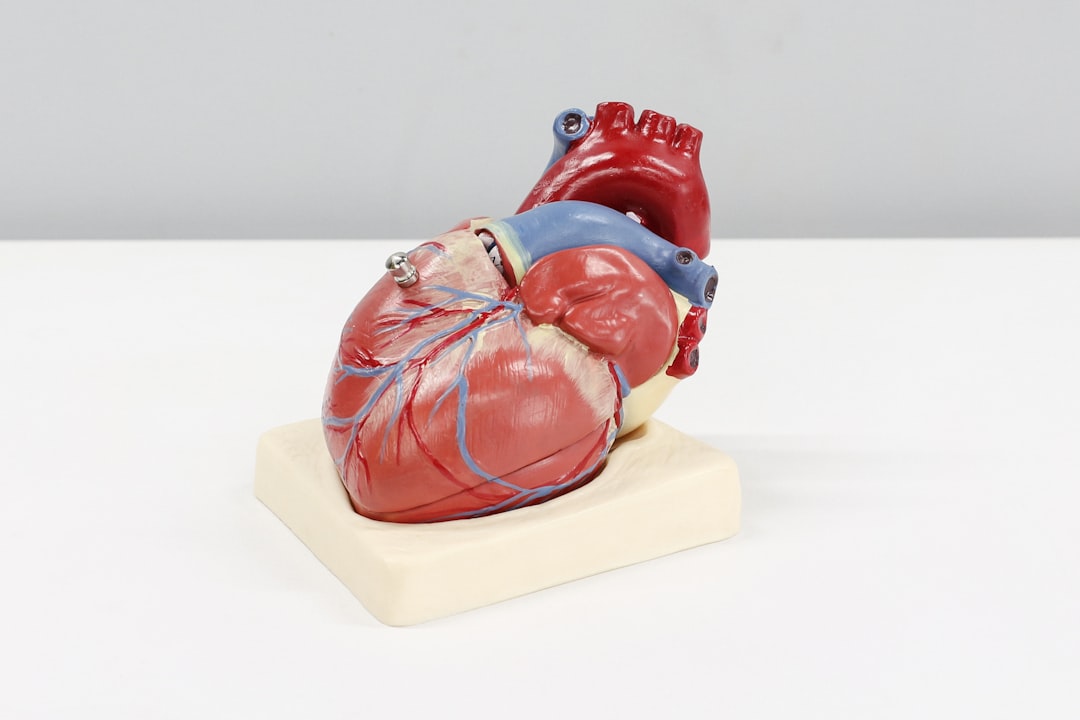
The heart is a muscular organ approximately the size of a fist, located in the thoracic cavity between the lungs. It is divided into four chambers: the right atrium, right ventricle, left atrium, and left ventricle. The right atrium receives deoxygenated blood from the body through the superior and inferior vena cavae, while the right ventricle pumps this blood to the lungs via the pulmonary arteries for oxygenation.
Conversely, oxygen-rich blood returns to the left atrium from the lungs through the pulmonary veins and is subsequently pumped into the left ventricle, which distributes it throughout the body via the aorta. The heart’s structure is intricately designed to facilitate its function as a pump. The myocardium, or heart muscle, is responsible for contraction and relaxation, enabling blood circulation.
Surrounding the myocardium is the pericardium, a protective sac that contains a lubricating fluid to reduce friction during heartbeats. The endocardium lines the heart chambers and valves, ensuring smooth blood flow. This complex architecture allows for efficient blood circulation, essential for delivering oxygen and nutrients to tissues while removing carbon dioxide and metabolic waste.
Key Takeaways
- The heart is a muscular organ that pumps blood throughout the body, with four chambers and valves that regulate blood flow.
- The heart’s electrical system controls the heartbeat, with the sinoatrial node initiating the electrical impulse and the atrioventricular node regulating the heartbeat.
- Blood vessels, including arteries, veins, and capillaries, play a crucial role in transporting blood, oxygen, and nutrients throughout the body.
- Heart valves, such as the mitral and aortic valves, ensure that blood flows in the correct direction and prevent backflow.
- Blood pressure and heart rate are regulated by the nervous system and hormones, with factors such as stress, physical activity, and hydration affecting these vital signs.
The Electrical System of the Heart: How the Heart Beats
The heart’s rhythmic contractions are governed by an intricate electrical conduction system. This system begins with the sinoatrial (SA) node, often referred to as the heart’s natural pacemaker. Located in the right atrium, the SA node generates electrical impulses that initiate each heartbeat.
These impulses travel through the atria, causing them to contract and push blood into the ventricles. Following this, the electrical signal reaches the atrioventricular (AV) node, which serves as a critical relay point. The AV node delays the impulse slightly, allowing the ventricles time to fill with blood before they contract.
The signal then travels down the bundle of His and into the Purkinje fibers, which distribute the impulse throughout the ventricles, resulting in their contraction. This coordinated electrical activity ensures that blood is efficiently pumped throughout the circulatory system.
The Role of Blood Vessels in the Circulatory System
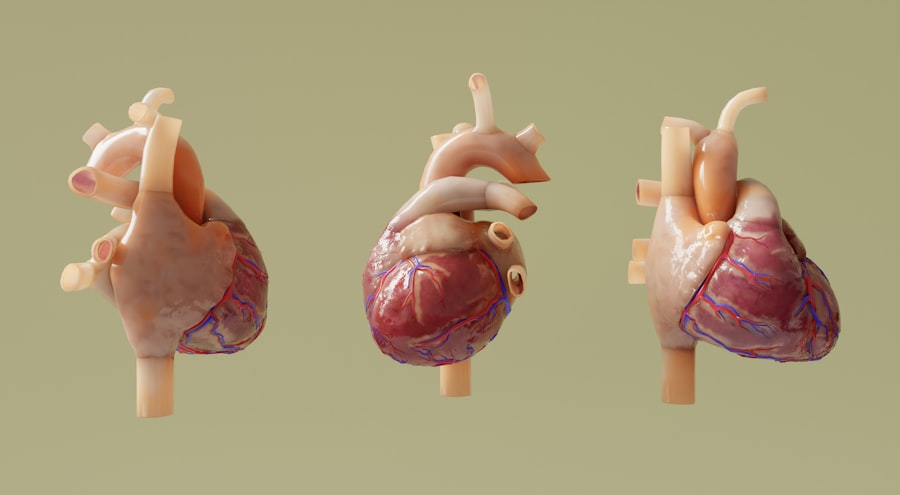
Blood vessels are integral components of the circulatory system, facilitating the transport of blood throughout the body. There are three primary types of blood vessels: arteries, veins, and capillaries. Arteries carry oxygenated blood away from the heart under high pressure, with the aorta being the largest artery in the body.
As arteries branch into smaller arterioles, they regulate blood flow through vasoconstriction and vasodilation. Veins, on the other hand, transport deoxygenated blood back to the heart at lower pressure. They contain valves that prevent backflow, ensuring unidirectional blood flow.
Capillaries are microscopic vessels where gas exchange occurs; their thin walls allow oxygen and nutrients to diffuse into tissues while facilitating carbon dioxide and waste removal. This intricate network of vessels ensures that every cell in the body receives adequate oxygen and nutrients while maintaining homeostasis.
The Importance of the Heart Valves in Maintaining Blood Flow
| Valve | Location | Function |
|---|---|---|
| Tricuspid Valve | Between the right atrium and right ventricle | Prevents backflow of blood from the right ventricle to the right atrium |
| Pulmonary Valve | Between the right ventricle and pulmonary artery | Controls blood flow from the right ventricle to the lungs |
| Mitral Valve | Between the left atrium and left ventricle | Prevents backflow of blood from the left ventricle to the left atrium |
| Aortic Valve | Between the left ventricle and aorta | Regulates blood flow from the left ventricle to the rest of the body |
Heart valves play a crucial role in maintaining unidirectional blood flow through the heart’s chambers. There are four primary valves: the tricuspid valve, pulmonary valve, mitral valve, and aortic valve. The tricuspid valve separates the right atrium from the right ventricle, preventing backflow during ventricular contraction.
The pulmonary valve controls blood flow from the right ventricle into the pulmonary arteries. The mitral valve regulates blood flow between the left atrium and left ventricle, while the aortic valve ensures that oxygenated blood flows from the left ventricle into the aorta without regurgitation. Proper functioning of these valves is essential for efficient circulation; any dysfunction can lead to conditions such as regurgitation or stenosis, which can compromise cardiac output and overall health.
The Regulation of Blood Pressure and Heart Rate
Blood pressure and heart rate are vital indicators of cardiovascular health, regulated by complex physiological mechanisms. Blood pressure is determined by cardiac output and systemic vascular resistance; it is measured in millimeters of mercury (mmHg) and expressed as systolic over diastolic pressure (e.g., 120/80 mmHg). The autonomic nervous system plays a significant role in regulating these parameters through sympathetic and parasympathetic pathways.
The sympathetic nervous system increases heart rate and contractility during stress or physical activity, while the parasympathetic system promotes relaxation and decreases heart rate during rest. Hormonal influences also contribute; for instance, adrenaline increases heart rate during fight-or-flight responses. Maintaining optimal blood pressure and heart rate is crucial for preventing cardiovascular diseases such as hypertension and arrhythmias.
The Connection Between the Heart and the Respiratory System
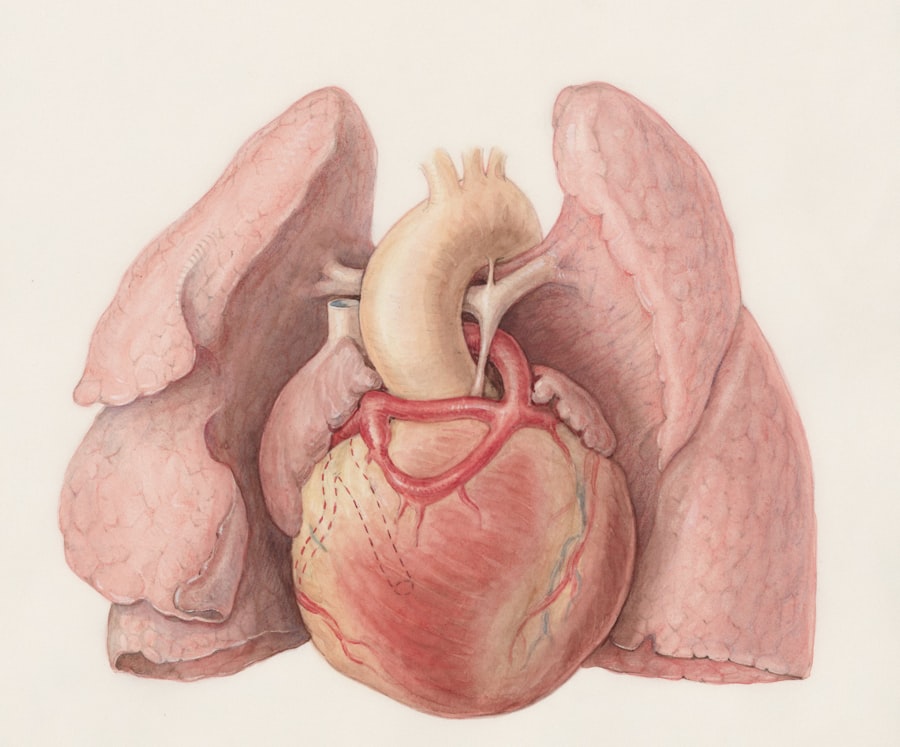
The heart and respiratory system work in tandem to ensure efficient gas exchange and oxygen delivery throughout the body. Oxygen-rich blood is transported from the lungs to the left side of the heart via pulmonary veins. Once in the left atrium, this oxygenated blood is pumped into the left ventricle and subsequently distributed to systemic circulation.
Conversely, deoxygenated blood returns to the right side of the heart through systemic veins after delivering oxygen to tissues. This blood is then sent to the lungs via pulmonary arteries for reoxygenation. The close relationship between these two systems highlights their interdependence; any dysfunction in one can significantly impact overall health.
The Impact of Exercise and Physical Activity on Heart Health
Regular physical activity has profound effects on cardiovascular health. Engaging in aerobic exercises such as running, swimming, or cycling strengthens cardiac muscle, improves circulation, and enhances overall cardiovascular efficiency. Exercise promotes vasodilation, increasing blood flow to tissues while reducing systemic vascular resistance.
Moreover, physical activity aids in weight management, lowers cholesterol levels, and helps regulate blood pressure—all critical factors in preventing heart disease. The American Heart Association recommends at least 150 minutes of moderate-intensity aerobic exercise per week for optimal heart health. Incorporating strength training exercises at least twice a week further enhances cardiovascular fitness by improving muscle mass and metabolic rate.
Common Heart Conditions and Diseases
Several common heart conditions can significantly impact health if left untreated. Coronary artery disease (CAD) is characterized by plaque buildup in coronary arteries, leading to reduced blood flow to cardiac tissue and increasing the risk of myocardial infarction (heart attack). Heart failure occurs when the heart cannot pump effectively, resulting in fluid buildup in tissues.
Arrhythmias are irregular heartbeats that can lead to palpitations or more severe complications such as stroke or sudden cardiac arrest. Valvular heart diseases involve dysfunction of one or more heart valves, leading to compromised blood flow. Early detection through regular check-ups and diagnostic tests such as echocardiograms is crucial for managing these conditions effectively.
The Role of Genetics in Heart Health
Genetics plays a significant role in determining an individual’s risk for cardiovascular diseases. Family history of heart disease can indicate a predisposition to conditions such as hypertension, hyperlipidemia, or congenital heart defects. Specific genetic mutations can affect lipid metabolism or predispose individuals to arrhythmias.
Genetic testing can provide valuable insights into an individual’s risk profile, allowing for personalized prevention strategies. Lifestyle modifications such as diet and exercise can mitigate genetic risks; however, individuals with a strong family history should engage in regular screenings to monitor cardiovascular health proactively.
Lifestyle Factors That Affect Heart Health
Numerous lifestyle factors significantly influence cardiovascular health outcomes. Diet plays a pivotal role; consuming a balanced diet rich in fruits, vegetables, whole grains, lean proteins, and healthy fats can lower cholesterol levels and reduce inflammation. Conversely, diets high in saturated fats, trans fats, and added sugars contribute to obesity and cardiovascular disease.
Stress management techniques such as mindfulness or yoga can also positively impact heart health by reducing cortisol levels and promoting relaxation.
Advances in Cardiac Technology and Treatment Options
Recent advancements in cardiac technology have revolutionized diagnosis and treatment options for cardiovascular diseases. Minimally invasive procedures such as catheter-based interventions allow for effective treatment of conditions like CAD without extensive surgery. Innovations like transcatheter aortic valve replacement (TAVR) have improved outcomes for patients with severe aortic stenosis.
Pharmacological treatments have also evolved significantly; statins are commonly prescribed to manage cholesterol levels while anticoagulants help prevent thromboembolic events in patients with arrhythmias. Emerging therapies such as gene therapy hold promise for addressing genetic predispositions to heart disease by targeting underlying molecular mechanisms. In summary, understanding cardiovascular anatomy and physiology is essential for recognizing how various systems interact to maintain health.
Regular exercise, healthy lifestyle choices, and advancements in medical technology play crucial roles in preventing and managing heart conditions effectively. By prioritizing cardiovascular health through education and proactive measures, individuals can significantly reduce their risk of developing serious heart-related issues over time. ### FAQ Section 1.
**What are common symptoms of heart disease?**
Common symptoms include chest pain or discomfort (angina), shortness of breath, fatigue with exertion, palpitations, swelling in legs or ankles (edema), and dizziness or lightheadedness. 2. **How can I lower my risk of developing heart disease?**
To lower your risk: maintain a healthy diet rich in fruits and vegetables; engage in regular physical activity; avoid smoking; manage stress; control blood pressure; monitor cholesterol levels; maintain a healthy weight; and get regular check-ups.
3. **What lifestyle changes can improve my heart health?**
Key lifestyle changes include adopting a balanced diet low in saturated fats; increasing physical activity; managing stress through relaxation techniques; limiting alcohol intake; quitting smoking; and ensuring adequate sleep. 4.
**What medications are commonly prescribed for heart conditions?**
Common medications include statins for cholesterol management; beta-blockers for controlling heart rate; ACE inhibitors for hypertension; anticoagulants for preventing clots; and diuretics for managing fluid retention. 5. **How often should I have my heart health checked?**
Adults should have their cardiovascular health assessed at least once every 1-2 years during routine check-ups; those with risk factors may require more frequent evaluations.
6. **What role does diet play in heart health?**
A healthy diet can lower cholesterol levels, reduce inflammation, manage weight, and control blood pressure—all critical factors in preventing cardiovascular diseases. 7.
**Can stress affect my heart health?
8. **What are some signs that I should see a doctor about my heart?**
Seek medical attention if you experience persistent chest pain or discomfort; shortness of breath; unexplained fatigue; irregular heartbeat; or swelling in your legs or ankles.
9. **Are there genetic tests available for assessing heart disease risk?**
Yes, genetic testing can identify specific mutations associated with increased risk for certain cardiovascular conditions, allowing for personalized prevention strategies. 10.
**What advancements are being made in cardiac treatment?**
Innovations include minimally invasive surgical techniques; advanced imaging technologies for better diagnosis; new pharmacological therapies targeting specific pathways; and ongoing research into gene therapy approaches. In conclusion, understanding cardiovascular anatomy and physiology is essential for recognizing how various systems interact to maintain health. Regular exercise, healthy lifestyle choices, and advancements in medical technology play crucial roles in preventing and managing heart conditions effectively.
By prioritizing cardiovascular health through education and proactive measures, individuals can significantly reduce their risk of developing serious heart-related issues over time.
If you are interested in learning more about the heart system, you may want to check out this article on Balsam Hill Christmas Trees. While it may seem unrelated at first, the article discusses the importance of caring for and maintaining a Christmas tree, much like how we should care for our own heart system to ensure optimal health. Just as a Christmas tree needs proper care to thrive, our heart system also requires attention and maintenance to function at its best.
FAQs
What is the heart system?
The heart system refers to the cardiovascular system, which includes the heart and blood vessels. It is responsible for circulating blood and delivering oxygen and nutrients to the body’s tissues.
What are the main components of the heart system?
The main components of the heart system include the heart, blood vessels (arteries, veins, and capillaries), and blood. The heart pumps blood through the blood vessels to deliver oxygen and nutrients to the body’s cells.
What is the function of the heart system?
The function of the heart system is to circulate blood throughout the body, delivering oxygen and nutrients to the cells and removing waste products. The heart pumps oxygen-rich blood to the body’s tissues and returns oxygen-poor blood to the lungs for re-oxygenation.
What are some common heart system disorders?
Common heart system disorders include coronary artery disease, heart failure, arrhythmias, and heart valve disorders. These conditions can affect the heart’s ability to pump blood effectively and can lead to serious health problems.
How can I maintain a healthy heart system?
Maintaining a healthy heart system involves regular exercise, a balanced diet, maintaining a healthy weight, managing stress, avoiding smoking, and limiting alcohol consumption. Regular check-ups with a healthcare provider can also help monitor heart health.