Now Reading: Protect Your Farm with Comprehensive Farmer Insurance
-
01
Protect Your Farm with Comprehensive Farmer Insurance
Protect Your Farm with Comprehensive Farmer Insurance
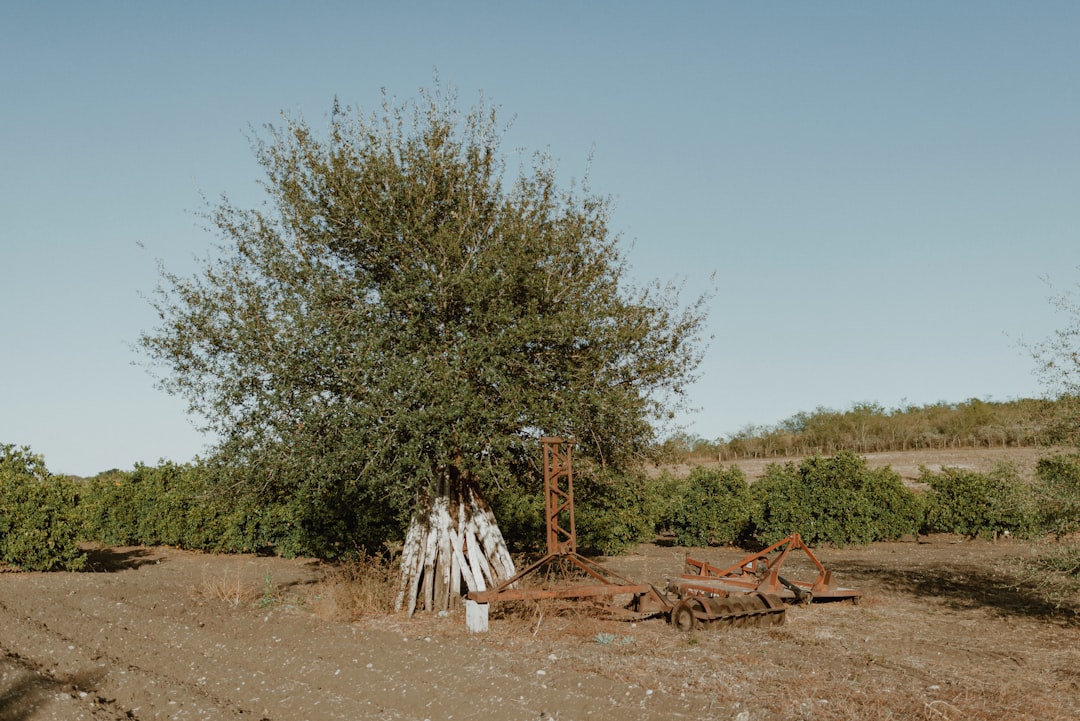
Farmer insurance is a specialized form of coverage designed to protect agricultural operations from various risks inherent in farming. This type of insurance encompasses a wide range of policies tailored to meet the unique needs of farmers, ranchers, and agricultural businesses. The primary objective is to safeguard the financial stability of these operations against unforeseen events that could lead to significant losses.
The agricultural sector is characterized by its vulnerability to numerous risks, including fluctuating market prices, adverse weather conditions, and potential liability claims. Farmer insurance addresses these challenges by offering comprehensive coverage options that can be customized to fit the specific requirements of each operation.
By investing in appropriate insurance policies, farmers can ensure that their livelihoods are protected, allowing them to focus on their core business activities without the constant worry of financial ruin due to unforeseen circumstances.
Key Takeaways
- Farmer insurance provides protection for farmers against various risks and uncertainties related to their farming operations.
- Types of coverage available include property insurance, liability insurance, crop insurance, livestock insurance, and business interruption insurance.
- Assessing your farm’s risks involves identifying potential threats such as weather-related damage, natural disasters, equipment breakdowns, and market fluctuations.
- Customizing your insurance policy allows you to tailor coverage to meet the specific needs and risks of your farm operation.
- Liability coverage is important for farmers to protect against potential lawsuits and claims arising from accidents or injuries on their property.
Types of Coverage Available
Farmer insurance encompasses a variety of coverage options tailored to address the diverse needs of agricultural operations. The most common types include crop insurance, livestock insurance, equipment and machinery coverage, and liability insurance. Each type serves a distinct purpose and is designed to protect different aspects of a farming operation.
Crop insurance is essential for farmers who rely on their harvests for income. It provides financial protection against losses due to natural disasters, pests, or diseases that can devastate crops. Livestock insurance, on the other hand, covers losses related to the death or injury of farm animals, ensuring that farmers can recover financially from such unfortunate events.
Equipment and machinery coverage protects vital farming tools and machinery from damage or theft, while liability insurance shields farmers from legal claims arising from accidents or injuries that occur on their property.
Assessing Your Farm’s Risks
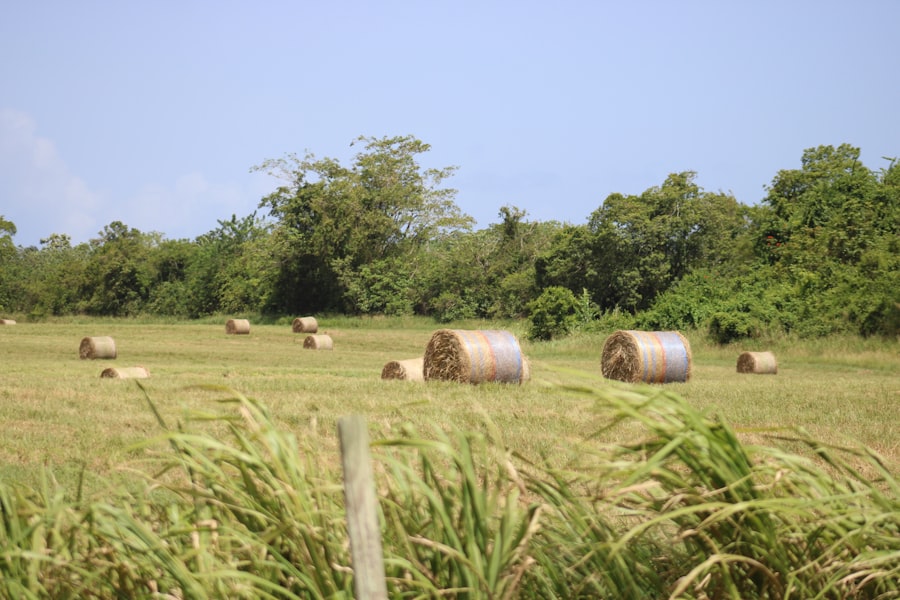
A thorough assessment of your farm’s risks is a critical step in determining the appropriate insurance coverage. This process involves identifying potential hazards that could impact your operation, including environmental factors, market fluctuations, and operational risks. By understanding these risks, farmers can make informed decisions about the types and levels of coverage they require.
To effectively assess risks, farmers should conduct a comprehensive evaluation of their operations. This includes analyzing historical data on crop yields, livestock health, and equipment performance. Additionally, farmers should consider external factors such as local weather patterns and market trends that could affect their business.
Engaging with agricultural experts or risk management consultants can provide valuable insights into potential vulnerabilities and help farmers develop a robust risk management strategy.
Customizing Your Insurance Policy
| Insurance Policy Customization | Benefits |
|---|---|
| Flexible Coverage Options | Allows you to tailor your policy to your specific needs |
| Personalized Deductibles | Gives you control over how much you pay out of pocket |
| Add-Ons and Riders | Provides additional coverage for specific items or situations |
| Discounts for Bundling | Offers savings when you combine multiple policies |
Customizing an insurance policy is essential for ensuring that it meets the specific needs of your farming operation. Farmers should work closely with their insurance agents to tailor coverage options that align with their unique circumstances. This may involve selecting specific endorsements or riders that enhance standard policies to provide additional protection.
For instance, a farmer may choose to add coverage for organic crops or specialty livestock that may not be included in standard policies. Additionally, farmers should consider their operational scale and geographic location when customizing their policies. By taking these factors into account, farmers can create a comprehensive insurance plan that adequately protects their assets and minimizes potential financial losses.
Importance of Liability Coverage
Liability coverage is a critical component of farmer insurance that protects against legal claims arising from accidents or injuries occurring on the farm. This type of coverage is essential for safeguarding the financial stability of agricultural operations, as legal claims can result in substantial financial burdens. Liability coverage typically includes general liability, product liability, and pollution liability.
General liability insurance protects farmers from claims related to bodily injury or property damage caused by their operations. Product liability coverage is particularly important for those who sell food products directly to consumers, as it protects against claims arising from foodborne illnesses or product defects. Pollution liability coverage addresses environmental risks associated with farming practices, such as chemical spills or contamination incidents.
By securing adequate liability coverage, farmers can mitigate the financial impact of potential lawsuits and protect their assets.
Protecting Your Livestock and Crops
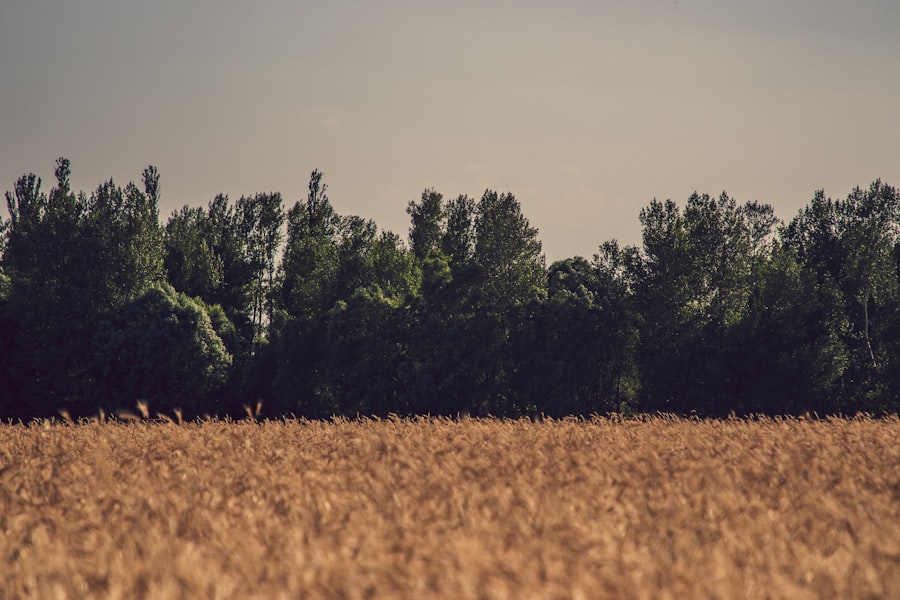
Livestock and crops are often the most valuable assets on a farm, making their protection paramount. Insurance policies specifically designed for livestock cover losses due to death, injury, or theft. These policies can also include coverage for veterinary expenses and loss of income due to reduced productivity.
Crop insurance is equally vital for safeguarding against losses caused by adverse weather conditions, pests, or diseases. Many farmers opt for multi-peril crop insurance (MPCI), which provides comprehensive protection against a range of risks. Additionally, revenue protection policies can help farmers secure income based on historical yields and market prices, ensuring financial stability even in challenging years.
Ensuring Equipment and Machinery Coverage
Farming operations rely heavily on equipment and machinery for daily tasks, making it essential to have adequate coverage for these assets. Equipment and machinery insurance protects against losses due to theft, damage from accidents, or mechanical failures. This type of coverage can be tailored to include specific items such as tractors, harvesters, and irrigation systems.
Farmers should conduct regular inventories of their equipment and machinery to ensure that their insurance policies reflect current values. Additionally, it is crucial to understand the terms of coverage, including deductibles and limits on claims. By securing comprehensive equipment and machinery coverage, farmers can minimize downtime and financial losses associated with unexpected repairs or replacements.
Weather-related damage poses a significant threat to agricultural operations, making it imperative for farmers to have appropriate insurance coverage in place. Natural disasters such as floods, hurricanes, droughts, and hailstorms can devastate crops and livestock, leading to substantial financial losses. Farmers should consider purchasing specialized weather-related insurance products that provide additional protection against these risks.
For example, crop-hail insurance specifically covers losses due to hail damage, while flood insurance can protect against water damage caused by excessive rainfall or rising waters. By proactively addressing weather-related risks through targeted insurance solutions, farmers can safeguard their livelihoods against the unpredictable nature of climate events.
The Role of Business Interruption Insurance
Business interruption insurance plays a crucial role in protecting farmers from financial losses resulting from unexpected disruptions to their operations. This type of coverage provides compensation for lost income during periods when a farm cannot operate due to covered events such as natural disasters or equipment failures. Farmers should carefully evaluate their business interruption needs based on their operational structure and revenue streams.
This may involve assessing how long it would take to recover from various disruptions and determining the appropriate level of coverage required to sustain operations during recovery periods. By incorporating business interruption insurance into their overall risk management strategy, farmers can ensure continuity in their operations even in the face of adversity.
Working with an Experienced Insurance Agent
Collaborating with an experienced insurance agent is essential for navigating the complexities of farmer insurance. An agent with expertise in agricultural policies can provide valuable insights into available coverage options and help farmers identify potential gaps in their existing policies.
A knowledgeable agent can assist in customizing policies to meet specific needs while also providing guidance on risk management strategies that enhance overall protection.
Reviewing and Updating Your Policy Regularly
Regularly reviewing and updating your farmer insurance policy is vital for ensuring that it remains relevant to your evolving needs. As farming operations grow or change over time—whether through expansion into new crops or livestock breeds—insurance requirements may also shift. Farmers should schedule annual policy reviews with their agents to assess current coverage levels and make necessary adjustments based on changes in assets or operational risks.
Additionally, staying informed about industry trends and emerging risks can help farmers proactively address potential vulnerabilities in their insurance plans. In summary, farmer insurance is an essential component of risk management for agricultural operations. By understanding the various types of coverage available and assessing individual farm risks, farmers can customize their policies effectively.
Liability coverage is crucial for protecting against legal claims while safeguarding livestock and crops ensures financial stability during adverse events. Equipment coverage protects vital machinery from unexpected damages, while weather-related policies address natural disaster risks. Business interruption insurance provides compensation during operational disruptions, making it imperative for farmers to work with experienced agents who can guide them through policy customization and regular reviews.
Ultimately, proactive risk management through comprehensive farmer insurance is key to sustaining successful agricultural operations in an unpredictable environment.
If you’re interested in learning more about insurance options for farmers, you may want to check out this comprehensive guide to federal holidays in the United States. Understanding when government offices are closed can be crucial for farmers looking to file insurance claims or make important business decisions. This article provides a detailed overview of all federal holidays and their significance. You can read more about it here.
FAQs
What is farmer insurance?
Farmer insurance is a type of insurance coverage designed specifically for farmers and their unique needs. It provides protection for farm property, equipment, livestock, and liability risks associated with farming operations.
What does farmer insurance cover?
Farmer insurance typically covers farm property, such as barns, silos, and equipment, as well as livestock, crops, and farm structures. It also provides liability coverage for accidents or injuries that occur on the farm, and may include coverage for farm vehicles and machinery.
Why do farmers need insurance?
Farmers need insurance to protect their livelihood and assets from potential risks and losses. Farming involves various risks, including weather-related damage, equipment breakdowns, and liability exposures, and insurance helps farmers mitigate these risks and recover from unexpected events.
What are the different types of farmer insurance?
There are several types of farmer insurance, including farm property insurance, farm liability insurance, crop insurance, livestock insurance, and farm vehicle insurance. Each type of insurance provides specific coverage for different aspects of farming operations.
How can farmers obtain insurance coverage?
Farmers can obtain insurance coverage by contacting insurance companies that specialize in farm insurance or working with independent insurance agents who have experience in insuring agricultural operations. They can discuss their specific needs and risks with an insurance professional to determine the most appropriate coverage options.