Now Reading: The Importance of the Hypopharynx in Swallowing and Breathing
-
01
The Importance of the Hypopharynx in Swallowing and Breathing
The Importance of the Hypopharynx in Swallowing and Breathing
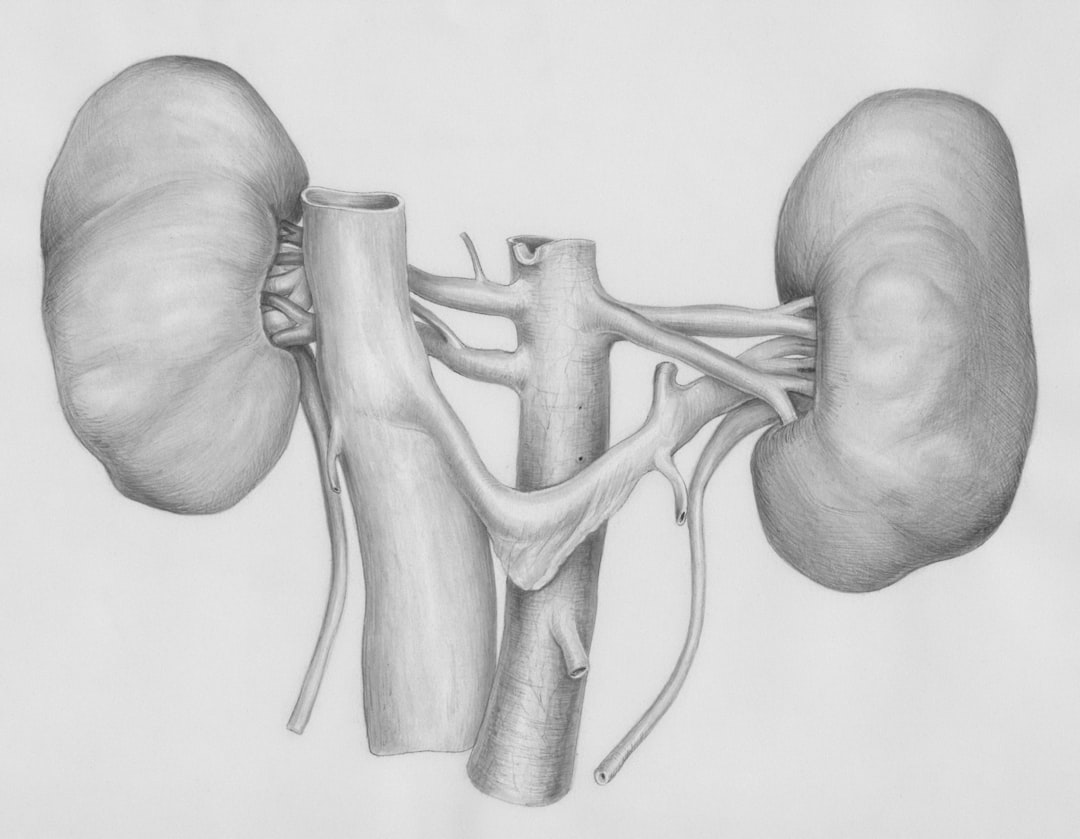
The hypopharynx, a critical component of the human anatomy, serves as a transitional zone between the oropharynx and the esophagus. This anatomical structure is often overlooked, yet it plays a vital role in both swallowing and respiration. The hypopharynx is located posterior to the larynx and extends from the level of the hyoid bone to the esophagus, encompassing the area where food and air converge.
Understanding its anatomy and function is essential for recognizing the implications of various disorders that can affect this region. The significance of the hypopharynx extends beyond mere anatomical description; it is integral to maintaining physiological homeostasis. Disorders affecting this area can lead to severe complications, including dysphagia (difficulty swallowing) and respiratory issues.
Key Takeaways
- The hypopharynx is a crucial part of the throat that plays a key role in swallowing and breathing.
- Understanding the anatomy and function of the hypopharynx is essential for diagnosing and managing disorders affecting this area.
- Hypopharyngeal dysfunction can have a significant impact on swallowing and breathing, leading to serious health complications.
- Speech-language pathologists play a vital role in the rehabilitation of hypopharyngeal disorders, working closely with other healthcare professionals.
- Multidisciplinary collaboration is essential for effectively managing hypopharyngeal disorders and improving patient outcomes.
Anatomy and Function of the Hypopharynx
The hypopharynx is anatomically divided into three primary regions: the pyriform sinuses, the postcricoid area, and the lateral pharyngeal walls. The pyriform sinuses are two recesses located on either side of the larynx, which serve as channels for food to pass into the esophagus. The postcricoid area lies posterior to the cricoid cartilage and is essential for the passage of food.
The lateral pharyngeal walls contain muscular structures that facilitate swallowing by contracting in a coordinated manner. Functionally, the hypopharynx acts as a conduit for both air and food. During swallowing, it plays a pivotal role in directing food away from the airway and into the esophagus.
The muscular contractions of the pharyngeal walls, known as peristalsis, propel food downward while simultaneously preventing aspiration into the trachea. This dual function underscores the importance of maintaining hypopharyngeal integrity for overall health.
The Role of the Hypopharynx in Swallowing
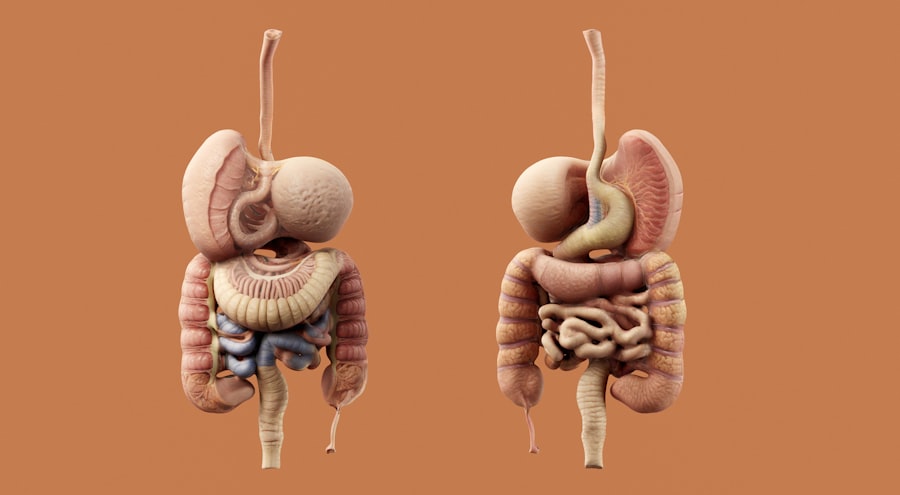
Swallowing is a complex process that involves multiple stages: oral, pharyngeal, and esophageal. The hypopharynx is primarily involved in the pharyngeal stage, where it acts as a passageway for bolus transport. Upon swallowing, sensory receptors in the oropharynx trigger a reflex that initiates peristalsis in the hypopharynx. This coordinated muscular action ensures that food is efficiently directed toward the esophagus while simultaneously closing off the airway to prevent aspiration.
The timing and coordination of these muscular contractions are critical; any disruption can lead to dysphagia. Conditions such as stroke, neurological disorders, or structural abnormalities can impair this process, resulting in complications such as choking or aspiration pneumonia. Understanding the mechanics of swallowing within the context of hypopharyngeal function is essential for developing effective treatment strategies for individuals experiencing swallowing difficulties.
The Importance of the Hypopharynx in Breathing
| Metrics | Importance |
|---|---|
| Airway Protection | The hypopharynx helps to protect the airway by preventing food and liquids from entering the respiratory system. |
| Breathing Function | The hypopharynx plays a crucial role in the passage of air to and from the lungs, allowing for proper breathing function. |
| Swallowing | It is involved in the swallowing process, ensuring that food and liquids are directed to the esophagus and not the airway. |
| Speech Production | The hypopharynx contributes to speech production by providing a passage for air to pass through the vocal cords. |
In addition to its role in swallowing, the hypopharynx is also crucial for respiration. It serves as a passageway for air traveling from the nasal cavity and oropharynx to the larynx and subsequently into the trachea. The integrity of this pathway is vital for maintaining adequate oxygenation and ventilation.
Any obstruction or dysfunction within the hypopharynx can lead to significant respiratory distress. Conditions such as sleep apnea, characterized by intermittent airway obstruction during sleep, can be exacerbated by hypopharyngeal dysfunction. The relaxation of pharyngeal muscles during sleep can lead to airway collapse, resulting in disrupted breathing patterns.
Understanding how hypopharyngeal anatomy influences respiratory function is essential for addressing these disorders effectively.
Disorders and Conditions Affecting the Hypopharynx
A variety of disorders can impact the hypopharynx, leading to significant health implications. Common conditions include dysphagia, laryngopharyngeal reflux (LPR), tumors, and infections such as pharyngitis or tonsillitis. Dysphagia can arise from neurological conditions like Parkinson’s disease or stroke, while LPR occurs when stomach acid flows back into the hypopharynx, causing irritation and inflammation.
Tumors in this region can be benign or malignant and may present with symptoms such as difficulty swallowing, hoarseness, or unexplained weight loss. Infections can lead to swelling and pain, further complicating swallowing and breathing. Early diagnosis and intervention are crucial for managing these conditions effectively.
The Impact of Hypopharyngeal Dysfunction on Swallowing and Breathing
Hypopharyngeal dysfunction can have profound effects on both swallowing and breathing. Individuals with dysphagia may experience pain during swallowing, a sensation of food getting stuck, or recurrent aspiration leading to pneumonia. These symptoms can significantly impact nutritional intake and overall quality of life.
Similarly, respiratory complications arising from hypopharyngeal dysfunction can lead to chronic obstructive pulmonary disease (COPD) or other serious conditions if left untreated. The interplay between swallowing and breathing highlights the need for comprehensive assessment and management strategies that address both functions simultaneously.
Diagnosis and Evaluation of Hypopharyngeal Disorders
Diagnosing hypopharyngeal disorders requires a multidisciplinary approach involving various diagnostic modalities. A thorough clinical history and physical examination are essential first steps. Healthcare providers may utilize videofluoroscopic swallow studies (VFSS) or fiberoptic endoscopic evaluation of swallowing (FEES) to assess swallowing mechanics directly.
Imaging studies such as CT scans or MRIs may be employed to evaluate structural abnormalities or tumors within the hypopharynx. Additionally, laryngoscopy allows direct visualization of the laryngeal structures and can help identify any lesions or inflammation affecting function. A comprehensive evaluation is crucial for developing an effective treatment plan tailored to individual needs.
Treatment and Management of Hypopharyngeal Dysfunction
Treatment options for hypopharyngeal dysfunction vary depending on the underlying cause and severity of symptoms. For dysphagia, dietary modifications may be recommended, including texture modifications or thickened liquids to facilitate safer swallowing. Swallowing therapy conducted by speech-language pathologists can also be beneficial in retraining swallowing mechanics.
In cases where structural abnormalities are present, surgical intervention may be necessary to remove tumors or correct anatomical defects. For individuals with LPR, pharmacological treatments such as proton pump inhibitors (PPIs) may be prescribed to reduce gastric acid production and alleviate symptoms.
The Role of Speech-Language Pathologists in Hypopharyngeal Rehabilitation
Speech-language pathologists (SLPs) play a pivotal role in rehabilitating individuals with hypopharyngeal dysfunction. They conduct comprehensive assessments to identify specific swallowing difficulties and develop tailored intervention plans. SLPs utilize various therapeutic techniques aimed at improving swallowing safety and efficiency.
Therapeutic interventions may include exercises designed to strengthen pharyngeal muscles, strategies to enhance sensory awareness during swallowing, and compensatory techniques to minimize aspiration risk. SLPs also provide education on safe eating practices and dietary modifications to optimize nutritional intake while minimizing risks associated with dysphagia.
The Importance of Multidisciplinary Collaboration in Managing Hypopharyngeal Disorders
Effective management of hypopharyngeal disorders necessitates collaboration among various healthcare professionals. A multidisciplinary team approach ensures comprehensive care that addresses all aspects of an individual’s health. This team may include otolaryngologists, gastroenterologists, speech-language pathologists, dietitians, and respiratory therapists.
Regular communication among team members is essential for monitoring progress and making necessary adjustments to interventions based on individual responses.
Future Directions in Research and Clinical Practice for Hypopharyngeal Function
As research continues to evolve, future directions in understanding hypopharyngeal function will likely focus on innovative diagnostic techniques and therapeutic interventions. Advances in imaging technology may enhance our ability to visualize dynamic swallowing processes in real-time, leading to more accurate diagnoses. Additionally, ongoing research into neuroplasticity may inform rehabilitation strategies aimed at restoring function following neurological injuries affecting swallowing.
Exploring pharmacological agents that target specific pathways involved in swallowing mechanics could also yield promising treatment options for individuals with dysphagia. In summary, understanding the anatomy and function of the hypopharynx is crucial for recognizing its role in both swallowing and breathing. Disorders affecting this region can lead to significant health complications; therefore, early diagnosis and intervention are essential.
A multidisciplinary approach involving speech-language pathologists and other healthcare professionals is vital for effective management strategies tailored to individual needs. Future research holds promise for enhancing our understanding of hypopharyngeal function and improving clinical outcomes for affected individuals.
If you are interested in learning more about the hypopharynx, you may want to check out this article on preparing for Easter: tips for a joyful holiday. This article discusses the importance of celebrating Easter and offers helpful tips for making the most of this special time of year. Understanding the anatomy of the hypopharynx can also help us appreciate the significance of holidays like Easter and the joy they bring to our lives.
FAQs
What is the hypopharynx?
The hypopharynx is the lower part of the pharynx, which is the part of the throat that connects the mouth and nasal passages to the esophagus.
What is the function of the hypopharynx?
The hypopharynx plays a role in swallowing, as it helps to direct food and liquids into the esophagus while preventing them from entering the airway.
What are the common conditions that affect the hypopharynx?
Common conditions that affect the hypopharynx include hypopharyngeal cancer, dysphagia (difficulty swallowing), and gastroesophageal reflux disease (GERD).
How is hypopharyngeal cancer diagnosed?
Hypopharyngeal cancer is typically diagnosed through a combination of physical examination, imaging tests (such as CT scans or MRIs), and biopsy of the affected tissue.
What are the treatment options for hypopharyngeal cancer?
Treatment options for hypopharyngeal cancer may include surgery, radiation therapy, chemotherapy, or a combination of these approaches, depending on the stage and location of the cancer.
What are the risk factors for hypopharyngeal cancer?
Risk factors for hypopharyngeal cancer include tobacco use, heavy alcohol consumption, and infection with human papillomavirus (HPV).