Now Reading: Glioblastoma Multiforme: Understanding the Aggressive Brain Cancer
-
01
Glioblastoma Multiforme: Understanding the Aggressive Brain Cancer
Glioblastoma Multiforme: Understanding the Aggressive Brain Cancer
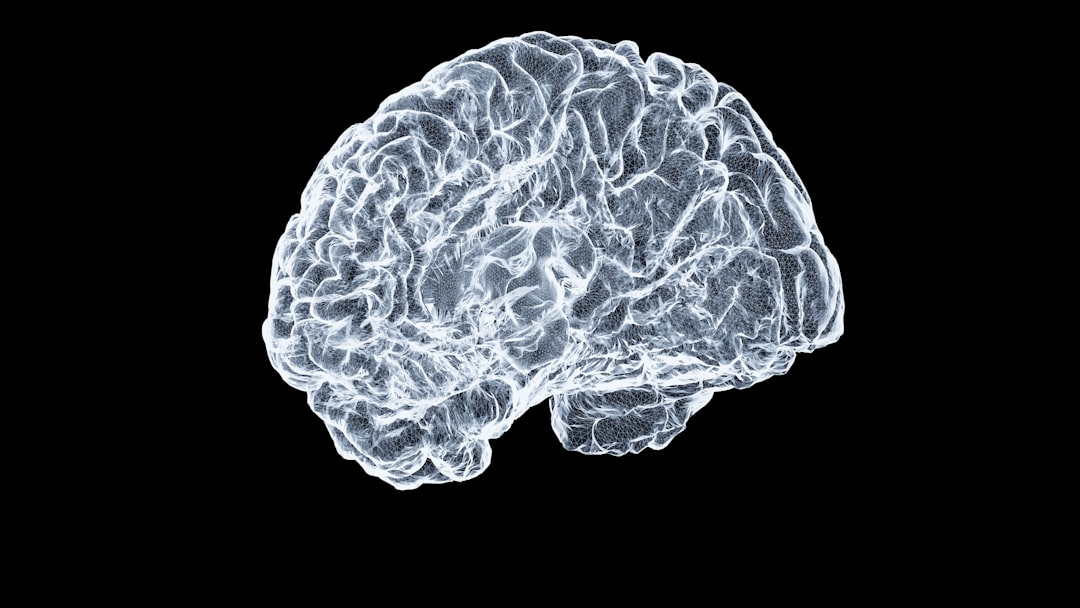
Glioblastoma multiforme (GBM) is a highly aggressive and malignant form of brain cancer, classified as a grade IV tumor by the World Health Organization (WHO). It arises from astrocytes, the star-shaped glial cells that support and protect neurons in the central nervous system. GBM is characterized by its rapid growth, invasive nature, and resistance to conventional therapies, making it one of the most challenging cancers to treat.
The tumor’s heterogeneity, which refers to the diverse cellular composition within the tumor, contributes to its complexity and poor prognosis. The incidence of glioblastoma is approximately 3.19 cases per 100,000 individuals annually, with a higher prevalence in males than females. Typically diagnosed in adults aged 45 to 70 years, GBM can occur in any part of the brain but is most commonly found in the cerebral hemispheres.
The tumor’s aggressive behavior often leads to a short survival time, with a median overall survival of approximately 15 months post-diagnosis, despite aggressive treatment regimens.
Key Takeaways
- Glioblastoma Multiforme is an aggressive type of brain cancer that is difficult to treat and has a poor prognosis.
- Symptoms of Glioblastoma Multiforme may include headaches, seizures, cognitive changes, and neurological deficits, and diagnosis is typically confirmed through imaging and biopsy.
- The causes of Glioblastoma Multiforme are not fully understood, but risk factors may include genetic mutations, exposure to radiation, and certain genetic syndromes.
- Treatment options for Glioblastoma Multiforme may include surgery, radiation therapy, chemotherapy, and targeted therapy, but the cancer often recurs.
- The prognosis for Glioblastoma Multiforme is generally poor, with a median survival of around 12-15 months, and current research and clinical trials are focused on developing more effective treatments.
Symptoms and Diagnosis of Glioblastoma Multiforme
The clinical presentation of glioblastoma multiforme can vary significantly depending on the tumor’s location and size. Common symptoms include persistent headaches, seizures, cognitive dysfunction, personality changes, and focal neurological deficits such as weakness or sensory loss. Patients may also experience nausea, vomiting, and changes in vision or speech.
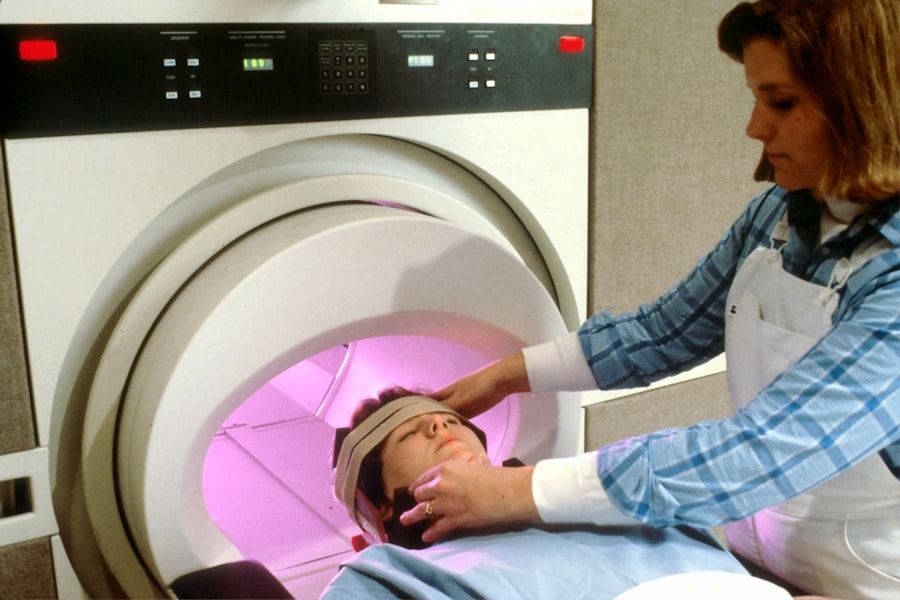
These symptoms often develop gradually but can worsen rapidly as the tumor progresses. Diagnosis typically involves a combination of imaging studies and histopathological examination. Magnetic resonance imaging (MRI) is the gold standard for visualizing brain tumors, providing detailed images that help delineate the tumor’s size and location.
In some cases, computed tomography (CT) scans may also be utilized.
Causes and Risk Factors of Glioblastoma Multiforme
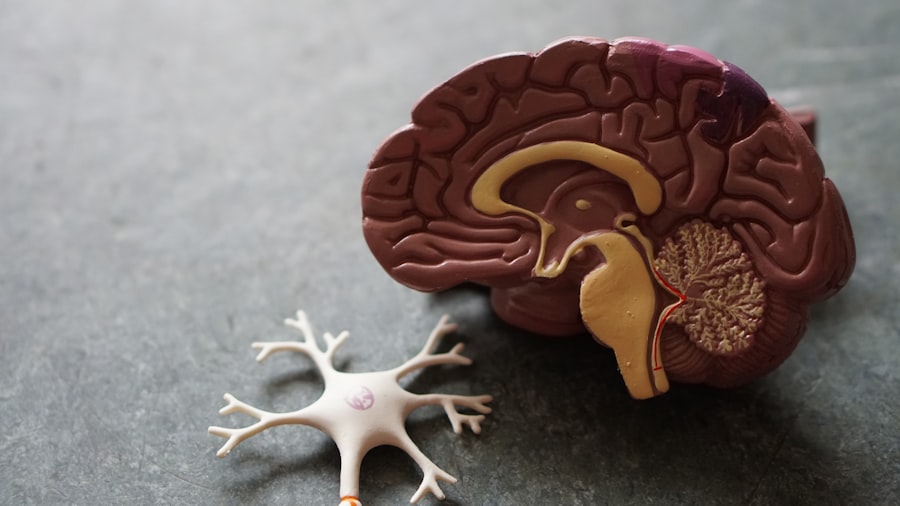
The exact etiology of glioblastoma multiforme remains largely unknown; however, several risk factors have been identified that may contribute to its development. Genetic predispositions play a significant role, with certain inherited syndromes such as neurofibromatosis type 1 and Li-Fraumeni syndrome increasing susceptibility to brain tumors. Additionally, exposure to ionizing radiation, particularly from previous cancer treatments, has been linked to an elevated risk of developing GBM.
Environmental factors may also influence glioblastoma risk. Studies have suggested a potential association between pesticide exposure and increased incidence of brain tumors. Furthermore, age is a significant risk factor; the likelihood of developing GBM increases with advancing age.
While the role of lifestyle factors such as diet and physical activity remains under investigation, ongoing research aims to elucidate their potential impact on glioblastoma development.
Treatment Options for Glioblastoma Multiforme
| Treatment Option | Description |
|---|---|
| Surgery | Removal of as much of the tumor as possible |
| Radiation Therapy | High-energy x-rays to kill cancer cells |
| Chemotherapy | Drugs to kill cancer cells or stop them from growing |
| Targeted Therapy | Drugs that target specific abnormalities within cancer cells |
| Immunotherapy | Stimulating the immune system to recognize and destroy cancer cells |
The management of glioblastoma multiforme typically involves a multimodal approach that includes surgical resection, radiation therapy, and chemotherapy. The primary goal of treatment is to maximize tumor removal while preserving neurological function. Surgical intervention is often the first line of treatment; however, complete resection is challenging due to the infiltrative nature of GBM.
Following surgery, adjuvant therapy usually consists of radiation therapy combined with temozolomide (TMZ), an oral alkylating agent that has been shown to improve survival rates in patients with newly diagnosed GBM. The standard regimen involves concurrent TMZ during radiation followed by adjuvant TMZ for six cycles. In cases where patients exhibit specific genetic mutations, such as O6-methylguanine-DNA methyltransferase (MGMT) promoter methylation, treatment outcomes may be further enhanced.
Emerging therapies are also being explored in clinical trials, including immunotherapy approaches such as checkpoint inhibitors and personalized vaccines targeting tumor-specific antigens. These innovative strategies aim to harness the body’s immune system to combat glioblastoma more effectively.
Prognosis and Survival Rates for Glioblastoma Multiforme
The prognosis for patients diagnosed with glioblastoma multiforme remains dismal due to its aggressive nature and tendency for recurrence. The median survival time after diagnosis is approximately 15 months; however, this can vary significantly based on several factors including age, performance status, extent of surgical resection, and molecular characteristics of the tumor. Survival rates are often reported in terms of one-year and five-year survival percentages.
Approximately 40% of patients survive one year post-diagnosis; however, only about 5% survive five years or longer. Factors such as younger age at diagnosis and complete surgical resection are associated with improved outcomes. Ongoing research aims to identify biomarkers that could predict individual responses to treatment and ultimately improve prognostic accuracy.
Current Research and Clinical Trials for Glioblastoma Multiforme
Research into glioblastoma multiforme is rapidly evolving, with numerous clinical trials underway exploring novel therapeutic strategies. Investigational approaches include targeted therapies aimed at specific genetic mutations within tumor cells, such as IDH1 mutations or EGFR amplification. Additionally, researchers are investigating the potential of oncolytic viruses that selectively infect and kill cancer cells while sparing normal tissue.
Immunotherapy remains a promising area of exploration; trials are assessing the efficacy of immune checkpoint inhibitors like nivolumab and pembrolizumab in combination with standard treatments. Furthermore, personalized vaccines designed to elicit an immune response against unique tumor antigens are being evaluated for their ability to enhance survival rates. Collaboration between academic institutions and pharmaceutical companies is crucial in advancing research efforts.
The integration of genomic profiling into clinical practice may also facilitate more tailored treatment approaches based on individual tumor characteristics.
Supportive Care for Glioblastoma Multiforme Patients
Supportive care plays a vital role in managing glioblastoma multiforme patients throughout their treatment journey. This multidisciplinary approach addresses not only physical symptoms but also emotional and psychological well-being. Palliative care services can help alleviate pain and manage symptoms such as nausea or seizures while providing support for patients and their families.
Rehabilitation services are essential for patients experiencing neurological deficits due to the tumor or its treatment. Physical therapy can assist in regaining mobility and strength, while occupational therapy focuses on improving daily living skills. Speech therapy may be beneficial for those experiencing communication difficulties.
Impact on Quality of Life for Glioblastoma Multiforme Patients
The diagnosis of glioblastoma multiforme significantly impacts patients’ quality of life (QoL). Physical symptoms such as fatigue, cognitive impairment, and seizures can hinder daily activities and diminish overall well-being. Additionally, emotional distress stemming from the diagnosis can lead to anxiety and depression among patients and their caregivers.
Social support networks play a crucial role in enhancing QoL for individuals affected by GBM. Engaging in support groups or counseling services can provide emotional relief and foster connections with others facing similar challenges. Holistic approaches that incorporate mindfulness practices or art therapy may also contribute positively to mental health.
Coping with the Emotional and Psychological Effects of Glioblastoma Multiforme
Coping with the emotional ramifications of a glioblastoma multiforme diagnosis can be overwhelming for both patients and their families. Feelings of fear, uncertainty, and sadness are common reactions that may persist throughout the treatment process. It is essential for patients to acknowledge these emotions and seek support from mental health professionals when needed.
Cognitive-behavioral therapy (CBT) has shown promise in helping individuals manage anxiety and depression related to cancer diagnoses. Additionally, mindfulness-based stress reduction techniques can assist patients in cultivating resilience and coping strategies during challenging times. Open communication with healthcare providers about emotional concerns is vital for ensuring comprehensive care.
Resources and Support for Glioblastoma Multiforme Patients and Caregivers
Numerous resources are available for glioblastoma multiforme patients and their caregivers seeking support during their journey. Organizations such as the American Brain Tumor Association (ABTA) provide educational materials, support groups, and access to clinical trial information. Online forums can also facilitate connections between patients facing similar challenges.
Local cancer centers often offer resources such as counseling services, nutritional support, and rehabilitation programs tailored specifically for brain tumor patients. Caregiver support groups are equally important; they provide a space for caregivers to share experiences and receive guidance on managing their loved ones’ care.
Advocacy and Awareness Efforts for Glioblastoma Multiforme
Advocacy efforts play a crucial role in raising awareness about glioblastoma multiforme and promoting research funding for this devastating disease. Organizations dedicated to brain cancer advocacy work tirelessly to educate the public about GBM while lobbying for increased government funding for research initiatives. Events such as Brain Tumor Awareness Month in May serve as platforms for raising awareness about glioblastoma multiforme and its impact on patients’ lives.
Engaging in community outreach programs can foster understanding and support for those affected by this aggressive cancer. In summary, glioblastoma multiforme represents one of the most formidable challenges in oncology due to its aggressive nature and poor prognosis. Early diagnosis remains critical for improving outcomes; however, ongoing research into innovative treatment modalities offers hope for future advancements in care.
Supportive services are essential in addressing the multifaceted needs of patients and caregivers alike while advocacy efforts continue to drive awareness and funding for this devastating disease.
Glioblastoma multiforme is a devastating form of brain cancer that affects thousands of individuals each year. For those battling this aggressive disease, time off for treatment and recovery is crucial. In a related article on federal paid holidays, employees can learn about their rights to time off for medical reasons and how to navigate the process of requesting leave. This information can be invaluable for individuals facing the challenges of glioblastoma multiforme and seeking support during their treatment journey.
FAQs
What is glioblastoma multiforme?
Glioblastoma multiforme is a type of aggressive brain tumor that develops from star-shaped glial cells called astrocytes. It is the most common and most aggressive malignant primary brain tumor in adults.
What are the symptoms of glioblastoma multiforme?
Symptoms of glioblastoma multiforme can include headaches, nausea, vomiting, seizures, cognitive impairment, and changes in personality or mood. These symptoms can vary depending on the location and size of the tumor.
What are the risk factors for developing glioblastoma multiforme?
The exact cause of glioblastoma multiforme is not known, but certain risk factors have been identified, including older age, exposure to ionizing radiation, and certain genetic disorders such as neurofibromatosis and Li-Fraumeni syndrome.
How is glioblastoma multiforme diagnosed?
Diagnosis of glioblastoma multiforme typically involves a combination of imaging tests such as MRI or CT scans, and a biopsy to examine the tumor tissue under a microscope. Genetic testing may also be performed to identify specific mutations that can guide treatment decisions.
What are the treatment options for glioblastoma multiforme?
Treatment for glioblastoma multiforme usually involves a combination of surgery, radiation therapy, and chemotherapy. Newer treatment options such as targeted therapy and immunotherapy are also being studied in clinical trials.
What is the prognosis for glioblastoma multiforme?
The prognosis for glioblastoma multiforme is generally poor, with a median survival of around 12-15 months after diagnosis. However, some patients may respond well to treatment and survive longer, while others may have a more aggressive course of the disease.