Now Reading: The Enduring Legacy of Princess Diana
-
01
The Enduring Legacy of Princess Diana
The Enduring Legacy of Princess Diana

Princess Diana, the “People’s Princess,” remains an enduring symbol of compassion, grace, and resilience. Her life, marked by both extraordinary privilege and profound personal challenges, has left an indelible mark on the world. Born Diana Frances Spencer on July 1, 1961, she became a global icon through her marriage to Prince Charles in 1981.
However, it was her humanitarian efforts, fashion sense, and candidness about personal struggles that truly defined her legacy. Diana’s influence transcends her royal status; she has become a beacon of hope and change for many, inspiring countless individuals to advocate for social justice and humanitarian causes. Diana’s tragic death in a car accident in 1997 shocked the world and solidified her status as a cultural icon.
Her legacy continues to resonate today, as her contributions to various causes and her unique approach to royal duties have paved the way for future generations. This article delves into the multifaceted aspects of Princess Diana’s legacy, exploring her impact on the royal family, her humanitarian work, her fashion influence, and her role in raising awareness about mental health and HIV/AIDS stigma.
Key Takeaways
- Princess Diana’s legacy continues to have a lasting impact on the world, even decades after her passing.
- Diana’s influence on the royal family brought a modern and relatable touch to the monarchy, changing the public’s perception of the royal family.
- Diana’s humanitarian work and charitable contributions left a significant mark on various causes, including her advocacy for landmine victims and her efforts in raising awareness for mental health.
- Diana’s fashion influence evolved over the years, making her a style icon and a trendsetter in the fashion industry.
- Diana’s advocacy for mental health awareness and her openness about her struggles have had a profound impact on reducing the stigma surrounding mental health issues.
Diana’s Impact on the Royal Family
Princess Diana’s entry into the British royal family marked a significant shift in the monarchy’s public perception. Her relatable demeanor and genuine warmth contrasted sharply with the often-stiff image of royal life. Diana’s ability to connect with people from all walks of life humanized the royal family, making them more accessible to the public.
She brought a sense of modernity to the institution, challenging traditional norms and expectations. Moreover, Diana’s tumultuous marriage to Prince Charles highlighted the complexities of royal life. Her candidness about her struggles with mental health and marital issues opened up discussions about the pressures faced by those in the public eye.
This transparency not only endeared her to the public but also prompted a reevaluation of how the royal family approached mental health and personal challenges.
Diana’s Humanitarian Work and Charitable Contributions
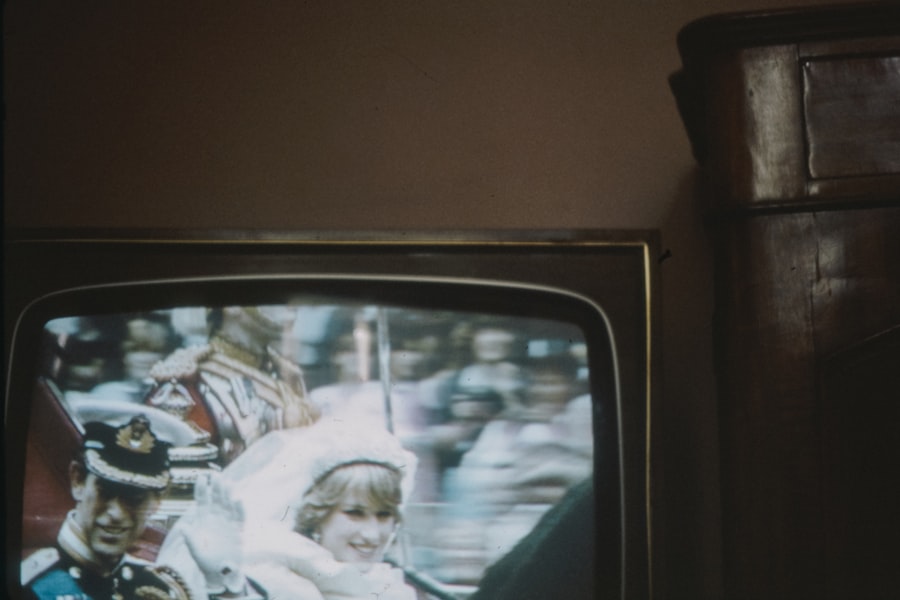
Princess Diana was renowned for her extensive humanitarian work, which spanned various causes including homelessness, children’s health, and HIV/AIDS awareness.
One of her most notable contributions was her work with AIDS patients during a time when stigma surrounding the disease was rampant. By publicly embracing individuals affected by HIV/AIDS, she played a pivotal role in changing public perceptions and reducing discrimination. Diana’s involvement with organizations such as Centrepoint, which supports homeless youth, further exemplified her dedication to social issues.
She often visited shelters and spent time with those in need, demonstrating that compassion could bridge societal divides. Her efforts raised millions for various charities and inspired others to engage in philanthropy. The establishment of the Diana, Princess of Wales Memorial Fund after her death ensured that her charitable legacy would continue to thrive, supporting numerous initiatives aimed at improving lives around the globe.
The Evolution of Diana’s Fashion Influence
| Decade | Fashion Influence |
|---|---|
| 1980s | Introduced the “Sloane Ranger” style with preppy, feminine looks |
| 1990s | Became a fashion icon with her elegant and glamorous evening gowns |
| 2000s | Her timeless style continued to inspire designers and fashion enthusiasts |
| 2010s | Her fashion influence remained strong, with her iconic looks being recreated and celebrated |
Princess Diana’s fashion choices were as impactful as her humanitarian efforts. From her iconic wedding dress designed by David and Elizabeth Emanuel to her elegant evening gowns, Diana’s style evolved significantly over the years. Initially embodying traditional royal fashion, she gradually embraced a more modern aesthetic that reflected her personality and confidence.
Her ability to blend high fashion with approachable styles made her a trendsetter and an inspiration for many. Diana’s fashion influence extended beyond mere aesthetics; it was also a form of self-expression. She used clothing to convey messages about her identity and values.
For instance, her choice to wear a black off-the-shoulder dress to a charity event in 1994 was seen as a bold statement of independence and empowerment. Designers such as Versace and Catherine Walker became synonymous with her style, further solidifying her status as a fashion icon. Today, her influence can be seen in contemporary fashion trends that prioritize individuality and authenticity.
Diana’s Influence on Mental Health Awareness
Princess Diana’s openness about her struggles with mental health has had a profound impact on societal attitudes toward mental illness. In an era when such topics were often stigmatized or ignored, she bravely shared her experiences with depression and bulimia. By doing so, she not only humanized mental health issues but also encouraged others to seek help without fear of judgment.
Diana’s candid discussions about therapy and self-care helped destigmatize mental health treatment, paving the way for greater acceptance and understanding. Her legacy continues to inspire mental health advocacy today, as organizations work tirelessly to promote awareness and provide resources for those in need. The ripple effect of her honesty has contributed to a cultural shift that prioritizes mental well-being as an essential aspect of overall health.
The Continuing Relevance of Diana’s Advocacy for Landmine Victims
One of Princess Diana’s most significant humanitarian efforts was her advocacy for landmine victims. Her involvement with the campaign against landmines began in 1997 when she visited Angola to witness firsthand the devastating impact of these weapons on civilian populations. Photographs of her walking through minefields garnered international attention and sparked global conversations about disarmament.
Diana’s commitment to this cause led to increased awareness and pressure on governments to take action against landmines. Her efforts contributed to the eventual signing of the Ottawa Treaty in 1997, which aimed to ban landmines worldwide. Today, organizations continue to honor her legacy by working towards landmine clearance and supporting survivors.
The ongoing relevance of Diana’s advocacy serves as a reminder of the power of individual action in effecting change on a global scale.
Diana’s Enduring Popularity and Iconic Status
The enduring popularity of Princess Diana can be attributed to her relatability and authenticity. Despite being thrust into the spotlight at a young age, she maintained a sense of humility that resonated with people around the world. Her ability to connect with individuals from diverse backgrounds made her an icon not just within Britain but globally.
Diana’s legacy is perpetuated through various forms of media, including documentaries, books, and films that explore her life and impact. The fascination with her story continues to captivate audiences, ensuring that future generations will remember her contributions to society. Additionally, annual memorial events and charitable initiatives keep her spirit alive, reinforcing her status as an enduring symbol of compassion and advocacy.
The Influence of Diana’s Parenting and Family Values
As a mother to Prince William and Prince Harry, Princess Diana instilled values of empathy, kindness, and social responsibility in her children. She prioritized their emotional well-being and sought to provide them with a sense of normalcy despite their royal status. Diana often took them on outings that exposed them to different cultures and social issues, fostering their understanding of global challenges.
Her parenting style emphasized open communication and emotional expression, which has influenced how both princes approach their roles today. William and Harry have continued their mother’s legacy through their charitable work and advocacy for mental health awareness. The values instilled by Diana serve as a foundation for their commitment to making a positive impact in the world.
Diana’s Legacy in the Fight Against HIV/AIDS Stigma
Princess Diana’s groundbreaking work in raising awareness about HIV/AIDS played a crucial role in combating stigma associated with the disease. At a time when fear and misinformation prevailed, she became one of the first public figures to openly engage with individuals living with HIV/AIDS. Her famous visit to an AIDS ward in 1987—where she shook hands with patients without gloves—challenged societal perceptions and demonstrated compassion over fear.
Diana’s advocacy helped shift public discourse around HIV/AIDS from one of fear to one of understanding and support. Her efforts contributed to increased funding for research and treatment options while encouraging others to speak out against discrimination faced by those affected by the disease. Today, organizations continue to build upon her legacy by promoting education and awareness surrounding HIV/AIDS.
The Impact of Diana’s Legacy on Future Generations
The impact of Princess Diana’s legacy extends far beyond her lifetime; it continues to inspire future generations to engage in humanitarian efforts and advocate for social justice. Her ability to connect with people on a personal level serves as a model for effective advocacy—showing that empathy can drive meaningful change. Young activists today often cite Diana as an inspiration for their work in various fields, from mental health advocacy to environmental sustainability.
The principles she championed—compassion, authenticity, and social responsibility—remain relevant as new challenges arise globally. As future leaders emerge, they carry forward Diana’s spirit of activism, ensuring that her legacy endures.
Diana’s Lasting Impact on the World
Princess Diana’s legacy is one of profound significance that transcends time and borders. Through her humanitarian work, advocacy for mental health awareness, fashion influence, and commitment to social justice, she has left an indelible mark on society. Her ability to connect with individuals from all walks of life has inspired countless people to engage in meaningful change.
As we reflect on Princess Diana’s life and contributions, it is clear that her impact will continue to resonate for generations to come. She remains an enduring symbol of compassion, resilience, and hope—a reminder that one person’s voice can indeed make a difference in the world.
Princess Diana was known for her humanitarian work and dedication to various causes, much like Martin Luther King Jr. who fought for equality and civil rights. In a related article, “Martin Luther King Day: A Federal Holiday for Equality,” the significance of the holiday honoring King’s legacy is explored. To learn more about how this federal holiday celebrates equality and justice, you can read the article here.
FAQs
Who was Princess Diana?
Princess Diana, born Diana Frances Spencer, was a member of the British royal family. She was the first wife of Charles, Prince of Wales, and the mother of Prince William and Prince Harry.
What was Princess Diana known for?
Princess Diana was known for her humanitarian work and her efforts to raise awareness about various social issues, including HIV/AIDS, landmines, and mental health.
When did Princess Diana marry Prince Charles?
Princess Diana married Prince Charles on July 29, 1981, in a widely televised ceremony at St. Paul’s Cathedral in London.
What was Princess Diana’s tragic death?
Princess Diana died in a car crash in Paris on August 31, 1997. The accident also resulted in the deaths of her companion, Dodi Fayed, and the driver of the car, Henri Paul.
What is Princess Diana’s legacy?
Princess Diana’s legacy includes her charitable work, her impact on the British royal family, and her influence on public perceptions of mental health and social issues. She is remembered as the “People’s Princess” for her compassion and dedication to helping others.