Now Reading: The Challenge of Metastatic Disease
-
01
The Challenge of Metastatic Disease
The Challenge of Metastatic Disease
Metastatic disease, often referred to as metastatic cancer, occurs when cancer cells spread from their original site to distant organs or tissues in the body. This process is known as metastasis and is a hallmark of advanced-stage malignancies. The journey of metastatic disease begins with the primary tumor, which can release cancerous cells into the bloodstream or lymphatic system.
These rogue cells can then infiltrate other organs, establishing secondary tumors that can disrupt normal physiological functions. The complexity of metastatic disease lies in its heterogeneity. Different types of cancers exhibit varying patterns of metastasis, influenced by factors such as tumor biology, genetic mutations, and the microenvironment of the target organ.
For instance, breast cancer commonly metastasizes to the bones, liver, and lungs, while prostate cancer often spreads to the bones. Understanding these patterns is crucial for developing effective treatment strategies and improving patient outcomes.
Key Takeaways
- Metastatic disease occurs when cancer cells spread from the primary site to other parts of the body, leading to secondary tumors.
- Metastatic disease can impact the body in various ways, including causing pain, fatigue, and organ dysfunction.
- Diagnosing metastatic disease often involves imaging tests, biopsies, and blood tests to determine the extent and location of the spread.
- Treatment options for metastatic disease may include surgery, chemotherapy, radiation therapy, targeted therapy, and immunotherapy.
- Managing the emotional and psychological impact of metastatic disease is crucial and may involve counseling, support groups, and medication.
The Impact of Metastatic Disease on the Body
The ramifications of metastatic disease extend beyond the presence of secondary tumors. As cancer cells proliferate in new locations, they can compromise the function of vital organs.
The systemic effects of metastatic disease can also manifest as weight loss, fatigue, and pain, significantly diminishing a patient’s quality of life. Moreover, the presence of metastatic disease often triggers a cascade of physiological responses. The immune system may become dysregulated, leading to an increased susceptibility to infections.
Additionally, metabolic changes can occur as the body attempts to cope with the energy demands of rapidly dividing cancer cells. This multifaceted impact underscores the importance of comprehensive management strategies that address both the physical and emotional challenges faced by patients.
Diagnosing Metastatic Disease
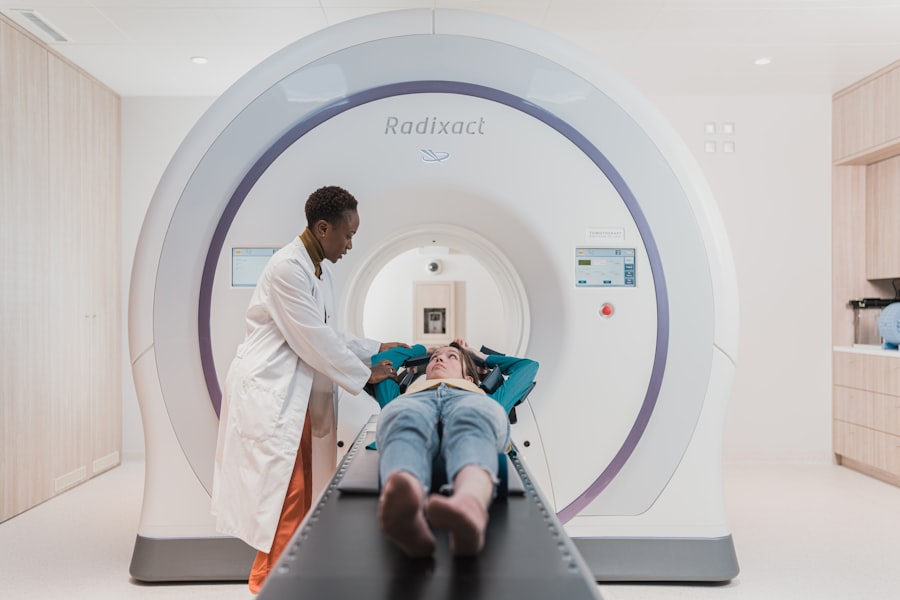
The diagnosis of metastatic disease typically involves a combination of imaging studies, laboratory tests, and biopsies. Advanced imaging techniques such as computed tomography (CT), magnetic resonance imaging (MRI), and positron emission tomography (PET) scans play a pivotal role in identifying metastatic lesions. These modalities allow clinicians to visualize the extent of disease spread and assess organ involvement.
In conjunction with imaging, blood tests can provide valuable information regarding tumor markers—substances produced by cancer cells that may be present in elevated levels in the bloodstream. For instance, prostate-specific antigen (PSA) is commonly used to monitor prostate cancer progression. When a primary tumor is suspected or known, a biopsy may be performed to confirm the presence of metastasis and determine the histological characteristics of the cancer cells.
This comprehensive diagnostic approach is essential for tailoring treatment plans that align with the specific needs of each patient.
Treatment Options for Metastatic Disease
| Treatment Option | Description | Success Rate |
|---|---|---|
| Chemotherapy | Uses drugs to kill cancer cells | Varies depending on cancer type |
| Immunotherapy | Boosts the body’s immune system to fight cancer | Varies depending on cancer type |
| Targeted Therapy | Targets specific genes, proteins, or the tissue environment that contributes to cancer growth | Varies depending on cancer type |
| Radiation Therapy | Uses high doses of radiation to kill cancer cells and shrink tumors | Varies depending on cancer type |
The treatment landscape for metastatic disease is diverse and continually evolving. Therapeutic options are primarily determined by the type of cancer, its location, and the extent of metastasis. Systemic therapies such as chemotherapy, targeted therapy, and immunotherapy are frequently employed to manage metastatic disease.
Chemotherapy utilizes cytotoxic agents to inhibit cancer cell proliferation. While effective in many cases, it often comes with significant side effects due to its impact on healthy cells. Targeted therapies, on the other hand, focus on specific molecular targets associated with cancer growth and survival.
For example, HER2-positive breast cancer may be treated with trastuzumab (Herceptin), which specifically targets the HER2 protein. Immunotherapy has emerged as a groundbreaking approach that harnesses the body’s immune system to combat cancer. Immune checkpoint inhibitors like pembrolizumab (Keytruda) have shown promise in treating various malignancies by blocking proteins that inhibit immune responses against tumors.
The choice of treatment should be individualized based on tumor characteristics and patient preferences.
Managing the Emotional and Psychological Impact of Metastatic Disease
The diagnosis of metastatic disease can evoke a profound emotional response, often characterized by feelings of fear, anxiety, and uncertainty about the future. Patients may grapple with existential questions regarding their mortality and the implications for their loved ones. It is essential for healthcare providers to recognize these psychological challenges and offer appropriate support.
Psychosocial interventions such as counseling or support groups can be invaluable in helping patients navigate their emotional landscape. Cognitive-behavioral therapy (CBT) has been shown to alleviate symptoms of depression and anxiety in cancer patients by addressing negative thought patterns and promoting coping strategies. Additionally, mindfulness practices such as meditation and yoga can foster emotional resilience and enhance overall well-being.
Coping with the Physical Symptoms of Metastatic Disease

Physical symptoms associated with metastatic disease can significantly impact daily functioning and quality of life. Common manifestations include pain, fatigue, nausea, and loss of appetite. Effective symptom management is crucial for improving patient comfort and maintaining functionality.
Pain management strategies may involve pharmacological interventions such as nonsteroidal anti-inflammatory drugs (NSAIDs), opioids, or adjuvant therapies like corticosteroids or anticonvulsants for neuropathic pain. Palliative care specialists can provide expertise in optimizing pain control while minimizing side effects. Fatigue is another prevalent symptom that can be debilitating for patients with metastatic disease.
A multidisciplinary approach that includes physical therapy, nutritional support, and exercise regimens can help mitigate fatigue and enhance energy levels. Nutritional counseling may also address issues related to appetite loss and weight management.
The Role of Palliative Care in Metastatic Disease
Palliative care plays a critical role in the comprehensive management of metastatic disease by focusing on alleviating symptoms and improving quality of life rather than solely targeting disease eradication. This specialized form of care is appropriate at any stage of illness and can be integrated alongside curative treatments. Palliative care teams consist of healthcare professionals from various disciplines who collaborate to address physical, emotional, social, and spiritual needs.
They work closely with patients and their families to develop individualized care plans that prioritize comfort and dignity. Interventions may include pain management strategies, psychosocial support, and assistance with advance care planning. Research has demonstrated that early integration of palliative care can lead to improved patient outcomes, including enhanced quality of life and potentially prolonged survival.
By addressing the multifaceted challenges posed by metastatic disease, palliative care serves as an essential component of holistic patient management.
The financial implications of metastatic disease can be overwhelming for patients and their families. The costs associated with diagnostic tests, treatments, medications, and supportive care can quickly accumulate, leading to significant financial strain. Many patients face difficult decisions regarding treatment options based on their insurance coverage or out-of-pocket expenses.
To navigate this financial burden effectively, patients should engage in open discussions with their healthcare providers about potential costs associated with various treatment modalities. Financial counselors or social workers within healthcare institutions can provide valuable resources regarding insurance coverage options, financial assistance programs, and community resources available to support patients facing economic challenges. Additionally, advocacy organizations often offer educational materials that outline financial assistance programs specific to certain types of cancer or treatment regimens.
By proactively addressing financial concerns, patients can focus more on their health and well-being rather than being overwhelmed by economic stressors.
Support Systems for Patients and Caregivers
The journey through metastatic disease is not one that should be undertaken alone; robust support systems are vital for both patients and caregivers alike. Family members often play a crucial role in providing emotional support and practical assistance throughout treatment journeys. Support groups offer an invaluable platform for patients to connect with others facing similar challenges.
These groups foster a sense of community where individuals can share experiences, exchange coping strategies, and find solace in knowing they are not alone in their struggles. Online forums have also emerged as accessible resources for those unable to attend in-person meetings. Caregivers themselves require support as they navigate the complexities of caring for a loved one with metastatic disease.
Respite care services can provide temporary relief for caregivers while ensuring that patients receive appropriate care during their absence. Educational resources aimed at caregivers can equip them with essential skills for managing symptoms and understanding treatment options.
Research and Advances in Metastatic Disease
Ongoing research into metastatic disease continues to yield promising advancements that hold potential for improving patient outcomes. Clinical trials are essential for evaluating new therapies and treatment combinations aimed at targeting metastasis more effectively. Recent breakthroughs in precision medicine have led to the development of targeted therapies tailored to specific genetic mutations within tumors.
For instance, PARP inhibitors have shown efficacy in treating certain breast cancers associated with BRCA mutations by exploiting vulnerabilities in cancer cell DNA repair mechanisms. Immunotherapy research has also gained momentum, with ongoing studies exploring novel combinations of immune checkpoint inhibitors alongside traditional therapies or other immunotherapeutic agents. These innovative approaches aim to enhance immune responses against metastatic tumors while minimizing adverse effects.
Living with Metastatic Disease: Finding Hope and Quality of Life
Living with metastatic disease presents unique challenges; however, many individuals find ways to cultivate hope and maintain a sense of purpose despite their circumstances. Engaging in meaningful activities—whether through hobbies, volunteer work, or spending time with loved ones—can foster a sense of fulfillment. Establishing realistic goals is essential for maintaining motivation throughout treatment journeys.
Patients are encouraged to celebrate small victories along the way while remaining adaptable to changing circumstances. Mindfulness practices can also promote resilience by encouraging individuals to focus on the present moment rather than becoming overwhelmed by uncertainties about the future. In conclusion, while metastatic disease poses significant challenges across multiple dimensions—physical, emotional, financial—the integration of comprehensive care strategies offers pathways toward improved quality of life for patients and their families.
By fostering supportive environments that prioritize holistic well-being alongside medical interventions, individuals living with metastatic disease can find hope amidst adversity while navigating their unique journeys toward healing and resilience.
Metastatic disease is a serious health concern that affects many individuals worldwide. According to a recent article on boogger.com, advancements in medical research have led to improved treatments for metastatic disease, offering hope to patients and their families. It is crucial for individuals to stay informed about the latest developments in healthcare to ensure they receive the best possible care.
FAQs
What is metastatic disease?
Metastatic disease, also known as metastasis, is the spread of cancer cells from the original (primary) tumor to other parts of the body. This can occur through the bloodstream or lymphatic system.
How does metastatic disease occur?
Metastatic disease occurs when cancer cells break away from the primary tumor, travel through the bloodstream or lymphatic system, and form new tumors in other parts of the body. This process is complex and involves multiple steps.
What are the symptoms of metastatic disease?
The symptoms of metastatic disease can vary depending on the location of the secondary tumors. Common symptoms may include pain, weight loss, fatigue, and specific symptoms related to the affected organ or tissue.
How is metastatic disease diagnosed?
Metastatic disease is typically diagnosed through imaging tests such as CT scans, MRIs, PET scans, and bone scans. Biopsies may also be performed to confirm the presence of cancer cells in the secondary tumors.
What are the treatment options for metastatic disease?
Treatment for metastatic disease may include surgery, radiation therapy, chemotherapy, targeted therapy, immunotherapy, and other systemic treatments. The specific treatment approach depends on the type and location of the cancer, as well as the overall health of the patient.
What is the prognosis for metastatic disease?
The prognosis for metastatic disease varies depending on factors such as the type of cancer, the extent of spread, the response to treatment, and the overall health of the patient. Some types of metastatic cancer can be managed for extended periods, while others may have a more limited prognosis.