Now Reading: Early Detection: The Importance of Breast Cancer Screening
-
01
Early Detection: The Importance of Breast Cancer Screening
Early Detection: The Importance of Breast Cancer Screening
Breast cancer is a malignant neoplasm that originates in the breast tissue, primarily affecting the lobules or ducts. It is characterized by the uncontrolled proliferation of abnormal cells, which can invade surrounding tissues and metastasize to distant organs. Globally, breast cancer ranks as the most prevalent cancer among women, with an estimated 2.3 million new cases diagnosed in 2020 alone, according to the World Health Organization.
The disease can manifest in various forms, including invasive ductal carcinoma, invasive lobular carcinoma, and non-invasive types such as ductal carcinoma in situ (DCIS). The pathophysiology of breast cancer involves a complex interplay of genetic, hormonal, and environmental factors. Hormones such as estrogen and progesterone play a significant role in the development and progression of certain types of breast cancer.
Genetic mutations, particularly in the BRCA1 and BRCA2 genes, have been linked to hereditary breast and ovarian cancer syndromes, increasing the risk for individuals with a family history of these mutations.
Key Takeaways
- Breast cancer is a type of cancer that forms in the cells of the breast.
- Early detection of breast cancer can greatly improve the chances of successful treatment and survival.
- Risk factors for breast cancer include family history, age, genetics, and lifestyle factors.
- Types of breast cancer screening include mammograms, clinical breast exams, and self-exams.
- Mammograms are an important tool for detecting breast cancer and involve compressing the breast between two plates for a few seconds.
The Importance of Early Detection
Early detection of breast cancer significantly enhances treatment efficacy and improves survival rates. When diagnosed at an early stage, the five-year survival rate for localized breast cancer can exceed 99%. This stark contrast underscores the necessity for regular screening and awareness of potential symptoms.
Early-stage breast cancer often presents with minimal or no symptoms, making routine screening essential for identifying malignancies before they progress to more advanced stages. Moreover, early detection allows for a broader range of treatment options. Patients diagnosed with localized disease may be eligible for breast-conserving surgeries, such as lumpectomy, followed by radiation therapy.
In contrast, advanced-stage cancers may necessitate more aggressive interventions, including mastectomy or systemic therapies like chemotherapy and targeted agents. Therefore, understanding the importance of early detection is paramount for both patients and healthcare providers.
Risk Factors for Breast Cancer
Numerous risk factors contribute to the likelihood of developing breast cancer, which can be categorized into modifiable and non-modifiable factors. Non-modifiable risk factors include age, gender, family history, and genetic predisposition. Women aged 55 and older are at a higher risk, with approximately 80% of cases diagnosed in this demographic.
Additionally, individuals with a family history of breast or ovarian cancer are more likely to carry genetic mutations that increase their susceptibility. Modifiable risk factors encompass lifestyle choices such as diet, physical activity, alcohol consumption, and obesity. Studies have shown that maintaining a healthy weight and engaging in regular physical activity can reduce breast cancer risk by up to 30%.
Furthermore, limiting alcohol intake to no more than one drink per day has been associated with a decreased risk of developing the disease. Understanding these risk factors empowers individuals to make informed lifestyle choices that may mitigate their risk.
Types of Breast Cancer Screening
| Screening Method | Advantages | Disadvantages |
|---|---|---|
| Mammogram | Widely available, detects early stage cancer | Exposure to radiation, false positives |
| Ultrasound | No radiation, useful for dense breasts | Not as effective for early detection |
| MRI | High sensitivity, useful for high-risk patients | Expensive, longer scan time |
Breast cancer screening encompasses various methods aimed at detecting the disease in its early stages. The most common screening modalities include mammography, clinical breast exams (CBE), and breast self-exams (BSE). Each method has its advantages and limitations, making it essential for individuals to understand their options.
Mammography is the gold standard for breast cancer screening and involves low-dose X-ray imaging to identify abnormalities in breast tissue. Clinical breast exams are performed by healthcare professionals who assess the breasts for lumps or other changes. Breast self-exams empower individuals to monitor their own breasts for any unusual changes or lumps.
While self-exams are not a substitute for professional screenings, they can serve as an important adjunct in early detection efforts.
Mammograms: What to Expect
Mammograms are typically performed in specialized imaging centers or hospitals by trained radiologic technologists. During the procedure, the patient’s breast is positioned on a flat surface and compressed between two plates to obtain clear images. This compression may cause temporary discomfort but is essential for producing high-quality images that can reveal potential abnormalities.
The procedure usually takes about 20 minutes, after which the images are reviewed by a radiologist who will report findings to the patient’s healthcare provider. If any suspicious areas are identified, further diagnostic tests such as ultrasound or biopsy may be recommended. It is important for patients to understand that mammograms are not infallible; false positives and negatives can occur.
However, regular mammography remains one of the most effective tools for early detection.
Self-Exams and Other Screening Methods

Breast self-exams (BSE) are an important component of breast health awareness. Women are encouraged to perform self-exams monthly to familiarize themselves with their breast tissue and identify any changes promptly. The best time to conduct a self-exam is a few days after menstruation when breasts are less likely to be swollen or tender.
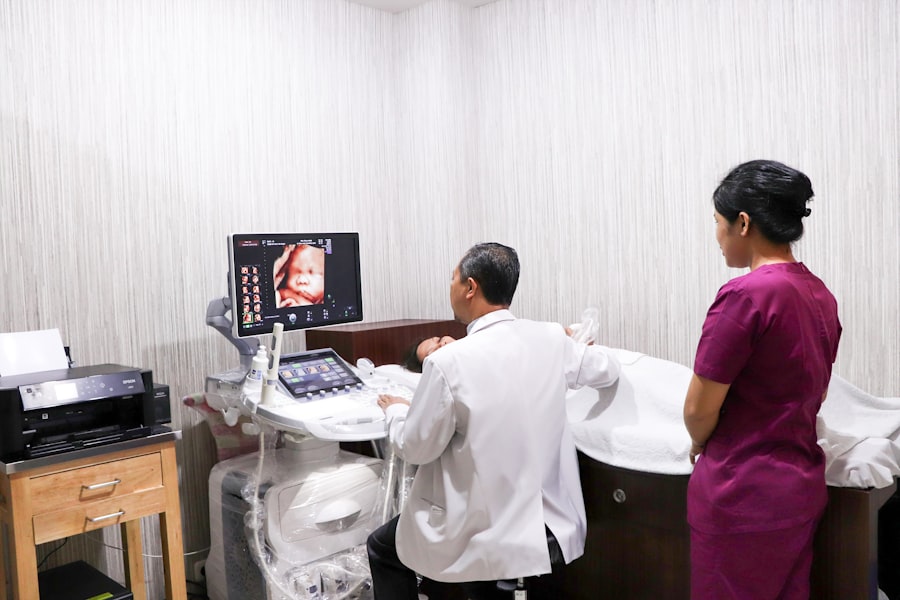
In addition to BSEs, other screening methods such as magnetic resonance imaging (MRI) may be recommended for women at high risk due to genetic factors or family history. MRI is particularly useful for detecting tumors that may not be visible on mammograms. Furthermore, ultrasound can be employed as a supplementary tool for evaluating suspicious areas identified during mammography.
When to Start Screening
The optimal age to begin breast cancer screening varies based on individual risk factors and guidelines from health organizations. The American Cancer Society recommends that women with average risk begin annual mammograms at age 45, transitioning to biennial screenings at age 55. Women at higher risk due to family history or genetic predisposition may need to start screening earlier, often around age 30 or even earlier depending on specific circumstances.
It is crucial for individuals to engage in discussions with their healthcare providers regarding personalized screening plans that take into account their unique risk profiles. This collaborative approach ensures that patients receive appropriate care tailored to their needs.
The Role of Genetics in Breast Cancer
Genetic factors play a significant role in breast cancer susceptibility. Approximately 15-20% of breast cancer cases are attributed to inherited genetic mutations, with BRCA1 and BRCA2 being the most well-known culprits. Women carrying mutations in these genes have a lifetime risk of developing breast cancer that can exceed 70%.
Genetic testing can provide valuable information for individuals with a family history of breast cancer, allowing them to make informed decisions regarding surveillance and preventive measures. In addition to BRCA mutations, other genetic variants have been identified that may contribute to breast cancer risk, including PALB2 and TP53 mutations. Understanding these genetic factors enables healthcare providers to offer personalized screening strategies and preventive options such as prophylactic mastectomy or chemoprevention with medications like tamoxifen.
Overcoming Barriers to Screening
Despite the proven benefits of early detection through screening, numerous barriers hinder access to mammography and other screening methods. Socioeconomic factors such as lack of insurance coverage, transportation issues, and limited access to healthcare facilities disproportionately affect underserved populations. Additionally, cultural beliefs and fear surrounding cancer diagnoses can deter individuals from seeking necessary screenings.
Addressing these barriers requires a multifaceted approach involving community outreach programs that promote awareness about the importance of screening and provide resources for transportation and financial assistance. Healthcare providers must also foster open communication with patients to alleviate fears and misconceptions surrounding breast cancer screening.
The Impact of Early Detection on Treatment
The impact of early detection on treatment outcomes cannot be overstated. When breast cancer is identified at an early stage, treatment options are more diverse and less invasive. Patients may have the opportunity for lumpectomy followed by radiation therapy rather than more radical procedures like mastectomy or extensive chemotherapy regimens.
Moreover, early-stage cancers often have better prognoses due to lower rates of metastasis. Studies indicate that patients diagnosed with localized disease have a five-year survival rate exceeding 99%, while those diagnosed at advanced stages face significantly lower survival rates. Thus, early detection not only enhances treatment options but also improves overall survival outcomes.
Advocating for Breast Cancer Awareness and Screening
Advocacy plays a crucial role in promoting breast cancer awareness and encouraging regular screening practices among women of all ages. Organizations such as Susan G. Komen for the Cure and the American Cancer Society work tirelessly to educate communities about breast health and provide resources for accessible screenings.
Engaging local communities through workshops, health fairs, and social media campaigns fosters an environment where individuals feel empowered to prioritize their health. In conclusion, understanding breast cancer’s complexities—from its biological underpinnings to the importance of early detection—is vital for improving patient outcomes.
By recognizing risk factors, utilizing various screening methods, and advocating for awareness initiatives, we can collectively work towards reducing the burden of this disease on individuals and society as a whole. Early detection remains our most powerful tool in combating breast cancer effectively. ### FAQ Section 1.
**What are the common symptoms of breast cancer?**
– Symptoms may include lumps in the breast or underarm area, changes in breast shape or size, skin dimpling or puckering, discharge from the nipple, or persistent pain in the breast area. 2. **How often should I get screened?**
– Women aged 45-54 should have annual mammograms; those 55 and older may switch to biennial screenings unless otherwise advised by their healthcare provider.
3. **What should I do if I find a lump during a self-exam?**
– Contact your healthcare provider immediately for further evaluation; do not panic as many lumps are benign but should be assessed professionally. 4.
**Are there any lifestyle changes I can make to reduce my risk?**
– Yes! Maintaining a healthy weight, exercising regularly, limiting alcohol intake, and eating a balanced diet rich in fruits and vegetables can help lower your risk. 5.
**What is genetic testing?**
– Genetic testing involves analyzing DNA samples to identify mutations associated with increased risks of certain cancers, including BRCA1 and BRCA2 mutations linked to breast cancer. 6. **What treatments are available if I am diagnosed with breast cancer?**
– Treatment options vary based on stage but may include surgery (lumpectomy or mastectomy), radiation therapy, chemotherapy, hormone therapy (e.g., tamoxifen), or targeted therapies (e.g., trastuzumab).
7. **How can I advocate for breast cancer awareness?**
– You can participate in local events, share information on social media platforms, volunteer with organizations focused on breast health education, or simply discuss the importance of screening with friends and family. 8.
**What resources are available for financial assistance regarding screenings?**
– Many organizations offer financial assistance programs; check with local health departments or non-profits dedicated to cancer awareness for available resources. 9. **Is there an age limit for starting mammograms?**
– While guidelines suggest starting at age 45 for average-risk women, those with higher risks may need earlier screenings based on individual assessments by healthcare providers.
10. **What advancements are being made in breast cancer research?**
– Ongoing research focuses on personalized medicine approaches using genetic profiling to tailor treatments more effectively while minimizing side effects associated with traditional therapies. In summary, understanding breast cancer’s complexities—from its biological underpinnings to the importance of early detection—is vital for improving patient outcomes.
By recognizing risk factors, utilizing various screening methods, and advocating for awareness initiatives, we can collectively work towards reducing the burden of this disease on individuals and society as a whole. Early detection remains our most powerful tool in combating breast cancer effectively.
Breast cancer screening is a crucial aspect of women’s health, and staying informed about the latest advancements in this field is essential. One related article worth checking out is “Deck the Halls with Lowe’s Christmas Trees”, which discusses the importance of early detection and regular screenings in the fight against breast cancer. This article highlights the significance of taking proactive steps to prioritize one’s health and well-being.
FAQs
What is breast cancer screening?
Breast cancer screening is the process of using medical tests to detect breast cancer in its early stages, before any symptoms appear.
Why is breast cancer screening important?
Early detection of breast cancer through screening can lead to more successful treatment and higher chances of survival. It can also help in identifying cancer at a stage when it is easier to treat.
What are the common methods of breast cancer screening?
The most common methods of breast cancer screening include mammograms, clinical breast exams, and breast self-exams.
At what age should women start getting screened for breast cancer?
The American Cancer Society recommends that women with an average risk of breast cancer should start getting annual mammograms at age 45, and then switch to mammograms every two years at age 55. However, women should discuss their individual risk factors with their healthcare provider to determine the best screening schedule for them.
Are there any risks or limitations associated with breast cancer screening?
While breast cancer screening can help detect cancer early, it is not perfect and may not detect all cases of breast cancer. False positives and unnecessary biopsies are also potential risks associated with screening.
What are the signs and symptoms of breast cancer?
Common signs and symptoms of breast cancer include a lump in the breast, changes in the size or shape of the breast, nipple discharge, and skin changes on the breast.
What should I do if I notice any changes in my breasts?
If you notice any changes in your breasts, it is important to see a healthcare provider for further evaluation. It may or may not be breast cancer, but it is important to get it checked out.