Now Reading: Recognizing Cardiac Ischemia: Symptoms to Watch For
-
01
Recognizing Cardiac Ischemia: Symptoms to Watch For
Recognizing Cardiac Ischemia: Symptoms to Watch For
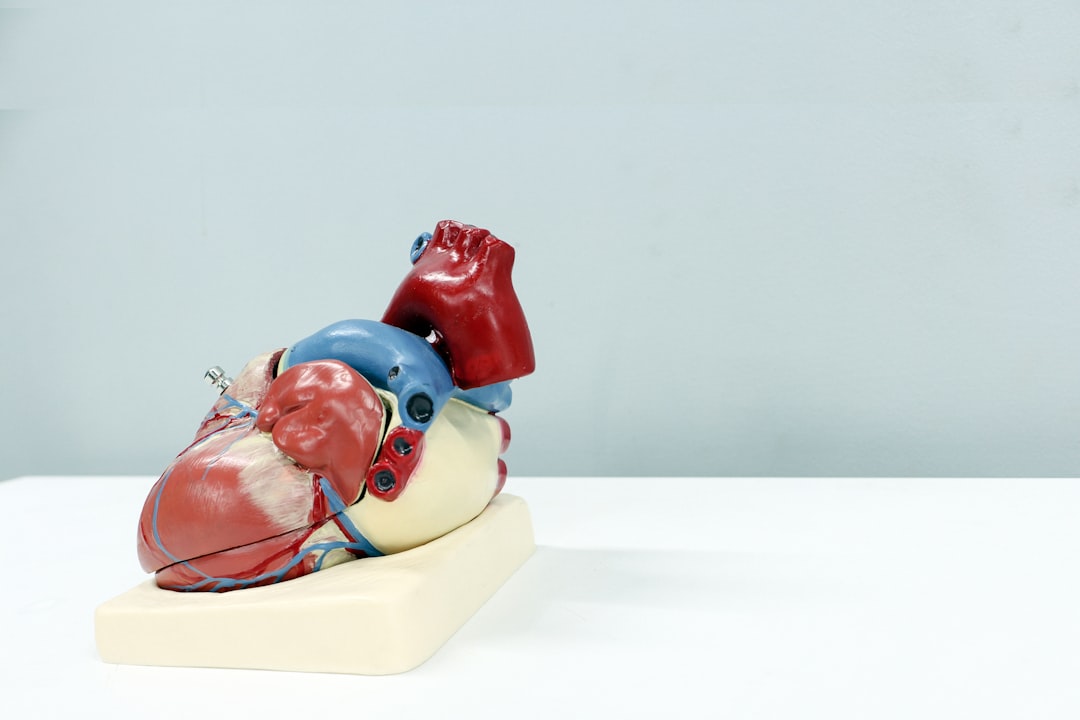
Cardiac ischemia, a condition characterized by reduced blood flow to the heart muscle, is a critical health issue that can lead to severe complications, including myocardial infarction (heart attack). This reduction in blood supply is often due to atherosclerosis, where plaque builds up in the coronary arteries, narrowing them and impeding blood flow. The heart muscle requires a constant supply of oxygen-rich blood to function effectively; when this supply is compromised, ischemia occurs, leading to potential damage or death of cardiac tissue.
The pathophysiology of cardiac ischemia involves a complex interplay of factors, including endothelial dysfunction, inflammation, and oxidative stress. Risk factors such as hypertension, hyperlipidemia, diabetes mellitus, and smoking significantly contribute to the development of coronary artery disease (CAD), which is the most common cause of ischemia.
Key Takeaways
- Cardiac ischemia is a condition where the blood flow to the heart is reduced, leading to a lack of oxygen and nutrients to the heart muscle.
- Common symptoms of cardiac ischemia include chest pain and discomfort, shortness of breath, nausea and vomiting, fatigue and weakness, dizziness and lightheadedness, and jaw, neck, and shoulder pain.
- Chest pain and discomfort are the most common symptoms of cardiac ischemia and are often described as pressure, squeezing, or tightness in the chest.
- Shortness of breath can occur with or without chest pain and may be accompanied by a feeling of being unable to catch one’s breath.
- Nausea and vomiting, fatigue and weakness, dizziness and lightheadedness, and jaw, neck, and shoulder pain are less common symptoms of cardiac ischemia but should still be taken seriously.
Common Symptoms of Cardiac Ischemia
Recognizing the symptoms of cardiac ischemia is vital for timely intervention and management. Patients may experience a range of manifestations that can vary in intensity and duration. The most common symptoms include chest pain or discomfort, shortness of breath, nausea, fatigue, dizziness, and referred pain in the jaw, neck, or shoulders.
These symptoms can occur during physical exertion or emotional stress and may resolve with rest or the use of nitroglycerin. It is essential to note that symptoms can differ significantly between individuals, particularly between men and women. Women may present with atypical symptoms that are often overlooked or misattributed to other conditions.
Therefore, awareness of these variations is crucial for healthcare providers to ensure accurate diagnosis and prompt treatment.
Chest Pain and Discomfort

Chest pain is perhaps the most recognized symptom associated with cardiac ischemia. Patients often describe this discomfort as a feeling of pressure, squeezing, or tightness in the chest. The pain may radiate to other areas such as the arms, back, neck, or jaw.
This phenomenon occurs due to the heart muscle’s demand for oxygen exceeding the supply available through the narrowed coronary arteries. The intensity and duration of chest pain can vary widely among individuals. Some may experience brief episodes lasting only a few minutes, while others may endure prolonged discomfort that necessitates immediate medical attention.
It is crucial for individuals experiencing chest pain to seek evaluation promptly, as this symptom can be indicative of an impending myocardial infarction.
Shortness of Breath
| Age Group | Percentage |
|---|---|
| 18-44 | 12% |
| 45-64 | 24% |
| 65+ | 36% |
Dyspnea, or shortness of breath, is another common symptom associated with cardiac ischemia. This sensation may arise during physical activity or even at rest in more severe cases. The underlying mechanism involves the heart’s inability to pump effectively due to inadequate blood supply, leading to pulmonary congestion and decreased oxygenation.
Patients may describe their shortness of breath as a feeling of suffocation or an inability to catch their breath. This symptom can be particularly distressing and may prompt individuals to limit their physical activity, further exacerbating their cardiovascular health. It is essential for healthcare providers to assess the severity of dyspnea in conjunction with other symptoms to determine the appropriate course of action.
Nausea and Vomiting
Gastrointestinal symptoms such as nausea and vomiting can also occur in patients experiencing cardiac ischemia. These symptoms may be attributed to the autonomic nervous system’s response to cardiac distress. The vagus nerve, which innervates both the heart and gastrointestinal tract, can trigger sensations of nausea when the heart is under duress.
Patients may report feeling lightheaded or experiencing an upset stomach during episodes of chest pain or discomfort. It is important for clinicians to recognize these atypical presentations as potential indicators of cardiac ischemia, especially in populations where traditional symptoms may not be as pronounced.
Fatigue and Weakness

Unexplained fatigue and weakness are often overlooked symptoms that can signal cardiac ischemia. Patients may describe a persistent sense of tiredness that does not improve with rest or sleep. This fatigue can result from the heart’s compromised ability to pump effectively, leading to decreased perfusion of vital organs and muscles.
In some cases, individuals may attribute their fatigue to stress or aging rather than seeking medical evaluation. However, it is crucial for healthcare providers to consider unexplained fatigue as a potential warning sign of underlying cardiovascular issues. Comprehensive assessment and appropriate diagnostic testing can help identify any significant ischemic changes.
Dizziness and Lightheadedness
Dizziness and lightheadedness are additional symptoms that may accompany cardiac ischemia. These sensations can arise from decreased cerebral perfusion due to inadequate blood flow resulting from compromised cardiac function. Patients may experience episodes of vertigo or a feeling of faintness that can be alarming.
In some instances, these symptoms may lead individuals to believe they are experiencing a non-cardiac-related issue such as dehydration or anxiety. However, it is essential for healthcare providers to conduct thorough evaluations when patients present with dizziness in conjunction with other cardiovascular symptoms.
Jaw, Neck, and Shoulder Pain
Referred pain in the jaw, neck, and shoulders is a classic yet often misunderstood symptom of cardiac ischemia. Patients may experience discomfort in these areas without any accompanying chest pain. This phenomenon occurs due to shared nerve pathways between the heart and these regions, leading to confusion regarding the source of pain.
Healthcare providers must be vigilant in recognizing these atypical presentations, particularly in women who may exhibit more pronounced referred pain than men. Prompt evaluation and intervention are critical in preventing further complications associated with untreated ischemia.
Recognizing Cardiac Ischemia in Women
Women often present with different symptoms compared to men when experiencing cardiac ischemia. While chest pain remains a common symptom for both genders, women are more likely to report atypical symptoms such as fatigue, shortness of breath, nausea, and back or jaw pain. This discrepancy can lead to misdiagnosis or delayed treatment in female patients.
Healthcare professionals must be aware of these gender differences in symptomatology to ensure timely recognition and management of cardiac ischemia in women. Education regarding risk factors specific to women—such as hormonal changes during menopause—can also aid in prevention efforts.
When to Seek Medical Attention
It is imperative for individuals experiencing symptoms suggestive of cardiac ischemia to seek medical attention promptly. The American Heart Association recommends calling emergency services if chest pain lasts more than five minutes or if it is accompanied by other concerning symptoms such as shortness of breath, nausea, or lightheadedness. Early intervention can significantly improve outcomes for patients experiencing cardiac ischemia.
Diagnostic tests such as electrocardiograms (ECGs), stress tests, and coronary angiography can help determine the extent of ischemic damage and guide treatment decisions.
Preventing Cardiac Ischemia
Preventive measures play a crucial role in reducing the risk of cardiac ischemia and its associated complications. Lifestyle modifications such as adopting a heart-healthy diet rich in fruits, vegetables, whole grains, lean proteins, and healthy fats can significantly impact cardiovascular health. Regular physical activity—aiming for at least 150 minutes of moderate-intensity exercise per week—can improve cardiovascular fitness and reduce risk factors such as obesity and hypertension.
Additionally, managing chronic conditions such as diabetes and hyperlipidemia through medication adherence and regular monitoring is essential for preventing ischemic events. Smoking cessation programs are also vital in reducing cardiovascular risk factors associated with ischemia. In some cases, pharmacological interventions may be necessary for individuals at high risk for cardiac ischemia.
g., aspirin), statins for cholesterol management, and beta-blockers for blood pressure control can be effective in reducing the likelihood of ischemic events. In summary, cardiac ischemia is a serious condition characterized by reduced blood flow to the heart muscle due to various underlying factors such as atherosclerosis. Recognizing its symptoms—including chest pain, shortness of breath, nausea, fatigue, dizziness, and referred pain—is crucial for timely intervention.
Women may present with atypical symptoms that require heightened awareness among healthcare providers. Preventive measures such as lifestyle modifications and pharmacological interventions play a vital role in reducing risk factors associated with this condition. Early recognition and treatment are essential for improving outcomes and preventing complications related to cardiac ischemia.
If you are experiencing symptoms of cardiac ischemia, such as chest pain or shortness of breath, it is important to seek medical attention immediately. A related article discussing the importance of renters insurance and everything you should consider can be found here. This article provides valuable information on how to protect yourself and your belongings in case of unexpected events. Remember, taking care of your health and well-being should always be a top priority.
FAQs
What is cardiac ischemia?
Cardiac ischemia occurs when the blood flow to the heart is reduced, leading to a lack of oxygen and nutrients to the heart muscle.
What are the symptoms of cardiac ischemia?
Symptoms of cardiac ischemia can include chest pain or discomfort, shortness of breath, nausea, fatigue, and pain or discomfort in the arms, back, neck, jaw, or stomach.
What causes cardiac ischemia?
Cardiac ischemia is often caused by a buildup of plaque in the coronary arteries, which can restrict blood flow to the heart. Other causes can include blood clots, coronary artery spasm, and conditions that affect the heart’s ability to pump blood effectively.
How is cardiac ischemia diagnosed?
Cardiac ischemia can be diagnosed through a combination of medical history, physical examination, and diagnostic tests such as electrocardiogram (ECG), stress testing, echocardiogram, and coronary angiography.
What are the risk factors for cardiac ischemia?
Risk factors for cardiac ischemia include high blood pressure, high cholesterol, smoking, diabetes, obesity, sedentary lifestyle, and a family history of heart disease.
What are the treatment options for cardiac ischemia?
Treatment for cardiac ischemia may include lifestyle changes, medications to manage risk factors, procedures to improve blood flow to the heart (such as angioplasty or bypass surgery), and cardiac rehabilitation.