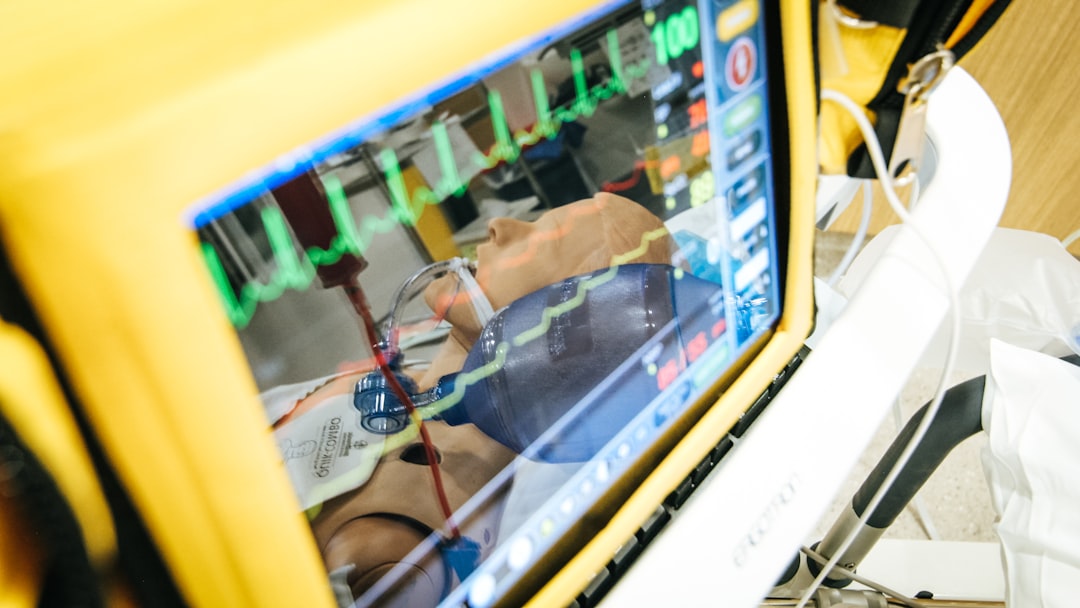
Now Reading: Recognizing and Responding to Cardiac Events
-
01
Recognizing and Responding to Cardiac Events
Recognizing and Responding to Cardiac Events
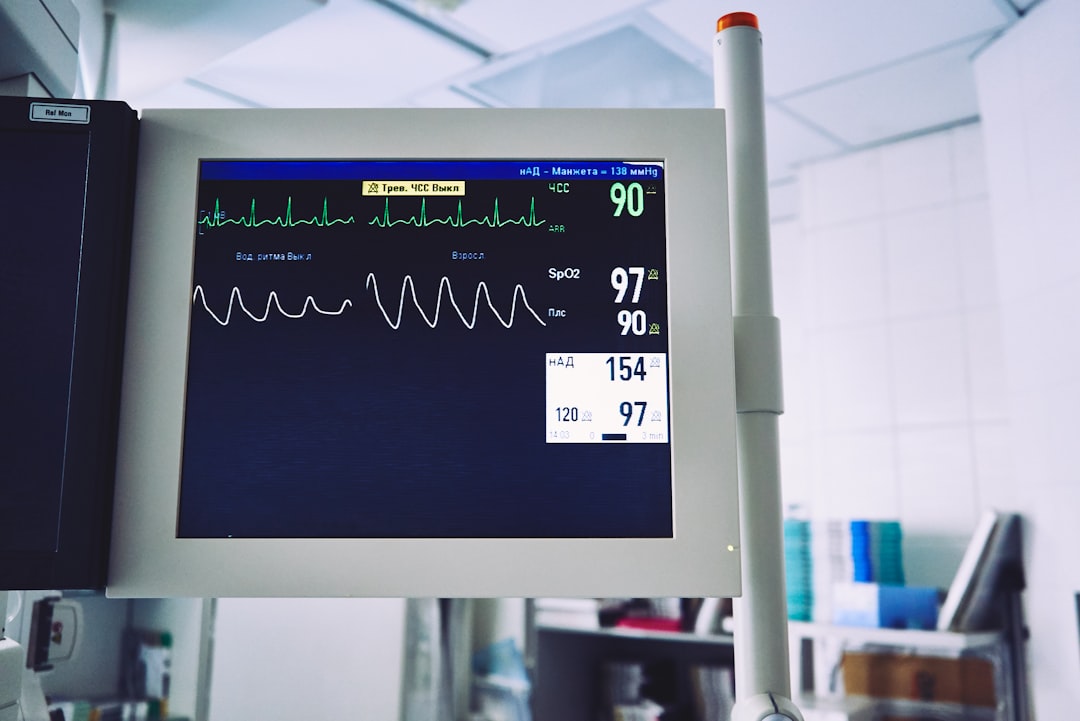
Cardiac events, including heart attacks and cardiac arrests, manifest through a variety of signs and symptoms that can vary significantly among individuals. Common indicators of a heart attack may include chest discomfort, which can feel like pressure, squeezing, fullness, or pain. This sensation may radiate to the shoulders, neck, arms, back, teeth, or jaw.
Other symptoms often associated with myocardial infarction include shortness of breath, which may occur with or without chest discomfort, as well as cold sweats, nausea, or lightheadedness. It is crucial to recognize that women may experience atypical symptoms such as fatigue, indigestion, or anxiety, which can lead to misinterpretation of their condition. In contrast, cardiac arrest is characterized by an abrupt cessation of heart function, leading to the loss of consciousness and absence of pulse.
Individuals may collapse suddenly and exhibit no signs of breathing. The rapid identification of these symptoms is vital for timely intervention. Understanding these differences can empower individuals to act swiftly in emergency situations, potentially saving lives.
Key Takeaways
- Signs and symptoms of cardiac events include chest pain, shortness of breath, and dizziness
- Risk factors for cardiac events include high blood pressure, smoking, and diabetes
- Heart attack is a circulation problem, while cardiac arrest is an electrical problem
- Seek emergency medical help if you experience sudden chest pain or difficulty breathing
- Performing CPR and using an AED can save lives in the event of a cardiac emergency
Identifying Risk Factors for Cardiac Events
The identification of risk factors is essential in understanding the likelihood of experiencing cardiac events. Several modifiable and non-modifiable factors contribute to cardiovascular disease. Non-modifiable risk factors include age, gender, and family history.
For instance, men are generally at a higher risk than women until women reach menopause, after which their risk increases significantly. Additionally, a family history of heart disease can predispose individuals to similar conditions. Modifiable risk factors encompass lifestyle choices and medical conditions that can be altered or managed.
These include hypertension, hyperlipidemia (high cholesterol), diabetes mellitus, obesity, smoking, and physical inactivity. Each of these factors plays a significant role in the development of atherosclerosis and other cardiovascular diseases. By recognizing these risk factors, individuals can take proactive measures to mitigate their impact on heart health.
Recognizing the Difference Between Heart Attack and Cardiac Arrest
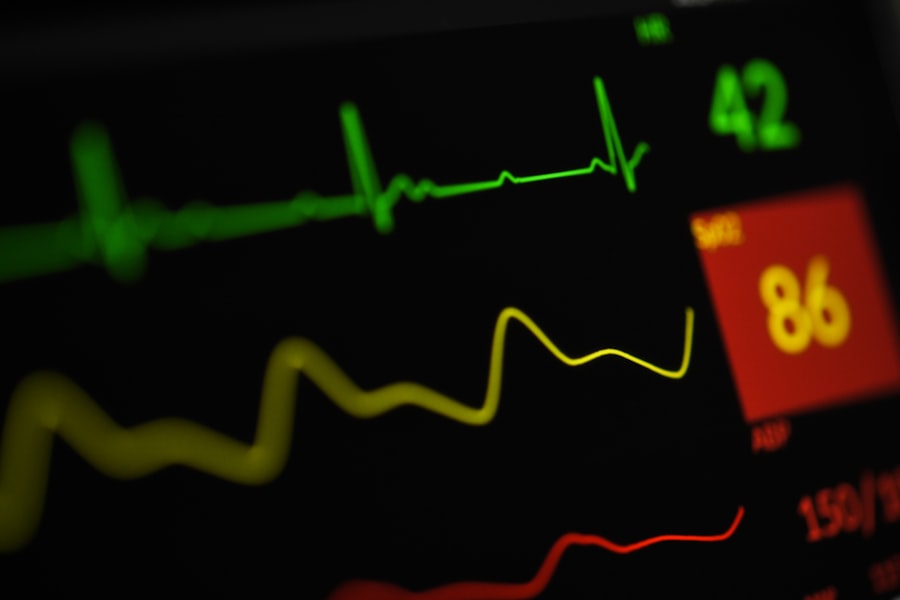
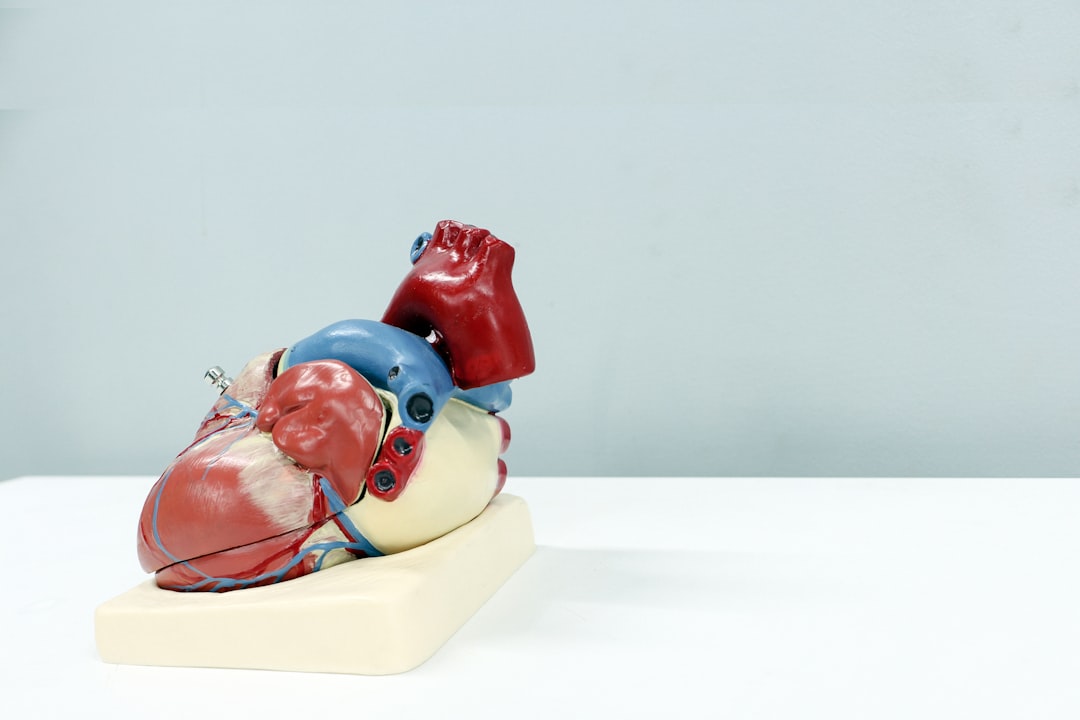
Understanding the distinction between a heart attack and cardiac arrest is crucial for effective response in emergencies. A heart attack occurs when blood flow to a part of the heart is blocked, typically by a blood clot in a coronary artery. This blockage deprives the heart muscle of oxygen and nutrients, leading to tissue damage.
Conversely, cardiac arrest is an electrical malfunction in the heart that disrupts its ability to pump blood effectively.
This condition often occurs suddenly and without warning. While a heart attack can lead to cardiac arrest, they are not synonymous; one does not necessarily cause the other. Recognizing these differences can guide bystanders in providing appropriate assistance and seeking emergency medical services promptly.
Knowing When to Seek Emergency Medical Help
| Signs/Symptoms | Emergency Medical Help |
|---|---|
| Difficulty breathing | Seek immediate medical attention |
| Chest pain or pressure | Call 911 or go to the nearest emergency room |
| Sudden numbness or weakness | Seek emergency medical help |
| Severe abdominal pain | Go to the emergency room |
| Uncontrolled bleeding | Seek emergency medical help |
Timely intervention is critical in the event of a suspected cardiac event. Individuals should seek emergency medical help if they or someone else experiences symptoms indicative of a heart attack or cardiac arrest. The American Heart Association recommends calling emergency services immediately if chest pain persists for more than five minutes or if there are accompanying symptoms such as shortness of breath or fainting.
In cases of cardiac arrest, immediate action is paramount. Bystanders should call emergency services without delay and initiate cardiopulmonary resuscitation (CPR) if the individual is unresponsive and not breathing. The sooner medical professionals arrive on the scene, the better the chances of survival and recovery.
Performing CPR and Using an AED
Cardiopulmonary resuscitation (CPR) is a lifesaving technique that can significantly increase the chances of survival during a cardiac arrest. CPR involves chest compressions and rescue breaths aimed at maintaining blood flow to vital organs until professional help arrives. The American Heart Association recommends performing hands-only CPR for adults: push hard and fast in the center of the chest at a rate of 100 to 120 compressions per minute.
Automated External Defibrillators (AEDs) are crucial devices that can restore normal heart rhythm during cardiac arrest caused by ventricular fibrillation or pulseless ventricular tachycardia. AEDs are designed for ease of use; they provide voice prompts and visual instructions for users. It is essential for bystanders to familiarize themselves with AED locations in public spaces and understand how to operate them effectively.
Understanding the Importance of Early Intervention
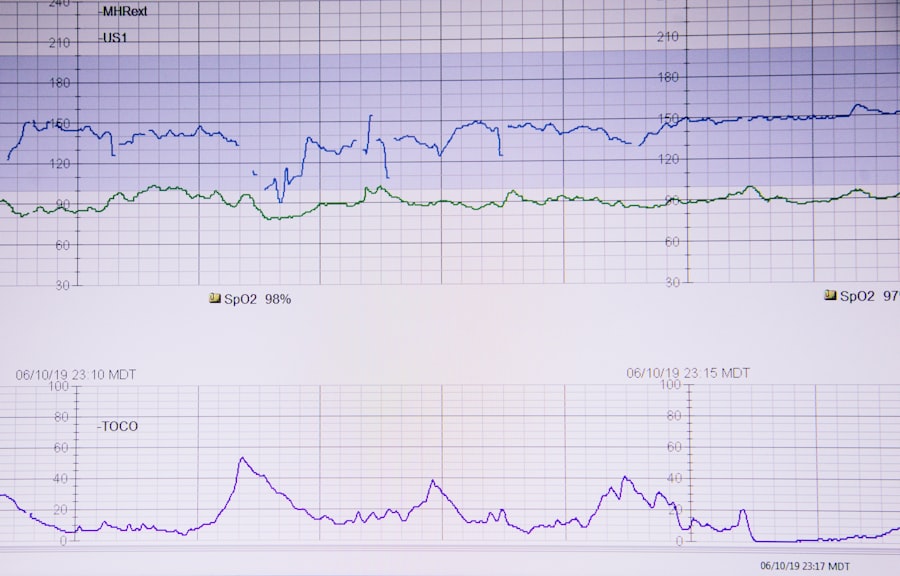
Early intervention during cardiac events can dramatically improve outcomes for affected individuals. The “golden hour” refers to the critical time frame following a cardiac event when prompt medical treatment can significantly reduce mortality rates and improve recovery chances. Studies indicate that every minute without CPR reduces the likelihood of survival by approximately 10%.
Therefore, recognizing symptoms early and acting swiftly can be life-saving. Moreover, early defibrillation using an AED can restore normal heart rhythm within minutes of collapse. The combination of immediate CPR and defibrillation increases survival rates significantly compared to delayed intervention.
Public awareness campaigns emphasizing the importance of early recognition and response are vital in enhancing community preparedness for cardiac emergencies.
Recognizing the Role of Stress and Lifestyle in Cardiac Events
Stress plays a significant role in cardiovascular health and can contribute to the onset of cardiac events. Chronic stress activates the body’s fight-or-flight response, leading to increased heart rate and blood pressure. Over time, this heightened state can result in damage to blood vessels and an increased risk of heart disease.
Additionally, stress may lead individuals to engage in unhealthy coping mechanisms such as smoking, overeating, or physical inactivity. Lifestyle choices also play a pivotal role in cardiovascular health. Poor dietary habits high in saturated fats, trans fats, sodium, and added sugars can contribute to obesity and dyslipidemia.
Sedentary behavior further exacerbates these risks by promoting weight gain and reducing cardiovascular fitness. Understanding the interplay between stress and lifestyle choices is essential for developing effective prevention strategies.
Learning How to Manage and Reduce Stress
Effective stress management techniques are crucial for maintaining cardiovascular health. Mindfulness practices such as meditation, yoga, and deep-breathing exercises have been shown to reduce stress levels significantly. Engaging in regular physical activity not only improves physical fitness but also serves as a natural stress reliever by releasing endorphins—hormones that promote feelings of well-being.
Additionally, establishing a strong support network can provide emotional relief during challenging times. Social connections foster resilience and help individuals cope with stressors more effectively. Seeking professional counseling or therapy may also be beneficial for those struggling with chronic stress or anxiety.
Implementing Healthy Lifestyle Changes to Prevent Cardiac Events
Preventing cardiac events requires a multifaceted approach that includes adopting healthy lifestyle changes.
The Mediterranean diet has been associated with reduced cardiovascular risk due to its emphasis on nutrient-dense foods.
Regular physical activity is equally important; adults should aim for at least 150 minutes of moderate-intensity aerobic exercise per week combined with muscle-strengthening activities on two or more days per week. Quitting smoking is another critical step toward reducing cardiovascular risk; cessation programs and support groups can aid individuals in this endeavor.
Understanding the Importance of Regular Exercise and Physical Activity
Regular exercise plays a vital role in preventing cardiac events by improving cardiovascular fitness and reducing risk factors such as hypertension and obesity. Aerobic activities such as walking, running, cycling, or swimming enhance heart function by increasing blood flow and oxygen delivery throughout the body. Strength training exercises also contribute to overall cardiovascular health by improving muscle mass and metabolism.
Engaging in physical activity not only helps maintain a healthy weight but also reduces stress levels and promotes mental well-being—factors that collectively contribute to lower cardiovascular risk.
Seeking Professional Help and Support for Cardiac Health
Individuals concerned about their cardiovascular health should seek professional guidance from healthcare providers specializing in cardiology or primary care. Regular check-ups allow for monitoring of risk factors such as blood pressure, cholesterol levels, and blood glucose levels. Healthcare professionals can provide personalized recommendations for lifestyle modifications based on individual health profiles.
Additionally, support groups offer valuable resources for individuals living with heart disease or those at risk; sharing experiences fosters community support and encourages adherence to healthy behaviors. In summary, understanding the signs and symptoms of cardiac events is crucial for timely intervention. Identifying risk factors allows individuals to take proactive measures toward prevention through lifestyle changes and stress management techniques.
Recognizing the differences between heart attacks and cardiac arrests empowers bystanders to act swiftly in emergencies while understanding the importance of early intervention can save lives. Regular exercise and seeking professional support further enhance cardiovascular health outcomes, ultimately reducing the incidence of cardiac events in our communities.
If you are interested in learning more about cardiac events and how to prevent them, you may want to check out the article “Amazon Music Unlimited Featuring Dolby Atmos”. This article discusses the importance of music in reducing stress and promoting heart health, which can ultimately help in preventing cardiac events. It provides valuable information on how music can positively impact our overall well-being and potentially lower the risk of heart-related issues.
FAQs
What is a cardiac event?
A cardiac event refers to any sudden, unexpected heart-related problem or condition, such as a heart attack, cardiac arrest, or other serious heart-related issues.
What are the symptoms of a cardiac event?
Symptoms of a cardiac event can include chest pain or discomfort, shortness of breath, nausea, lightheadedness, and pain or discomfort in the arms, back, neck, jaw, or stomach.
What causes a cardiac event?
Cardiac events can be caused by a variety of factors, including coronary artery disease, high blood pressure, smoking, obesity, diabetes, and a sedentary lifestyle.
How is a cardiac event diagnosed?
A cardiac event can be diagnosed through a combination of medical history, physical examination, and diagnostic tests such as electrocardiogram (ECG), echocardiogram, stress test, and cardiac catheterization.
What are the treatment options for a cardiac event?
Treatment for a cardiac event may include medications, lifestyle changes, cardiac rehabilitation, and in some cases, surgical procedures such as angioplasty, stent placement, or bypass surgery.
How can a cardiac event be prevented?
Preventive measures for cardiac events include maintaining a healthy lifestyle, managing risk factors such as high blood pressure and cholesterol, quitting smoking, exercising regularly, and following a heart-healthy diet. Regular medical check-ups and screenings are also important for early detection and prevention.