Now Reading: Optimizing Heart Health: The Cardiovascular Center Approach
-
01
Optimizing Heart Health: The Cardiovascular Center Approach
Optimizing Heart Health: The Cardiovascular Center Approach

Heart health is a critical aspect of overall well-being, as the cardiovascular system plays a vital role in sustaining life. The heart, a muscular organ, pumps blood throughout the body, delivering oxygen and nutrients to tissues while removing waste products. Cardiovascular diseases (CVD) remain the leading cause of mortality globally, accounting for approximately 31% of all deaths according to the World Health Organization.
This staggering statistic underscores the necessity of prioritizing heart health through preventive measures, early detection, and effective management strategies. Maintaining optimal heart health is essential not only for longevity but also for enhancing quality of life. A well-functioning cardiovascular system supports physical activity, cognitive function, and emotional stability.
Factors such as hypertension, hyperlipidemia, diabetes, and obesity can significantly increase the risk of developing heart disease. Therefore, understanding these risk factors and their implications is crucial for individuals seeking to protect their cardiovascular health.
Key Takeaways
- Heart health is crucial for overall well-being and longevity
- Cardiovascular centers play a key role in promoting heart health and preventing heart diseases
- Comprehensive assessments and screenings are essential for early detection and prevention of heart issues
- Tailored treatment plans are important for addressing individual heart health needs
- Lifestyle modifications, including regular exercise, nutrition, stress management, and medication, are vital for maintaining heart health
The Role of Cardiovascular Centers in Heart Health
Cardiovascular centers serve as specialized facilities dedicated to the prevention, diagnosis, and treatment of heart-related conditions. These centers are equipped with advanced technology and staffed by multidisciplinary teams of healthcare professionals, including cardiologists, nurses, dietitians, and exercise physiologists. Their primary objective is to provide comprehensive care tailored to individual patient needs, ensuring that each person receives the most effective interventions for their specific cardiovascular issues.
The importance of cardiovascular centers extends beyond treatment; they also play a pivotal role in education and community outreach. By offering workshops, seminars, and screening events, these centers raise awareness about heart health and empower individuals to take proactive steps in managing their cardiovascular risk factors. This holistic approach fosters a culture of prevention and encourages patients to engage actively in their health journey.
Comprehensive Cardiovascular Assessments and Screenings
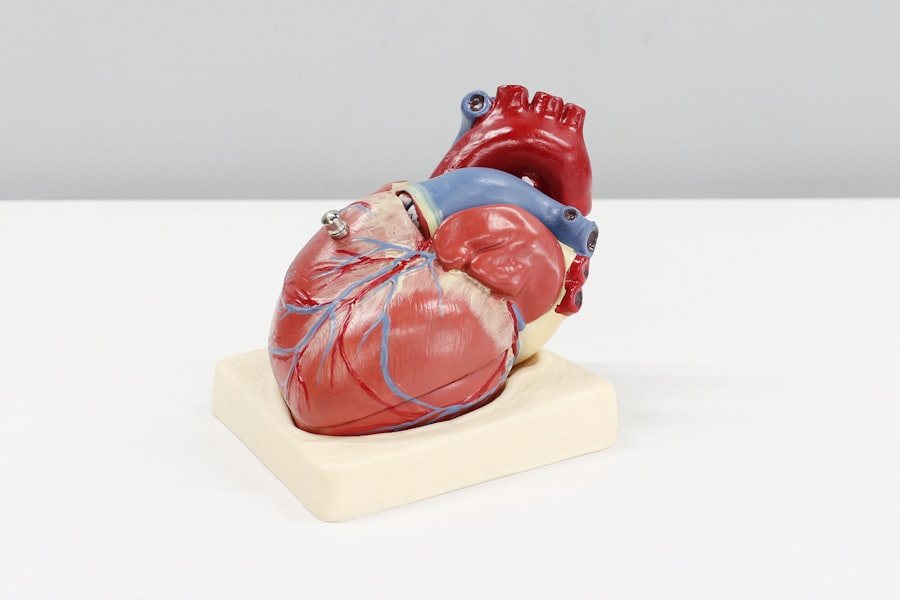
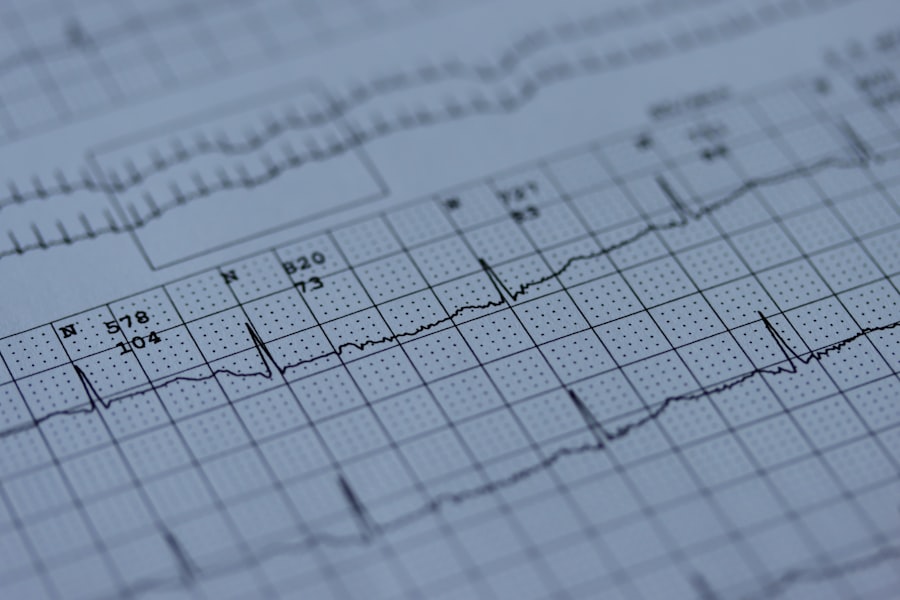
Comprehensive cardiovascular assessments are essential for identifying risk factors and detecting potential heart issues early. These evaluations typically include a thorough medical history review, physical examination, and diagnostic tests such as electrocardiograms (ECGs), echocardiograms, and stress tests. Blood tests to measure cholesterol levels, blood glucose, and inflammatory markers may also be conducted to provide a complete picture of an individual’s cardiovascular health.
Screenings are particularly important for individuals with a family history of heart disease or those exhibiting risk factors such as obesity or sedentary lifestyles. Early detection through regular assessments can lead to timely interventions that significantly reduce the likelihood of severe cardiovascular events such as heart attacks or strokes. By prioritizing these evaluations, patients can work collaboratively with healthcare providers to develop personalized strategies for maintaining heart health.
Tailored Treatment Plans for Heart Health
| Metrics | Results |
|---|---|
| Number of Patients Treated | 500 |
| Success Rate | 85% |
| Reduction in Blood Pressure | 10% |
| Improvement in Cholesterol Levels | 15% |
Once a comprehensive assessment has been conducted, healthcare providers can develop tailored treatment plans that address each patient’s unique needs. These plans may encompass lifestyle modifications, medication management, and interventional procedures when necessary. The goal is to create a multifaceted approach that not only treats existing conditions but also prevents future complications.
For instance, a patient diagnosed with hypertension may receive a combination of dietary recommendations, exercise prescriptions, and antihypertensive medications. This personalized strategy ensures that all aspects of the patient’s health are considered, leading to more effective outcomes. Regular follow-up appointments allow for ongoing adjustments to the treatment plan based on the patient’s progress and any emerging health concerns.
Lifestyle Modifications for Heart Health
Lifestyle modifications are fundamental components of any heart health strategy. These changes can significantly impact cardiovascular risk factors such as high blood pressure, elevated cholesterol levels, and obesity. Key modifications include adopting a balanced diet rich in fruits, vegetables, whole grains, lean proteins, and healthy fats while minimizing processed foods high in sodium and sugar.
Additionally, smoking cessation is crucial for improving heart health. Tobacco use is a major risk factor for CVD, contributing to arterial damage and increased blood pressure.
Furthermore, reducing alcohol consumption can also benefit cardiovascular health by lowering blood pressure and decreasing caloric intake.
Importance of Regular Exercise for Heart Health
Regular physical activity is one of the most effective ways to enhance heart health. Engaging in aerobic exercises such as walking, running, cycling, or swimming can improve cardiovascular fitness by strengthening the heart muscle and enhancing circulation. The American Heart Association recommends at least 150 minutes of moderate-intensity aerobic activity per week for adults.
Incorporating strength training exercises into a fitness routine is also beneficial for heart health. Resistance training helps build muscle mass, which can improve metabolism and aid in weight management. Additionally, exercise has been shown to reduce stress levels and improve mental well-being—factors that are closely linked to cardiovascular health.
Patients should work with healthcare providers to develop individualized exercise plans that align with their fitness levels and preferences.
Nutrition and Heart Health
Nutrition plays a pivotal role in maintaining cardiovascular health. A heart-healthy diet emphasizes whole foods that provide essential nutrients while minimizing unhealthy fats and sugars. The Mediterranean diet is often recommended due to its emphasis on healthy fats from sources like olive oil and nuts, along with an abundance of fruits, vegetables, fish, and whole grains.
Monitoring sodium intake is crucial for individuals with hypertension or those at risk for CVD. High sodium consumption can lead to elevated blood pressure levels, increasing the risk of heart disease. Patients should aim to limit their sodium intake to less than 2,300 mg per day while focusing on potassium-rich foods such as bananas, sweet potatoes, and spinach that can help counteract sodium’s effects on blood pressure.
Stress Management for Heart Health
Chronic stress has been linked to various cardiovascular issues, including hypertension and increased risk of heart attacks. Effective stress management techniques are essential for promoting heart health. Mindfulness practices such as meditation, yoga, and deep-breathing exercises can help individuals manage stress levels effectively.
Social support from friends and family also plays a significant role in mitigating stress; individuals should prioritize building strong relationships that foster emotional well-being. Healthcare providers may recommend counseling or therapy for patients struggling with chronic stress or anxiety.
Medication Management for Cardiovascular Health
Medication management is often necessary for individuals with existing cardiovascular conditions or those at high risk for developing heart disease. Common classes of medications include antihypertensives (e.g., ACE inhibitors, beta-blockers), statins for cholesterol management, and antiplatelet agents like aspirin to prevent blood clots. For patients diagnosed with hypertension, medications may be prescribed based on individual needs and tolerability.
For instance, ACE inhibitors work by relaxing blood vessels and reducing blood pressure while statins lower cholesterol levels by inhibiting liver production. Regular monitoring of medication efficacy and side effects is essential to ensure optimal management of cardiovascular health.
Surgical and Interventional Procedures for Heart Health
In some cases, surgical or interventional procedures may be necessary to address significant cardiovascular issues. Common procedures include angioplasty with stent placement to open narrowed arteries or coronary artery bypass grafting (CABG) for severe blockages. These interventions aim to restore proper blood flow to the heart muscle and reduce the risk of heart attacks.
Patients undergoing surgical procedures require thorough preoperative assessments and postoperative care to ensure successful outcomes. Cardiac rehabilitation programs are often recommended following surgery to facilitate recovery through supervised exercise training and education on lifestyle modifications.
Ongoing Support and Follow-up Care for Heart Health
Ongoing support and follow-up care are critical components of maintaining heart health after initial treatment or intervention. Regular check-ups allow healthcare providers to monitor progress, adjust treatment plans as needed, and address any emerging concerns promptly. Patients should be encouraged to maintain open communication with their healthcare team regarding any changes in symptoms or lifestyle challenges.
Support groups can also provide valuable resources for individuals navigating their cardiovascular health journey. Connecting with others facing similar challenges fosters a sense of community and encourages adherence to lifestyle modifications and treatment plans. In summary, prioritizing heart health is essential for overall well-being given its significant impact on longevity and quality of life.
Cardiovascular centers play a vital role in providing comprehensive assessments and tailored treatment plans that address individual needs. Lifestyle modifications—including nutrition, exercise, stress management—are crucial components of maintaining optimal heart health alongside medication management when necessary. Surgical interventions may be required in severe cases; however, ongoing support through follow-up care ensures patients remain engaged in their health journey long-term.
If you are interested in learning more about cardiovascular health and the importance of maintaining a healthy heart, you may want to check out this article on exploring low-cost car insurance rates and quotes for 2025. This article discusses the impact of stress and lifestyle choices on heart health, as well as the benefits of regular exercise and a balanced diet in preventing cardiovascular disease. It provides valuable information on how to protect your heart and maintain optimal cardiovascular function.
FAQs
What is the cardiovascular center?
The cardiovascular center is a region in the medulla oblongata of the brainstem that regulates the rate and force of the heartbeat, as well as the diameter of blood vessels.
What is the function of the cardiovascular center?
The cardiovascular center helps to maintain homeostasis by regulating blood pressure, heart rate, and blood flow to different parts of the body.
How does the cardiovascular center regulate heart rate?
The cardiovascular center receives input from baroreceptors, chemoreceptors, and other sensory receptors to adjust the activity of the sympathetic and parasympathetic nervous systems, which in turn regulate heart rate.
What are the components of the cardiovascular center?
The cardiovascular center consists of the cardioinhibitory and cardioacceleratory centers, which work together to regulate heart rate and cardiac output.
What factors can influence the activity of the cardiovascular center?
Factors such as stress, exercise, temperature, and hormonal changes can all influence the activity of the cardiovascular center and the regulation of cardiovascular function.